


Now Playing on The Tonearm:
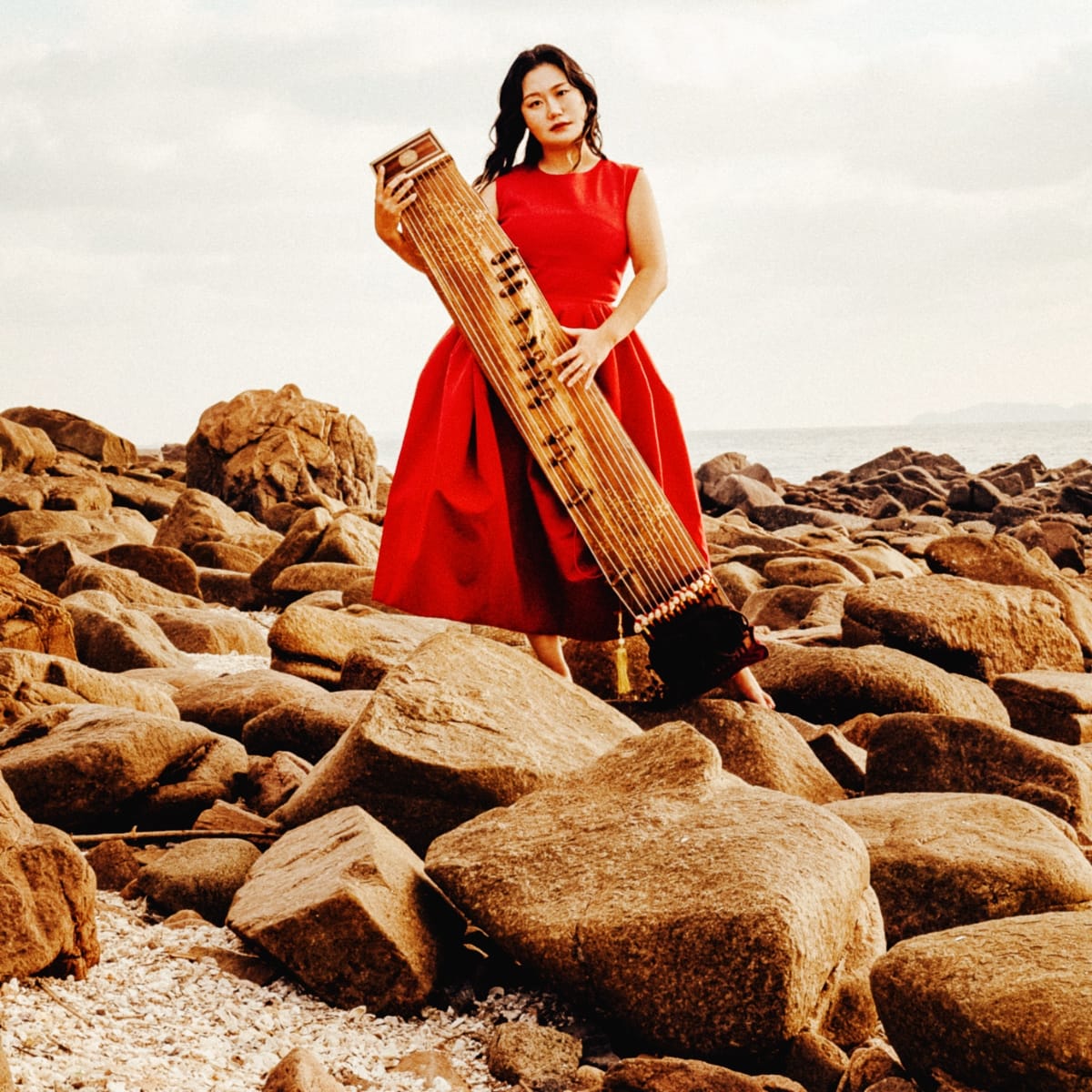
DoYeon Kim and the Lives of the Gayageum
Korean gayageum player DoYeon Kim discusses how her apprenticeship in traditional music led her to improvisation, her instrument-damaging technique, and why she occasionally screams at her audience. Interview by Jonah Evans.
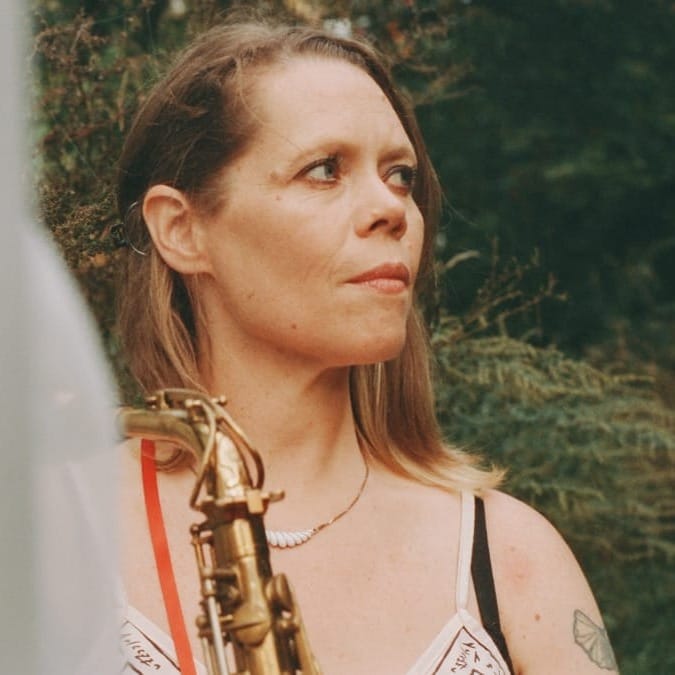
Ghost Notes from Wyoming — Caroline Davis's 'Fallows'
In conversation about 'Fallows,' an album made alone in a Wyoming cabin, Caroline Davis reflects on the ancestral figures who accompanied her during the residency, the saxophone techniques she invented in solitude, and an advocacy practice devoted to carceral justice and gender equity in jazz. Interview by Lawrence Peryer.
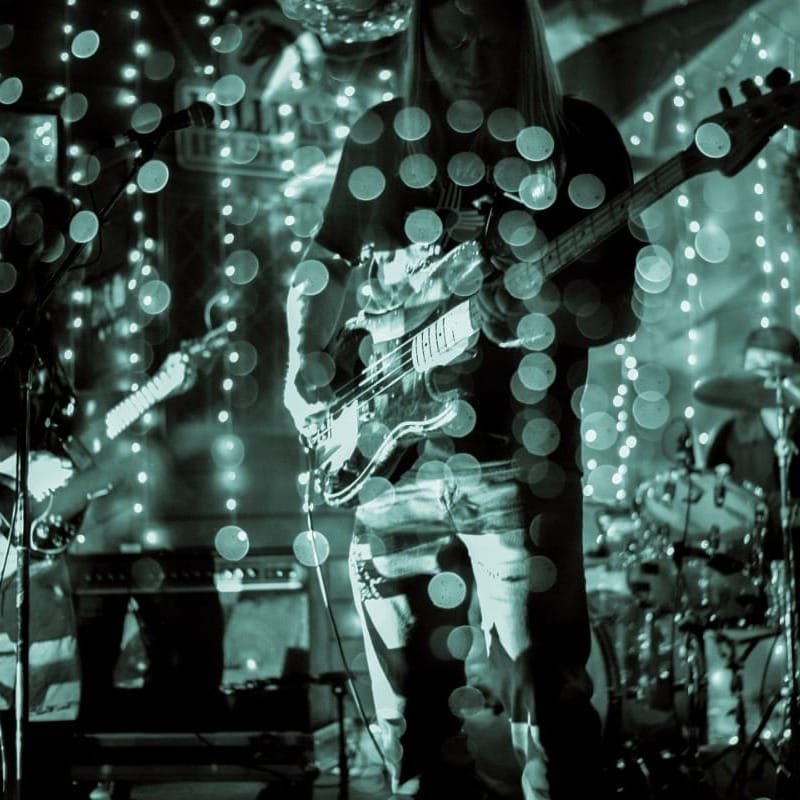
Memory, Melody, and the Post-Rock Vision of Unwed Sailor
Johnathon Ford discusses his band's latest release, 'High Remembrance,' the one-album-a-year discipline that has defined Unwed Sailor's second act, and why the bass guitar is the closest thing he has to a singing voice. Interview by Damien Joyce.
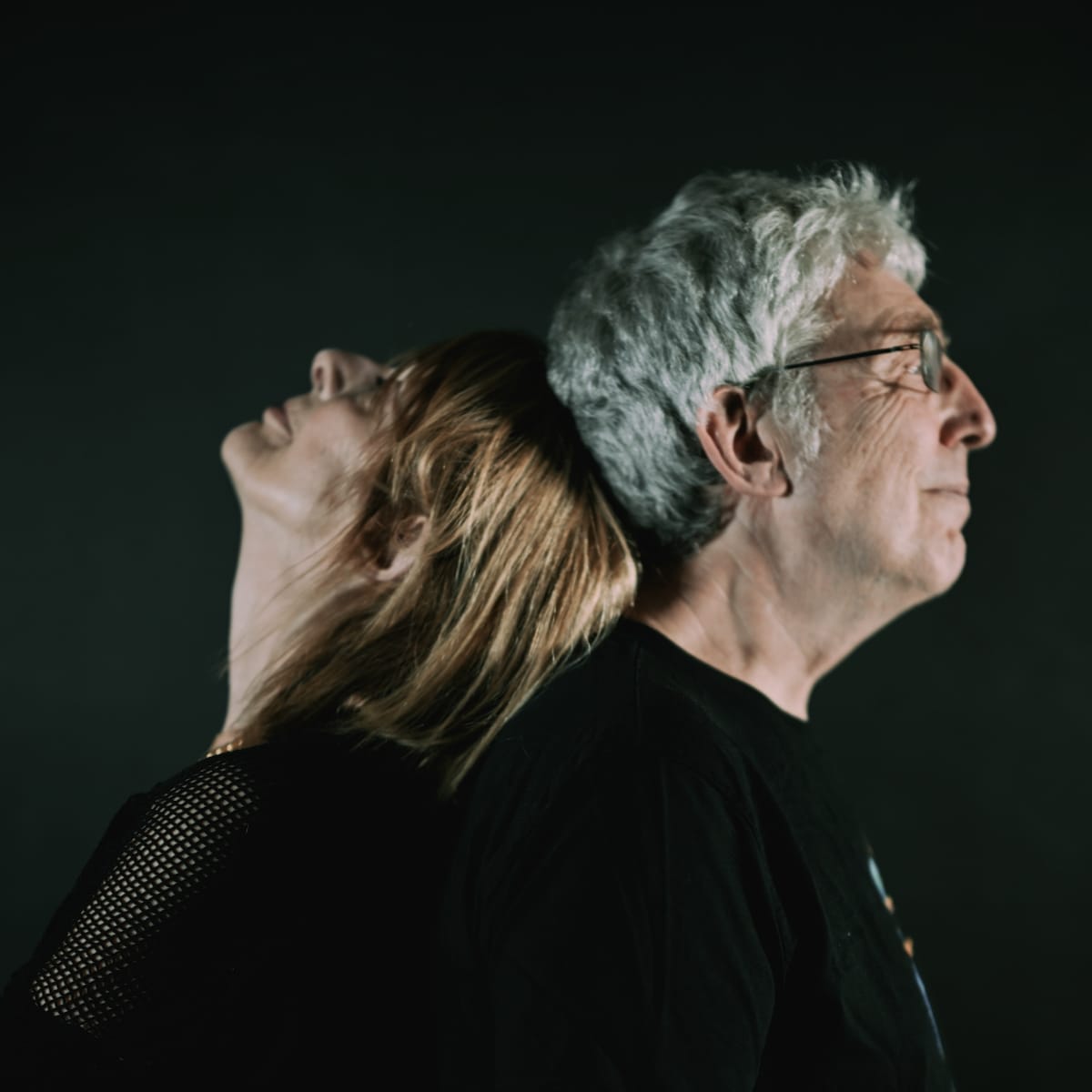
Acid Before House — System 7's 'Flower of Life'
Veterans of Gong's Canterbury-meets-French-freaks psychedelia, Steve Hillage and Miquette Giraudy discuss how forty years of dance music obsession culminates in 'Flower of Life,' System 7's most fully integrated album to date. Interview by Bill Kopp.
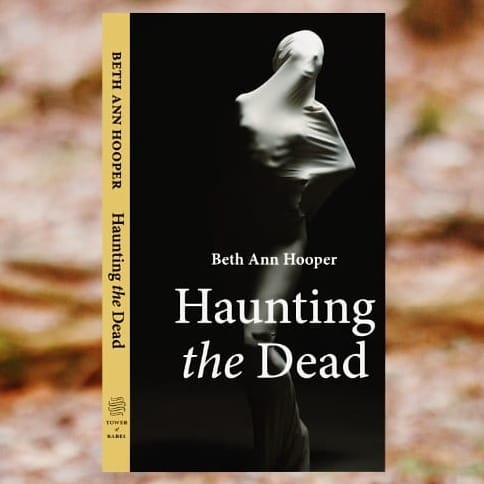
From the Line to the Frame — Beth Ann Hooper's Moving Poetry
Inspired by Werner Herzog's argument that film must evoke the emotion of poetry, Beth Ann Hooper built 'Poetry in Motion Picture' from three poems in her collection 'Haunting the Dead,' pairing each with original symphonic music as the project heads for the festival circuit. Interview by Bill Cooper.
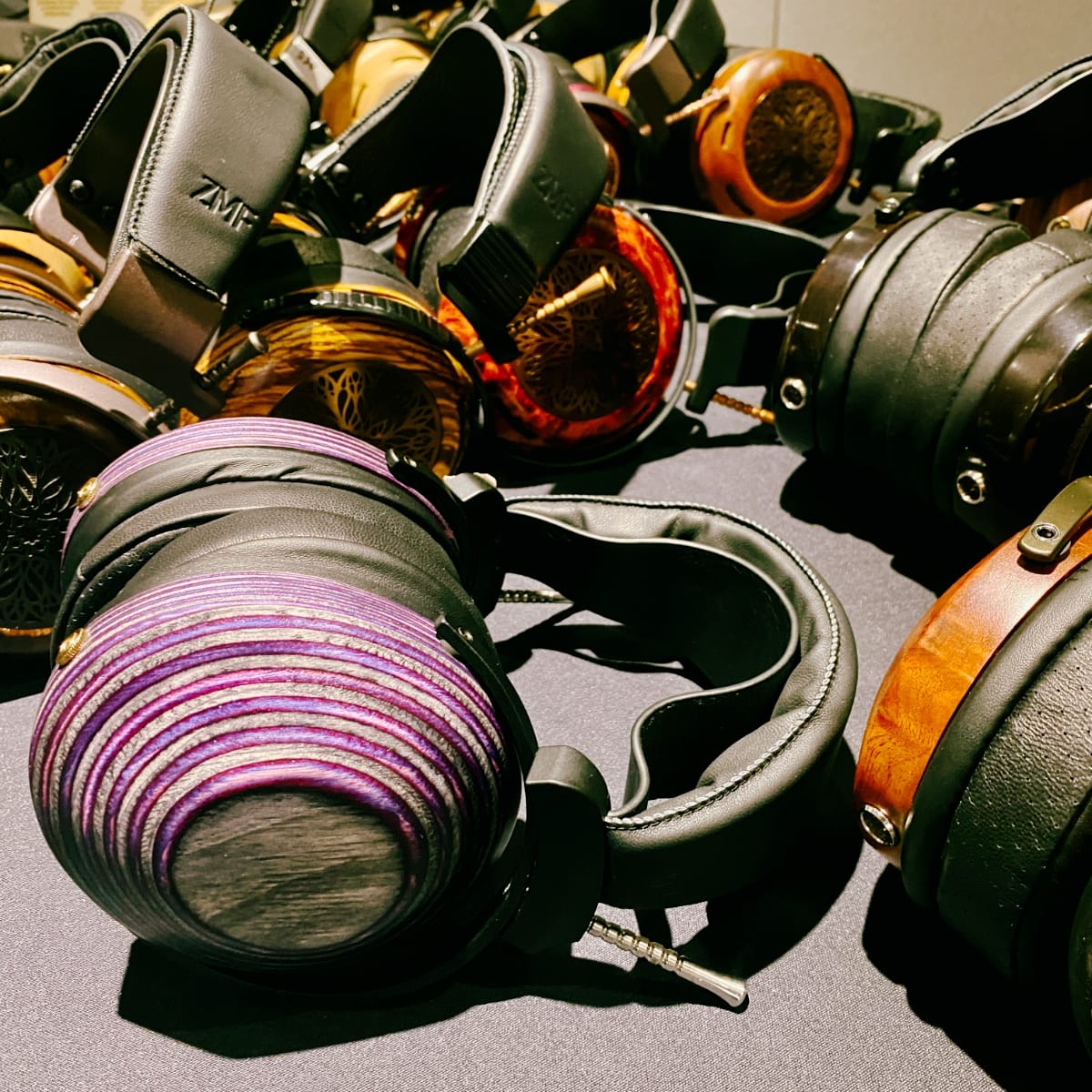
The Act of Reverent Listening
Drawing on Adorno, Satie, and a German headphone company's unusual take on ear-cup geometry, Kallie Marie argues that the rituals we build around listening are a form of cultural self-determination. Essay by Kallie Marie.
This Week's Episode of The Tonearm Podcast:
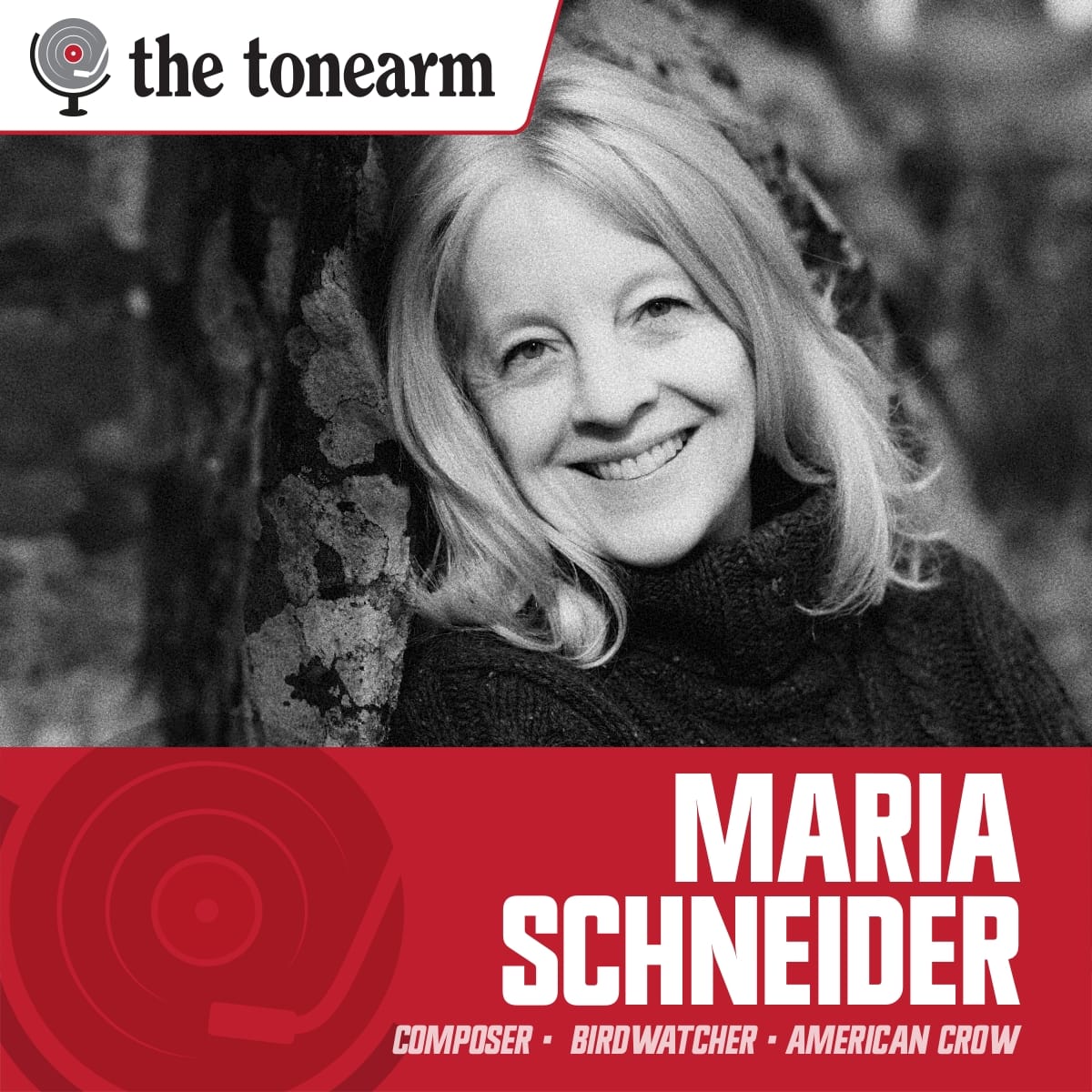
Maria Schneider: Composing in the Age of Curated Rage
Composer, bandleader, birder, and unapologetic alarm-sounder, Maria Schneider brings 'American Crow' to The Tonearm for a conversation about listening as both artistic practice and civic obligation.
Rotations
Lawrence Peryer is on the move, so he wasn't able to write a synopsis of this week's radio show for us. But, not to fear, you can have a listen via our Mixcloud archive and on the show's page on Space 101 FM. As expected, it's another fantastic and diverse selection of tunes. Tune in!

The Hit Parade:
"Ron Carter has amassed a catalog of both side-musician and bandleader work — ranging from jazz to funk to Western classical to gospel, on upright and electric bass — that far exceeds the 2,221 official recording credits recognized by the Guinness Book of World Records." ❋ "What makes [Keith Jarrett] so important is that he is the Johnny Appleseed of free improvisation, bringing a ubiquitous yet commercially/culturally marginal art form in front of a mass audience of general music consumers, one that numbers in the millions." ❋ "The American Legion picketed the museum for a construction built around a crumpled American flag. After someone broke into the museum and tore off the flag, Mr. Herms left the shell of the artwork on display with a note that read, 'Despite this degradation, the forces of creation will go on.'" ❋ "'In June when Israel started bombing Iran, I was listening to this mix that Maral made for NTS,' Moussavi says. 'It’s music that I love and appreciate, and so [in light of the current situation], I have been listening to more Iranian music lately.'" ❋ "We’d go and see weird sort of stuff. We’d go and see strange bands. So for, for a few years we were doing that, but we also were into tape recorders and making sounds and doing music collages. And that was it — that was the evolution of the Cabs." ❋ "If microtonal harmony and triplets mean nothing to you, you’ll hear that these fucked-up fairytales are groovy as hell, sometimes noisy, often enchanting, and that they do fascinating things with dynamics—teasing out euphoric shocks, tension-knotting crescendos, or quietly majestic meditations." ❋ "You can hear U.S. hip-hop and U.K. trip-hop in the drums and pacing, but the materials shift quickly, fragments of city pop, film scores, jazz sides, stray melodies that feel lifted from television or advertising, all cut and reassembled with a light but deliberate touch." ❋ "West Coast punk rock was quite an institution unto itself, and Bambi was the scene girl when it all became new. For reference and scale, she was our Amanda Lepore, our Sophia Lamar, but Bambi didn’t really represent Downtown, club kids, or even modernity. There was a niche and nostalgic magic that she generated." ❋ "He was a sort of eccentric. He smoked a pipe while he recorded. We got there, and then we just started working things out." ❋ "When it comes to punk morals, they are clashing forces. The black-and-white image is stark and minimal, in contrast to the trendy and flashy pink lettering. Yet as the saying goes, opposites attract!" ❋ "The breakbeats are pitched so high, and the sub-bass is pitched so low, it rattles along with this spectral drive. But there’s just a huge space left in the middle of that music. I thought, ‘I could put Tracey’s voice right there.’" ❋ "If you're going to impersonate someone, impersonate Bad Bunny. At least there's money in it. Coming after jazz musicians is the streaming equivalent of breaking into a grocery store to steal the lima beans and liver." ❋ "'The between-song raps are the stuff of legend,' Black Flag frontman Henry Rollins recalled. 'We gave a copy of the tape to Thurston Moore from Sonic Youth who made a 7-inch single of all the between-song-raps, and it is beyond belief, it is so cool.'"
New Music Recommendations: Alabaster DePlume - Dear Children of Our Children, I Knew: Epilogue (RIYL: Improvised ethio-tinged jazz; politically engaged saxophone trios) ❋ Anastasia Kristensen - Bestiarium Sombre (RIYL: Deconstructed techno; footwork and early Warp meeting a fever dream bestiary) ❋ GEORGE — Looking for Consonance (RIYL: Avant-jazz/synth-pop fusion cyber-funk; Knower, L'Rain) ❋ Jake Muir — Pareidolia (RIYL: Ambient electroacoustic, death metal reconstituted as vapor; GAS, Philip Jeck, Jan Jelinek) ❋ JWords — Sound Therapy (RIYL: Jersey Club; percussive minimalism with meditative vocal layers; J Dilla, Nappy Nina, maassai) ❋ Kasper Bjørke Quartet — Passages in Time (RIYL: Cyclical synth patterns beneath acoustic ensemble improvisation; Jan Garbarek, Harold Budd, ECM) ❋ Khôra & Mas Aya — Primordial Mind (RIYL: Fourth world polyrhythmic instrumentals moving between free jazz, dub, raga, and ambient; Don Cherry, Jon Hassell) ❋ "Hello Skinny"
The Deepest Cut:
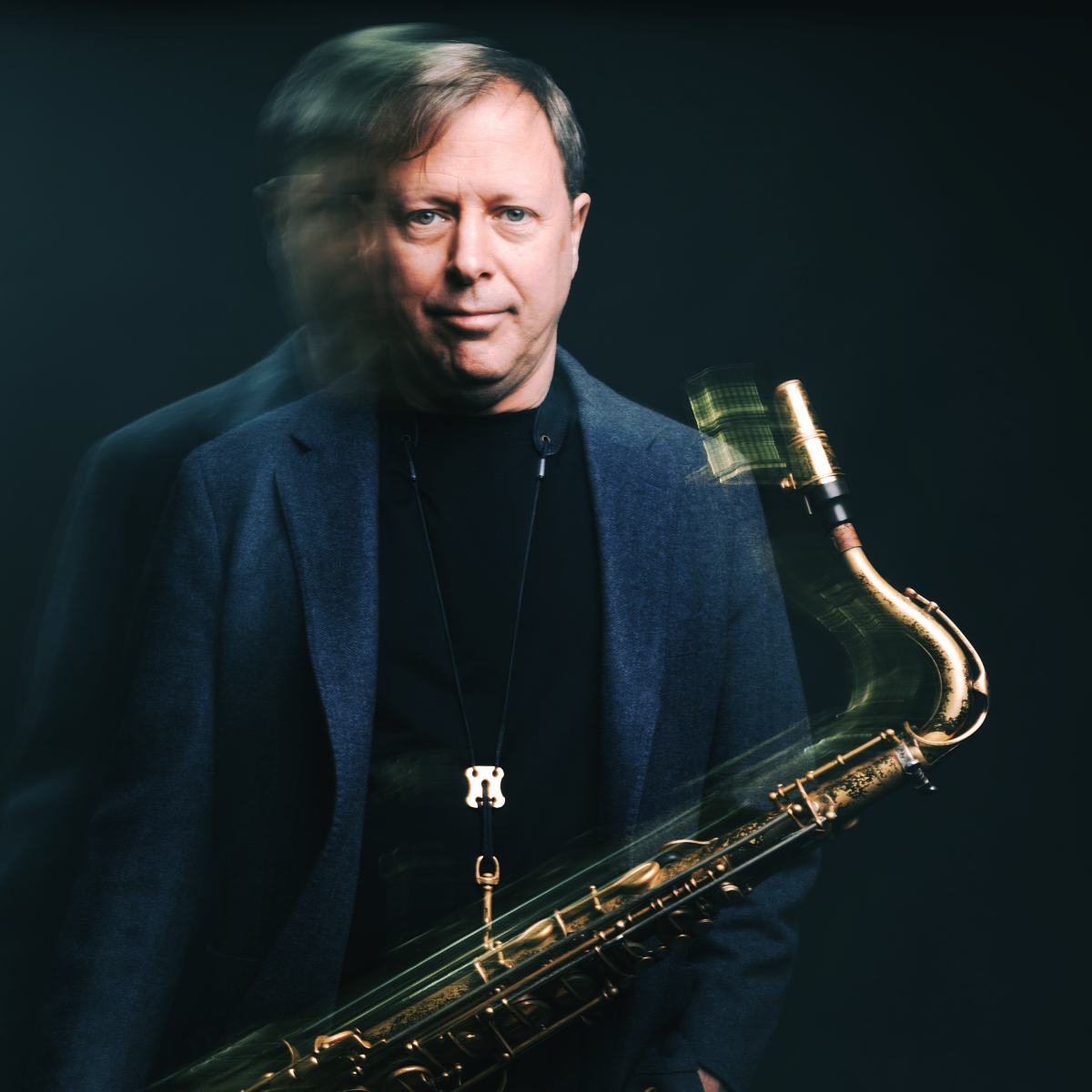
Chris Potter has been playing saxophone professionally since he was thirteen years old. Within a year of moving to New York at eighteen in 1989, he found himself playing alongside bebop veteran Red Rodney, who had played beside Charlie Parker in the 1940s. His phrasing draws from Bird, Lester Young, and Sonny Rollins. Down Beat called him "one of the most studied (and copied) saxophonists on the planet," and he is the youngest musician ever to win Denmark's Jazzpar Prize. He has recorded with Herbie Hancock, Dave Holland, Paul Motian, Jim Hall, John Scofield, Dave Douglas, and Steely Dan, among others. His catalog includes more than 100 sideman appearances and 15 albums as a leader.
Potter's earlier records as a leader, among them Unspoken (1997) and Vertigo (1998), worked within a post-bop framework and pushed the harmonic and rhythmic possibilities of the genre. By 2006, with Underground, he had committed to a bass-less electric quartet built on funk, hip-hop, and free improvisation. The group toured and recorded extensively, and the willingness to commit to a band through sustained years of work together became central to Potter's approach to projects.
Alive With Ghosts Today, out now on Edition Records, is a suite organized around the life and death of John Brown, the abolitionist whose 1859 raid on Harpers Ferry helped set the country on the path to the Civil War. Potter traces Brown's story to examine belief, sacrifice, and the unresolved contradictions in American life. "I wanted to write about something from American history that still feels alive and opens up hard questions about both our past and present," he says. "It felt important to engage with this now. Aaron Copland was definitely in my head." The music draws on blues, folk, and Copland-esque harmony, with a rhythmic pulse rooted in the country's history. The ensemble, assembled to sound like a small-town band with limited resources but deep character, includes Bill Frisell on guitar, Nate Smith on drums, Burniss Travis on bass, Sara Caswell on violin, Rane Moore on clarinet, and Zekkereya El-Magharbel on trombone. Frisell's guitar carries the warmth Potter had in mind while writing, and Caswell's violin shifts between formal precision and the rougher grain of American fiddle tradition.
Lawrence Peryer sent an email to Chris Potter to ask about the new album, what drew Potter to the story of John Brown, and, as we are wont to do, something he loves that more people should know about.
I try to think compositionally when I improvise; to me, composition and improvisation are two sides of the same creative process. When I'm composing, especially for a slightly larger ensemble such as the one on Alive With Ghosts Today, I can create the piece’s structure from beginning to end. I enjoy this very much; it gives me a larger palette to explore than just the saxophone. At the same time, I try to give room for the individual voices of the ensemble to shape the music, and not be a slave to my own original conception of the piece. I feel that this is an important facet of the magic of jazz music, that a master composer such as Duke Ellington could create a much more complex and interesting musical tapestry by employing the strengths of the musicians in his orchestra. At the end of the day, I'm hoping to create compelling stories through music using whatever way works. That is the goal.
For Alive With Ghosts Today, I had in mind an epic American sound, and I was looking for a story to use, one that would hopefully also resonate in the present. The story of John Brown and his followers seems almost mythical or biblical; it's hard to imagine how much conviction and drive these people must have had to follow through with this audacious plan. They attempted to overthrow the entire system of slavery with only a few people and a few guns. Of course, in the short term, they failed, but in the long term, they hastened the end of this horrible system at an enormous, tragic cost. It seems like an important story to meditate on, in order to reckon with what it means to be an American.
The unusual instrumentation of this album was a spur to creativity. It reflects the meaning of the story of the Raid, of trying to build something beautiful using essentially spare parts. I've always been a huge admirer of Bill Frisell, and I'm very grateful that he participated. I knew that his spacious, uniquely American sound and his generous spirit would be a major key to the ensemble's identity. Also, I was thrilled to work with Nate Smith again. We have played a ton together, but it's been years since we recorded together, and his giant sense of groove was also key. I can't say enough how much I enjoyed working with all the members of the ensemble; everybody came together with such giving spirits and incredible musicianship, and it was a very gratifying experience in every way.
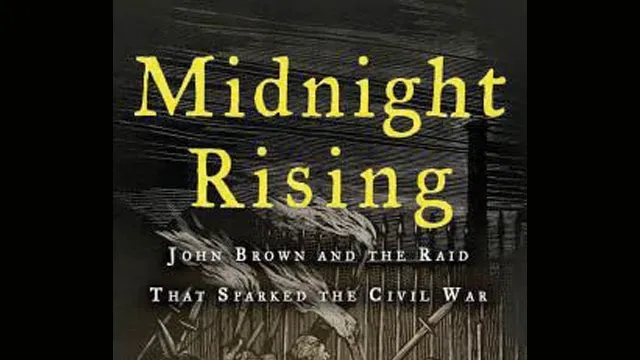
Here's something Chris Potter loves that he'd like us to know about:
In regards to the present album, I would encourage people to read Tony Horwitz's book Midnight Rising, which tells the story of John Brown's Raid in vivid fashion. It was the major source material I used for this piece. Other than that, I'm not sure where to begin. There's such a huge world of amazingness out there to explore! First thing off the top of my head, perhaps because I mentioned Duke Ellington earlier: Such Sweet Thunder, an album by Duke and his orchestra exploring Shakespearean themes, it's an incredible musical statement, one of many high-water marks of his career.
Run-Out Groove:
- The Tonearm is a reader-supported publication, free of advertising and paywalls. Our supporters help fund our writers and make the site possible. Please consider joining and helping us to continue our mission.
- Join the rapscallions of The Tonearm on our new Slack community.
- Sign up to receive our latest articles directly to your inbox in a snazzy, easy-to-read email version. Just go to your account, manage your email preferences, and flick the lever to receive The Total Tonerm.
- The easiest and best way you can help us? Please share this newsletter and our stories with your friends.
Thank you for reading! We'll see you again next week. 🚀


Comments