


Detroit, Michigan's Strata Records doesn't have the household-name status of iconic labels like Blue Note and Impulse!, but what it lacks in that, it more than makes up for in legend. With only six albums released during the label’s original mid-seventies run before its closure, financial problems and a lack of distribution meant its records weren’t widely heard outside Detroit at the time.
Over the decades, dedicated crate diggers and jazz fans have discovered its small but brilliant catalog, hipping friends and fellow DJs to the musical gold and brilliance within. Legendary DJ and artist Amir Abdullah first discovered the label through a friend who played him a Strata album, and within a few years, he would dig deeper into the label’s story, its artists, and the man who made it all happen. This culminated in a trip to Detroit, upon which he struck a deal to purchase the Strata label masters from the founder's widow.
Fifteen years and dozens of releases later, DJ Amir has breathed new life into the mighty Strata label through his 180 Proof Records, distributed worldwide by BBE.
I sat down with DJ Amir to learn the true history of the Strata label, its place in Detroit’s underground music scene in the seventies, and how Amir has successfully brought the label into the twenty-first century.

Chaim: How did you first discover the Strata Records label?
DJ Amir: A friend of mine originally from London, who'd moved to Oakland happened to be in New York visiting and he had a copy of the Lyman Woodard Organization album, and he was selling them for five dollars, because he used to work at this record store, Groove Yard in Oakland that was a distributor for Strata back in the day and had a bunch of sealed stock leftover. This was around 1995. I'd never heard of the label before, but that album cover just drew me in. Once I heard it, it became this amazing record to me.
Later on, when I was the label manager at Wax Poetics, I told them one of the first things I wanted to do was properly reissue the album. It had been bootlegged horribly and needed to be reissued right. I went to my friend DJ House Shoes at Wax Poetics; he was a childhood friend of J Dilla and knew great records. I told him I'd been hearing rumors that Lyman was dead, the masters are gone, all this stuff. And he was like, “Nah, man; I know Lyman's son, I'll give you his number." I called his son, Lyman Jr., up and got to talk with his father on the phone. I told him I would come to Detroit and take him to his favorite restaurant and convince him to let us properly reissue his album, let Wax Poetics do it right. Nobody had approached him before. And I asked Lyman Woodard what happened to all those other records advertised on the back cover of the [original Strata] album. Where are they? And he said that those never came out. The label went out of business.
He put me in touch with Barbara Cox, the wife of the label's founder, Kenny Cox, and that's pretty much where things started for Strata and me. I went out to Detroit to meet with Barbara and purchase the label from her. Which meant acquiring all the masters, as well as masters of stuff that never came out. Kenny recorded a lot of music with other artists. I also got the multi-tracks, but not for every album; she didn't have them all. I remember taking the Amtrak back from Detroit with the first twenty masters. This was in 2012.
Chaim: There's certainly a mystique with Strata because it released just a few albums, particularly compared with namesake Strata-East.
Amir: I think Strata-East is a little more well-known because they did records with some really well-known jazz artists, like the Heath Brothers and Gil Scott-Heron. They did lots of different things. Everyone who asked me at first about Strata wanted to know who was big on the label. Well, none of them! But it's not about being big, it's about being good.
Chaim: Exactly. You really have to be a crate digger to know these artists. Strata-East has also released many more titles than Strata did in its original run.
Amir: It's also important to mention that Strata-East was based in New York, which has always had many jazz musicians. You can make more money in the jazz clubs in NYC—you were gigging more. This is what artists have told me over the years. But Strata, being based in Detroit, was really nurturing its own scene.
Chaim: How did Strata originate?
Amir: Kenny Cox was a member of the Contemporary Jazz Quintet, who recorded for Blue Note Records. They released two albums of their music in 1968 and '70. The group left the label because [jazz musician] Duke Pearson, who was the A&R rep for Blue Note, got into a huge disagreement with the Quintet. He wanted them to record more straight-ahead jazz, and they wanted to experiment. I have a scan of the letter Kenny sent Duke saying all this.
Chaim: That's fascinating. Particularly, having the documentation.
Amir: It is. Kenny was a well-known pianist from Detroit; a lot of people in the jazz world knew who he was. So, he decided to get together with saxophonist Larry Nozero, Lyman Woodard, and a bunch of other musicians and just say, “Hey, we need to have something for ourselves." It was kind of in a similar vein as another Detroit jazz record label, Tribe. It's also important to note that these guys all played together; they knew one another. Before the label even started, they opened the Strata Concert Gallery, where they brought artists like Charles Mingus, Herbie Hancock, Ornette Coleman, Weather Report, you name it, in this tiny space that fits maybe seventy people. But they were building a jazz community.
Chaim: Which is incredibly important and now, a much more common thing, where you have organic jazz music scenes in villages and cities across the globe. But much more difficult in the pre-Internet age of the seventies.
Amir: Yes. They wanted to be self-sufficient. An artist-run label for artists. And having an event space where they could display their talent and invite out-of-town artists to perform was a unique situation. And most people don't even know that Strata Records started the initial jazz music program at Oberlin College in 1970.
Chaim: No other record label was thinking like this then. But the history of Detroit independent record labels had to have influenced Kenny; Motown being the biggest of them all to originate locally.
Amir: Indeed! A lot of the Strata musicians were Motown session musicians, like Larry Nozero, Sam Sanders, and even Lyman Woodard, who was the music director for Martha Reeves and the Vandellas. They all played on a lot of those records.
Chaim: What kind of promotion was Kenny Cox doing to get Strata out into the world?
Amir: A little bit of promotion. Word definitely went around in certain circles. I went to Brandeis University in Boston, and we had an amazing record library. Whoever the program director [at the radio station] was, he was into every small jazz label of the era, and many were assigned to him. So there were clearly some sort of paper lists sent to jazz radio DJs to get play for independent record labels. Strata was absolutely doing word of mouth, literally selling records out of the trunk of their car.
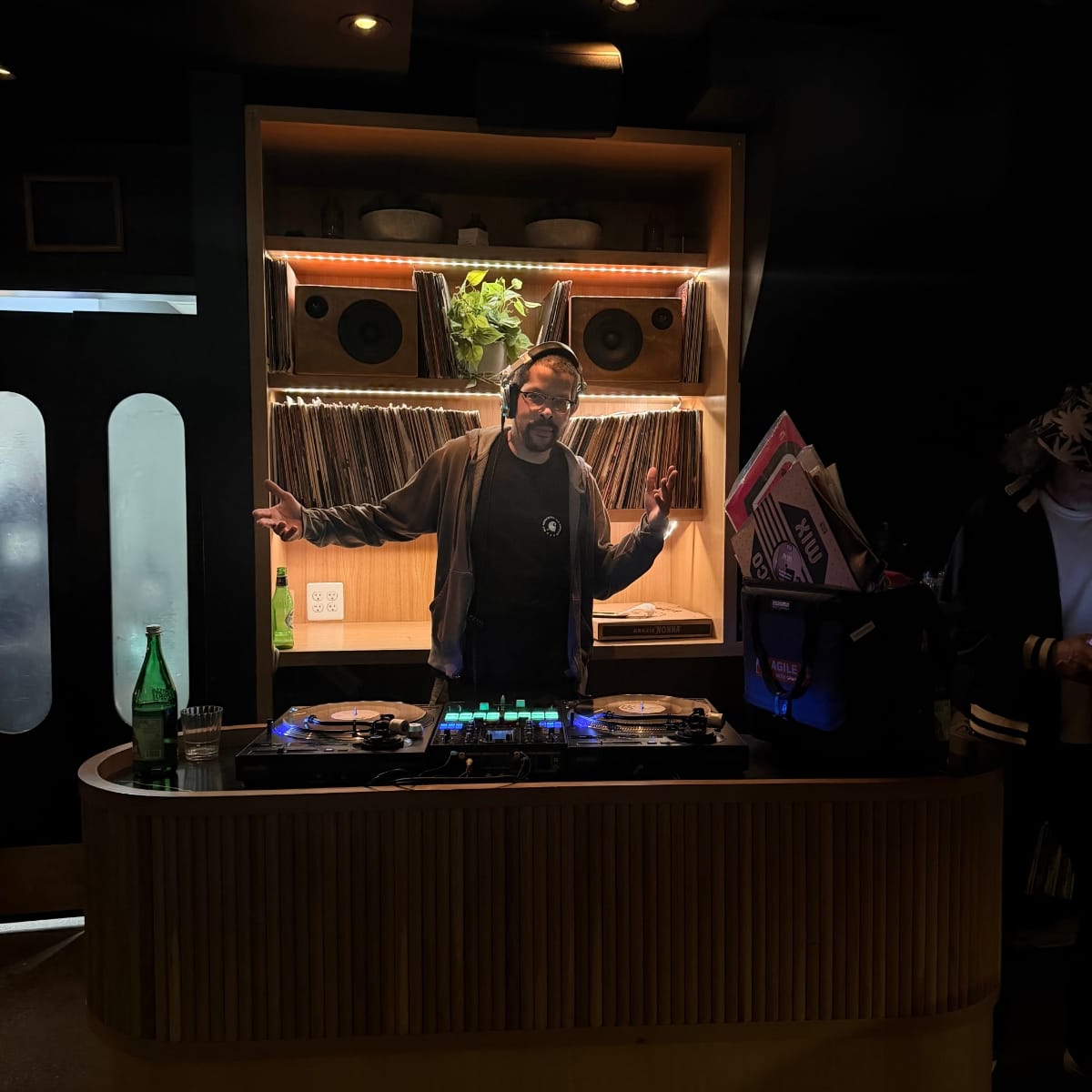
Chaim: What place did Strata play in the Detroit underground music and culture scenes of the sixties and seventies?
Amir: It was incredibly central. John Sinclair, a legendary radio DJ and manager of the MC5, was very supportive of Strata. He was their art director. And he had connections to figures like John Lennon and Yoko Ono, who in turn were generous supporters. The Mellotron you hear on the Strata records, that came from John Lennon to Sinclair, who gave it to Strata. Lennon also donated a Hammond B-3 organ and a studio van, which were used by Strata artists.
Chaim: The connections within the underground rock culture scene between Sinclair and Strata are fascinating.
Amir: There was definitely support there between the two groups. Then there are little bits of knowledge that I love to surprise people with, like the fact that Larry Nozero plays the horn riff on Marvin Gaye's "What's Goin' On."
Chaim: I love those connections and the linking factors between all the different musical things happening in Detroit at the time. Why didn't Kenny Cox try to get wider distribution for the label, as other jazz labels were doing similar things at the time?
Amir: Well, I'm not really sure, but I do know he wanted to start a Strata extension of the label in Asia. He was talking to someone because I’ve talked with some older guys in Japan who heard about Kenny coming there to do a Strata Asia label. But that never happened.
Keep The Tonearm free.
We publish without advertising or paywalls.
Reader support makes that possible.
Chaim: How did the label wind up closing its doors?
Amir: Well, one issue was record distributors not paying up. That's still an issue; I know from experience. The second thing that happened was that President Lyndon B. Johnson created a loan program for minority businesses to help them get off the ground. When I spoke with Barbara Cox, she told me that Kenny applied for it. The deal at the time was that whatever monies you ask the government for, you have to match at least half of that on your own. So, Kenny went around trying to do just that. He went out to Los Angeles to try to get money. He also tried to mentor other artists, such as Charles Tolliver and Stanley Cowell, who started Strata-East in New York, and Horace Tapscott, who was starting Nimbus.
Kenny was in L.A., meeting with Horace, when he got the news from Barbara that the government didn't approve his loan. He was literally banking on that. And without that, the label just folded. This was in 1975.
Chaim: Even then, his generous side really shows through. By mentoring these fellow musicians looking to start labels, he was indirectly helping set up the next generation of independent jazz labels run by artists.
Amir: Yeah. They kind of picked up where he left off. But Kenny never tried starting another label. He was a shell of a man after Strata folded because he lost a lot of money. The label’s whole falling apart really disillusioned him.
Chaim: The public doesn't know any of this at the time. They just know that one day, they can get a record in the store, and the next, they can't.
Let's look at the individual releases on the label, starting with its first album, 1973's The Contemporary Jazz Quintet - Location.
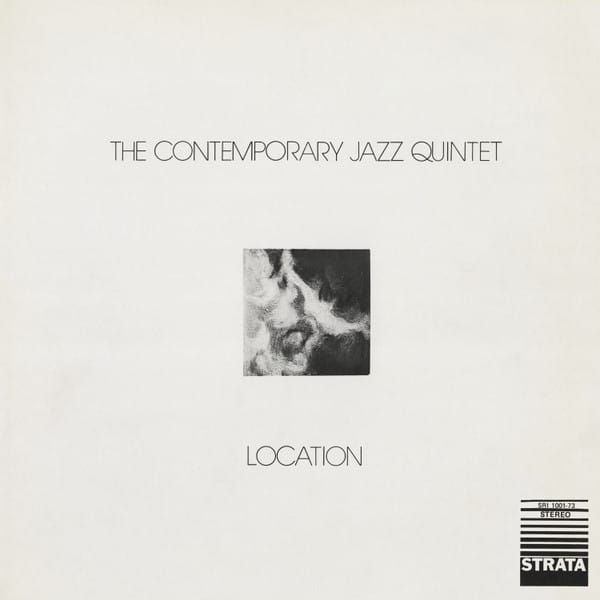
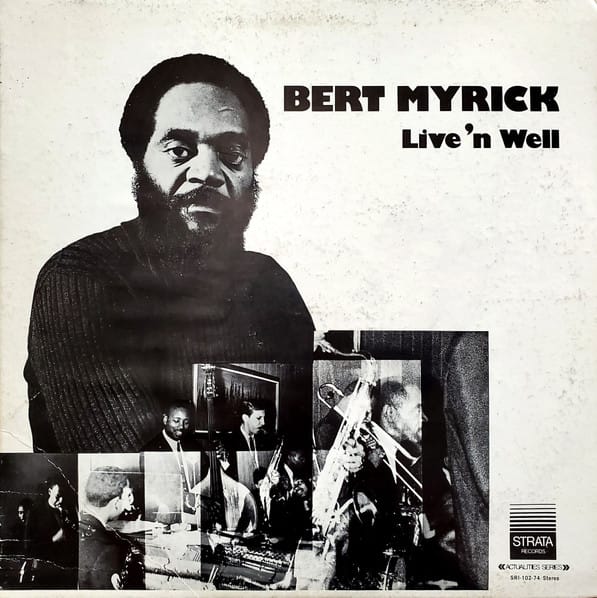
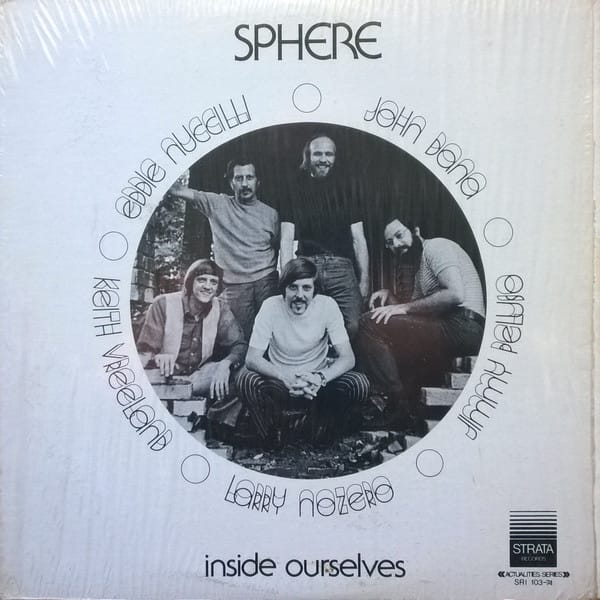
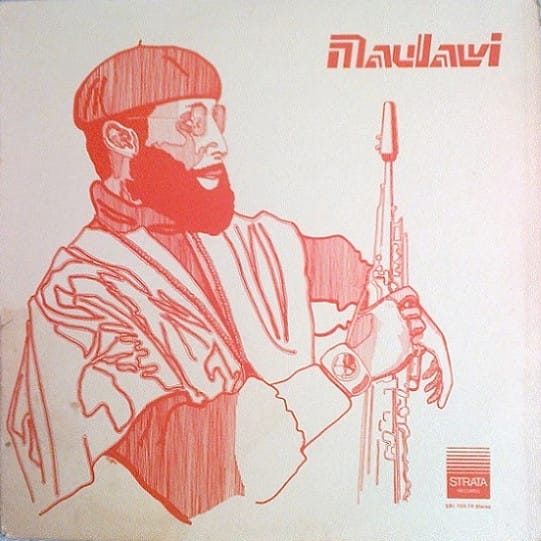
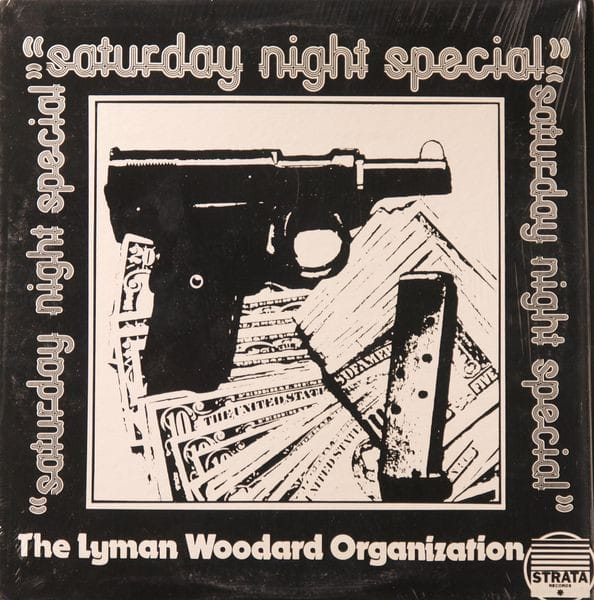
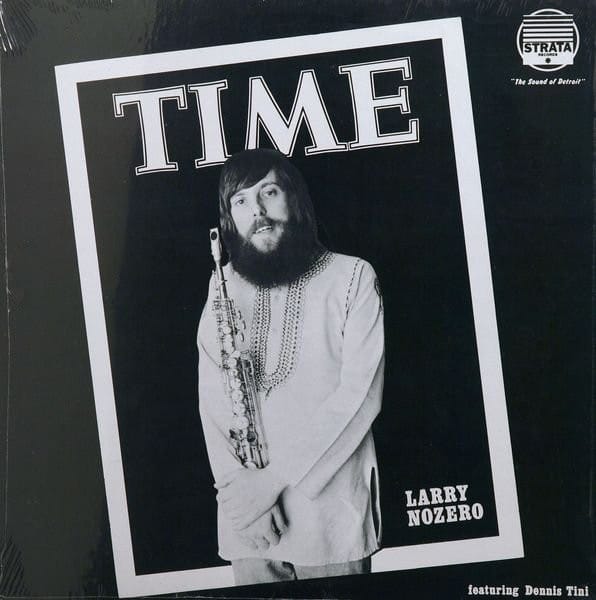
The original Strata Records discography.
Amir: I think that was always going to be the first release on the label, because it had been rejected by Blue Note. They were going to turn it in originally to them, but the label turned it down.
Chaim: It was too out-there for Blue Note.
Amir: Yeah, the album is out there, but I love it for that fact.
Chaim: The second album on the label is 1974's Bert Myrick - Live'n Well.
Amir: That was actually recorded live in 1965, but only released ten years after the fact. I'm not really sure why Kenny chose that as the second one.
Chaim: Sphere - Inside Ourselves came out after. It’s the third release on the label.
Amir: That's another live performance, featuring Larry Nozero on saxophone. It's a very modal jazz record, which was something Kenny was really into. He liked to try different things. That's one of my personal favorite releases on Strata. My two favorite tracks on there are "Alicia" and "Where." They are very intense modal jazz.
Chaim: Were a lot of artists from around the country submitting recordings for release, or was Kenny Cox just releasing music by artists he dug?
Amir: Well, most of the releases were artists from Detroit, except for Maulawi, the fourth album on Strata. He was from Chicago; Charles Moore introduced Kenny to Maulawi, which is how he wound up on the label. Guys like Lyman and Kenny, though, were already legends in the Detroit jazz scene. Joe Henderson's brother Leon was also in the Contemporary Jazz Quintet. Everybody just knew each other.
Chaim: Speaking of Lyman Woodard, perhaps the label's most well-known release is Saturday Night Special.
Amir: The story behind that album cover is that it was shot by Lani Sinclair, John's wife. She was originally from East Prussia. She escaped in 1956 and emigrated to Detroit. Her most famous photograph has to be the one she took of Fela Kuti, where he's got his hands up, and there are two white stripes on his chest.
Anyway, she took the photograph on the cover of the Lyman Woodard Organization album. After one of his shows, she went up to Lyman's hotel room, watched him empty his pockets onto the bed, and just took the shot. That's how the cover came about. I asked her years later if she ever thought it would become such an iconic image. She said no!
Chaim: The last album released on the label is Larry Nozero's Time. But I noticed a gap in the catalog numbers. Were they planning other releases on Strata?
Amir: They were, but they didn't come out. One would've been Ron English's Fish Feet; another was Kenny Cox's Clap Clap! The Joyful Noise.
Chaim: Fifteen years later, and you are still finding both unreleased music as well as reworking Strata classics into new music for your label. Are there more surprises in the pipeline?
Amir: There are a few unreleased things left to come out. I've also been working on a Strata documentary. Back in 2012, this car company, Scion, paid a crew and me to go out to Detroit and interview Barbara, John, Leni Sinclair, and Ron English about Strata, for this museum they were putting together. We did some great interviews, but Scion has since folded, and the footage is in limbo. That, and like everything, it takes funding to make a film happen. With many projects, that's tough.
Chaim: More than anything, you've made the Strata catalog available again, making it affordable for crate diggers and fans of great music to discover the label. You've also collaborated with Jazzanova on reworking Strata music for a new generation.
Amir: I really wanted to introduce a newer, younger audience to Strata, which Jazzanova absolutely did. And they're huge record collectors and love music. When I DJ, I'll find these twenty-somethings coming up and telling me how much they love what I've done with Strata. It's incredibly fulfilling and gives me hope that music has that kind of reach.
Check out more like this:
 Bill Kopp
 Bill Kopp


Comments