


Now Playing on The Tonearm:
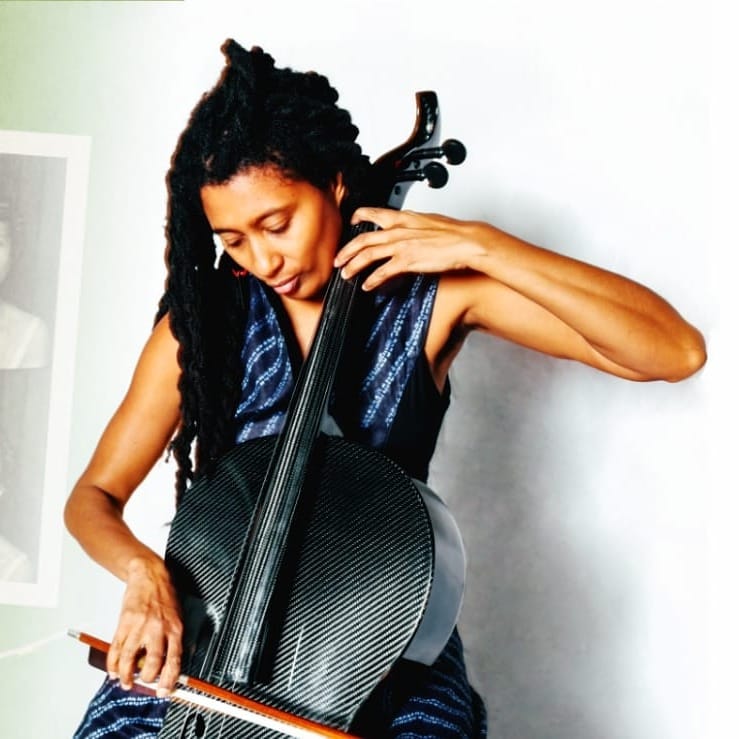
Tomeka Reid's Low End Theory
The cellist reflects on twelve years with her quartet, the making of their fourth album, 'dance! skip! hop!', a family archive of Black life in Wyoming, and the two figures named CeCe who bookend her path in jazz. Interview by Lawrence Peryer.
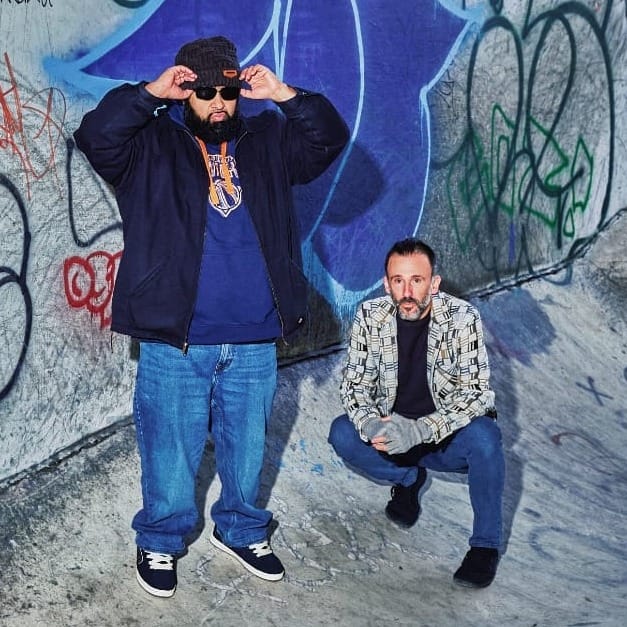
Fury Built to Last — Dälek's Politics of Noise
Newark noise-rap duo Dälek discuss the stripped-down political fury of their tenth album 'Brilliance of a Falling Moon,' their full-circle collaboration with This Heat's Charles Hayward, and thirty years of creative freedom maintained on their own terms. Interview by khagan aslanov.

'Piano Decompositions' and the Politics of Instruments in Decay
Heidi Hart and Beate Schirrmacher's 'Piano Decompositions' follows Annea Lockwood's Piano Transplants into an argument about ecological crisis, political control, and why a burning instrument unsettles us in ways a burning forest does not. Interview by Carolyn Zaldivar Snow.
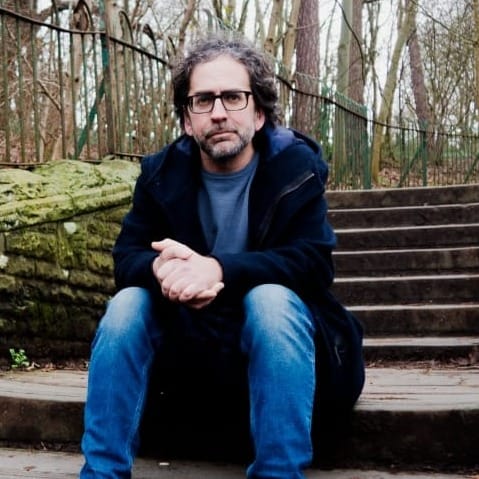
The Mud and the Melody — Billy Fuller's 'Fragments'
The founding member of Beak> and longtime collaborator to Portishead, Massive Attack, and Robert Plant discusses the bass-first compositions and private creative philosophy behind 'Fragments,' a debut solo album assembled from nearly a decade of home recordings. Interview by Bill Kopp.
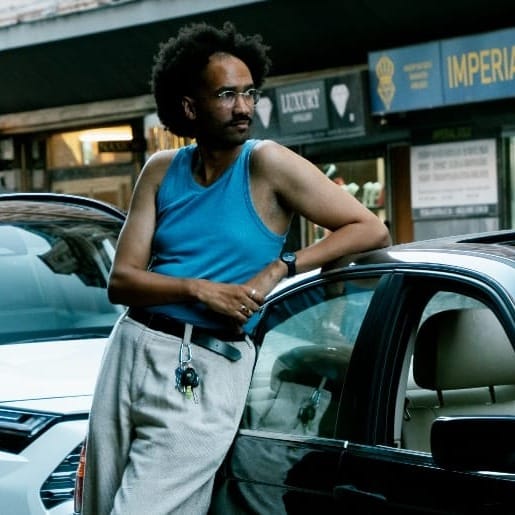
From Antwerp, With Reservations — Youniss's 'Good Effort!'
On 'Good Effort!', Youniss turns the city into subject matter, drawing on Burial's London, a shuttered Antwerp venue, and a revolving cast of collaborators to make the most outward-looking record of his career. Interview by Mariam Abdel-Razek.
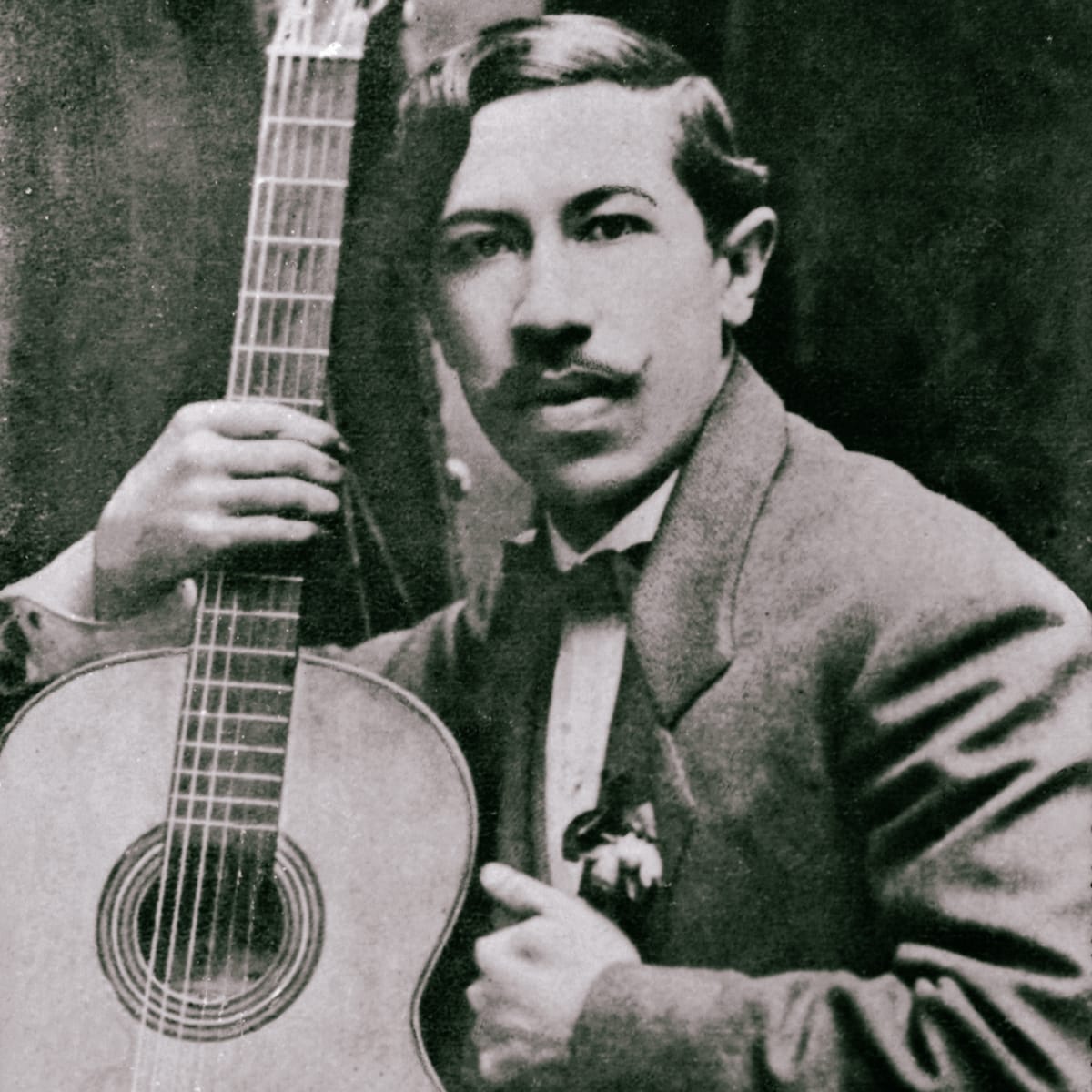
The Strange Afterlife of Agustín Barrios-Mangoré
Elsa Monteith relates how Agustín Barrios-Mangoré's story runs through Paraguay's post-war reckoning, the politics of the classical guitar canon, a persona borrowed from a Guaraní chief, and a death under suspicious circumstances. Essay by Elsa Monteith.
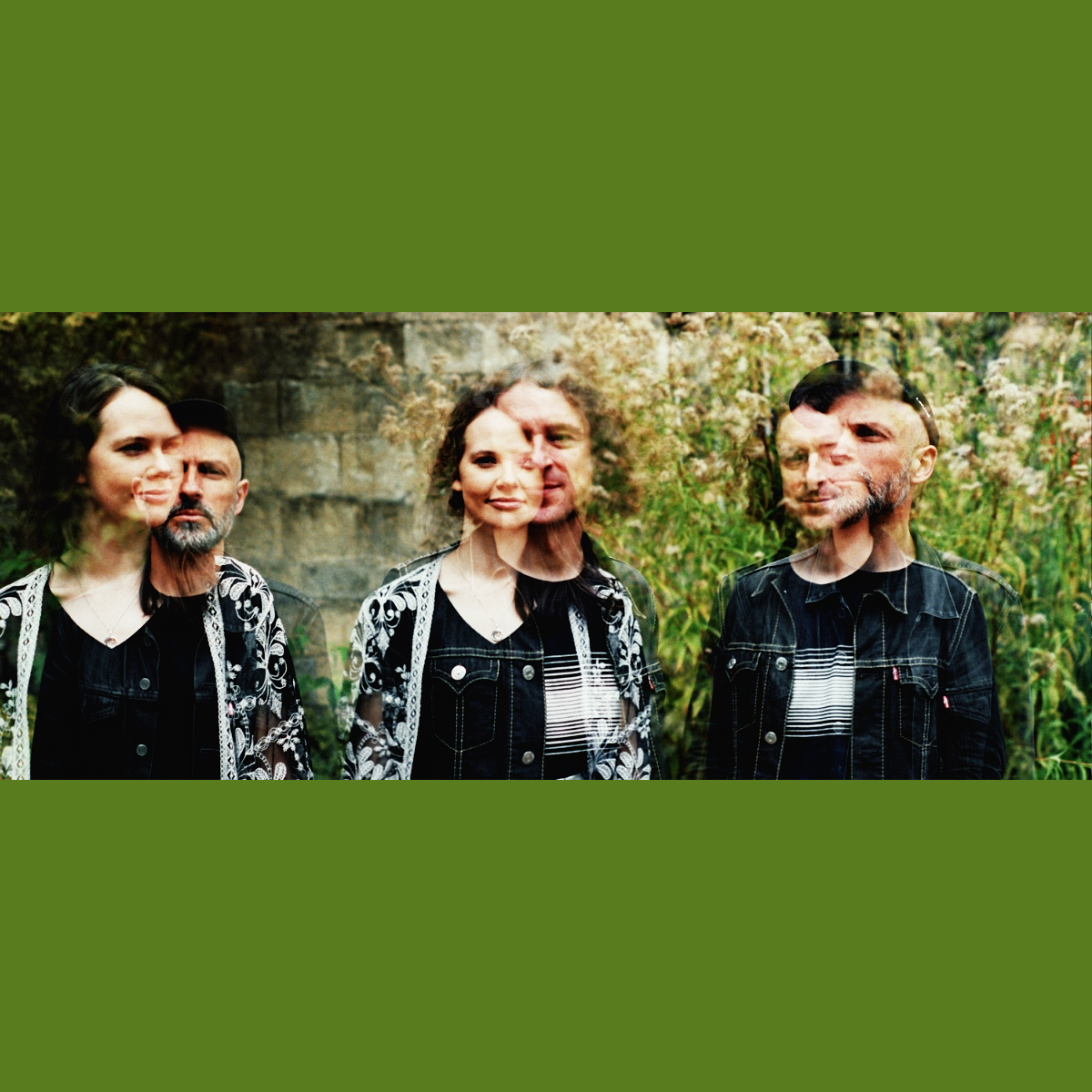
This Week's Episode of The Tonearm Podcast:
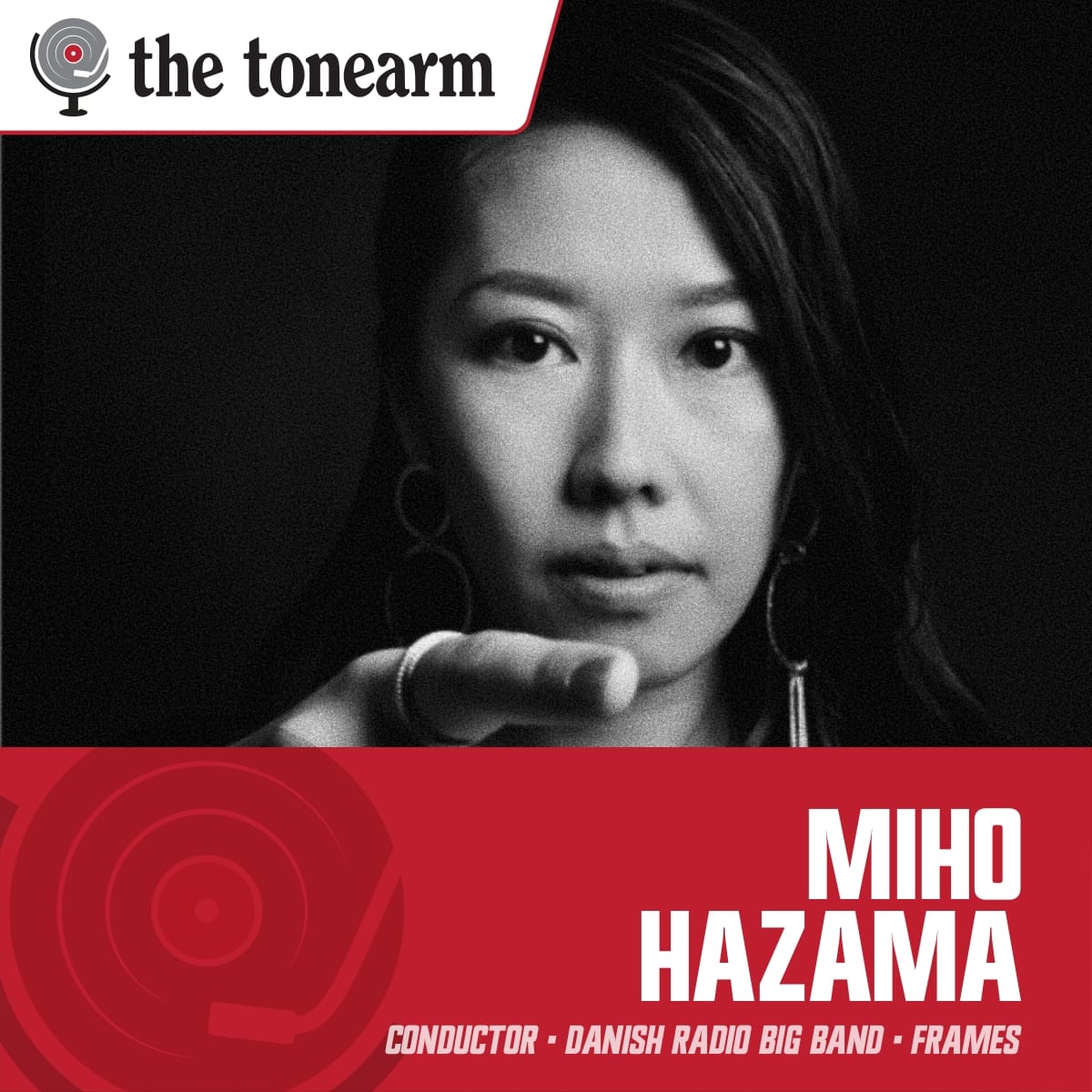
Miho Hazama: The Conductor Who Leads with Love
The Grammy-nominated composer and chief conductor of the Danish Radio Big Band discusses her new album Frames, the death of her mentor Jim McNeely, and why love is the only honest reason to make music.
Rotations
LP keeps things rotating on The Tonearm's official radio show:
This week's Rotations marks the 127th birth anniversary of Duke Ellington with an inquiry into the final fifteen years of his career. Those were the years of surprising, searching work that tends to get overlooked in favor of other, more famous recordings. Close your eyes and listen without the name attached. You might be surprised.
Opening and closing sets frame the Ellington material: in the first, you'll hear a handful of contemporary voices, including Sham, George Jackson, Shai Maestro, Pino Palladino & Blake Mills, Pascal Comelade, and Jaron Camp. The final set features this week’s guest on The Tonearm Podcast, Miho Hazama, and a rare piece from Arthur Russell.
Next week's episode (airing Tuesday, April 28 at 11 PM PT) is being produced on the Big Island of Hawaii, where I will be visiting. I am compiling a set of materials in which each track connects to the region: made in Hawaii, recorded in Hawaii, or inspired by Hawaii. I am not going to neglect the mid-century exotica and lounge but am most excited to share some gems from Hawaii's early New Age and electronic music scene. I can't wait to air it.
New episodes, including the two most recent, are available on our show page on the SPACE 101.1FM website and archived on Mixcloud.

The Hit Parade:
"If you can play this music for an audience that probably barely knows Mozart outside of Amadeus, and get that reaction, THERE IS NO SUCH THING AS DIFFICULT MUSIC, and there is no excuse, ever, for not putting out-of-the-ordinary experiences in front of audience, with confidence." ❋ ”As [Michael] Harrison assisted with about 50 iterations of the work — sitting beside [La Monte ] Young at his Bösendorfer grand, sometimes spending multiple days tweaking a single chord — the immersion in the idiosyncratic tuning reshaped his conceptions of harmony and time." ❋ "I saw a Mickey Mouse T-shirt with a big daisy on it. It just looked great, and I was like, ‘How could I incorporate something [like that] into what we’re doing? What could ‘daisy’ mean and be really cool?'" ❋ "I had been so worried about screwing up the changes on any given gig that even when I played with singers, I wasn’t really listening to the melody or the words. I was watching the piano player. Or the guitarist. So I asked Ray who I should start with. He said, 'Nat, Ella… and Frank.'" ❋ "In the wake of the storm, [music] became a way to rebuild and reconnect, and from London to Kingston, club nights turned into fundraisers and sound systems into lifelines, its familiar rhythm something to return to when everything else felt uncertain.” ❋ "When I feel someone tapping me on the shoulder at 5.00 am in the airport and asking, jokingly, why I wasn’t at work to meet my next deadline, can it have been a surprise that it was Dave Douglas himself?" ❋ "Shitty roads, shitty hotel rooms, shitty food, shitty promoters who begrudged them shitty dressing rooms and shittier sound systems. All for a shitty forty pounds a day." ❋ "I’m thinking so much about how much stuff young jazz musicians — or, regardless of age, emerging jazz musicians — have to deal with. Musicians are being tasked with doing the impossible." ❋ "Experimental composer Annea Lockwood swipes a hand across its exposed strings and beams at the metallic clang. 'Great piano!' she says, inviting other musicians and the audience to make their own strange noises by scratching and tapping it with garden debris." ❋ "It seems that every time I had the opportunity to make the right career choice, I made the wrong career choice, which in the long run turned out to be the right artistic choice." ❋ "The mic broke down every few minutes while a frantic sound guy fought to fix it. None of that mattered. We all loved it; we loved that we could enjoy this music with what really felt like a community. We were moshing to death metal in Morocco with no fear." ❋ "It’s sort of fitting not to get a playlist from [Peter] Saville; it feels a bit pedestrian. I don’t like the idea of him fussing over anything too much, or, as Adam said when I told him what I got, 'Can I actually imagine Peter listening to music?' I can’t, to be honest." ❋ Bob Dylan fridge magnet memo pad.
New Music Recommendations: Harrington/Jaffe/Shiroishi — Making Colors (RIYL: Pharoah Sanders meeting Fennesz in a room with a drum kit and no exits) ❋ Keith Carne – Magenta Light (RIYL: Indie-pop with jazz and electronic influences; droney atmospherics threaded through Madchester-influenced groove pop) ❋ Paulo Almeida – Love in Motion (RIYL: Contemporary jazz with Brazilian roots; Hermeto Pascoal, Paul Motian) ❋ WEB WEB — Kover Kover (RIYL: Fluid, genre-agnostic acoustic jazz covers of Grace Jones, Joe Jackson, Kruder & Dorfmeister, and others)
The Deepest Cut:
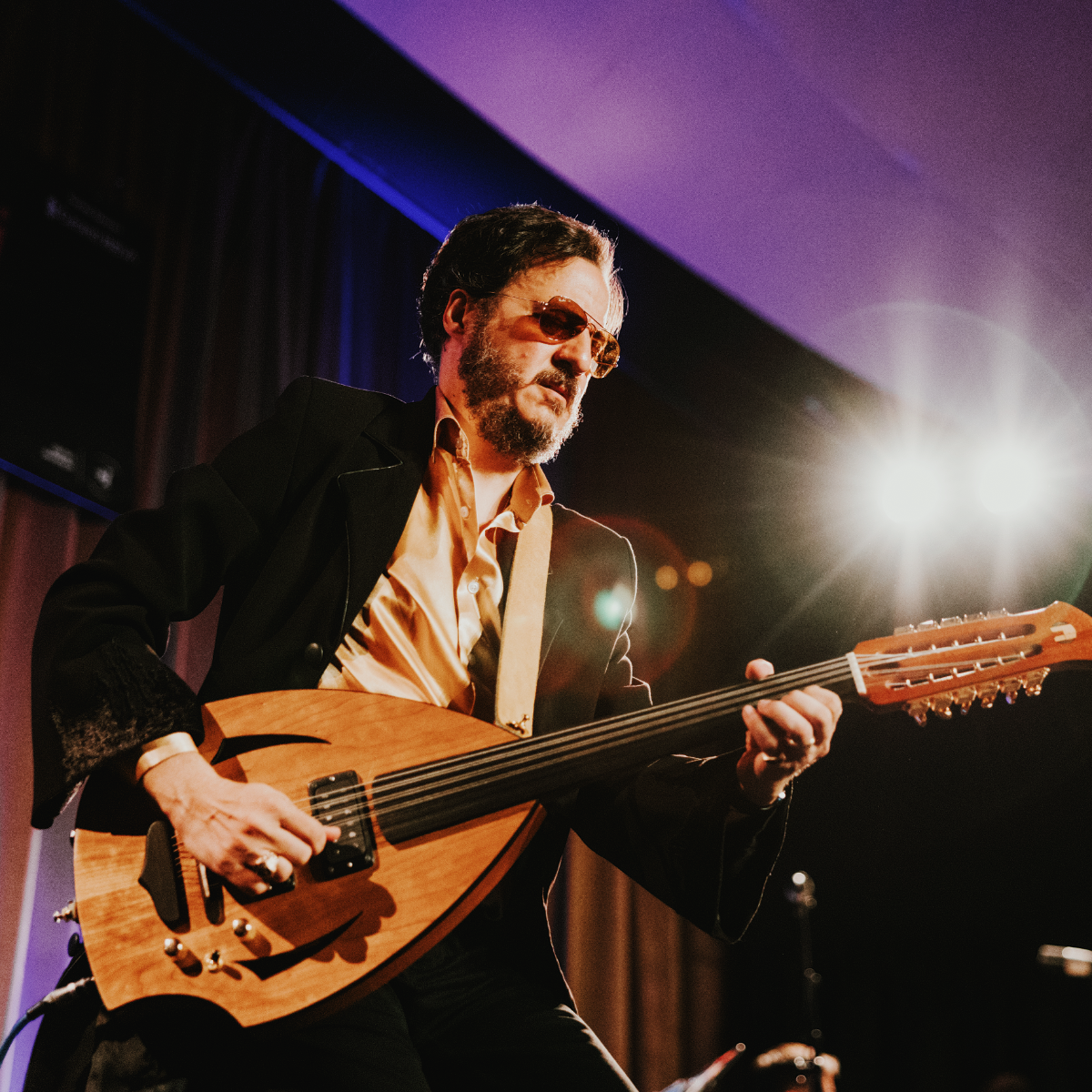
It’s challenging to play an acoustic oud alongside a functioning jazz rhythm section. Mehmet Sanlikol ran into this problem early and spent more than two decades imagining a redesigned instrument with magnetic pickups, steel strings, and a semi-hollow body capable of surviving a drummer at full volume. He found a collaborator in Mac Ritchey, an American guitarist who independently developed electric oud prototypes and eventually built one. The Electric Oud Man Speaks and you listen… released on the DÜNYA label, is the album that resulted from this innovation.
Sanlıkol grew up in Turkey, the son of a classical pianist, and came up on Beethoven, Mozart, and Chopin. Jazz found him later, through Chick Corea and Weather Report, and eventually through Charlie Parker, whose melodic and rhythmic language he studied with particular attention. The Turkish makam and Ottoman traditions of his cultural background became formal disciplines only in adulthood, and he now teaches comparative improvisation, tuning systems, and microtonal concepts as a full-time faculty member at New England Conservatory. For him, a musical style is a language, one that must be learned from the inside before it can be drawn on without distortion.
The Electric Oud Man Speaks and you listen… collects five tracks, each built around a distinct makam and groove, spanning blues, funk, ECM-influenced atmosphere, and solo electric composition. Sanlıkol's working group includes trumpeter Mark Tipton, saxophonist Edmar Colón, bassist James Heazlewood-Dale, and drummer George Lernis, several of whom studied with him at NEC and Berklee College of Music. The quintet toured five festivals across Turkey and Cyprus before recording, and the sessions document a group that has played this material long enough to move through it without visible effort. In the album's liner notes, Sanlıkol writes, "This is my sound. This is my world. There's no one that does what I do."
Lawrence Peryer reached out to Mehmet Sanlikol to ask about the development of the electric oud, the compositional thinking behind The Electric Oud Man Speaks, and to tell us about something he’s passionate about.
I always have a very difficult time introducing my work to someone unfamiliar with it. The difficulty has less to do with me being a composer, scholar, and performer, since people are more ready to accept and understand someone who holds a teaching position and an active composition/performance career. What’s harder for them to grasp is that I write concert music for classical orchestras and chamber ensembles while also being active as a jazz composer/performer and even as a performer of traditional Turkish music. And, I am afraid the current ecosystem of streaming platforms certainly doesn’t help. If someone unfamiliar with my work looks at my Spotify artist page, they’ll see a dizzying mix of strictly traditional Turkish music recordings, jazz orchestra and small-jazz-band albums, and Grammy-nominated concert works!
I wish I could classify my releases stylistically on such platforms. All of that being said, while The Electric Oud Man Speaks is perhaps the most ‘unusual’ album in my discography, at its core, it has the same goal as most of my other works: to discover uncharted territories in music, but always in a way that doesn’t necessarily alienate most listeners.
Shortly after I started playing the oud, when I was 25 and already a touring jazz musician, my friends in jazz circles asked me to play it with them a couple of times. It immediately became apparent to me that this was no different than trying to play a classical guitar with a mic in a jazz band. The minute the drums and bass started playing heavily, I’d have to turn up my volume, which would cause feedback. So, I immediately found myself asking: why isn’t there an electric version of the oud with magnetic pickups and steel strings?
If you Google “electric oud,” you’ll see a bunch of instruments pop up, but those instruments all use nylon strings and pickups that sit under the bridge, and I find their timbre repulsive. So, many years later, my friend Mac Ritchey helped me realize my vision, which I documented in The Electric Oud Man Speaks. But I had no idea what would come out of me when playing this completely new instrument. When I finally picked up, it was really interesting to see how it somehow brought out this Stevie Ray Vaughan-like character, which combined the blues with Turkish makam (mode) within an electric jazz context.
Most Middle Eastern or ‘ethnic’ influenced projects do not necessarily feature musicians who are musically bilingual. As a result, such albums and/or compositions tend to exoticize the music they draw inspiration from. In fact, I very often see how orientalist (or even self-orientalist) and populist ‘projects’ at many music festivals more often than not go in such directions.
In my opinion, truly refined musical statements can only be made when musicians internalize these different musical languages, if possible, equally. I believe that bi-musical individuals can ‘translate’ between these musical languages much more effectively, because they’re not trying to translate literally; instead, they already know the musical equivalents of certain gestures and idioms across multiple traditions from within. So, an album like The Electric Oud Man Speaks at first may not come across as such a refined statement—after all, it has a hip dude with shades and a cool electric oud on the cover—but I’d ask: how many other pieces out there exist like my “Talk About A Turkish Blues” or “Pickin’ A Shuffle Alla Turca”? These are examples o a musical voice that has deeply internalized makam, the blues, jazz, and more, through studying each individually for many years.

Sanlıkol is particularly passionate about recognizing the labor involved in music-making:
As you may already know, about 50,000 fully AI-generated tracks are now being uploaded to streaming platforms on a daily basis, yet there is currently no meaningful differentiation between how human-created work and machine-generated output are being monetized. Much of the current response to AI-generated music has taken the form of plagiarism lawsuits. While important, those efforts are complex and, as a result, are moving slowly. However, in my opinion, approaching the issue from the standpoint of labor offers a more direct and immediately actionable path: Human-generated recordings typically require significant time, financial investment, and collaboration, whereas prompt-based systems can generate large volumes of music in minutes. These tracks can then be uploaded and monetized on streaming platforms under existing frameworks, meaning that two fundamentally different forms of production are currently treated the same. I’ve been deeply concerned about this since, after spending many months and lots of money on my fully human-generated productions, I find it deeply unfair to be subject to the same monetization rules as someone who generates a track in minutes by simply prompting a machine.
All of this led me to start my petition calling for fair monetization of human-generated music. So in a way, what I wish more people paid attention to is not just a specific piece or tradition, but the human effort behind music—and why that still matters.
[Ed: Here’s an insightful, recent interview with Damon Krukowski that also looks into the labor concerns of the contemporary musician.]
Run-Out Groove:
- The Tonearm is a reader-supported publication, free of advertising and paywalls. Our supporters help fund our writers and make the site possible. Please consider joining and helping us to continue our mission.
- Join the rapscallions of The Tonearm on our new Slack community.
- Sign up to receive our latest articles directly to your inbox in a snazzy, easy-to-read email version. Just go to your account, manage your email preferences, and flick the lever to receive The Total Tonerm.
Thank you for reading! We'll see you again next week. 🚀


Comments