


Now Playing on The Tonearm:
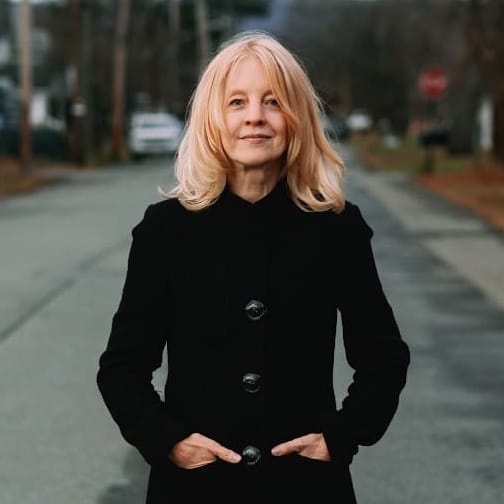
The Sound of Not Listening — Maria Schneider's 'American Crow'
Schneider discusses 'American Crow,' the Rolf Schock Prize, her collaboration with David Bowie, and her conviction that the jazz ensemble's practice of listening without a fixed agenda remains democracy's most accurate blueprint. Interview by Lawrence Peryer.
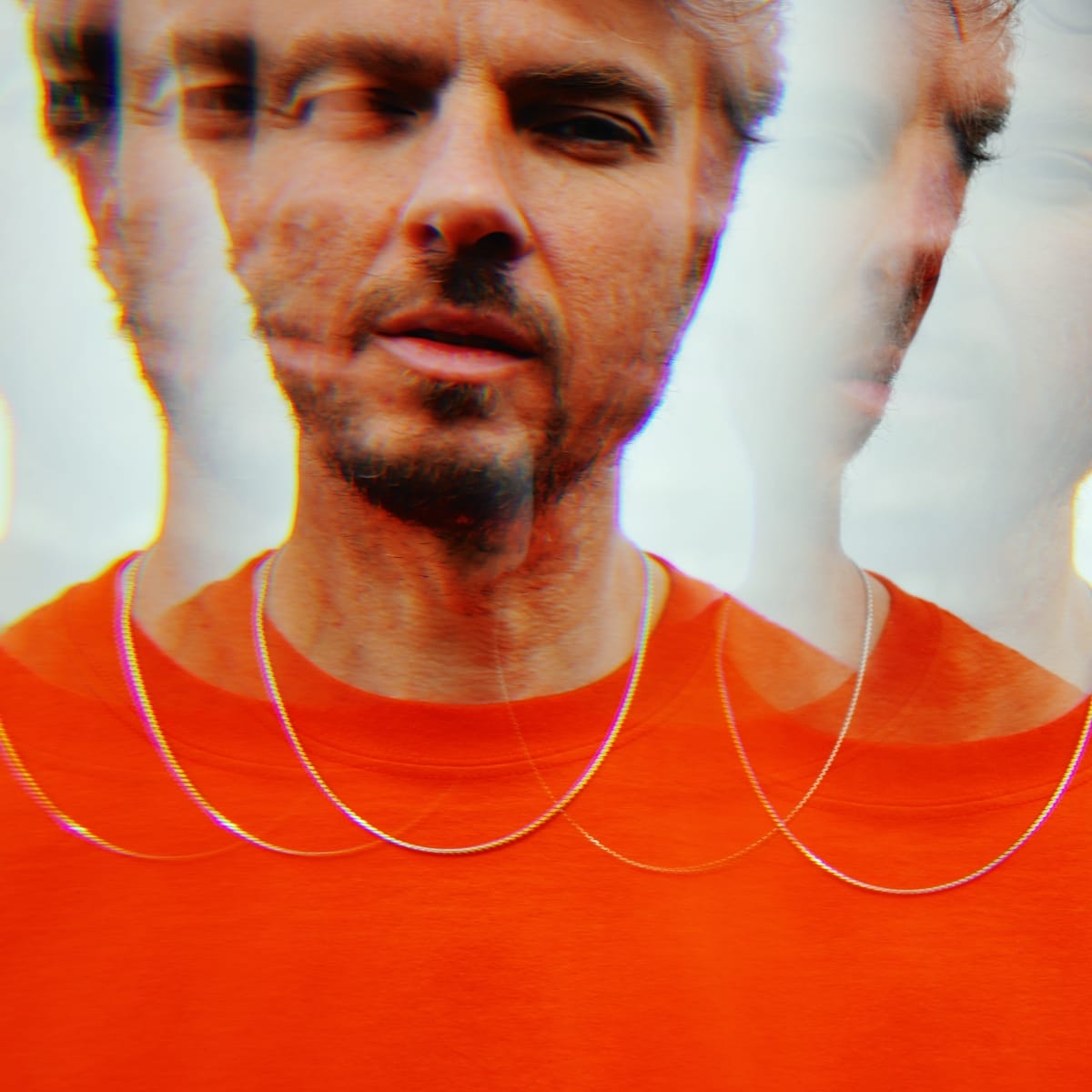
Tom Skinner's Silhouette Music
The drummer behind Sons of Kemet and The Smile brought his acoustic ensemble to Big Ears, where he discussed 'Kaleidoscopic Visions,' the intentional instrumentation that gives it depth, and the community that makes his music possible. Interview by Jonah Evans.
DJ Amir and the Second Life of Strata Records
DJ Amir discusses his acquisition and revival of Strata Records, the defunct Detroit jazz label founded by pianist Kenny Cox, whose six original albums and trove of unreleased recordings have become some of the most sought-after music in jazz. Interview by Chaim O’Brien-Blumenthal.
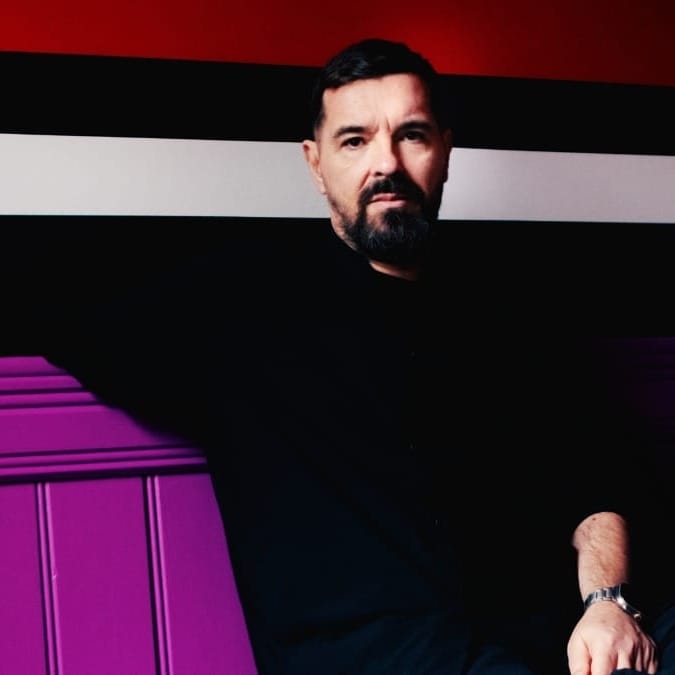
Speedy J's Mixtape Manifesto
With 'Walkman,' his first solo album in over twenty years, Speedy J makes the case for focused, uninterrupted listening in an era engineered to prevent it. Interview by Mykadelica.
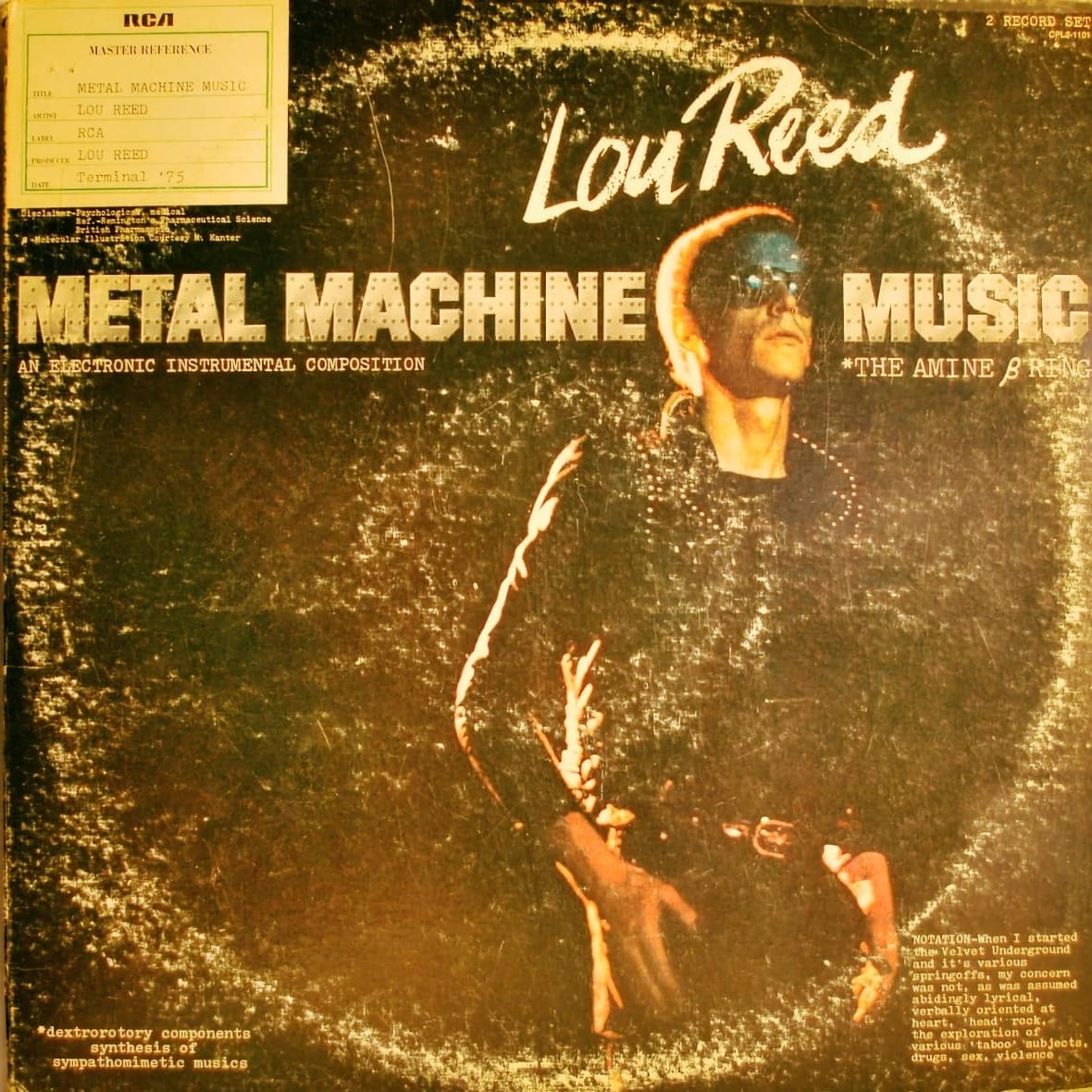
'Power to Consume' and Lou Reed's Metal Machine Afterlife
From Suicide's Martin Rev to Merzbow, Shaun Cohen's 'Power to Consume' series traces the long, crooked line between Lou Reed's 'Metal Machine Music' and the noise artists it inspired. Essay by Jon Buckland.
This Week's Episode of The Tonearm Podcast:
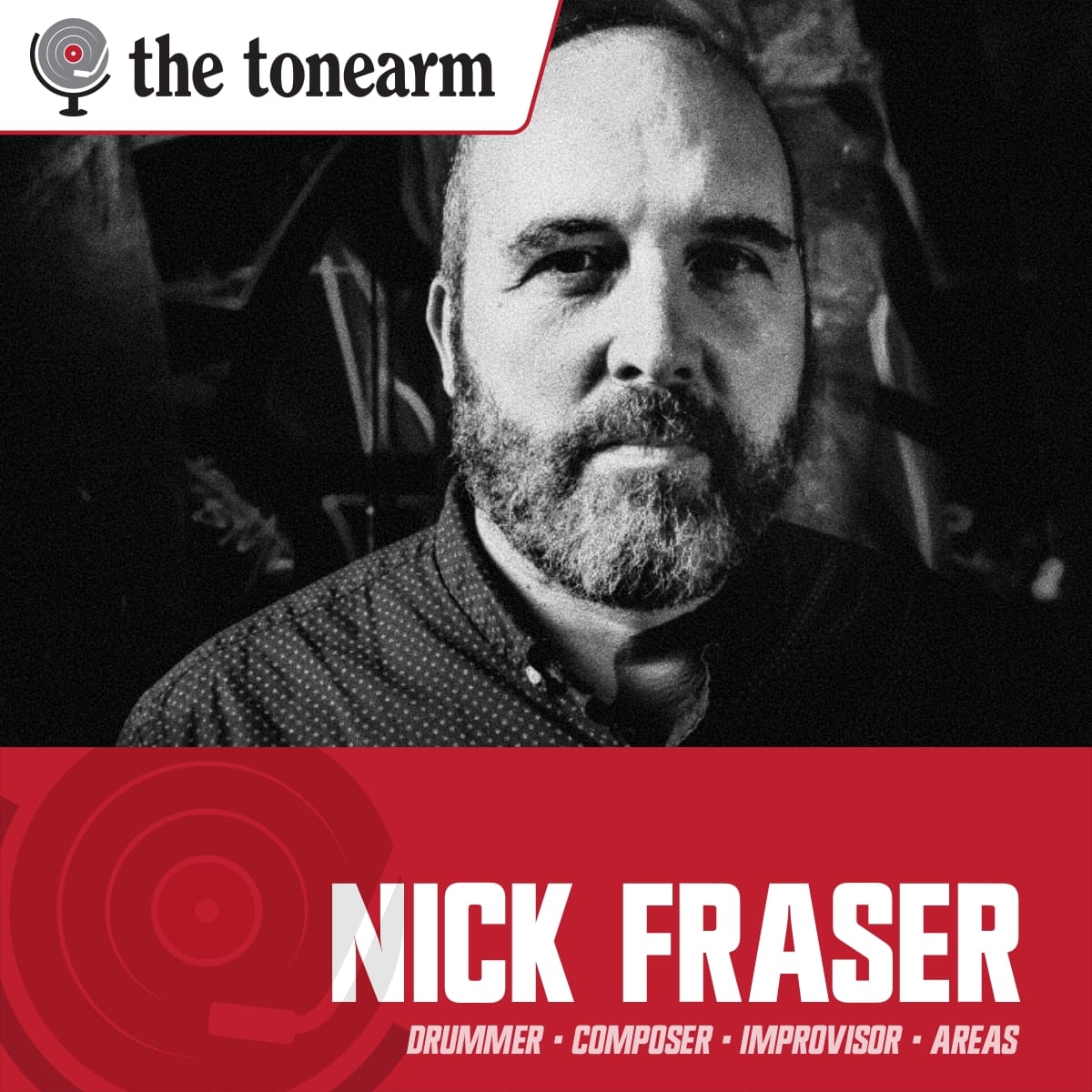
Nick Fraser: Still Screaming Into the Snare Drum
Toronto drummer Nick Fraser discusses 'Areas,' his long creative partnership with Kris Davis and Tony Malaby, and the cost of committing to acoustic music when electronics define the contemporary sound.
Rotations
Lawrence Peryer checks in with the latest episode of Rotations, the official radio show of The Tonearm:
This past Tuesday's Rotations covered a lot of ground. I am loving it. As my comfort with the technical parts of radio builds, I can push myself on the programming side. I'm getting there: JOEYKEYSADE's Afro-jazz fusion to open; Jah Wobble and Evan Parker; Cochemea; guests of the pod: Maria Schneider and Nick Fraser; Nils Petter Mølvaer; and Kamasi Washington. About as wide a range as one hour allows! Check it out in our archive.
This Tuesday at 11 pm PT, I am trying to push it further: Irreversible Entanglements from their new Impulse! record. A newly surfaced 1984 duo performance from Mal Waldron and Sam Rivers, two players whose individual trajectories through post-bop and free jazz rarely intersected on tape. Alabaster DePlume and his meditative, low-key spiritual jazz that's closer to a sermon than a set. The Daunik Lazro / Joëlle Léandre / Paul Lovens trio with their pure European free improv. Work Money Death and Nick Fraser again round things out before we bring it back home to the PNW with Vancouver composer Meredith Bates closing the hour. I hope you will listen. Tune in on SPACE 101.1 or stream at space101fm.org.

The Hit Parade:
"Blind from youth and distinguished by his deep, declamatory baritone and lecherous, full-throated laugh, Clarence Carter combined the sermonic fervor of a backwoods preacher and the bawdy humor of a juke joint." ❋ "At a moment when broader systems feel fragile, exclusionary, or in some cases actively regressive, experimental music offers another model. Not utopian, not pure, but functional. Small, interdependent communities form around sound. People organize their own platforms, define their own values, and maintain practices collectively over time." ❋ "[In Ken Burns' Jazz] you have to consider that Sun Ra was nowhere to be found, Roland Kirk was nowhere to be found, Eric Dolphy was nowhere to be found, there's 20 years that was nowhere to be found! And that was sort of my 20 years." ❋ “Radio is one of the few remaining media where you know that others, somewhere else, are hearing the same thing at the same time. That shared temporal experience, however invisible, can feel intimate, even communal, in a way that personalized digital feeds rarely do . . ." ❋ "Cape Verde, an archipelago nearly 400 miles off the coast of Senegal, is home to around 800,000 people, and for decades the country’s music was very little known beyond its borders. Then, in 1992, Cape Verdean singer Cesária Évora released her album 'Miss Perfumado'." ❋ "To understand where we’re at in terms of the creative music scene, you’ve got to step away from what’s at the forefront right now, because there’s a whole bunch of musicians that were the building blocks of what we’re seeing today . . ." ❋ "'The end of capitalism, winners and losers,' she whispers against a nightmarish backdrop of industrial reverb and factory percussion, questioning what relevance the personal can have in a time of political polarization and planetary crisis. 'There are no truths anymore, and the rain keeps on.'" ❋ "I just don’t have the energy to get exercised about the monoculture. I try to use my modest platform to lift up music I care about, and am grateful when others do the same. At the end of the day, what matters most to me is nurturing community, which, as I see it, is the only way out of our political hellscape." ❋ "They quoted the lyric: ‘Toothpaste and soap will make our oceans a bubble bath/So let’s avoid an ecological aftermath‘. They thought that was terrific and wanted to shine a light on that. And it was true. You’d see pollution everywhere, suds in the lakes and streams. It’s still a pretty important song." ❋ "I wish that I had had friends who were also writing music, other young women who were interested in music. I grew up playing in bands with a lot of guys, which was great, but it was a very lopsided experience." ❋ "The painful memories are not always treated directly, but they are definitely there in the music, sometimes as an afterimage—a faint nostalgic and melancholic echo. 'I think all those stories and traumas are passed on through generations. When I started matching them with my own experiences, it created a mix that I could only express in music.'" ❋ "A strategy built around targeted audience growth and direct connection to fans will unequivocally serve artists better than hiring a traditional print/online publicist for a campaign focusing predominantly on editorial coverage or reviews. But that may not be possible for everyone." ❋ Tom Waits on The Arsenio Hall Show
New Music Recommendations: Alan Braufman — Anthem for Peace (RIYL: Improv jazz, post-bop; Patricia Brennan, Chad Taylor; 'playful and light, yet texturally dense' ) ❋ Amrita — Amrita (RIYL: Hindustani/jazz free improvisation; tabla and soprano saxophone in the territory between Yusef Lateef and Anthony Braxton) ❋ Dua Saleh – Of Earth & Wires (RIYL: Genre-hybrid indie R&B and electronic pop with Sudanese folk, UK dance, and baile funk) ❋ Jeff Parker ETA IVtet - Happy Today (RIYL: Minimalist avant-jazz, long-form improvisation; ECM-adjacent but looser; Tortoise-adjacent post-rock sensibility)
The Deepest Cut:
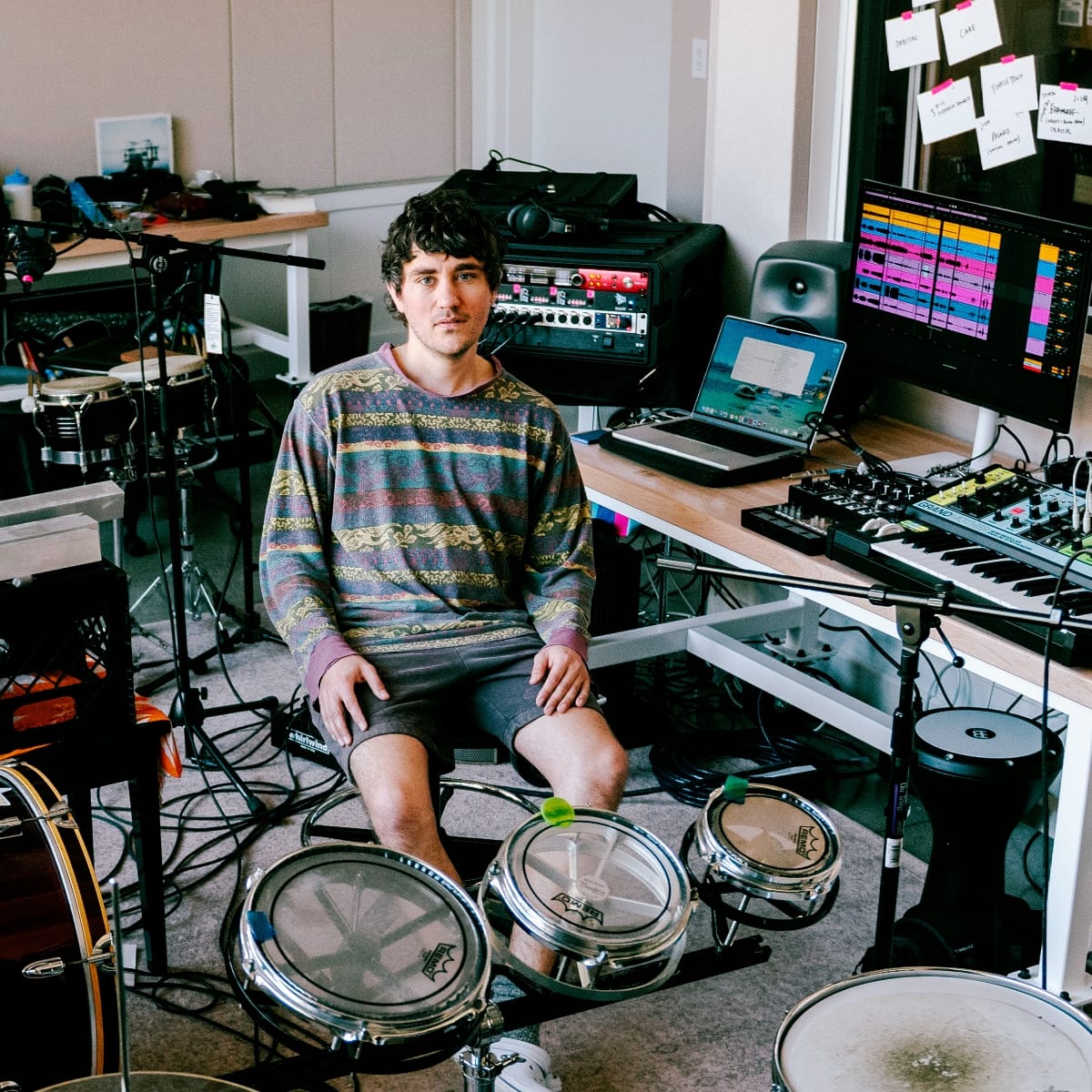
Matt Evans grew up in Ohio, training as a classical percussionist, spending six years focused on contemporary chamber music while simultaneously playing drums in bands and experimenting with synthesizers and delay pedals. He moved to Brooklyn in 2012 and has since worked across new music groups, improvised contexts, electronic and ambient projects, and film and theater scoring. Collaboration, he has said, is his natural state.
In 2018, a residency at Pioneer Works in Red Hook gave Evans his first extended encounter with his own instincts as a solo artist, resulting in New Topographics. The experience was generative enough to produce Soft Science in 2022, each record adding dimension to a sound built on groovy kinetic drumming and swirling synth work.
Daydream Observatory, released just this last Friday on AKP Recordings, turns that sensibility inward. Sparked by Evans' misreading of the term "psychogeography," the album's ten "zone poems" chart interior terrain through dense electronics and contributions from four guests: Chris Ryan Williams on trumpet, Domenica Fossati on flute, Marta Tiesenga on saxophone, and Nyokabi Kariũki on kalimba. Evans recorded, responded to, cut up, and re-sequenced those performances into what he calls "soundscape bonsai," a formal compression that gives sprawling material its precise shape. It takes Italo Calvino's Mr. Palomar, Mark Bradford's collages, and the maximalist streetwear brand BootBoyz.Biz as reference points and ranges from meditative to cacophonous. Evans describes the result as a character alignment chart of things light, dark, wholesome, and misanthropic, a wide-angle view of the quotidian balance of tragedy and comedy.
I emailed Matt Evans to learn more about the meanings and processes behind Daydream Observatory, his compositional method as a drummer working in synth-heavy production, and the creative mileage he got from a misunderstood term. Firmly on brand, I also asked Matt for something he loves that more people should know about.
I was joking recently that my music exists in the middle of the Venn diagram between Mr. Rogers and Iannis Xenakis —it's a kind of “Nickelodeon Experimentalism." Also, my music was once referred to as "a form of chill complexity,” which I really like. To me, it all points toward a lighthearted and colorful approach to composition, music as a vehicle for conceptual art making, and imagination.
Also, I've been calling my tracks "zone poems" as a riff on Richard Strauss's term "tone poem," in regards to the ways in which each track builds a logic and world of its own that it both develops and abides by. Since each track plays by its own rules, my records read a bit more like a collection of short stories rather than a singular "narrative."
I worked on this latest album, Daydream Observatory, over the last few years, taking big six-month breaks between sessions. Throughout the process, I started to notice how much my mood would change from one session to the next, and how these different zones were expressed through a rather consistent sonic palette. I started to understand it all as a kind of character alignment chart (do you know this D&D/meme-format phenomenon?) of how I was processing my experience. Combined with my excitement for an Italo Calvino book I had just read, Mr. Palomar (named after an observatory!) and my misunderstanding of "psychogeography," I started to imagine this collection as mapping my usual interplanetary world-building onto something internal.
In terms of a drum-driven physical-structural logic, I have started to understand that the "drumming" on a lot of my records, and this record in particular, operates as the protagonist within the world of each track. I imagine the drumming from a first-person perspective, putting the listener behind the kit and living out the track through that lens. In a way, I'm really trying to put the listener in my body or in my head, looking out my eyes, so that there's maybe even some somatic resonance elicited from listening to the music.
On this album, the drums aren't always responsible for the "time”; sometimes the synths are actually keeping time, and the drumming is more melodic, gestural, and responsive. Sometimes these drum gestures get more birdlike (dreamreader) or squidlike (nautiloid spiral shell) and interact with the guests on the track in a way that's like a gestural duet within a set sonic convention.
Regarding my misunderstanding of "psychogeography,” I did a deep dive into this concept afterward and totally agree that our environments profoundly affect our psychology. But when I first heard the term, I imagined it more as a geographic map of our psyche, and started thinking about the "interior environment" where our psychology exists. This sparked the whole "turn the observatory telescope inwards to discover the depth of our interiority" image, and that interior environment is basically "where" the whole album "takes place." Also, I'd say the misreading isn’t entirely off from the original intent; it's just a secondary reading of the same principle. They fold in on themselves pretty nicely. Maybe the way we imagine our internal environment (and how we move through it) also affects our psyche? But yeah, in a way, the album is just a stroll through my head—but what record isn't a stroll through the artist's mind?
Here's something Matt Evans loves that he'd like us to know about:
This is pretty on-brand for my "Nickelodeon Experimentalism,” but I'm going to go with Imagination. I love imagination. I think it's what draws me to experimental music, science fiction, and abstraction. It manifests in different ways for me; there's the more traditional kind of visualization of imagination, really seeing something, a place, a feeling, or an experience. But with live performance, there's also this kind of somatic imagination where you witness someone in a flow, who has maybe built an intuitive language around an extremely unique form of expression. By feeling their locked-in-ness to that unique language, you feel this kind of imagination or you breathe it in. I seek out this deep breath of unique flow that I can only experience by watching or collaborating with other artists. And of course, that kind of logical flow state is something I'm always looking for in my music and specifically in live performance, where a logic has been created that has meaning and is tenuous. You have to hold on to it! It's slippery!
Run-Out Groove:
- The Tonearm is a reader-supported publication, free of advertising and paywalls. Our supporters help fund our writers and make the site possible. Please consider joining and helping us to continue our mission.
- Join the rapscallions of The Tonearm on our new Slack community.
- Sign up to receive our latest articles directly to your inbox in a snazzy, easy-to-read email version. Just go to your account, manage your email preferences, and flick the lever to receive The Total Tonerm.
- The easiest and best way you can help us? Please share this newsletter and our stories with your friends.
Thank you for reading! We'll see you again next week. 🚀


Comments