


Now Playing on The Tonearm
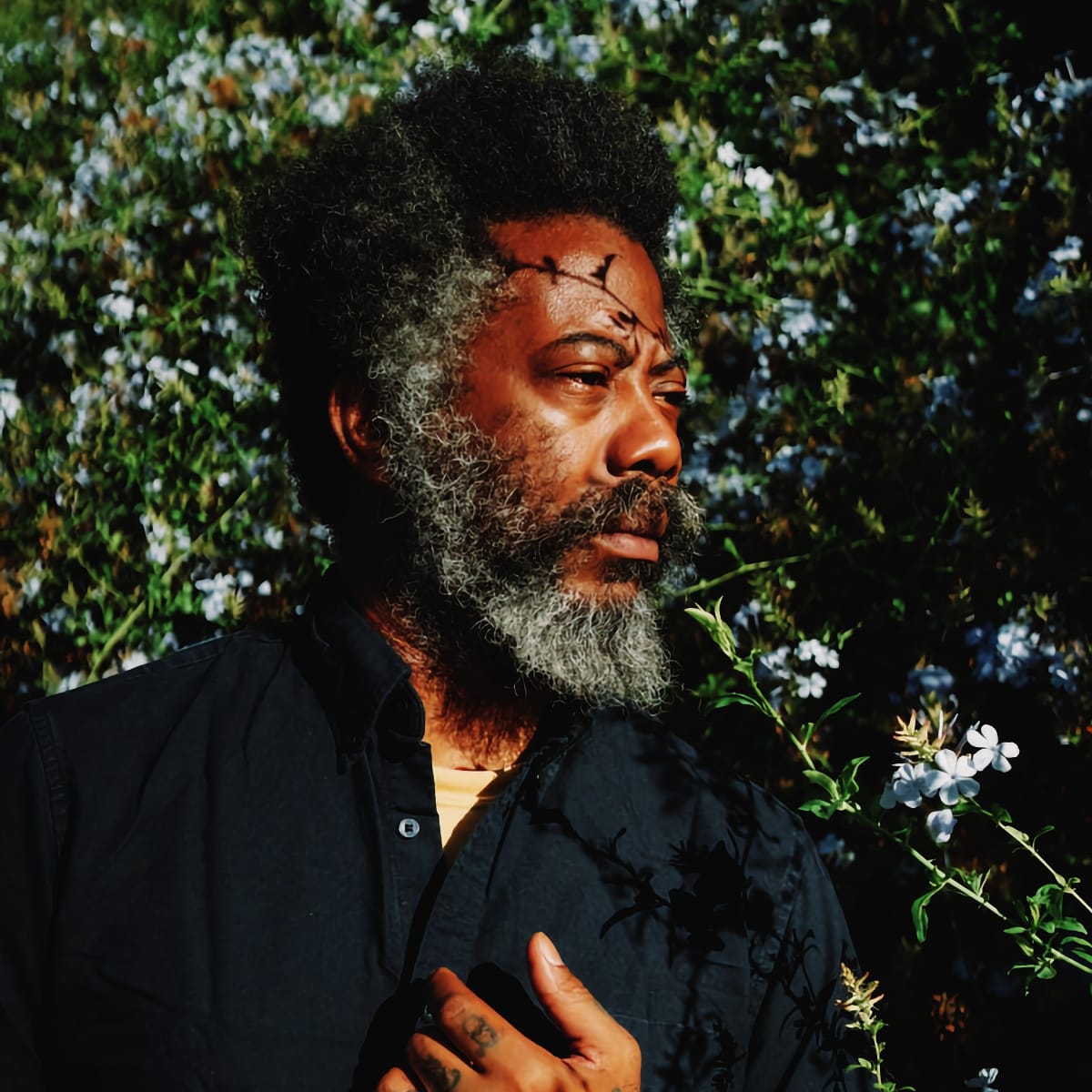
Robert Aiki Aubrey Lowe's Inner-Ear Illusions
Recorded with Randall Dunn, 'Manifestations in the Shadow of an Uncertain Land' turns several years of political fatigue into what Lowe calls a "multiphonic landscape of horror," and the conversation runs from Jodorowsky to low-pass gates by way of his nine years in Om. Interview by Dave Segal.
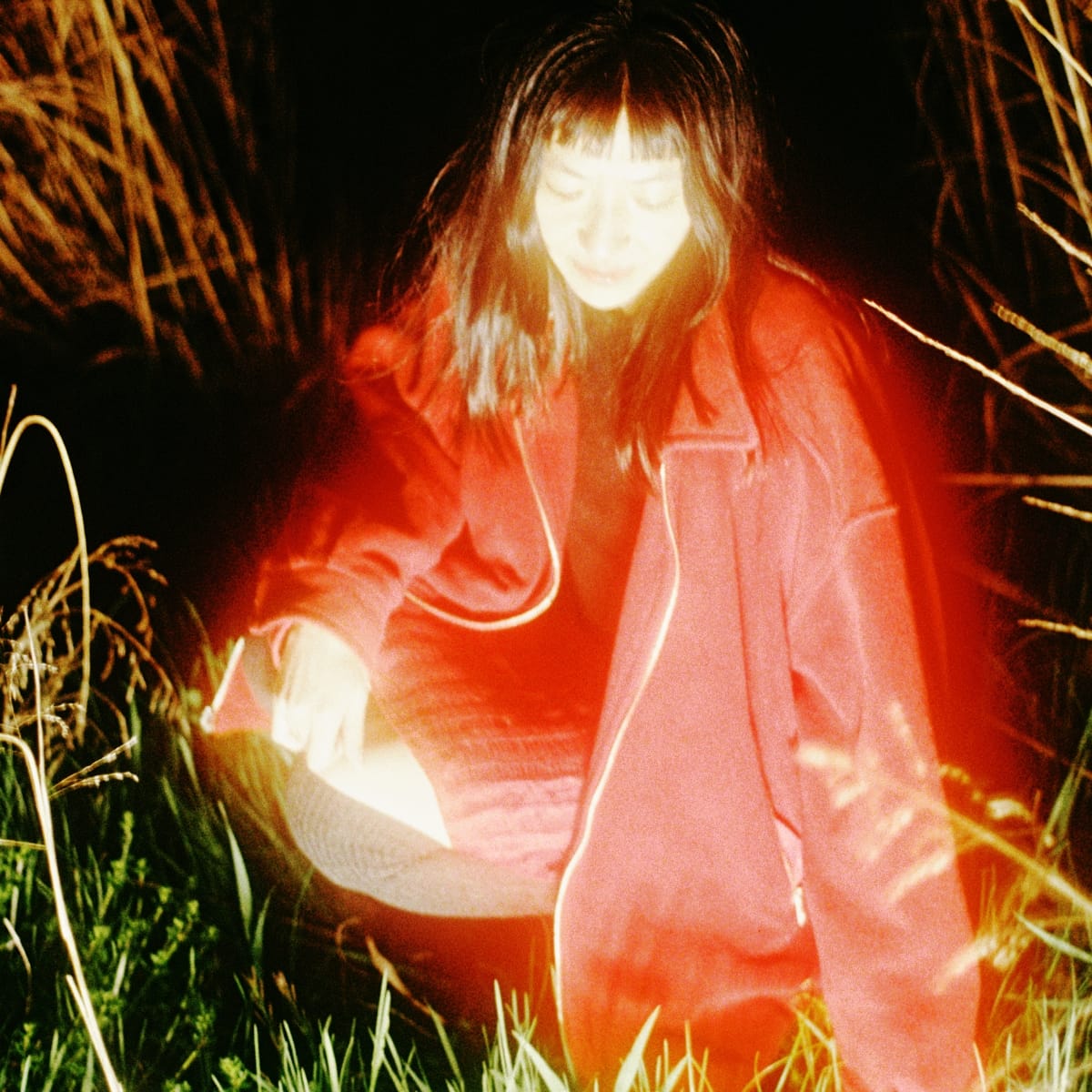
Frances Chang Takes a Moral Inventory
The Brooklyn musician, composer, and performer discusses 'been thinking bout confession,' her third album, which she wrote on a century-old baby grand after hitting walls with the guitar, and touches on Sondheim, the pomp of Catholicism, and whether a sound made on a computer counts. Interview by Damien Joyce.
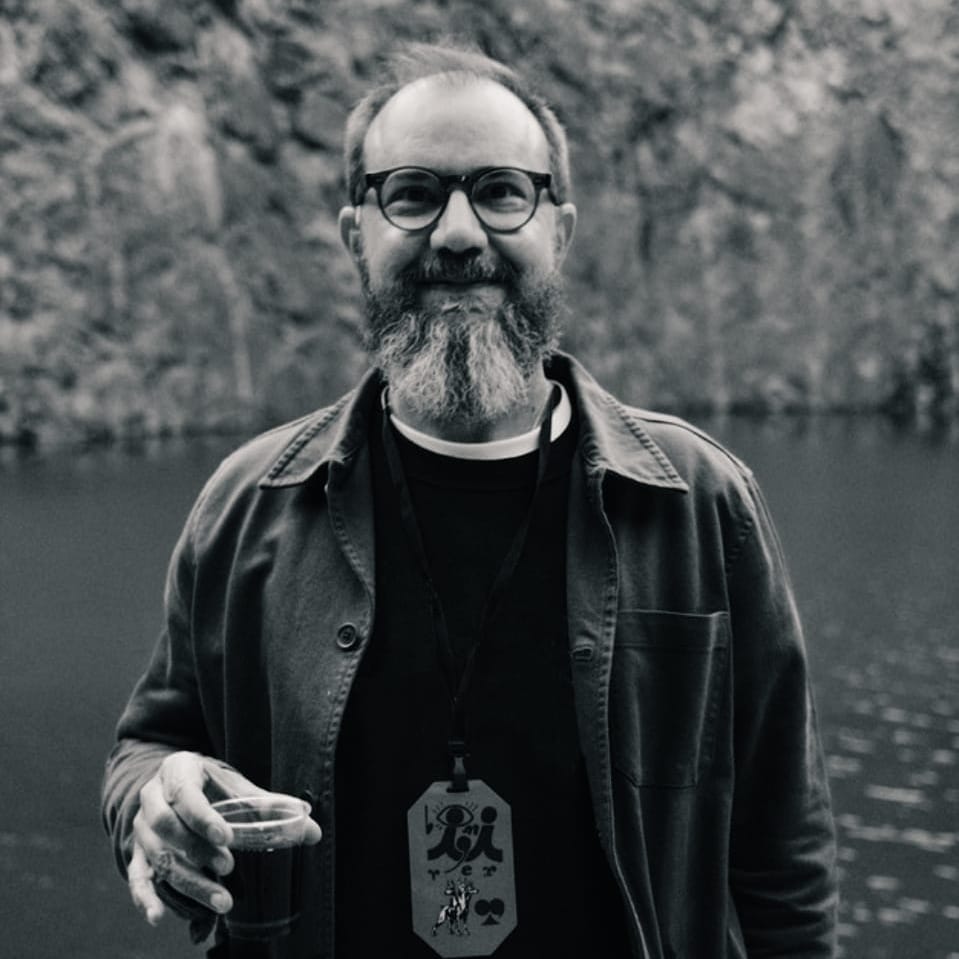
Adam Voith Closes the Book on Christian Rock
Twenty-five years of booking bands ended in a burnout Voith is still annoyed about, and 'Recommended If You Like: A Novel' is what he did next — free, self-published, and delivered city to city out of an SUV. Interview by Carolyn Zaldivar Snow.
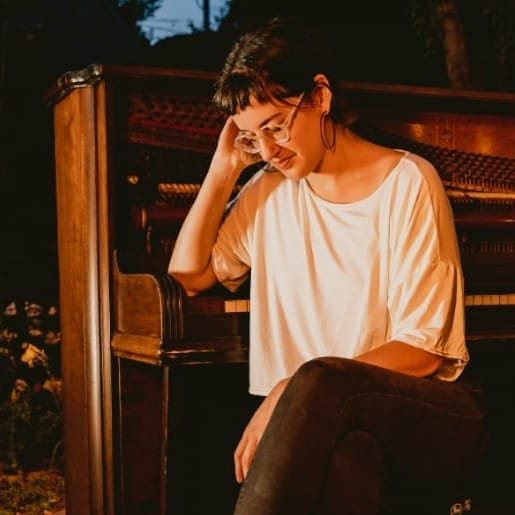
The Owl and the Upright — Sova Lets the Creaks In
Sova means owl, a bird of wisdom in some myths and an omen of evil in others, and on 'Alight!' the pianist wants her instrumental music just as open to interpretation. Interview by Bill Cooper.
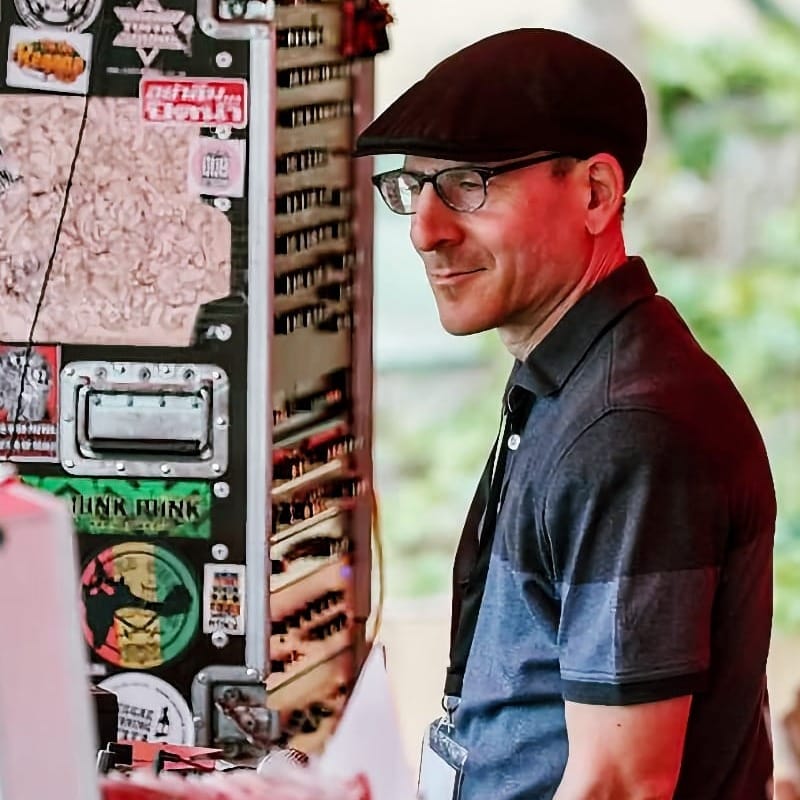
David Katz Cuts a New Version of Dub's History
Five years in the writing and forty in the gathering, 'Dub Revolution' rebuilds dub's beginnings out of the engineers who were there, the political map they worked inside, and the studios that doubled as shelter. Interview by Lawrence Peryer.
This Week's Episode of The Tonearm Podcast
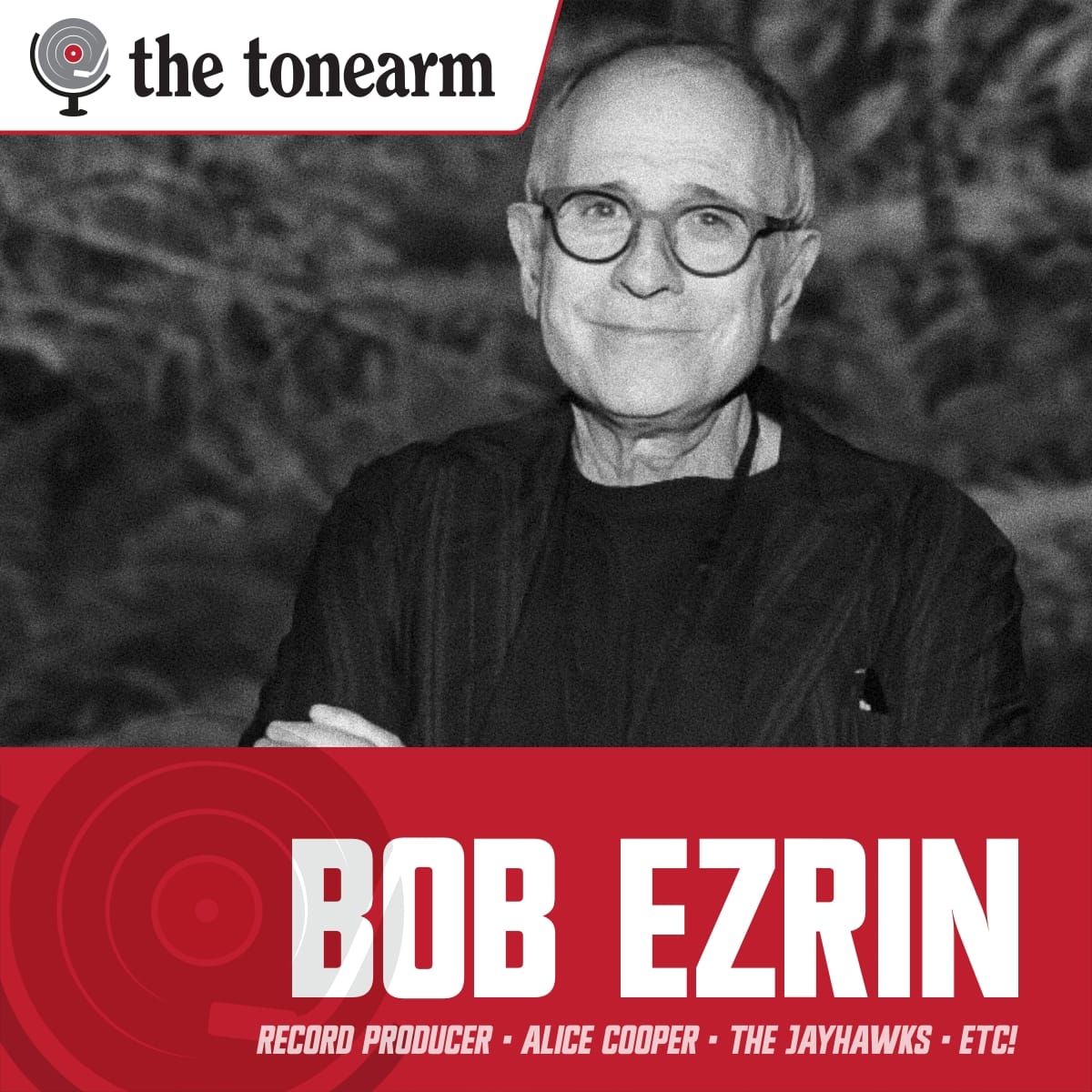
Bob Ezrin: Holding Artists to Their Own Best Work
From Alice Cooper to the Jayhawks, Bob Ezrin explains why artists keep coming back to him and why he asks permission to hold them to the best work they have ever done.
Rotations
If this week's David Katz interview sent you looking for the records, Lawrence Peryer's Rotations, the official radio show of The Tonearm, has a head start for you:
This week's episode is up on the Mixcloud archive. The first half of the show is a deep dub run featuring an obscure mid-1990s compilation cut, Harry Mudie's 1976 session with King Tubby, Scientist's early-1980s Channel One sound, Prince Far I, and Bill Laswell, who shows up twice, once under his own name and once as the producer who reimagined Bob Marley's catalog in ambient dub on 1997's Dreams of Freedom. The second half slows all the way down: a new quartet session built around Christer Bothén's donso n'goni, Kronos Quartet performing Nicole Lizée's tribute to the BBC's Radiophonic Workshop, and Robert Aiki Aubrey Lowe closing the hour on voice and modular synthesis.
Enjoy the episode:

The Hit Parade
“In addition to the cover of ‘Kind of Blue,’ Mr. Maisel shot the covers of albums by Harry Belafonte, Louis Armstrong, Ella Fitzgerald, Duke Ellington, Dave Brubeck and Count Basie. But he was most enthralled by an assignment to photograph the Indian sitar virtuoso Ravi Shankar.” ❋ “We realised that there were a lot of people like us out there. Why it didn’t occur to us earlier, to just jump in the damn van and get a gig out of town . . . we weren’t rocket scientists, we were the Dead Boys.” ❋ “Soft-spoken and cerebral—complete with a degree in semiotics from Brown—Mr. Sheik seemed like a long shot for fame when he arrived in Los Angeles in 1992 with a demo tape and a deep unease with the spotlight.” ❋ “With her partner in music and life, Fred Chichin, Ringer made pop music feel large enough to accommodate almost anything: punk impatience, funk, cabaret, electronic experimentation, and the expressive possibilities of French chanson.” ❋ “Most guitar players start out trying to sound like someone else. They want to sound like a guitarist they like . . . You would think that sounding like yourself would be the easiest thing to do, but for most musicians it’s a challenge.” ❋ “We are interested in this kind of repetitive, minimalist, groove-based improvisation. . . . We’re putting together the ingredients of the structure of, like a song or a piece of music, and I think we also like to sit in zones, let something simmer for a while, and be patient.” ❋ “My big thesis is that heavy metal has become a form of folk music in the past couple of decades. They’re both riff-based, circling around similar tropes, and about reinventing what has gone before.” ❋ “The first thing I do when I enter my studio is go direct to my hand drum set and see what the drums have to say to me that day. Later I will move to other compositional activities. But the hand touching the drum is the aboriginal source of all of them.” ❋ “One of the things I am most proud of is how the people at Zanzibar knew so many alternative things beyond all the soulful things . . . I mean, we’re talking about Talking Heads to Pat Benatar. To see 1,500 black folks into this music, then going to stores to try and buy these records, is such a cultural thing that is really never talked about.” ❋ “When Gould refused to use the sustain pedal in situations in which every other pianist in the world used the sustain pedal, when Gould (regularly) played certain pieces faster than anyone had ever played them, or (occasionally) decided that an unprecedentedly slow tempo was the right one, every listener was forced to consider the choice, to reflect on the reasons for its wrongness, or even, sometimes, to admit its rightness.” ❋ “The scene was up and running before Punk magazine. We started seeing these flyers that said, ‘Punk is coming.’ Everybody thought, ‘Oh, this is the worst band name in history.’ But then, when we saw the magazine, it was like, ‘Oh, okay.’” ❋ “Emotion is not necessarily conveyed through traditional melody or harmony, but through timbre, its variations, density, movement and interaction with other sounds.” ❋ “But in recent years, as the term [spiritual jazz] has been applied more loosely and reflexively, it often seems to connote a kind of elevated mood music, one that sets a vibe without asking too much of listeners.” ❋ “There’s an emotional and geographical displacement in moving from place to place and living on top of each other . . . It’s difficult to talk about because nobody wants to rock the boat, and other people might be going through the same thing, so you don’t want to burden them.” ❋ “While [the Hardanger fiddle is] traditionally fitted with four strings, like a classical violin, an extra set of four or five sympathetic strings are situated beneath the fingerboard, providing a lush, enveloping drone when the top strings are played.” ❋ For more curated music links, be sure to follow The Tonearm's feeds on Bluesky and Mastodon.
New Music Recommendations: deep glens - carver (RIYL: analog tape loops spliced into dub techno and IDM; Basic Channel, Boards of Canada, Oneohtrix Point Never) ❋ Deniz Cuylan - For Luca (RIYL: nylon-string guitar and gentle electronics; Bing & Ruth, Ryuichi Sakamoto, Vini Reilly) ❋ Jon Waine - Second Skin (1975–1983) (RIYL: political, funny, funky post-punk with no wave in it; Devo, DNA, the Contortions) ❋ Le Motel - Pozo de Agua (RIYL: field recordings and soft electronics with a Balearic lean; Hiroshi Yoshimura, Visible Cloaks) ❋ Max Kutner - The Illustrated Interior (RIYL: instrumental industrial dub crossed with IDM, Minimoog and metallic percussion) ❋ Visions of Nar - Awakening (RIYL: Armenian modal folk run through contemporary jazz, with tabla and electronics)
The Deepest Cut
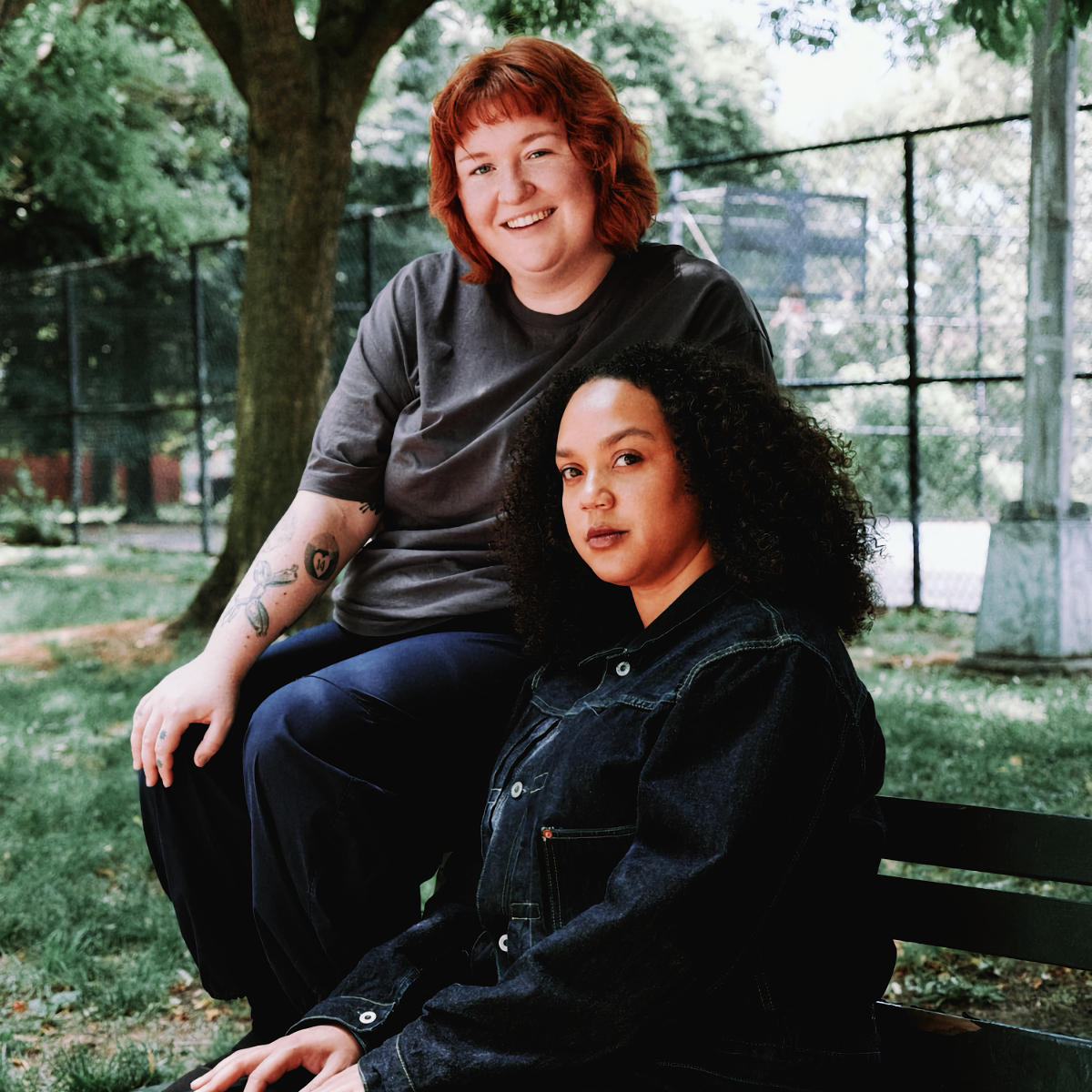
Nicole McCabe made her debut as a leader in 2020 with Introducing Nicole McCabe, a quartet date with pianist George Colligan, and her 2024 album, Mosaic, was produced by guitarist Jeff Parker. McCabe also plays in Dolphin Hyperspace, an electro-jazz duo with bassist Logan Kane, and studied with pianist Jason Moran during the Kennedy Center's Betty Carter Jazz Ahead residency. Savannah Harris, a New York drummer raised in Oakland by musician parents, has recorded with Helado Negro, Standing on the Corner, Peter Evans, and María Grand, and has performed with Moran, Ambrose Akinmusire, and Kenny Barron.
All Together Now is the third release on Sudden Quarterly, the label bassist and producer Spencer Zahn founded to bring unlikely collaborators together. Every Sudden Quarterly release this year pairs musicians from Los Angeles and New York. McCabe and Harris share the writing credit on all eleven tracks, which were cut at the label's Los Angeles studio and at The Bunker Studio in Brooklyn with nothing but alto saxophone and drums. McCabe calls the first single, "Lonely People," "an ode to the isolating modern age of singularity." This track, and All Together Now as a whole, is far from lonely or sparse—the duo fill in the musical spaces with layered riffs, flourishes, and considered overdubs that imagine a chamber jazz ensemble working through eleven beguiling, innovative compositions. It's a great listen.
Nicole McCabe was on hand to answer my probing questions. I wondered whether Los Angeles and Brooklyn can actually be heard on the record, and where the harmony lives when there are rarely any chords. Her answer to my usual last question, the one about something she loves, comes with a noodle recommendation.
I am an alto saxophonist, educator, composer, producer, and bandleader based in Los Angeles. A lot of my upbringing has been based around jazz music and jazz education. I attended an arts high school in Marin County, and I completed my undergrad in jazz saxophone at Portland State University and my master's in jazz performance at USC. I grew up studying musicians like Cannonball Adderley and Lee Konitz, while also being interested in other genres such as disco, Motown, electronic music, funk, and singer-songwriters. I think putting these influences together has given me a different perspective on alternative forms and methods of creating an album that can still feel cohesive while remaining unconventional. I think Spencer, Savannah, and I hoped to create something that felt new, creative, and fresh while writing compositions that felt like a vehicle for Savannah and me to get to know each other better musically and showcase our musicianship. I think we made something very special and unique, and I'm very happy with how it turned out.
Making this record was a very interesting process; I have never made an album this way before! Spencer and I started in his studio in LA with prompts to find a chord progression together, then played with textures of arpeggios, stacked chords, melodies, and improvisation. After a day in the studio, Spencer would edit what we had done into more formal sections of a composition that brought everything together. After this, Spencer went to New York and tracked Savannah over these complete solo saxophone pieces. Her choices were completely raw and in-the-moment responses to the music Spencer and I had started to create, and her drumming made these songs feel fully complete.
Without a bass or a chordal instrument, I think we found very interesting ways to display the harmony. One of the most fun was an octave pedal Spencer used on my alto saxophone on a lot of this record. Other ways include stacking the saxophone to create chords or creating a sequence of arpeggios to outline some harmony. I think we thought of the saxophone as taking on more roles than it usually does, and it was very fun to think about playing from all these different perspectives. I think the open space feels intentional on this record, since the goal was to show the relationship between two people and two instruments.
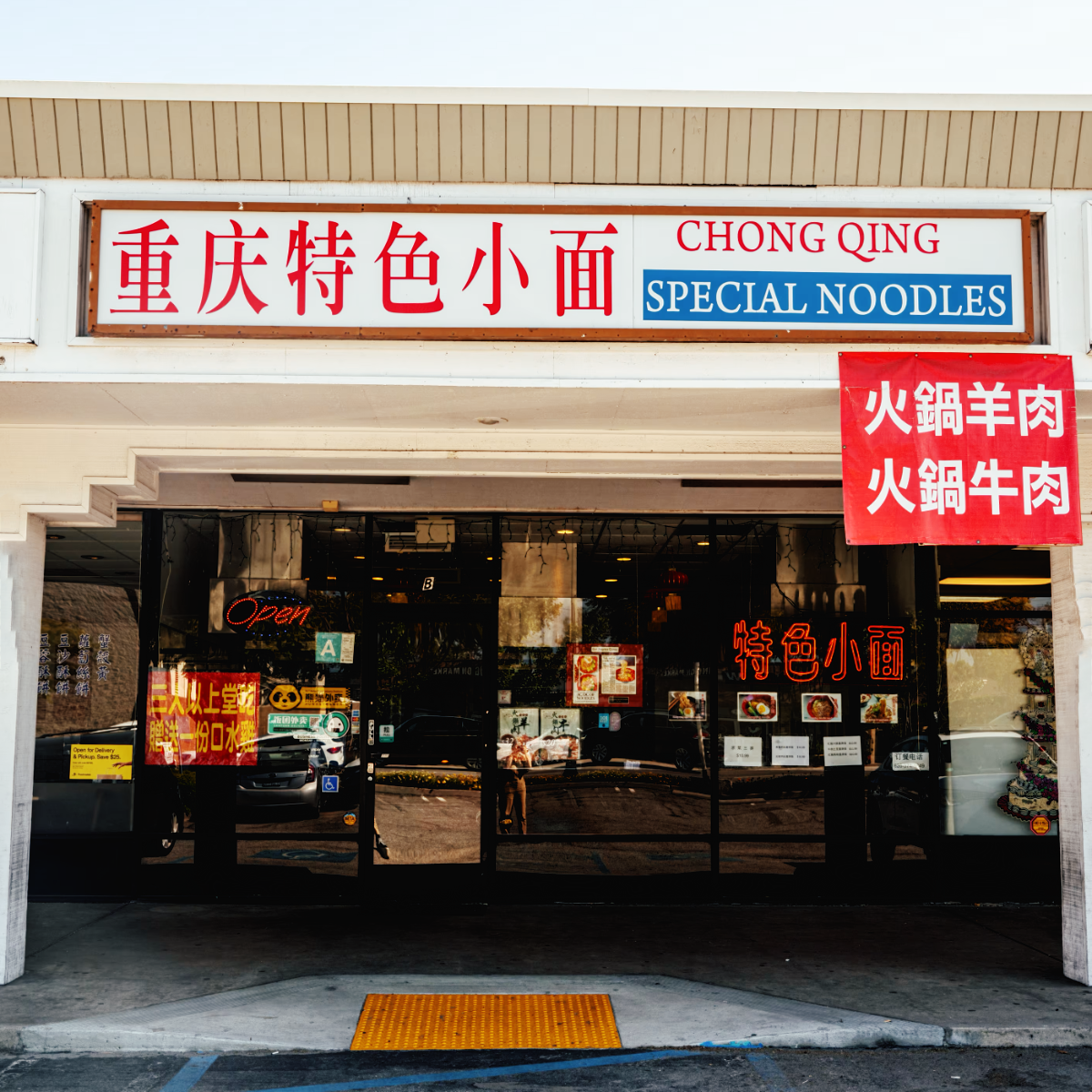
And here's Nicole McCabe on eating and drinking well in the San Gabriel Valley:
I love living near the San Gabriel Valley in Los Angeles! It's an area of the city I've been exploring more for its incredible food and coffee (and matcha!). I would highly recommend Chong Qing Special Noodles, P P Pop, and Monolith Coffee for some incredible Chinese food, Taiwanese food, and specialty coffee.
The Run-Out Groove
- The Tonearm is a reader-supported publication, free of advertising and paywalls. Our supporters help fund our writers and make the site possible. Please consider joining and helping us to continue our mission.
- Join the rapscallions of The Tonearm on our new Slack community.
- Sign up to receive our latest articles directly to your inbox in a snazzy, easy-to-read email version. Just go to your account, manage your email preferences, and flick the lever to receive The Total Tonearm.
- The easiest and best way you can help us? Please share this newsletter and our stories with your friends.
Thank you for reading! We'll see you again next week. 🚀
Connect with The Tonearm


Comments