


I am writing this piece a little compromised this morning. I have to begin with a few things—this book fell into my hands in draft form off the coffee table of my quiet, DIY label partner. This book goes so far as to dox his former apartment address in Philadelphia while he's a student at Drexel. The apartment was home to house shows and sweaty bands crashing on sofas, and was part of a larger system in the 1990s and 2000s that was Christian rock. Maybe. As teenagers and young adults, we stayed up late talking in hushed tones, wondering about these bands. Who smoked weed, who was queer, who was having sex? We really wanted to ask ourselves the same questions—maybe the cost was too high. All a massive no-no in our True Love Waits, See You at the Pole–tinged culture. But we were young, and we wanted to rock. Even if we didn't understand it.
My partner is also depicted in Adam Voith's Recommended If You Like: A Novel (moving forward truncated as RIYL) as having dressed up as Jesus for Halloween, only to face the wrath of his school cafeteria in the punishing form that is persecution delivered by America's youth hailing from rural Indiana. This scene is not true. I had to wrap my head around why Voith, a veteran industry booker with a roster carrying everything from Haim to Vampire Weekend, would take the time to write such fiction about the human I see every weekend.
Voith is from rural Indiana too, and like so many of us approaching middle age, he is reckoning with this brand of Christian youth culture that was a pantomimed escape hatch for anyone with strict parents. Our moms didn't allow us to go to the show unless it was Christian, but now we have a whole festival plunked down in a field in rural Illinois. That festival was called Cornerstone, and it allowed the kind of freedom we longed for. I could headbang to Christian metal; I could make out under a massive stripey tent canopy with my bass player boyfriend. But Mom isn't going to be mad, because in the midst of the festival there are prayer tents and altar calls.
I feel like every tome to an era starts with something like, "we were searching." Voith is still searching, but it's moving and shifting. He still grapples with purity culture and the dissonance that comes from growing up in an evangelical construct. Voith's protagonist in RIYL likes to make out. His handle, "The Christian Humper," is on full display through dubbed cassette dispatches traded on tour while riding along with Roadside Monument.
It's a Kerouacian scroll-tape trade that carries the story from a boy with a summer job at a grocery store taking the financial hit of trying to produce shows in a church basement, to a departure with Pedro the Lion as harbinger of what's to come.
Voith is a difficult person. He is salty, and the ship he has been captaining most of his life is a run-what-you-brung tour van that he is okay to sleep on the hood of. This changes in the course of his life as managing scrappy Tooth & Nail bands turns into the opulence of Nashville offices and catching an Uber to the show from a posh hotel—but the DIY ethos never left him.
In a way, talking to Voith about the music industry is like talking to my pilot dad about commercial aviation. He would long for the days of passengers boarding in their Sunday best, the tiny crystal salt and pepper shakers, the thrill of aircraft—until one day he said he might retire because "the thrill is gone. It's not special; people wear Crocs on the plane, and I am a bus driver to the sky." I see that in this story. Voith is disenchanted; he wants to go back to the days when someone, by word of mouth, passed along my partner’s apartment address and got let back into the secret club.
RIYL can read like an inside joke at times, particularly if you come from this culture, but in talking to Voith, he really hopes people from outside this world will take to the manuscript. To that end, this is a book about touring with a band that shows promise. This is a primer for figuring out food, gas, and fees. This is what happens when you drop a heavy amp or are unsure where the band is going to sleep. This is the duality of being a rocker on a Christian label with a weed stash. This book is $0.00 and available in person in a city near you, as Voith drives his SUV around trying to understand what the fuck has happened to the intersection of music and commerce. It's also $0.00 online, but I think you should make a donation because our angry guy just entered retirement in the music industry.
The transcript has been edited for length, flow, and clarity.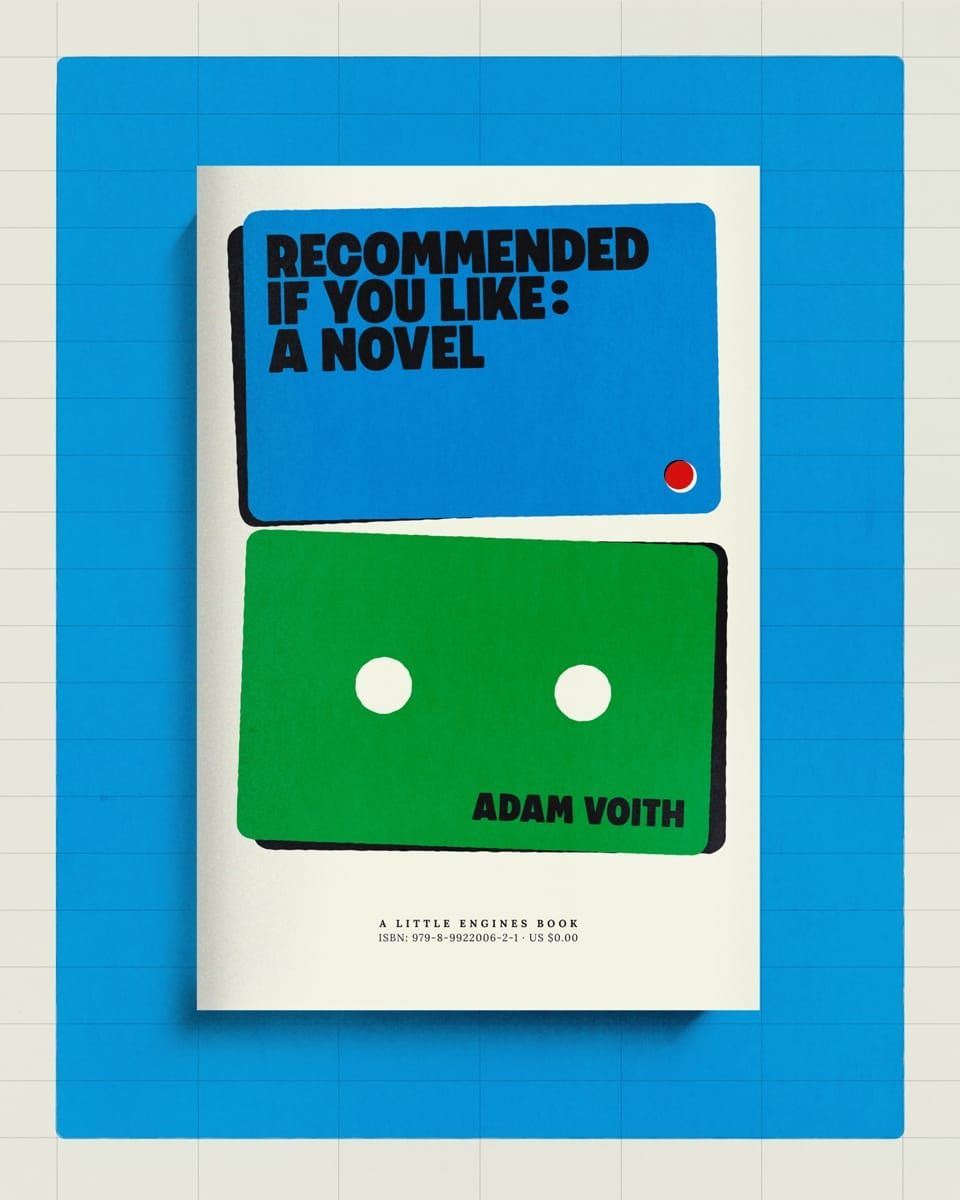
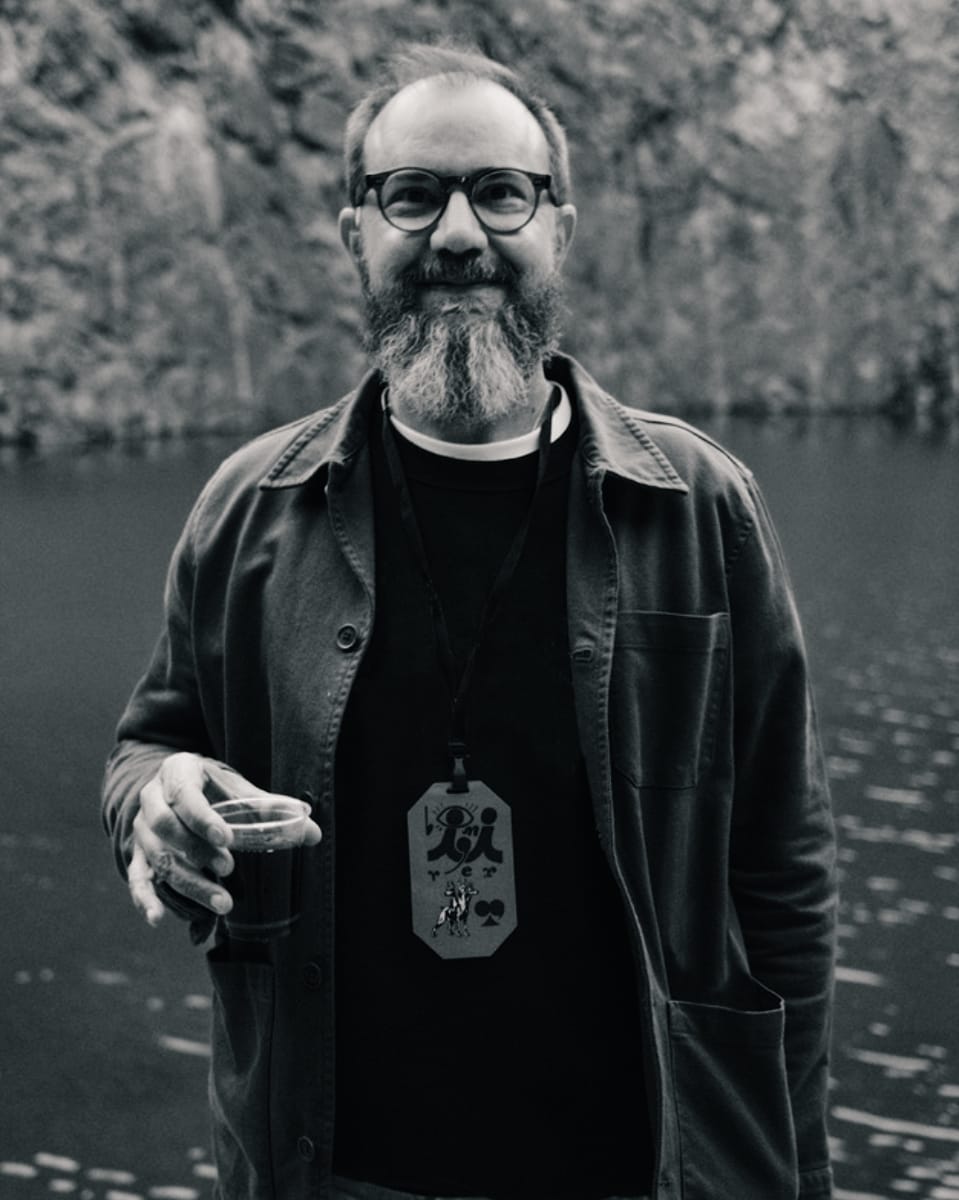
Carolyn: For anybody reading at home who has no idea what Cornerstone and JPUSA is, can you give us a primer on that era?
Adam: I think if you go way back to the hippies, you start finding out about the Jesus People, which were hippies who were into Jesus. They had a music scene, planted churches, and a commune came out of it, based in Chicago, called JPUSA, or Jesus People USA. It was true misfits, outcasts, and weirdos, and a lot of musicians were drawn to it. I think during Bob Dylan's Christian period, the Jesus People scene pulled him in, and eventually they started a music festival that kept growing. It happened many years before I found it, but it wasn't that far from me. I was in Indiana, and Cornerstone was in Illinois.
This is pre-Lollapalooza, or at least Lollapalooza as it is now. Pre-Coachella, pre-Bonnaroo. This was a cutting-edge concept at the time, and it started as a three-day event. Maybe it spilled into a five-day event at some point. People would end up going for the whole week and camping out, and they had, just like you would find at any festival now, multiple stages—a big main stage and a bunch of auxiliary tents and small stages and music all day long.
Carolyn: Tell me who comes to Cornerstone, and how did you find yourself there?
Adam: I don't know how I originally heard about it. I imagine I saw bands I liked playing there, and I was like, "Oh shit, I can drive there, just a couple hours." I used to think it was all Christian kids that went, and I think that's mostly true. I also think there were probably local kids who were just going because it was happening near their small town in Illinois. A lot of people would show up with their families. The core was probably more fringy, outcast-type people who were into what was called alternative music at the time.
Carolyn: In your book, there's a lot of crossover between this fringe Christian rocker culture and punk culture in the United States. I was kind of surprised to see Hoover mentioned in your book. Can you share some reasons why they intersect so much?
Adam: In the time frame that the book takes place, which sort of ends in 1998, there were these parallel universes happening where you had alternative culture exploding in the mainstream, and inside the confines of Christianity and Christian culture, sort of mimicking it and trying to provide a sanctified version, which is where the title comes from. The sort of "Recommended If You Like" (RIYL). If you like Slayer, then you can listen to Living Sacrifice. If you like Pavement, you can listen to Joe Christmas.
At the time, it felt like a lot of kids were either trying to be spiritual or had parents who wouldn't let them listen to things deemed spiritually unsound. It was very exciting, I imagine, because there was this culture that felt similar to what was happening in the mainstream, and it felt like you were attached to some cutting-edge art and music, and it maybe felt—what's the word I'm looking for? Legitimate. Looking backward, it was a market. Business people built this market to sell products to these kids.
Carolyn: Like Jessica Hopper's critique of the Vans Warped Tour, which she calls America's largest traveling youth shopping mall.
Adam: It's a good parallel. The book's protagonist sounds and looks a lot like me—not a total facsimile, but based on my real life. My parents' oversight was falling off, so I wasn't having to stay in that Christian lane. I was still a Christian at the time, and so I tried to straddle these worlds and be both, which caused a lot of tension and friction and confusion and shame and irritation. If you knew what was happening in the mainstream and could participate, you quickly learned that much of what was going on on the Christian side wasn't as good. There was no bar for excellence; the bar was for purity. The actual music-making would be secondary. You could get away with a lighter version of the real thing because a market had been created, and that is what they were allowed to purchase and participate in.
At the turn of the century, this kind of stopped. The strict division fell apart in a way that I keep talking about. Some bands crossed over and became as good as the secular versions. Then bands that got frustrated with the enclosure decided to market, tour, and promote in the secular world instead of playing the church circuit. It kind of gave kids permission to go to a bar instead of the youth group show, which was a huge crossover moment.
I have this pet theory that one of the reasons alternative music exploded so big in the mainstream is that it intersected with Christian kids being allowed to participate in secular culture all of a sudden. So you have this insane influx of youth culture that had been cordoned off, who now were set free to listen to secular music as well. Suddenly, the ticket-buying and record-buying population for the secular shit increased with this influx of Cornerstone kids into that market.
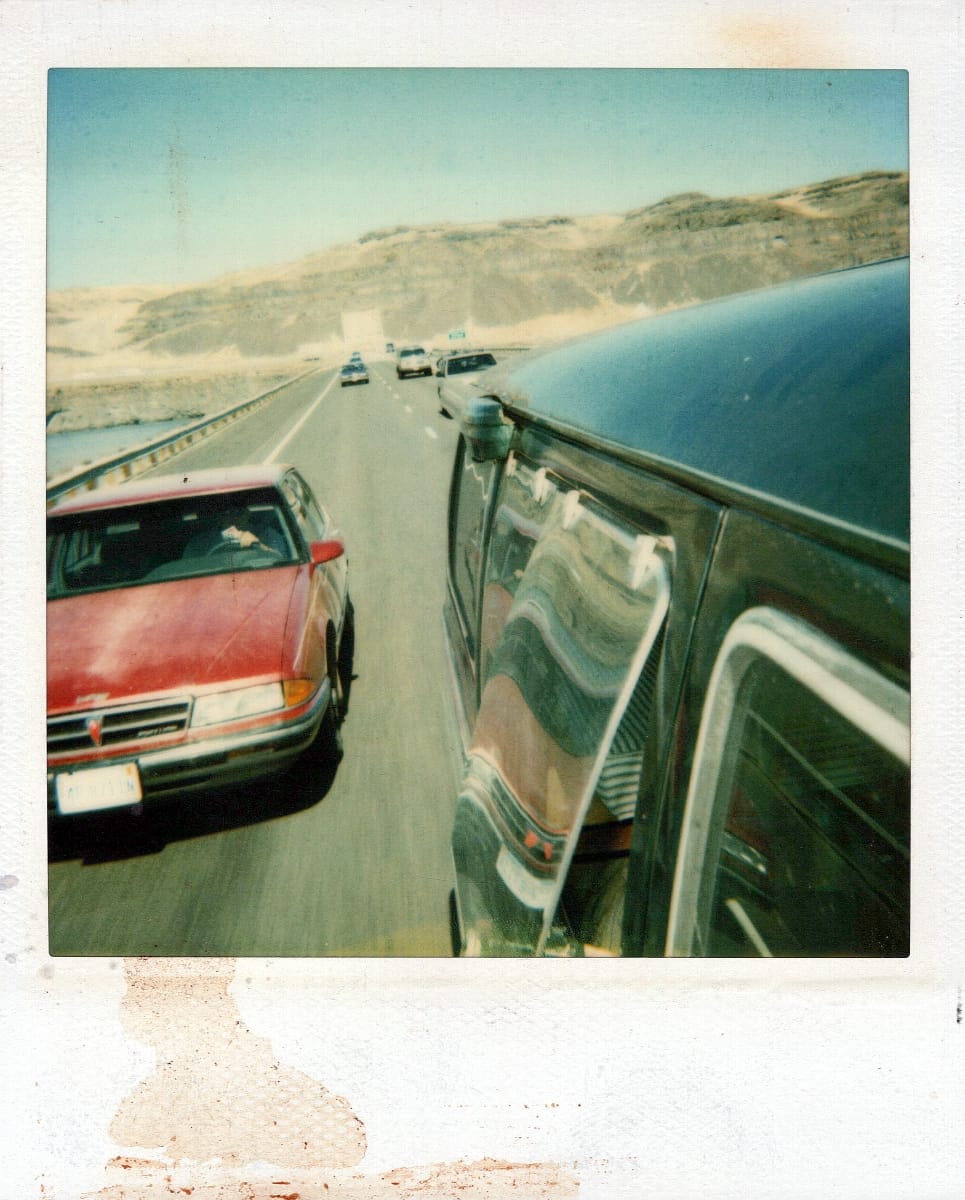
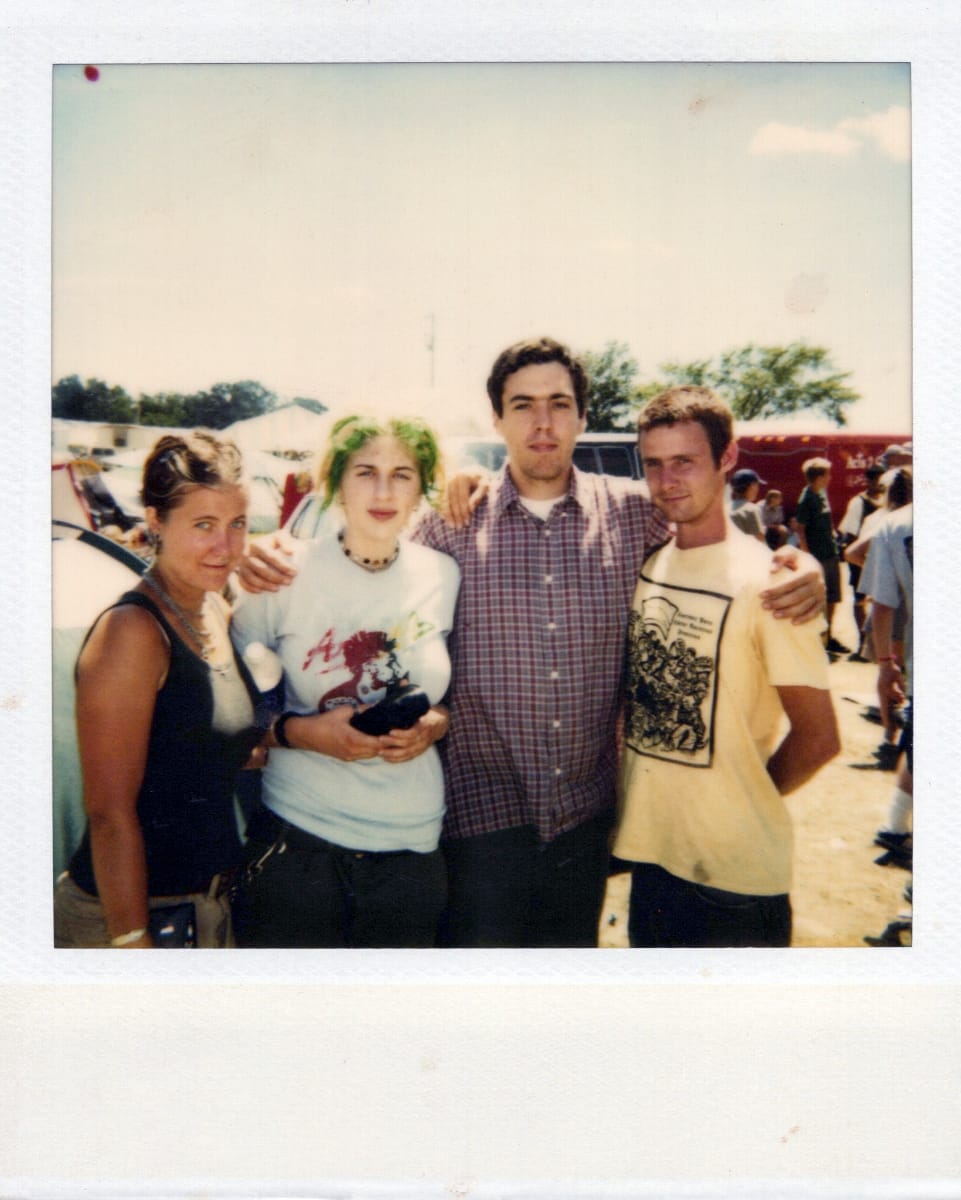
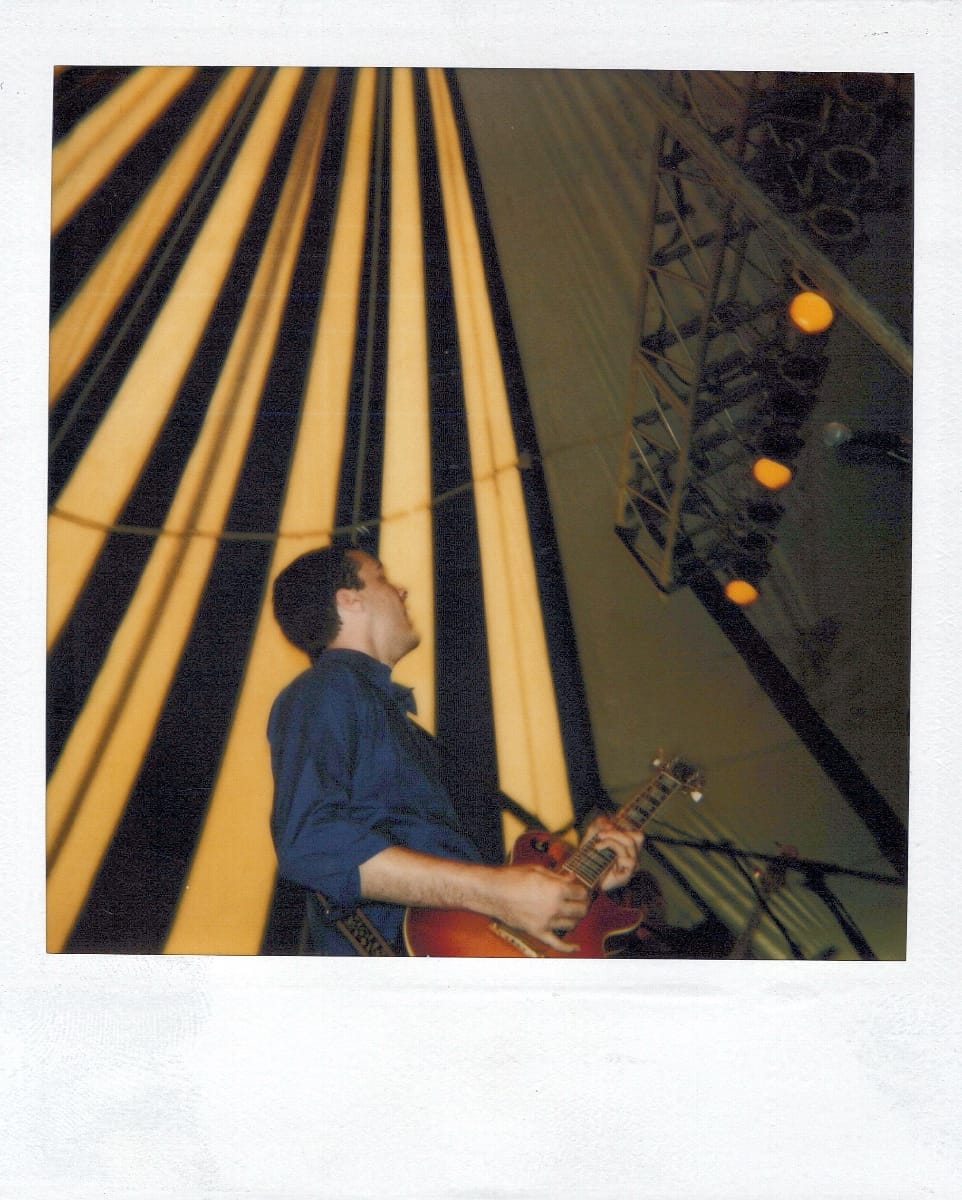
Photos courtesy of Adam Voith
Carolyn: I think something you tackle really well in your book is purity culture, and I think it's really hard to talk about touring or bands or rock and roll without the discussion of bodies and drugs and drinking; it permeates everything. How does purity culture affect this climate of touring? Is it having to hide a lot of things? Does it mean living a double life?
Adam: So much of what I experienced, and what these bands were experiencing at that time, had nothing to do with religion at all. It was a trap. So I think it's mostly what you said—it's a double life. It's straddling two worlds and figuring out when it's okay to be sexualized and when it's not, or when it's okay to swear, or when it's not, or smoke, or when it's not. I think a lot of people were leading double lives or repressing their desires in a way that was probably really unhealthy. I self-policed to some extent, but my parents and my church were policing too, and my whole enclosure was policing to make sure you weren't looking too far. It felt more like school rules than anything to do with scripture, religious theology, or philosophy.
Carolyn: In touring with Roadside Monument, were there unwritten rules or codes that you abided by? It seems like you were very free with one another, like it was a safe space for everyone to be themselves, at least collectively within the group, and not necessarily in the culture you're responding to.
Adam: We were all pretty good, well-behaved people. I mean, there was a little bit of drinking. I was a stoner. James was gay, mostly closeted, but yeah, it was pretty free. I don't think anybody was hooking up regularly in the sex, drugs, and rock and roll tradition.
Carolyn: When's the last time you went on tour with a band?
Adam: It's been a while, maybe ten years or so. But because of my job, I was at shows constantly. I saw artists I worked for and a large portion of their shows on tour. I was in the live setting from the time of the book until two years ago, when I tapped out. Constantly booking shows. Constantly thinking about tours. It became my whole life, and I stopped writing. I wrote early on, then stopped writing and publishing to do the booking agent job for twenty-five years. I lived and died in this world on every level. In the end, I booked really large bands playing arenas, but I also signed tiny bands with no audience and tried to build them up. It was all I did and thought about.
Carolyn: Did you burn out or have a personal epiphany?
Adam: I burned out in a pretty gnarly way. It was hard to leave. It was really hard to think about someone else booking the next Vampire Weekend tour. It still bothers me, honestly. It sort of feels like that after the pandemic, I woke up to a completely different world. I got into the business in a pretty pure, almost accidental way. I think my tastes matched up with the zeitgeist; I got assigned to some really large bands that got really big. I left the independent agency world and was working for these massive agencies. I woke up and was like, man, this isn't really what I want to be doing. It was definitely a burnout moment, and I probably should have quit a little earlier than I did. I loved my career. It was awesome. It was just the end, and after the pandemic, I never really found my legs again.
Carolyn: There is a scene in RIYL that's painted so well when you explain Roadside Monument's "Sperm Ridden Burden." There's a young woman with her bun coming apart on the bus—you realize she's carrying a baby in her arms. I haven't been able to suss out what's true and what's not.
Adam: I was thinking about this this morning, actually, because a lot of the people I'm talking to about the book are wondering about what's true. I've been saying no, or yes, or partially. Yesterday, I got a text from someone who said, "There's a scene that takes place in Taco Bell where the protagonist is eating Taco Bell for the first time and is scared of the foreign flavors of Taco Bell."
Carolyn: That's a real thing with a rural Indiana upbringing in that time period.
Adam: Absolutely. The person texted me like, "Hey, do you remember what you actually thought of the Taco Bell?" And I was like, "You know what? I don't know if that's real or not." I don't remember whether I made that up or if it's a real memory. There are so many things in the book like that. I mean, Scott dressing up as Jesus is completely fabricated.
I think that's actually what a novel should be, and why it's a novel and not a nonfiction book. It's a container for a story that's been fictionalized. You don't need to know that roadmap to get the book. I'm like, should I stop answering? Should I stop revealing things that I know are true or not true?
Carolyn: What made you choose the structure of fiction? Is it just too many people to implicate legally when you're self-publishing?
Adam: I did not think much about the legal thing. The people in it saw early versions and had a chance to object. It's a little unfair in that almost every name in the book is real except the protagonist, so I am a bit of a coward in that the "me" character is the most fictionalized. I did that on purpose so that I could lie and change timelines. I love the idea of a novel. I think it's a perfect art form. You are allowed to invent and create and use motifs and use certain techniques that don't fit the linear truth of something. So that's part of it.
The other part is that I have a terrible memory, and I just couldn't imagine a world where I could tell the story truthfully and tell the whole story. Not only do I have a bad memory, but I was a massive stoner for thirty years. So it's just like—it's all gone. I needed to invent. I needed to use composites and substitute things and whatnot to tell the story of what the Christian rock scene was like. I just felt like the novel was the right form.
In terms of how the narrative works, the book's concept is that each chapter is a transcript of the narrator speaking into a cassette recorder, making an audio zine about this scene and their life. I tried so many different ways to get the voice right, and I was looking for something that felt true, that allowed it to sound like a 20-something or teenager slash early 20-something instead of a 50-year-old man who was writing the book. It kind of gave me permission to be this character really bluntly.
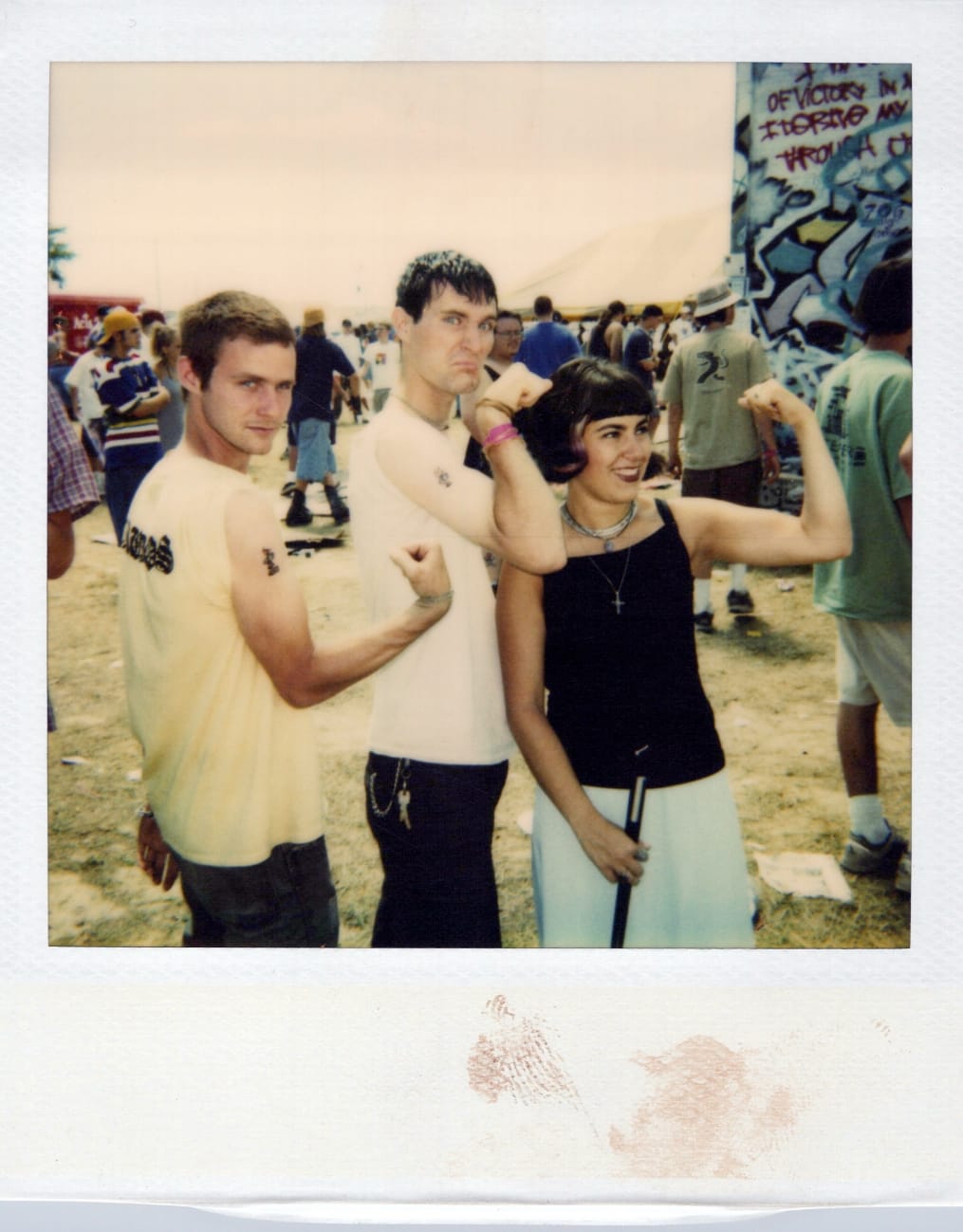
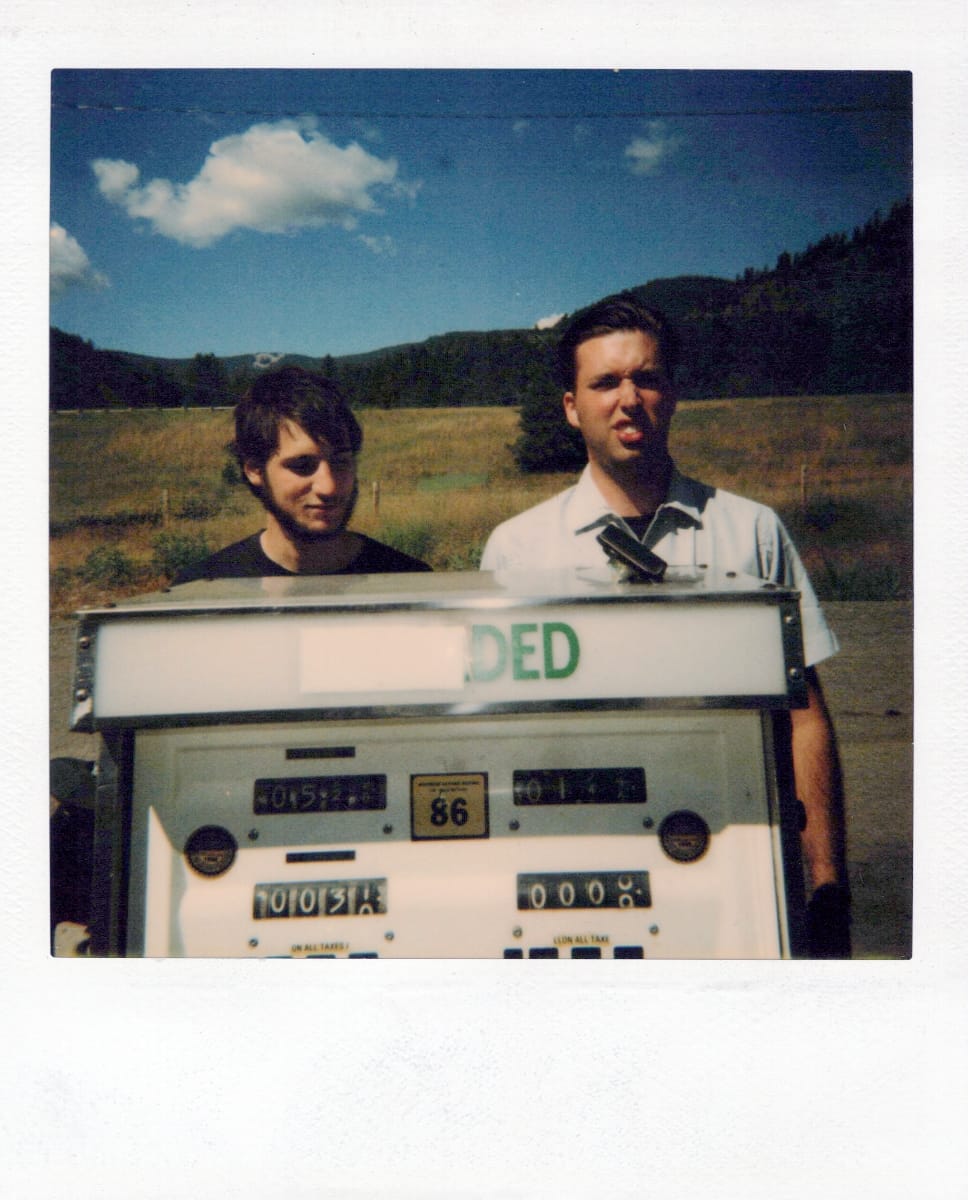
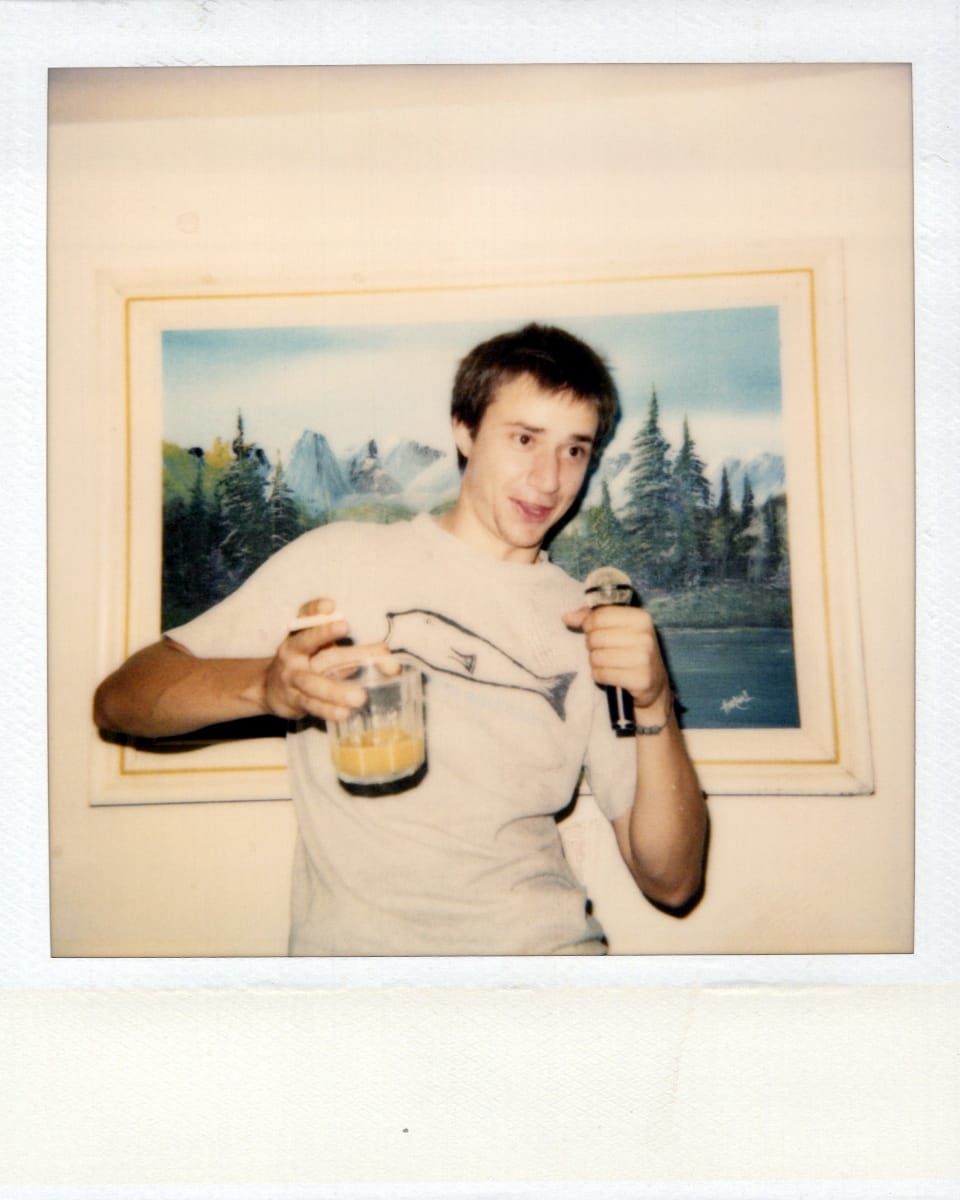
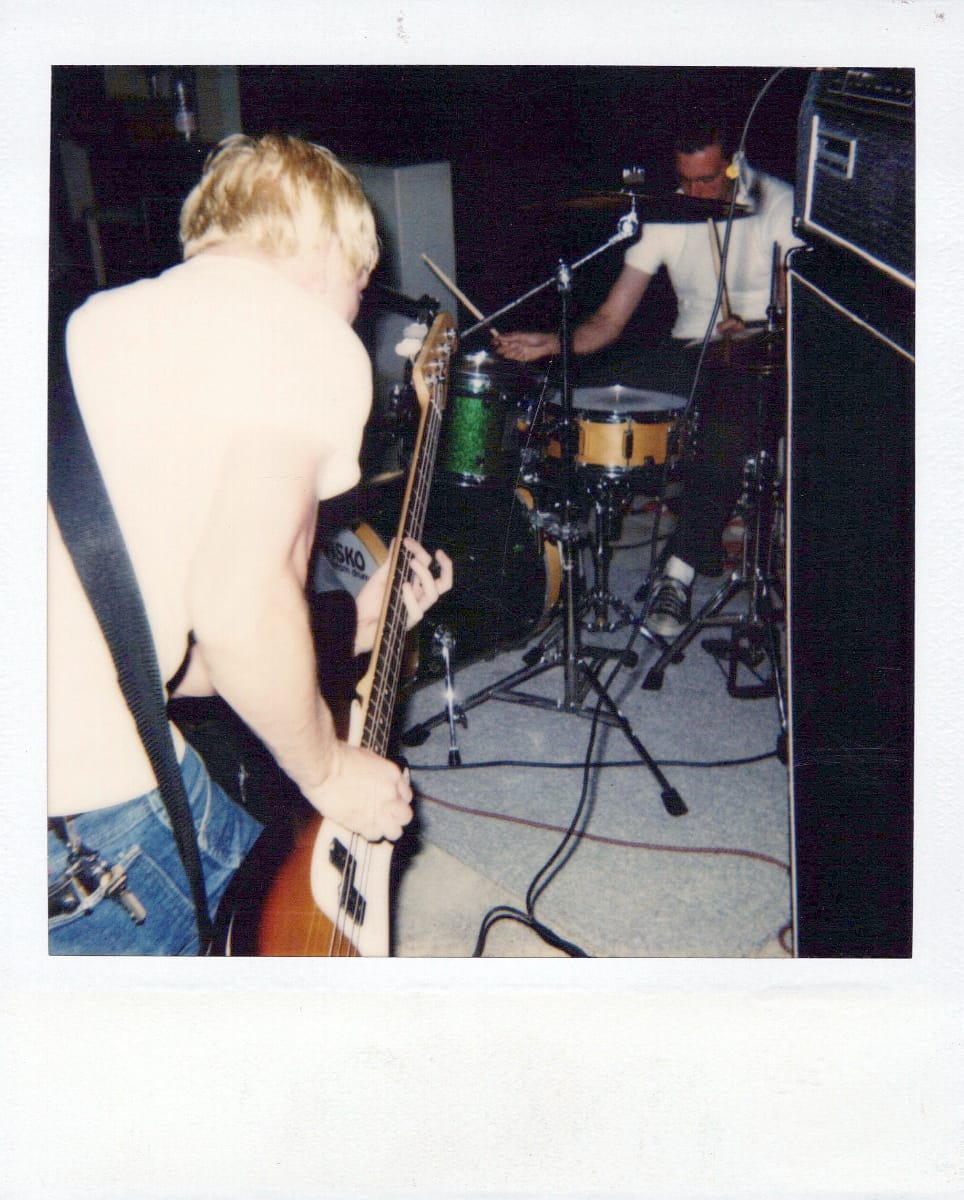
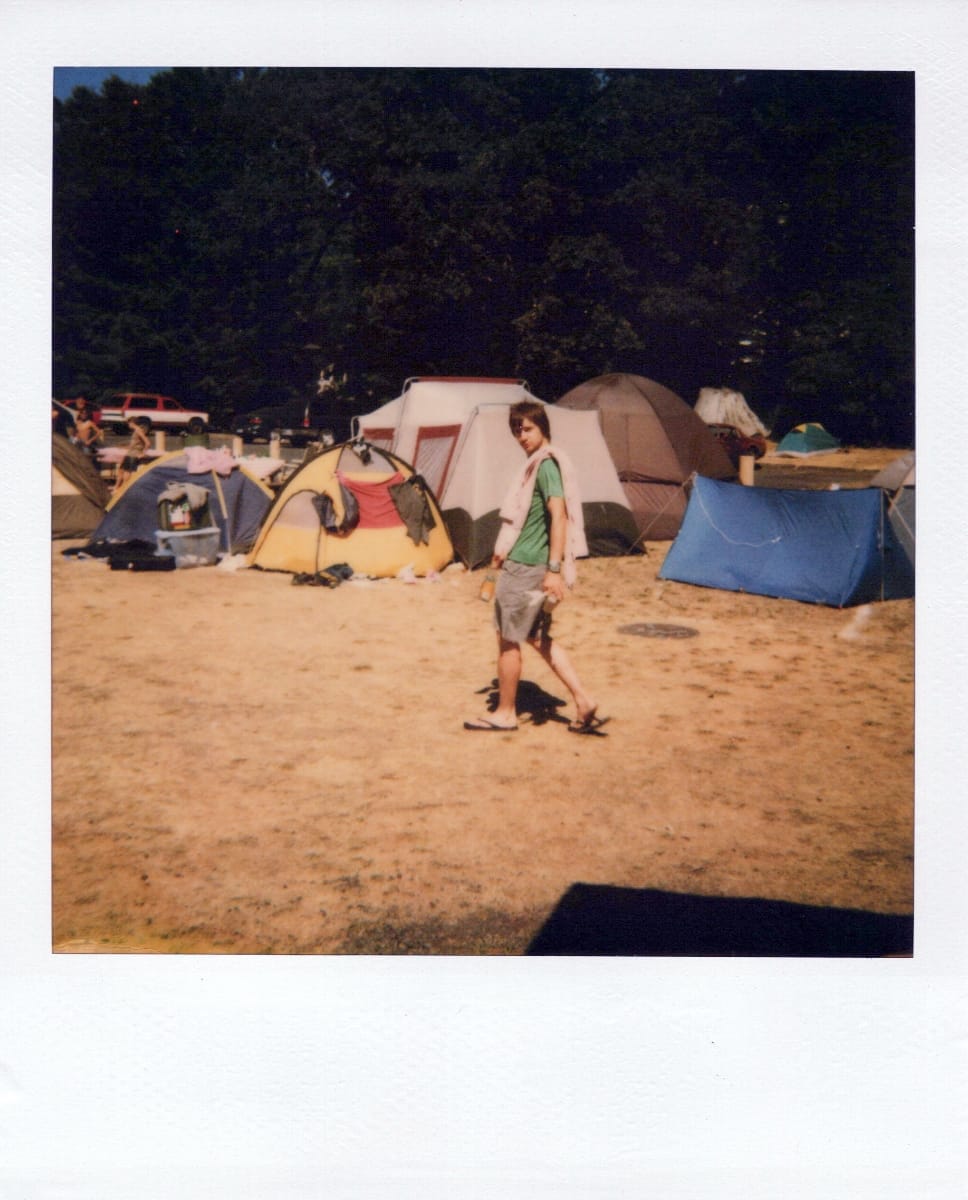
Photos courtesy of Adam Voith
Carolyn: When you were younger, did you keep journals or keep cassette recordings?
Adam: I think we all have our own mixtapes. Some journaling, although I didn't really read that much of them while working on the book. Once in a while, I would dip in a little bit, but some of them were lost. The main thing I have is this collection of Polaroids. I took a lot of Polaroid photos, and so those were my mood board the whole way through. I look at them all the time. I'm obsessed with them. It's like this very clear representation of that time. You know, they just really bring me back in a way that a lot of my memories are gone, but these pictures are like the stories themselves.
Carolyn: They really hit me viscerally too. I laughed because one of your Polaroids had the stripey Cornerstone tents. Just visually seeing that striped canopy, I was like, I can smell under that tent right now. That audience crammed against a live stage.
Adam: Everyone knows those tents.
Stay on top of The Tonearm.
Subscribe for exclusive interviews, cultural tip-offs, and community fun.
And your support keeps our site free of advertising and paywalls.
Carolyn: This book sounds like catharsis for you.
Adam: For sure. It's like a total cliché, but I truly closed the book on that period of my life. I had this book in mind for a number of years. For the first ten years, I imagined it as a very angry, judgmental book because I was feeling that way. I'm really glad I didn't write it then. I'm glad I got to a different place and had a different kind of softness for this world, with less shame and embarrassment about having been part of the least cool American youth movement of all time.
It seems like this is happening to a lot of middle-aged people right now who were part of the evangelical world in the '80s and '90s, and maybe the early 2000s. You weren't really looking to go advertise this shit. Ten years ago, when Trump arrived on the scene, I was like, "Oh, I saw this coming." I almost felt complicit in having participated in the evangelical culture that led to this.
Carolyn: What do you think was the impetus in your life that really caused you to probe this?
Adam: You could just say it's a midlife crisis, the way I'm publishing it and the way I'm putting it out there and doing it on my own and making it free and touring it like I'm in a band instead of going to bookstores. It all feels very midlife-crisisy to me in the softest way. There wasn't one moment that clarified that the time is now, except the pandemic, because my job just completely stopped. I was restless, and I was like, now's the time to write the book. In some ways, the universe, outside of any cultural thing or religious thing or trauma thing or any of that shit, just gave me time to do it.
Carolyn: What is prompting you to give your book away for free? That's a very punk ethos.
Adam: It's for a couple of reasons. One is that because of the burnout I experienced with the music business, I was like, "How do I do this so it doesn't feel like business?" That's also sort of why I didn't try to find an agent or publisher. I'm not looking for a new career, you know. So how do I do something that's not attached to business? That was the main thing.
It's not like a revolutionary new model that I think everyone should follow. It's a really stupid model if you are trying to survive. It's not a good way to do it. But for me, it made sense. Then I had this idea that, for various reasons, if I do it this way, more people will read it, and I don't know if that's true. It's yet to be seen, but it's really hard to sell books. It's a totally fucked up industry for small, unknown independent authors; the numbers are atrocious, even for a book that's well reviewed and seems to show up in a lot of places. It's insane how low the stakes are. Part of me was like, I wonder if I can turn it on its head a little bit.
Carolyn: Something that I feel is going on culturally—or maybe I'm aging out and starting to struggle with youth culture—I feel like sometimes people don't have any tools anymore for anything, whether it's repairing a shoe or why you need to see people in person. We're all so hidden. I mean, it's funny; just like riding the Amtrak between Baltimore and Philadelphia, I just see kids filled with such anxiety. But you, as a kid, you're out there sleeping in a truck and hawking physical media and working the phone. What is it like watching these kids come to Nashville and negotiate the current music business?
Adam: There was a thing that happened that was a dramatic change. One day, every new band and kid songwriter knew everything about the business from the jump. They were highly informed about everything. Whereas the day before, the joke I make is that when I met Vampire Weekend, one of the members, on our first meeting, legitimately said, "Do we actually need a booking agent?" But the next day, every band knew every booking agent. They knew their rosters. They knew their personalities. They knew everything, and it obviously is all social media. This internet accessibility to information exploded in a different way, and I was frustrated with it. Now everyone is their own entrepreneur, and everyone is their own marketer.
I find this very, very different from what we Gen Xers saw and experienced. As an old man, I'm sick of knowing what my favorite artists are wearing every day. I fucking don't want to know so much about you. I want there to be mystery. I don't want to see a recap of your show where I know your moves, what your production looks like, and your set list. This is not cool. For a long time, it was really exciting when access was there, and it felt almost egalitarian behind the scenes. That was fun for a while, but I'm fucking over it. Don't show me your fucking green room. Don't show me what your tour manager looks like. I don't want to know if there's a tour manager. I want this to be magic.
I think, as an old man, I'm just gonna keep blaming myself and aging, but I do think something else is happening here: some of the mystery of what art-making is and how it intersects with commerce is lacking, and that mystery was part of the sexiness and appeal of it all. I feel sad for young artists who just know too much. They're motivated to crack the mist, remove the mystery, and solve it like a math equation. No, you should make amazing art.
Carolyn: I feel like there's this pressure to become a brand, not a person.
Adam: The reality is, I do feel like I am spending a lot of time and energy to create a persona and a brand with the magazine, the publishing house, and my book. I hope that it is clear that it's mostly just one person doing those things. It's an individual. It's not a collective. It's one dude, basically doing this stuff. I hope that's clear because that part is interesting to me. That it's still possible and can feel really good to that person. I'm not a purist. I know that I'm playing the game. I know I'm doing these things. I just want it to feel good for me. I'm pleasantly surprised when it lands the way I hoped and doesn't feel cheap.
Carolyn: What do you think happened to popular Christian music? Where is it now? I really don't think we're going to have anything back like what Tooth & Nail did. I think it's gone.
Adam: Oh, it's definitely gone. There's no need for it anymore. That version of keeping things separate is not possible anymore. There's just too much information available to kids right away. So I just don't think it's ever coming back. There's a little joke in the book at the end that, as the book is signing off, it's predicting Pedro the Lion arriving on the scene and saying that this is the end of Christian rock. For a long time, I actually believed that was the end of Christian rock. But now I'm like, "Oh no, the pop Christian world is still huge." There's no underground. There's no secret parallel universe, but there is still a market that is marketing itself as spiritual music that's massive.
Carolyn: So you're going to get in your car next week, and you're going to drive around and talk to people one on one and meet in person. What is the best thing that could happen to you on this book tour? Whether it's a personal epiphany or you just get to meet with somebody that you'd forgotten about from Cornerstone '92. What do you hope for? Because you visualize a lot. I can see you thinking about yourself.
Adam: Damn, you have my number.
Carolyn: Be honest with me. I see the PR answer formulating.
Adam: I am. I want to be taken seriously as a literary writer. You know, I was taken seriously as a booking agent. I'm sort of taken seriously as a publisher. I want people to take me seriously as a writer.
Check out more like this:
 Damien Joyce
 Carolyn Zaldivar Snow


Comments