


Now Playing on The Tonearm
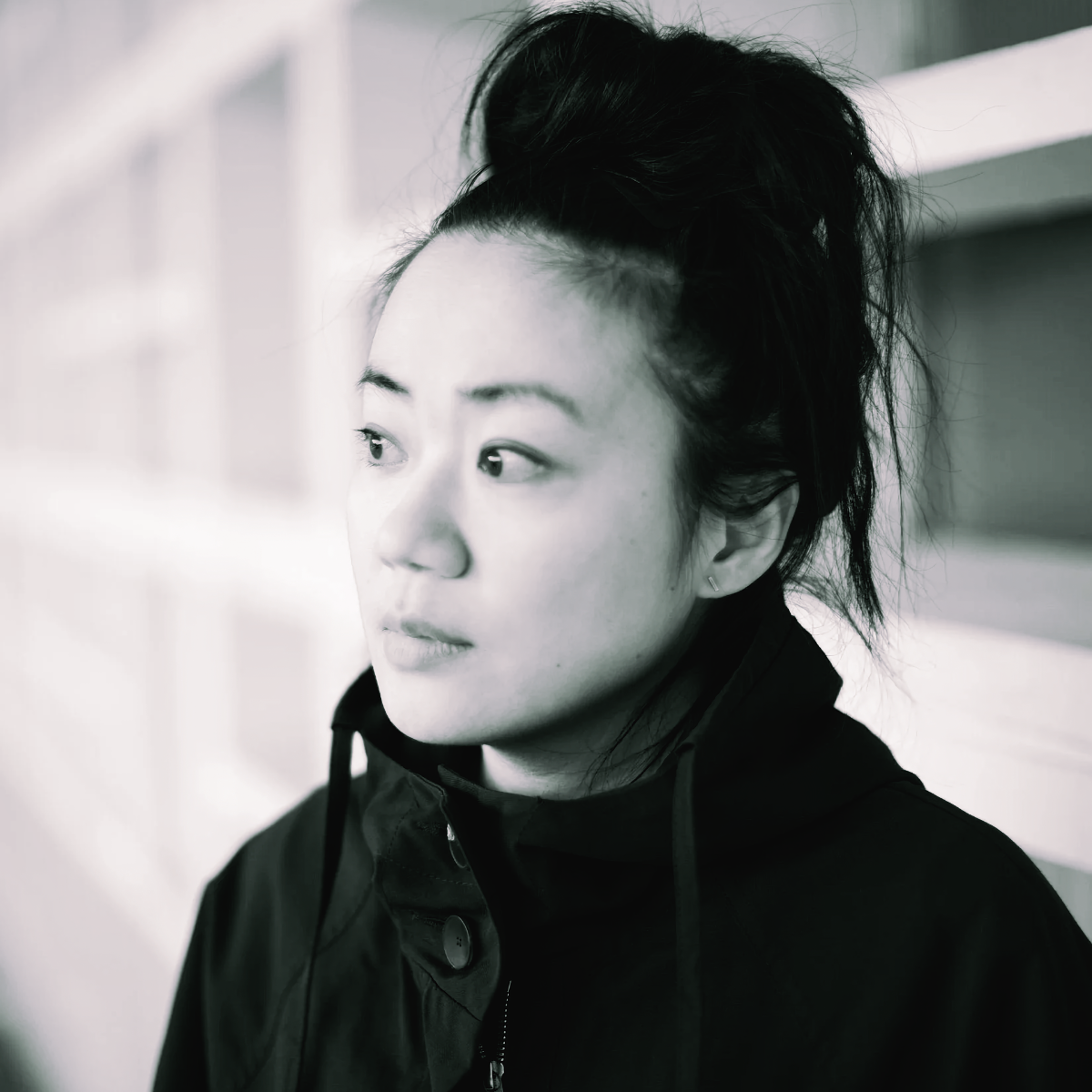
Midori Hirano’s Hushed Score for an Icelandic Witch Tale
Writing ‘The Juniper Tree’ for Nietzchka Keene’s 1990 film, the Berlin composer set piano against modular synths, worked birdsong and water into the score, and made room for the Japanese idea of ma. Interview by Lawrence Peryer.
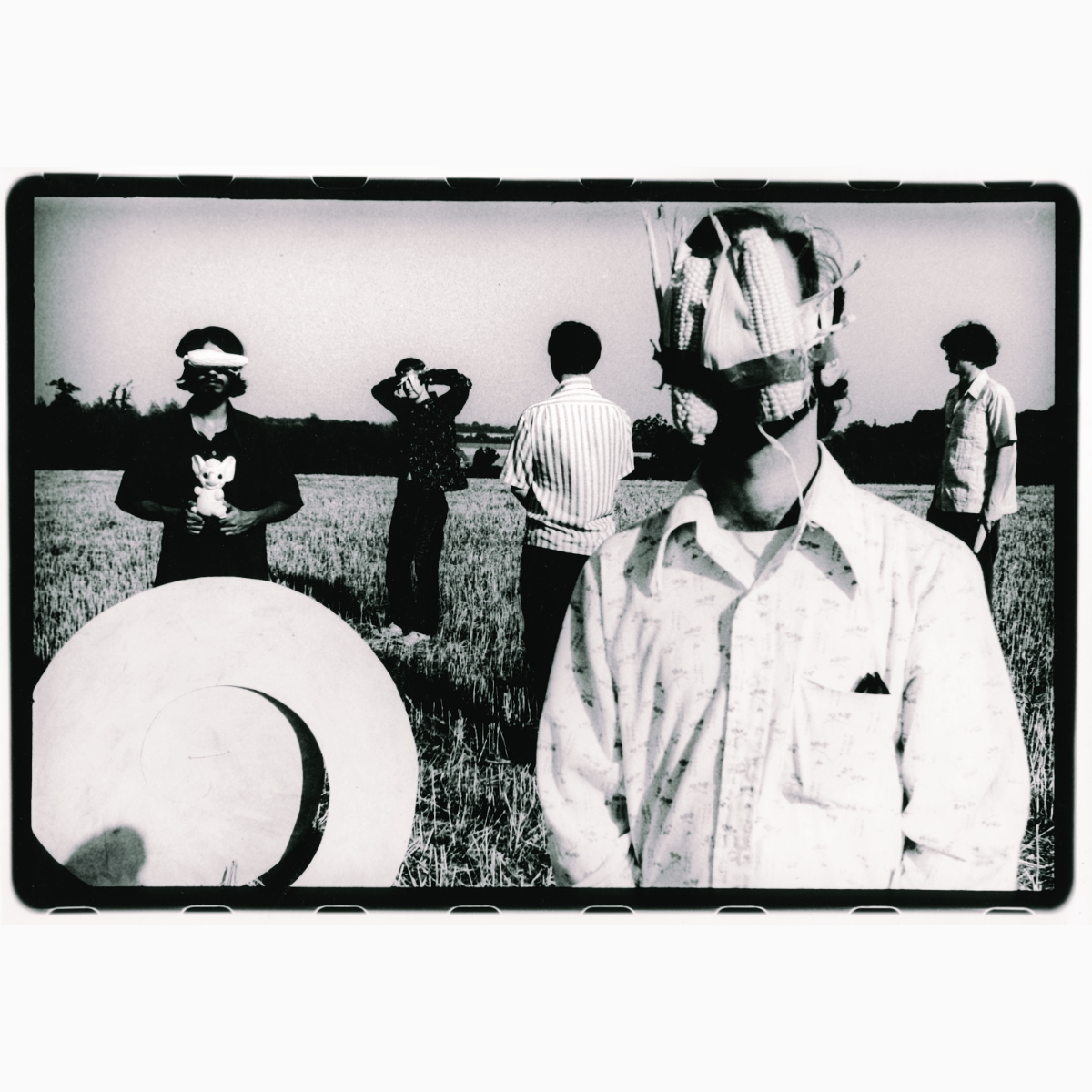
The Long Afterlife of the Olivia Tremor Control
‘The Same Place’ arrives more than twenty-five years after ‘Black Foliage,’ finished by Derek Almstead and Jason NeSmith, determined this time not to let grief stall the work. Interview by Bill Kopp.
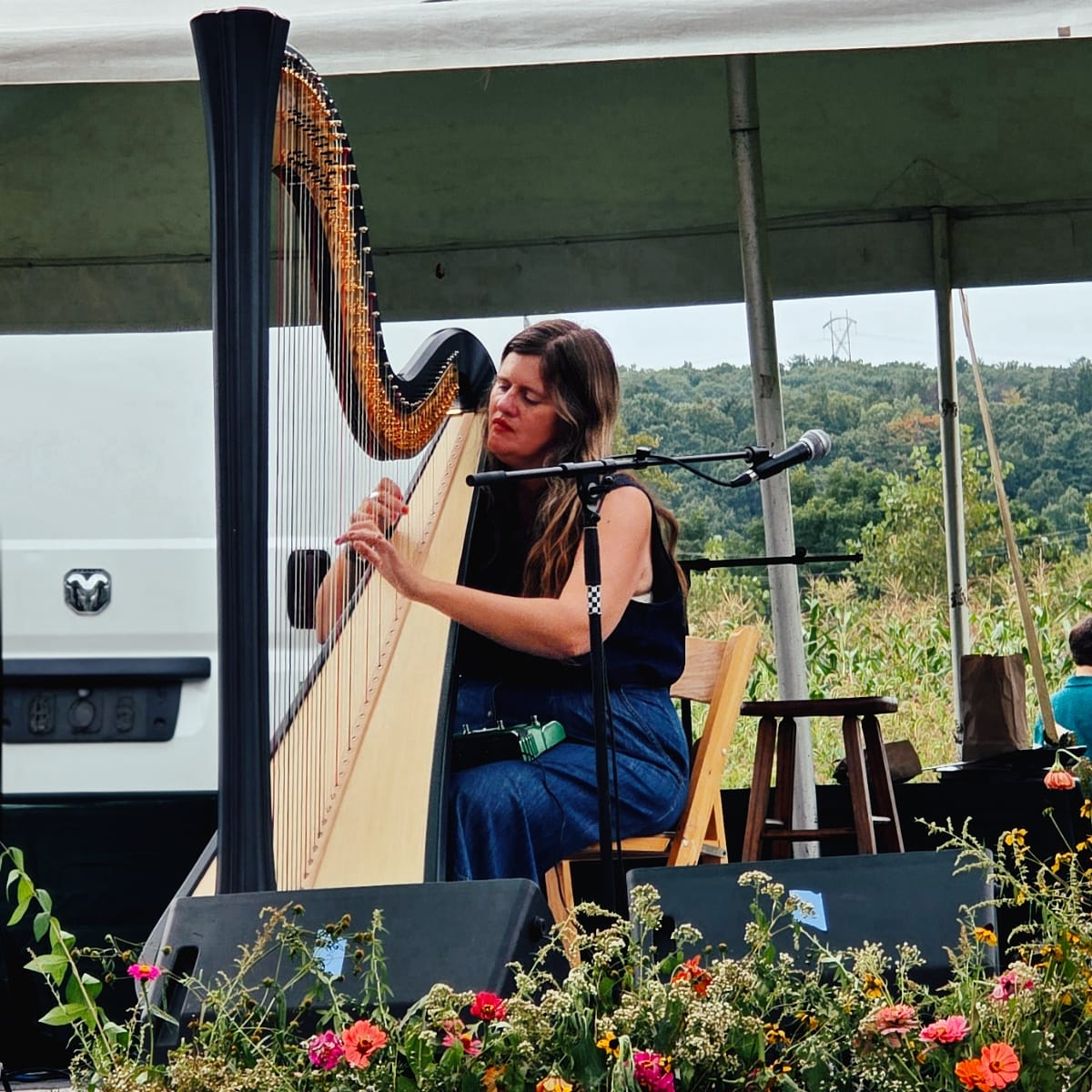
Mary Lattimore Drops In on Plantasia
A dispatch from the 50th-anniversary celebration of Mort Garson’s ‘Mother Earth’s Plantasia’ at Seed Song Farm in Kingston, New York, with a conversation before soundcheck about improvising to the landscape, whether plants listen, and the dawn drive to Philadelphia for Making Time. Interview by Carolyn Zaldivar Snow.
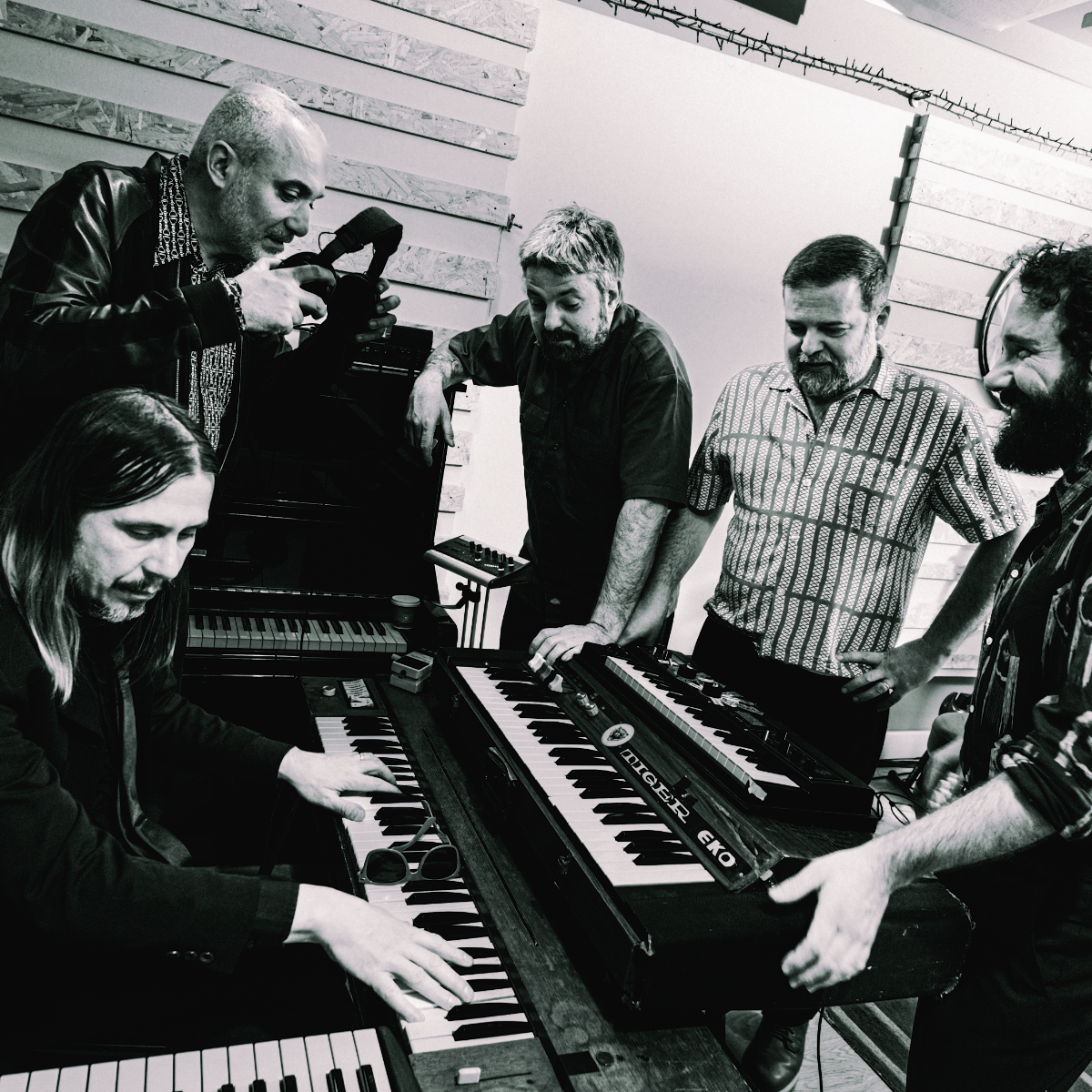
Calibro 35 Follow James Ellroy’s Cadence Through the Back Alleys
Scoring Francesco Zippel’s documentary ‘Ellroy vs L.A.,’ the Milanese band trace noir from Hammett and Chandler through the poliziotteschi of the 1970s, the films whose soundtracks Calibro 35 set out to revive in 2007. Interview by Tony D’Onghia.
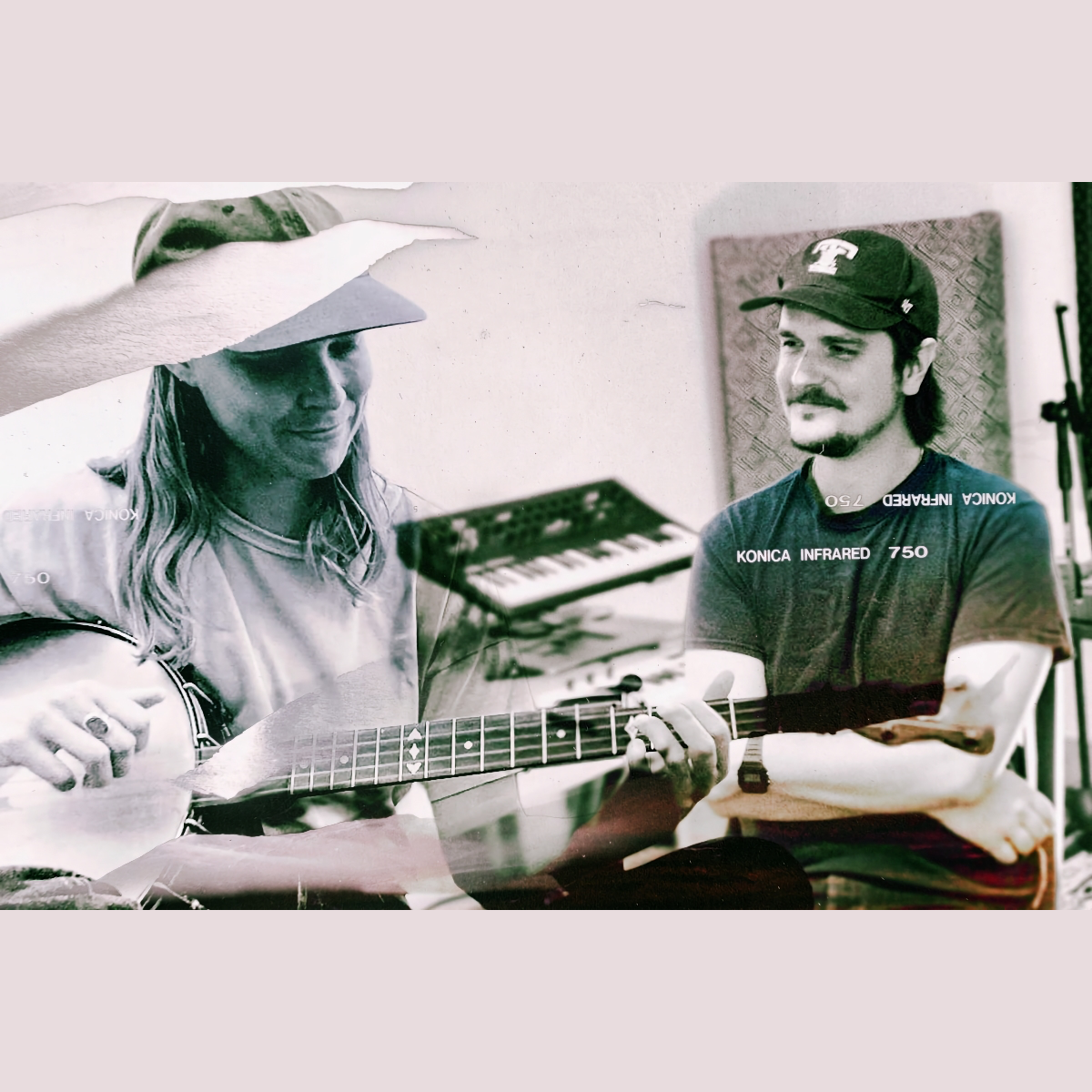
Allison de Groot and Rich Ruth Coax the Banjo into Orbit
On their self-titled debut, Allison de Groot and Rich Ruth talk through old-time music’s rigidity, influences from Joanna Newsom to Steve Reich, and two-second banjo loops as the pulse of the record. Interview by Sam Bradley.
This Week’s Episode of The Tonearm Podcast
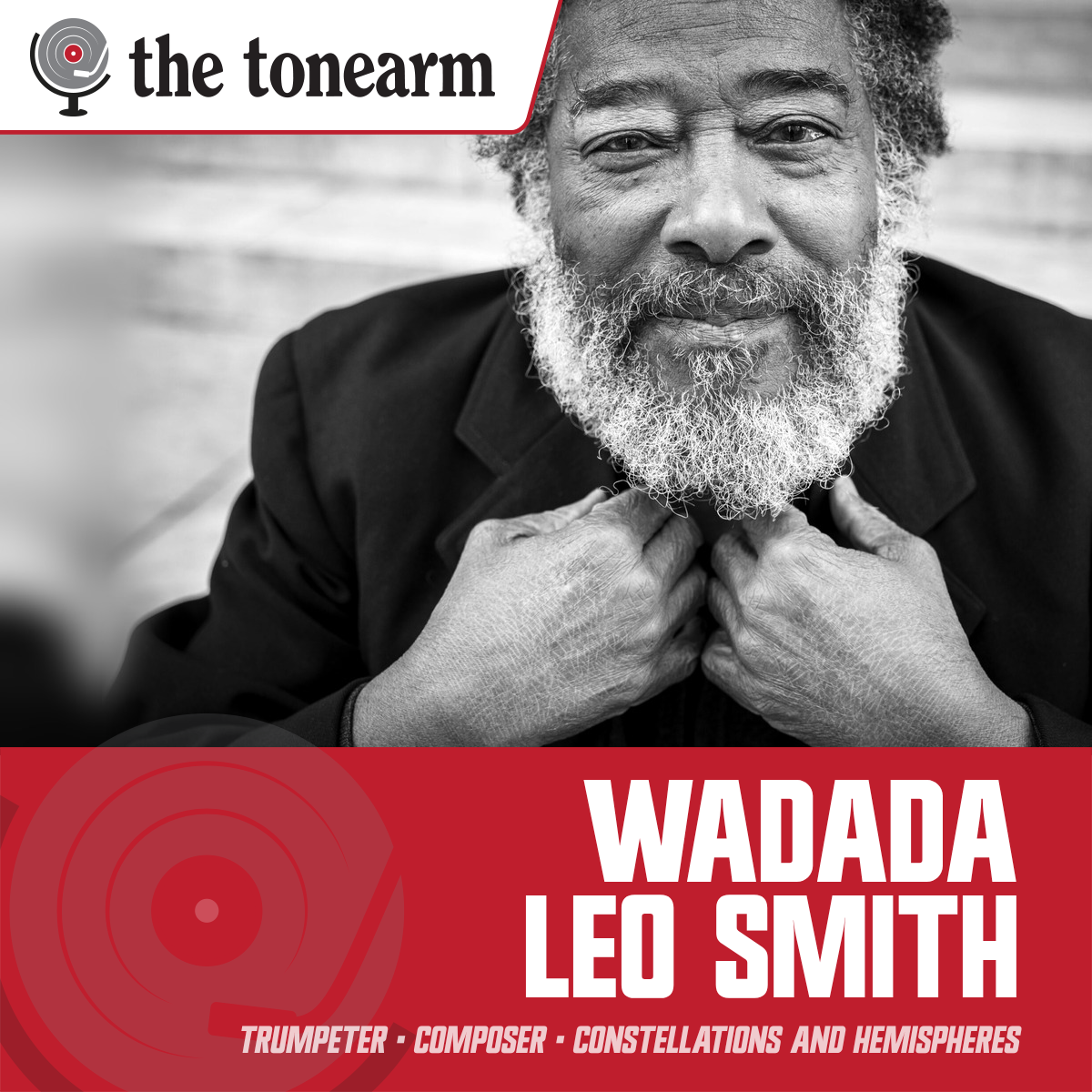
Wadada Leo Smith: A Trumpeter Composing in Light
The AACM veteran joins us to discuss ‘Constellations and Hemispheres,’ a record he built like a dub producer from four ensembles, and the color research each player was asked to keep secret from the rest of the band.
The Hit Parade
“The Fugs existed to protest against the American war machine, as much as we did to make music, and we understood that spectacle draws attention. So to suggest we were going to try and levitate the Pentagon, well, it might sound ridiculous but it gave a focus to our protest and attracted a lot of attention.” ❋ “Kraftwerk fitted into a tradition. We didn’t. We threw things onto the wall for people to try and make sense of. We wanted people to make their own shapes out of what we threw at them. We weren’t offering solutions, we were just offering scenarios.” ❋ “On a more philosophical level, those Burroughs cuts — into a word or into a phrase — are something like a metaphor for how an improviser sees the moment. The cut itself cuts language, intonation, immediately, into the past and the future — so it is what has happened and what might happen all at once.” ❋ “Making any art is mud slinging, then clearing away what isn’t necessary until you like it. Then sling some more mud. I put hours of effort into trying to be a good producer but in the end the best results are graft accidents. I do think those chance events and the chances of them occurring are increased by showing up regularly.” ❋ “Langston Hughes really wanted to have a hit song written. He’d been trying since 1949 to break through in music . . . The last poem that Hughes ever sent out for publication was called Backlash Blues. It’s the poem he gave to Nina to sing that became her iconic song.” ❋ “You could describe [Taking Tiger Mountain (By Strategy)] as a loose concept album involving espionage, geopolitical intrigue and the Chinese Communist Revolution, but that would give you only the faintest idea of what awaits inside. It’s a bit like saying Salvador Dalí’s ‘The Persistence of Memory’ is a painting of some pocket watches.” ❋ “Rivbea, like the other lofts, had given musicians exposure and the opportunity to develop music unconstrained by the need to help club and bar owners sell booze.” ❋ “Chuck Berry made it possible for me and millions around the world, listening in the 1960s and onward, to think that all of the music we loved was somehow a part of what was called rock & roll . . . Whereas now ‘rock and roll’ definitely is a genre of pop music, neither a huge market force or felt as a social force.” ❋ “Piazzolla’s New Tango is structurally contemporary chamber music and aesthetically music about the far reaches of emotional and erotic passion, places beyond words, things that cannot be stated with words and barely kept safe by music.” ❋ “More than four decades later, I find myself thinking about Ovation Records again. It was an odd little label in an odd stone building in suburban Chicago, caught somewhere between quadraphonic sound, Nashville country and the music I thought was going to change the world.” ❋ “It is Burra who captures the Britain that was dying just before punk, often in strange, menacing tableaux, full of outerworldly cynicism. His pictures show British earth ripped up by humanoid machines, or parched landscapes seemingly devoid of futures or fruitfulness and populated by ghosts . . .” ❋ “The rapid arrival of the new audio environment has left the gallery behind, favouring pop-ups and festivals, brand activations and elaborate home audio set-ups over the avant-garde physicality of pioneering sound practitioners. The work of artists like Christian Marclay, Laurie Anderson, Janet Cardiff, John Cage, and even Brian Eno and David Byrne, achieved its transcendence without the need to sell something else.” ❋ “Maybe this is what happens when a scene becomes a memory. The messiness gets smoothed over, the cast of characters gets smaller, and eventually a culture that once resisted easy definition starts to look remarkably uniform in retrospect.” ❋ “Ulery played a bass solo at the top of the last number. A wave of shhhs fanned out around the club. It took me a few seconds to register that they were coming not from Green Mill employees but other patrons. The kids who had stumbled in after a few drinks were now leaning forward, clinging to Ulery’s every last note.” ❋ “We’re constantly banging our heads, not at the presence of the fascists, but at the attitude of the apolitical fans . . . Whether they understand it or not, they protect the fascists themselves.” ❋ “Artists are sticking their hands into the proverbial muck to re-fashion ancestral folk, invent syncretic mythologies, and tinker with mechanical music objects that give this medieval subculture a new level of sincerity and appeal.” ❋ For more curated music links, be sure to follow The Tonearm’s feeds on Bluesky and Mastodon.
New Music Recommendations: ALLVEI - ALLVEI (RIYL: free improvisation for guitar, sax, and drums threaded with orchestral drone; Nik Bärtsch’s Mobile, Wacław Zimpel) ❋ Caleb Wheeler Curtis & Jason Moran - Incantation (RIYL: sax-and-piano duo jazz from post-bop to free, in a line through Monk, Dolphy, and Jaki Byard) ❋ gyrofield - Great Jobs (RIYL: halftime dub sway and spiky post-punk rhythm in odd time signatures, brushing past EBM and IDM) ❋ Josh Johnson - Animative (RIYL: saxophone-led LA jazz with FX; SML, Jeff Parker’s ETA IVtet, Meshell Ndegeocello) ❋ Kin Hana - Howling World (RIYL: drone folk breached by doom and post-rock feedback; Jason Molina, Mount Eerie, Pink Moon) ❋ Orchestra Baobab - Made in Senegal (RIYL: Afro-Cuban big band fused with Wolof griot tradition, mbalax, and Congolese rumba) ❋ Stephan Crump - Passerine (RIYL: bass-led quartet jazz in long forms; Dave Holland, Henry Threadgill, Mary Halvorson) ❋ Third Coast Percussion & Jlin - Vernacular (RIYL: a percussion quartet playing Jlin’s music with her on electronics, plus David Longstreth and Philip Glass)
The Deepest Cut
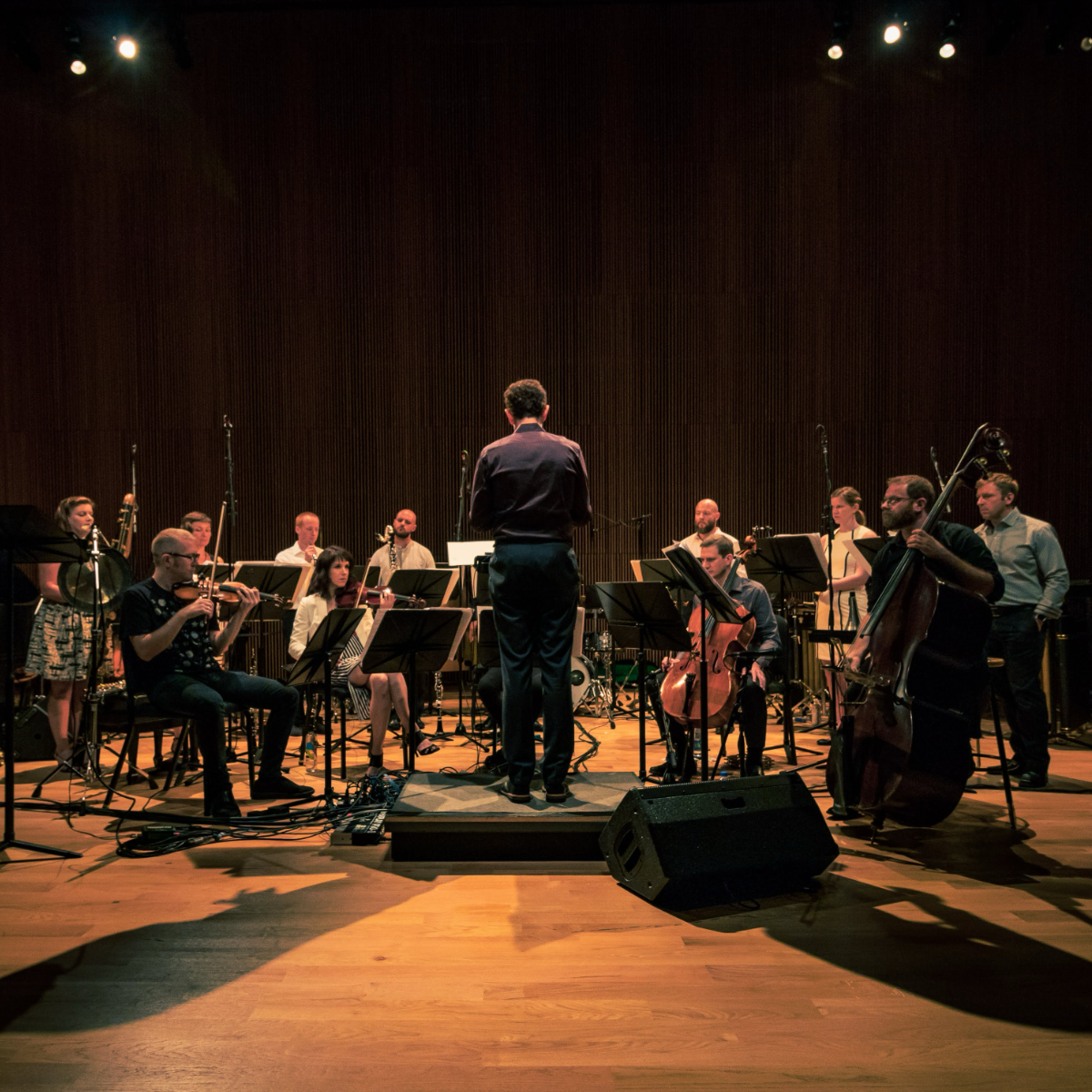
Alarm Will Sound grew out of a 1999 student performance of Steve Reich’s Music for 18 Musicians at the Eastman School of Music and made their New York debut in 2001, playing Reich at Miller Theatre. The twenty-member ensemble have since worked with Dirty Projectors on The Getty Address, joined Björk at Carnegie Hall to launch her Vulnicura tour, and this year won a Grammy for their recording of Donnacha Dennehy’s Land of Winter. Earlier this month they returned to Reich, closing out Music for 18 Musicians: Staged Variations, three back-to-back performances of the piece by three ensembles at the Park Avenue Armory for the composer’s ninetieth birthday. Their conductor, Alan Pierson, conceived the production, and The Tonearm’s George Grella called it a once-in-a-lifetime experience.
New Acoustica, out now on Cantaloupe Music, is the sequel to 2005’s Acoustica, which reimagined Aphex Twin’s music for acoustic instruments. The new record spans a wider field over eleven tracks, setting arrangements of SOPHIE’s “Faceshopping” and Jlin’s “Black Origami” alongside four pieces written for and with the players. Styrofoam and bubble wrap stand in for synthesis next to the strings and brass, and the album is the second installment of AWS 25, a year of albums and concerts marking the group’s twenty-fifth anniversary.
All this activity raised some questions, so I reached out to learn more. Pierson, who co-founded the group, answered on its behalf with generous insight into following the originators and the students into the Armory, the faster tempo Alarm Will Sound brought to their performance, and whether Reich’s audible process carries over to hand-played electronic music. Then came the closing question about something he loves, which hurls us into the final frontier.
Alarm Will Sound is a collective of musicians who take on the most exciting music being made today and create exciting concerts and recordings. Back in 2002, we dreamed of taking electronic music by Aphex Twin and turning it into acoustic music that we could play. And that brainstorm led to our album Acoustica, which was created by obsessively listening to Aphex Twin’s music and then learning how to recreate it for our instruments.
All these years later, we wanted to come back to the idea of Acoustica, of making acoustic versions of electronic music. Where Acoustica was a really intense focus on one artist, this is a really broad focus on the wealth of different kinds of electronic music, and of different kinds of artists working in electronic music today. With New Acoustica, we were interested in developing deeper partnerships and deeper collaborations. Lucrecia Dalt, for one, was really interested in using our sounds as raw material. Rather than start with electronic music that then we arranged, Lucrecia worked the other way around. She came into workshops with us and guided us in making sounds that she thought would be fruitful for her to take away and use to create music on her laptop. And then Lucrecia created a piece for us using our own sounds, reordered and structured in a way that expressed her.
[Sharing the Armory with the Reich Ensemble] was really moving. Bob [Becker] and Russ [Hartenberger] are the heart of the Reich Ensemble, and the kind of calm fluidity that they engender when they’re at the marimba laying down time for everyone is just incredible. To have the chance to bring them together twelve years after they last played together—they’re in their eighties now—to play this piece that is at the heart of their repertoire, and then be in the space and be with them while they did it was really inspiring, beyond anything that my twenty-year-old self could have imagined that I would produce.
The faster tempo Alarm Will Sound took was really about understanding the shape of the show. The third hour needed a kind of ritualized religiosity that was going to take us into a reflective, spiritual place, and a place of great expanse, as the players in Alarm Will Sound got further and further apart around the audience. In a conversation during these performances, Nico Muhly asked Steve, “Is your music fast or slow?” And Steve laughed because the music is both: it’s fast and slow at the same time. It became clear as we were developing this project that what’s really needed at that moment is a kind of extremity of both, for this reflective transcendental experience to have a really fast tempo driving underneath, and then a feeling of floating stillness on top.
When we were students at Eastman, Reich’s music was not really part of the inheritance that we were being given. It wasn’t what our teachers were teaching us. The group of us that eventually became Alarm Will Sound took a stand and said, “This is important work too, and we want it to be part of our canon.” Today that just seems like an obvious thing to say, but it didn’t then.
I really love Reich’s idea of there being no secrets in music, that what’s happening is laid out for all to see. I can see how playing electronic music on acoustic instruments, in a similar way, takes you inside of it as a listener and shows you the different layers. Because we were in collaboration and conversation with these artists, we were able to get from them stems, which are the individual layers of the track. I remember at one point, we were working on the “Family Galaxy” arrangement, and our drummer Matt Smallcomb called with this very exciting discovery hidden in one of the stems: the sound of a battalion marching that starts in time with the rest of the ensemble, and then goes into this polymetric relationship. I didn’t know it existed, but Matt told me about the “marching machine,” which is a wooden contraption played on a table, and it sure sounds like a battalion marching. It’s a delight to see being done live in performance, and it realizes a rhythmic layer on the original track that we would not have discovered if we didn’t have the stems.
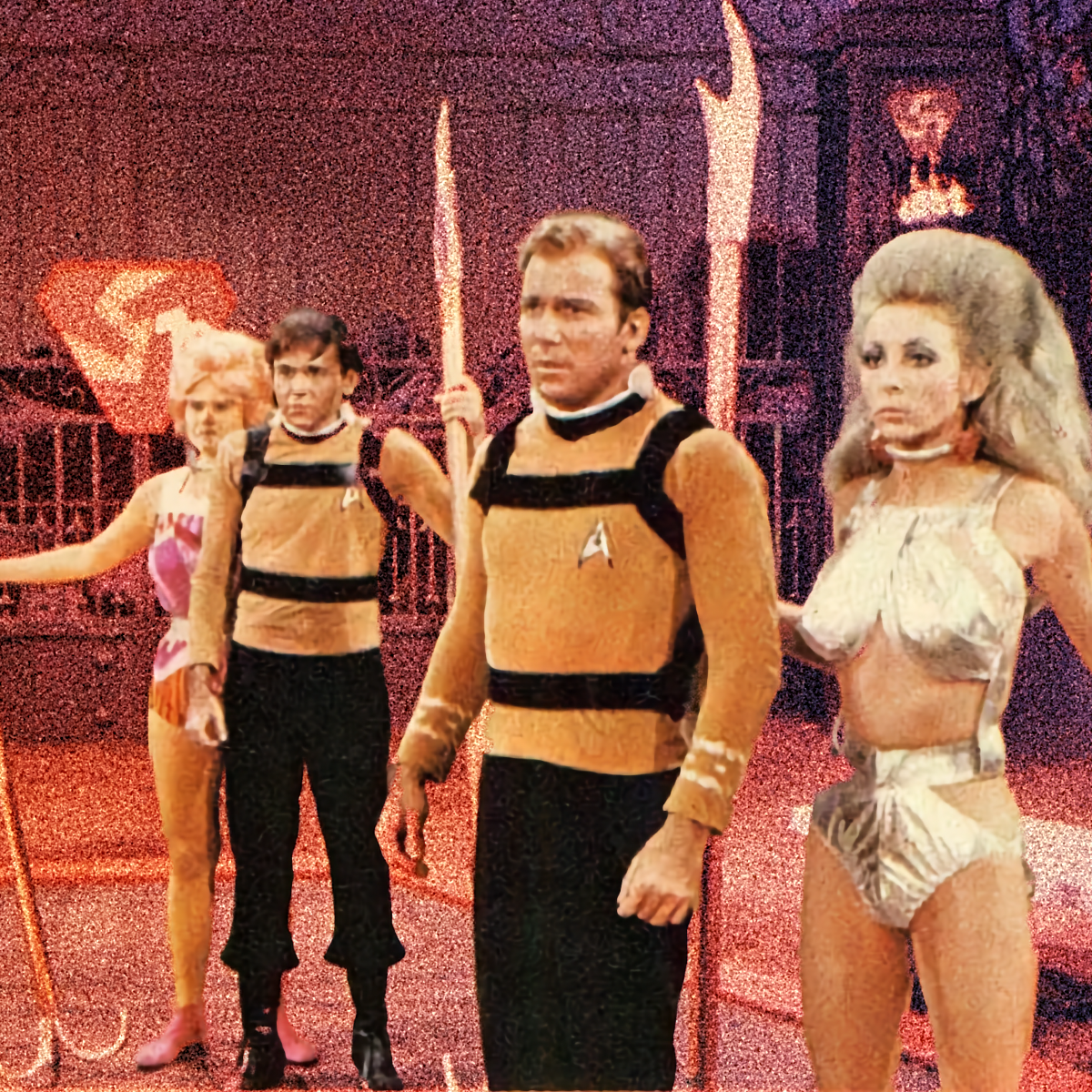
Pierson took the opportunity to beam down something he loves:
One of my secret loves and comforts is Star Trek. I grew up with it as a kid, and it’s big in my subconscious and cosmology. I think it informs my sense of who we are as a people and where we’re going.
I never really imagined Star Trek connecting to my musical life, but Matt Marks—our founding horn player, and a composer—had this really wonderful concept that he called “the shame remix.” When somebody commissioned him to write a piece, he would ask them, “What’s the music you’re most ashamed that you love?” And he would create a remix of it for them, that then they would play. Matt and I talked about the idea of his creating a Star Trek shame remix for me.
Very tragically, he passed away in 2018. But then for my fiftieth birthday, my husband Paul and our families got together to commission Alarm Will Sound’s pianist and composer John Orfe to write, in the tradition of Matt Marks, a shame remix for my love of Star Trek and Star Trek music. And it is the nicest gift I’ve ever been given. It’s called “Make It So,” and in it, John remixes my favorite Star Trek music and a kaleidoscope of new music references, some of which you might get if you’re deep in the new music world. And then there are in-jokes that you would never get, but the density of references is extraordinary. You can check it out on Bandcamp.
The Run-Out Groove
- The Tonearm is a reader-supported publication, free of advertising and paywalls. Our supporters help fund our writers and make the site possible. Please consider joining and helping us to continue our mission.
- Join the rapscallions of The Tonearm on our new Slack community.
- Sign up to receive our latest articles directly to your inbox in a snazzy, easy-to-read email version. Just go to your account, manage your email preferences, and flick the lever to receive The Total Tonearm.
- The easiest and best way you can help us? Please share this newsletter and our stories with your friends.
Thank you for reading! We'll see you again next week. 🚀


Comments