


Now Playing on The Tonearm
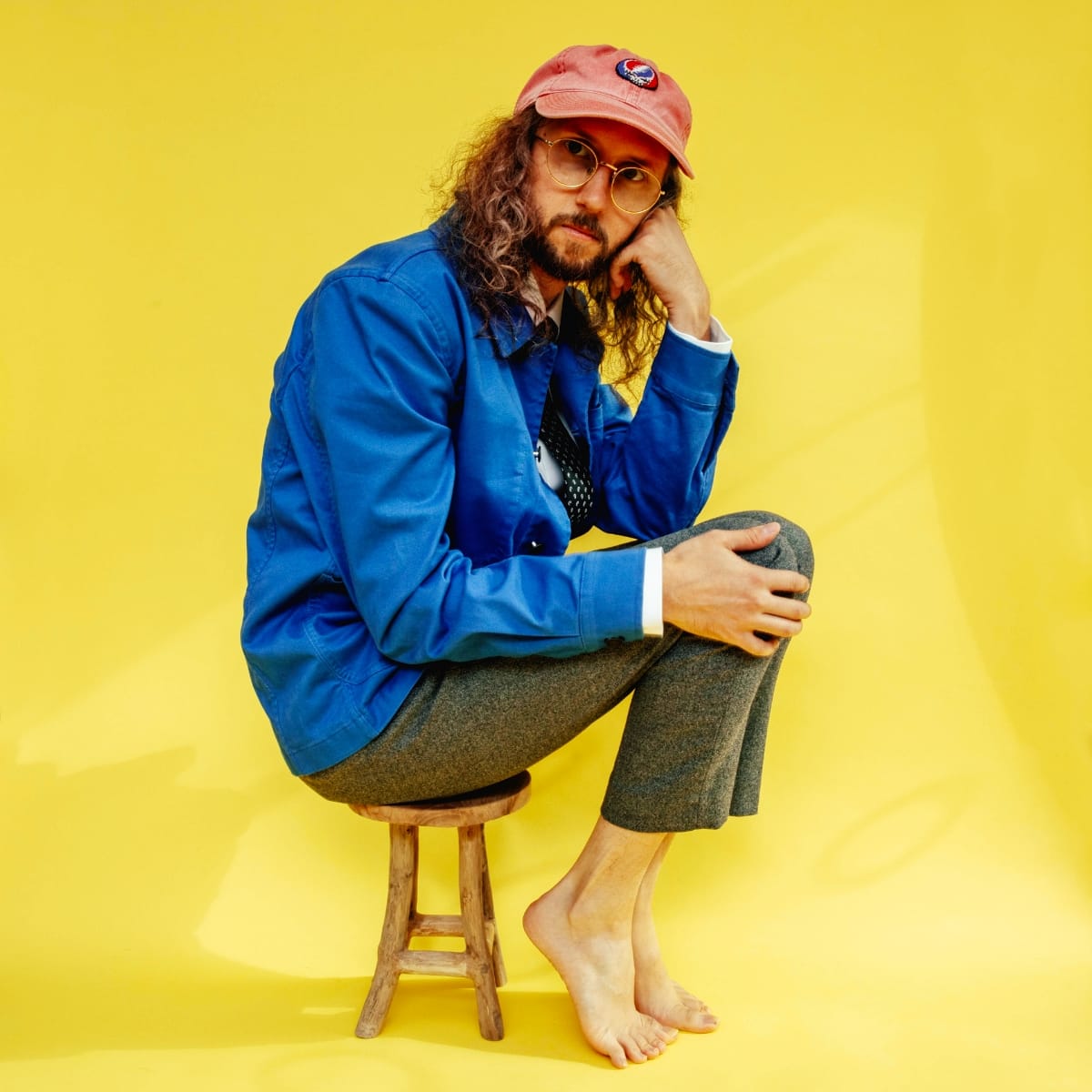
Ink, Waveforms, and the Early Hours of Brandon Locher
The Pennsylvania artist discusses ‘Rahu Ketu,’ the album he made within a single Vedic astrological period, along with his morning meditation, a 1996 hack of his email’s audio greeting, and his indifference to bootleggers. Interview by Carolyn Zaldivar Snow.
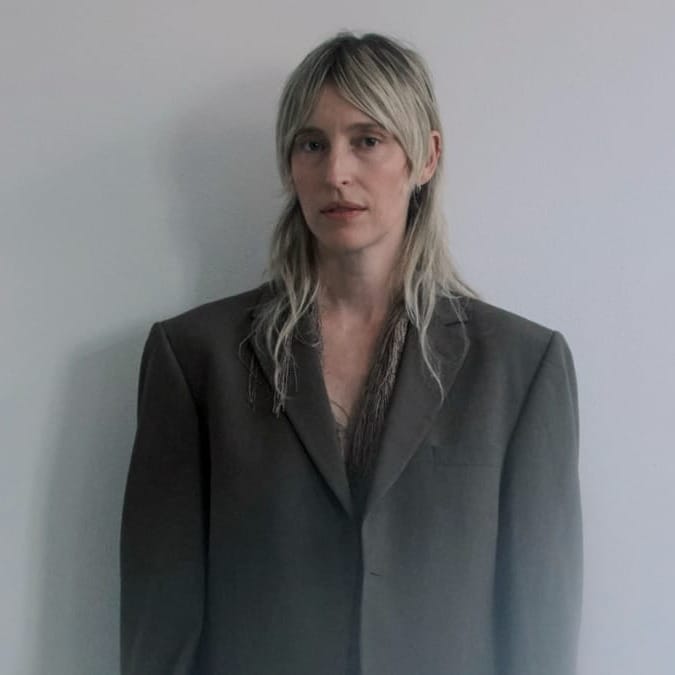
The Low End of Carmen Villain’s Memory
Long past the verses and guitars of her 2013 debut, Villain fills ‘Memoria’ with flute breath, processed clarinet, and dub weight, its archive of sounds worn down on purpose. Interview by Tony D’Onghia.

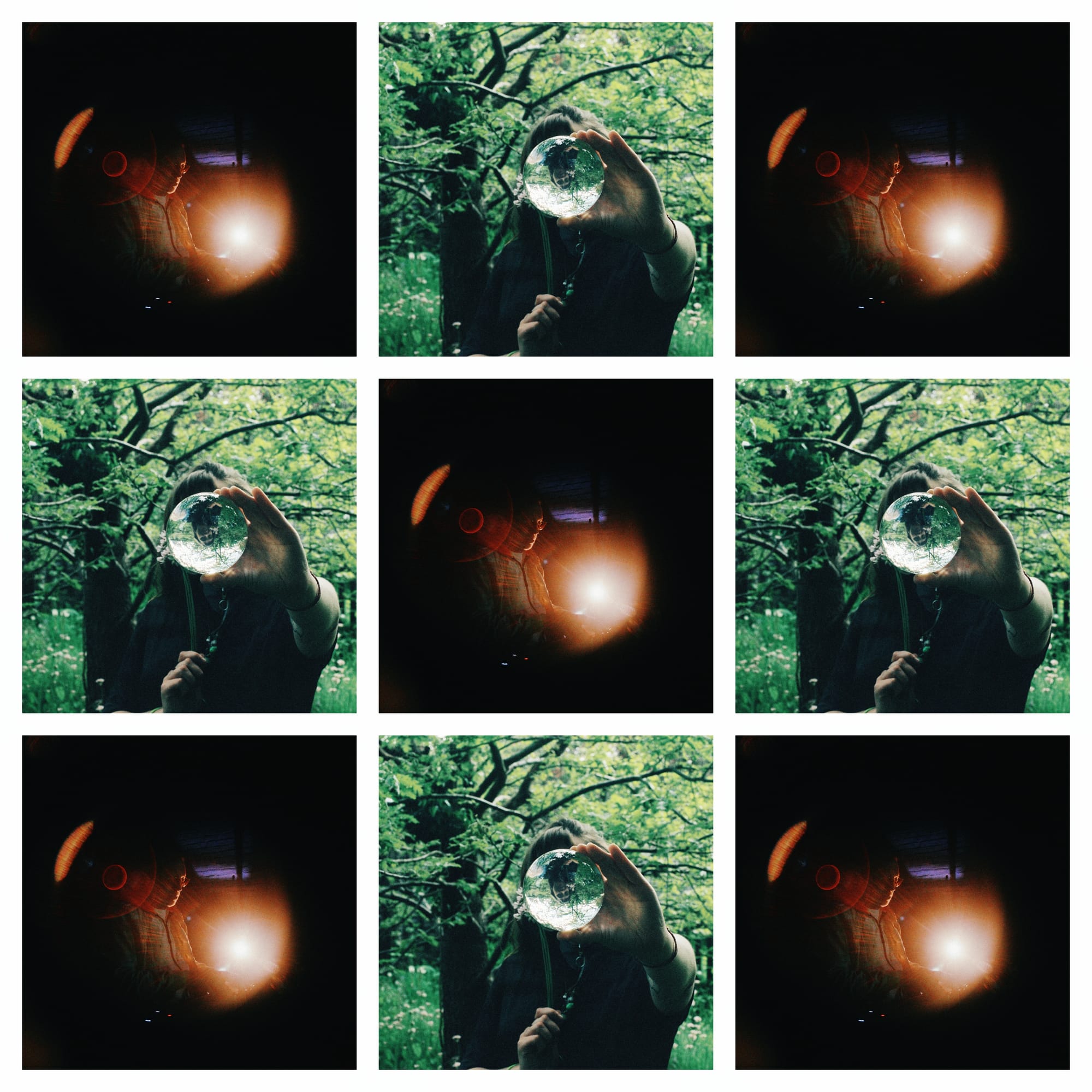
Ocean Moon & Silver Ley’s Ritual Electronics
Silver Ley’s harp and sampled voice meet Jon Tye’s electronics on ‘Prismatic Fields,’ and between them the two hear it as moss, glass, and fluidity. Interview by Arina Korenyu.
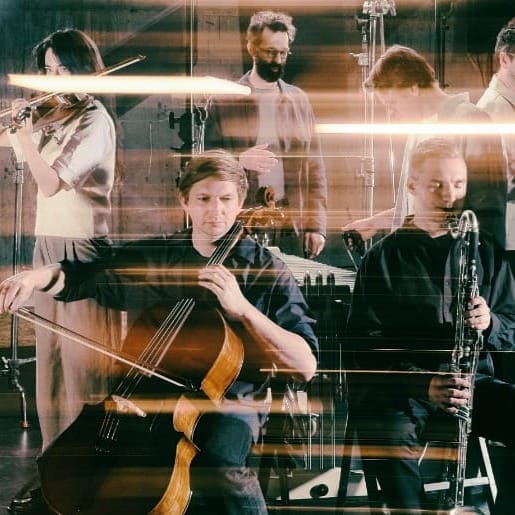
Ensemble First — Floex & Jan Šikl’s Inverted Method
Tomáš Dvořák of Floex and arranger-conductor Jan Šikl discuss ‘Directors,’ four movements for the Floex Ensemble and electronics, and how they traded parts, versions, and strong opinions as the music came together. Interview by Bill Cooper.
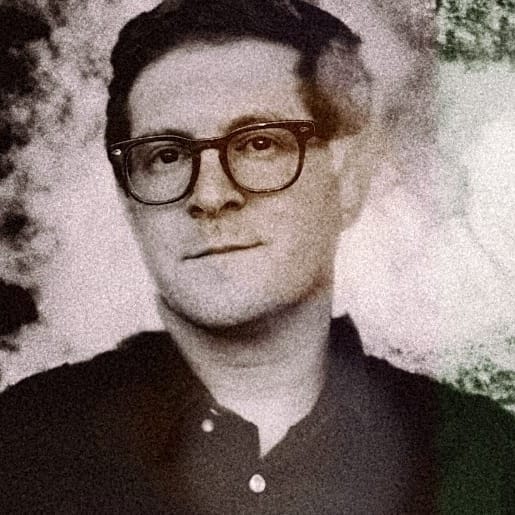
Eric Angelo Bessel Reads the Land Through a Mellotron
Salmon pushed back by moving air, vines growing through abandoned buildings, and lava hardening into new land at the water’s edge give ‘Illusion of an Inland Ocean’ its sense of a world in the middle of changing. Interview by Carl Dexter.
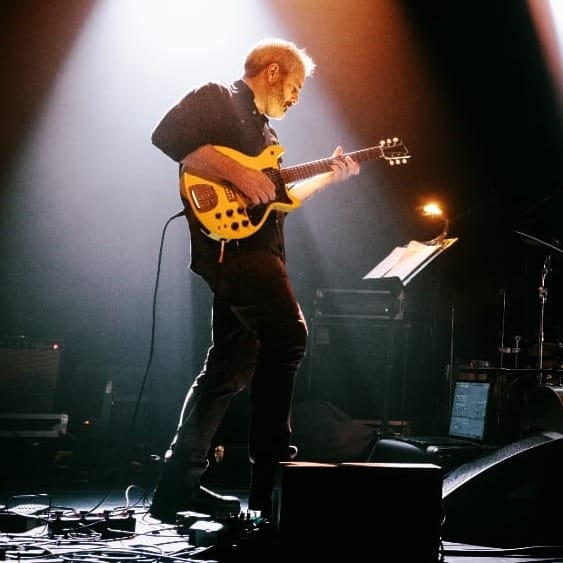
Gordon Grdina, Fretted and Fretless
In a 2024 conversation from the ‘Spotlight On’ archive, the Vancouver oud player and guitarist discusses the MIDI rig behind ‘Duo Work,’ his long friendship with the Honari family, and the risk of kitsch for a Western-born oud player. Interview by Lawrence Peryer.
This Week’s Episode of The Tonearm Podcast

Bajune Tobeta: Ambient Piano Backed by Sleep Science
The Tokyo composer and acoustic researcher joins us through an interpreter to discuss ‘Anechoic,’ his EP in the lineage of Ryuichi Sakamoto’s late work, and the ambient music for airlines and resorts that he backs with medical evidence.
The Hit Parade
“I was describing to James Brown that the wah-wah pedal is really a thing of the future. . . . And James Brown said, ‘I just think it’s a passing fad.’” ❋ “Without Richard holding down the center, Tom disappears into the ether; without Verlaine exploring the outer rim, Lloyd’s traditionalism is never pushed to its limits.” ❋ “In Atkins’ case, lightning struck over and over again. Solo and in collaboration, he fleshed out his imagined future from every angle, coaxed profound meaning from his machines, and rarely repeated himself.” ❋ “When we’re talking about capturing the moments, we’re just capturing America at its craziest. There are things that my grandparents have never seen in America that my kids are experiencing . . . the absurdity of a lot of it—and also just the loop of it.” ❋ “He came in to my apartment and said: ‘I can’t play guitar. I have a terrible voice and I don’t know if this is a song.’ Then he played me Suzanne. I said: ‘Leonard, that is a song and I’m recording it tomorrow.’” ❋ “When we started, we just wanted to be as different as possible from a normal idea of a band. We wanted no difference in hierarchy between audience and band. But it meant we were always compromising and adapting to keep going, even if no one else was interested.” ❋ “There was an injunction to stop the sale of the album, the album was pulled off shelves of record stores, lawsuits were filed against Kapp Records and Silver Apples, marshals confiscated the band’s drums . . . and Pan Am was able to keep Silver Apples from ever performing again.” ❋ “. . . the sound Evans was cultivating. It was something more than chords: A cloud of luminous colors—rich, but neither dense nor heavy. It had presence and beauty.” ❋ “How beautiful that a show about reading and learning starts with the fascinating sound of an invention: Don Buchla’s Multiple Arbitrary Function Generator (MARF), from the Buchla 200 Electric Music Box.” ❋ “Advertising was the first place where you could express this kind of new sound, because the record companies were not interested. They always look backwards. . . . Whereas in advertising, they said, ‘You know, we don’t know what it is that you’re doing, but it’s new!’” ❋ “Corridos are typically sung by men, about men. Ms. Quintana sang a corrido she wrote based on the true story of a woman who fought back when her abusive partner tried to gouge out her eyes with a knife.” ❋ “They told me stories of children studying the music of Charlie Parker, Dizzy Gillespie, Thelonious Monk, and John Coltrane in the bomb shelters while air raids are happening and bombs are falling overhead.” ❋ “In 2006, the rock musician Tuomari Nurmio wrote an album with an accompanying manifesto, demanding Finnish tango should be treated not as a polished imitation of Argentine tango or a rigid tradition shaped by outside influences, but as a living, distinctly Finnish art form.” ❋ “Our singing voices are our least socialized voices, and therefore the most vulnerable; even the most trained singer has their secret everyday voice, the one that comes out while they’re doing the dishes, or stripping the beds.” ❋ “Criticism today must account for the non-distinction between the musical work and the commodity if it is to say something useful about either. . . . it reverts to its function as consumer guidance and becomes superfluous, telling us little about how music works today.” ❋ For more curated music links, be sure to follow The Tonearm’s feeds on Bluesky and Mastodon.
New Music Recommendations: Aaron Dilloway - No Skill Comedy Mind Reading (RIYL: absurdist noise and found-sound collage by way of Alvin Lucier and Hugo Montenegro) ❋ Amuleto Apotropaico - Língua Espúria (RIYL: algorithmic electronic percussion with Milford Graves as its conceptual starting point) ❋ Anthony Child - Beginning of the Shadow (RIYL: gong, voice, and synthesis recorded on Maui by the artist also known as Surgeon) ❋ Baldruin - Aventüren (RIYL: Ka Baird, Dialect, Tomutonttu, and Popol Vuh) ❋ David Michelet - Ombre portée (RIYL: neo-classical solo guitar with a flamenco streak) ❋ Guy Buttery - Improvisations From a Rural Church: Volume I (RIYL: Robbie Basho, Daniel Bachman, William Tyler, and Hayden Pedigo) ❋ Jakob Bro, Larry Grenadier, Jorge Rossy featuring Charles Lloyd - Bjerge, Strand (RIYL: Paul Motian and quiet, one-take chamber jazz) ❋ Jo Montgomerie - made to appear (RIYL: Charlemagne Palestine, Heemann/Chalk, and piano-led drone) ❋ Lotti Tauber - Concern and Simplicity Volume 1: Original Recordings, 1981–1986 (RIYL: Arvo Pärt, Philip Glass, and archival outsider piano minimalism) ❋ Maryos Syawish - Qurmami (RIYL: Sleep D, dub, and field recordings from Iraq) ❋ Max Light - Unlearning (RIYL: Kurt Rosenwinkel, Ben Monder, and Allan Holdsworth) ❋ Oruã - Maldição (2016-2026) (RIYL: Built to Spill, krautrock, and Brazilian psych) ❋ Phillip Golub - loop 8/9 (RIYL: Satie by way of quarter tones and just intonation) ❋ Smackos & Dim Garden - Serenity Commando (RIYL: Legowelt, vaporwave, and witch house) ❋ Sylvie Courvoisier - Amalthea (RIYL: Mary Halvorson, Ligeti, and two-keyboard density) ❋ Unwed Sailor - High Remembrance: Reimagined (RIYL: Tortoise, melodic IDM, and early-2000s Euro club music)
The Run-Out Groove
- We're taking a break from The Deepest Cut this week, as we consider a slight revamp. Stay tuned.
- The Tonearm is a reader-supported publication, free of advertising and paywalls. Our supporters help fund our writers and make the site possible. Please consider joining and helping us to continue our mission.
- Join the rapscallions of The Tonearm on our new Slack community.
- Sign up to receive our latest articles directly to your inbox in a snazzy, easy-to-read email version. Just go to your account, manage your email preferences, and flick the lever to receive The Total Tonearm.
- The easiest and best way you can help us? Please share this newsletter and our stories with your friends.
Thank you for reading! We’ll see you again next week. 🚀


Comments