


Now Playing on The Tonearm
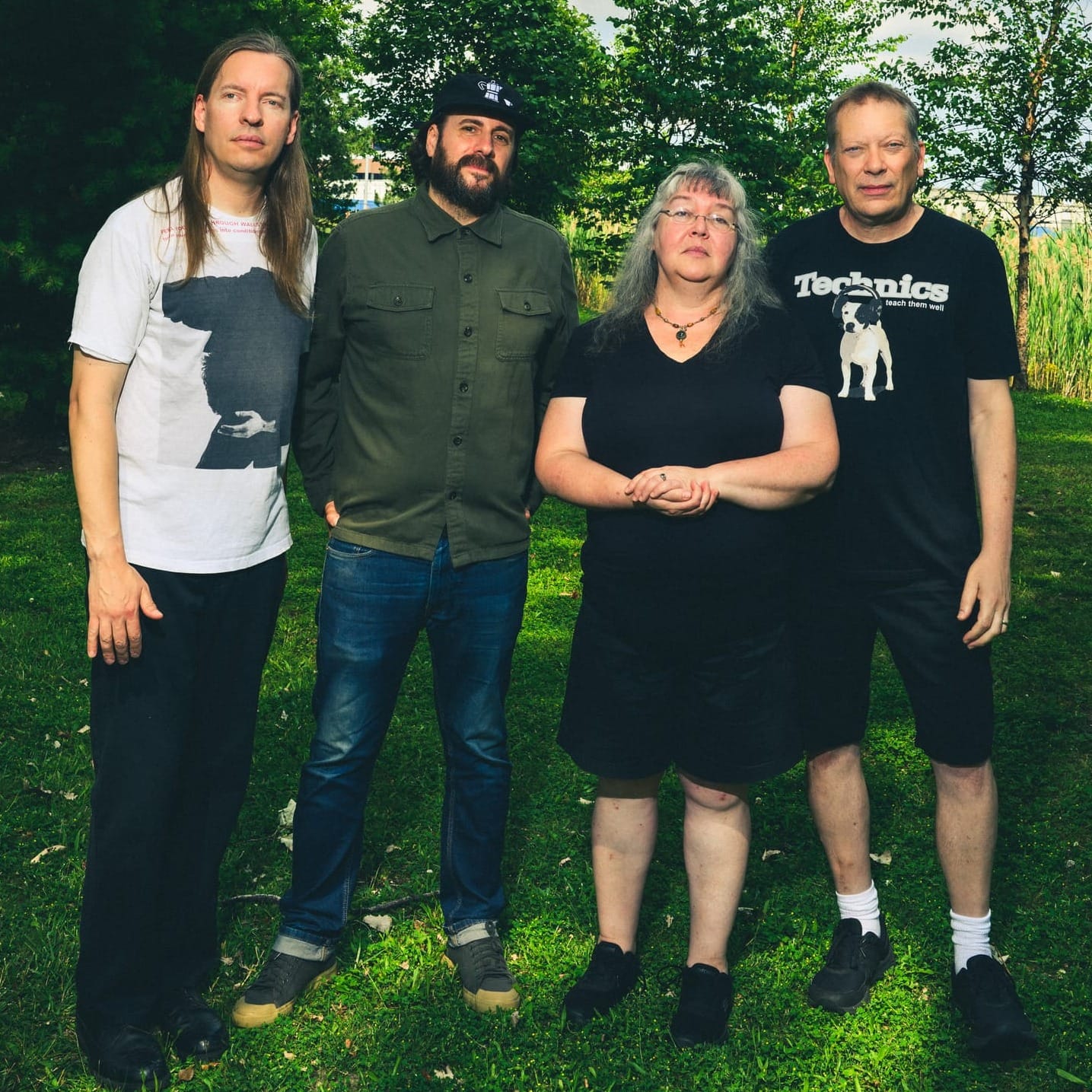
Patient Art Form — Windy & Carl and Optigan Conservatory
Nobody rehearsed, nobody planned, and nobody can say with any confidence where half the sounds on ‘Windy & Carl Meet Optigan Conservatory’ came from. Interview by Carolyn Zaldivar Snow.
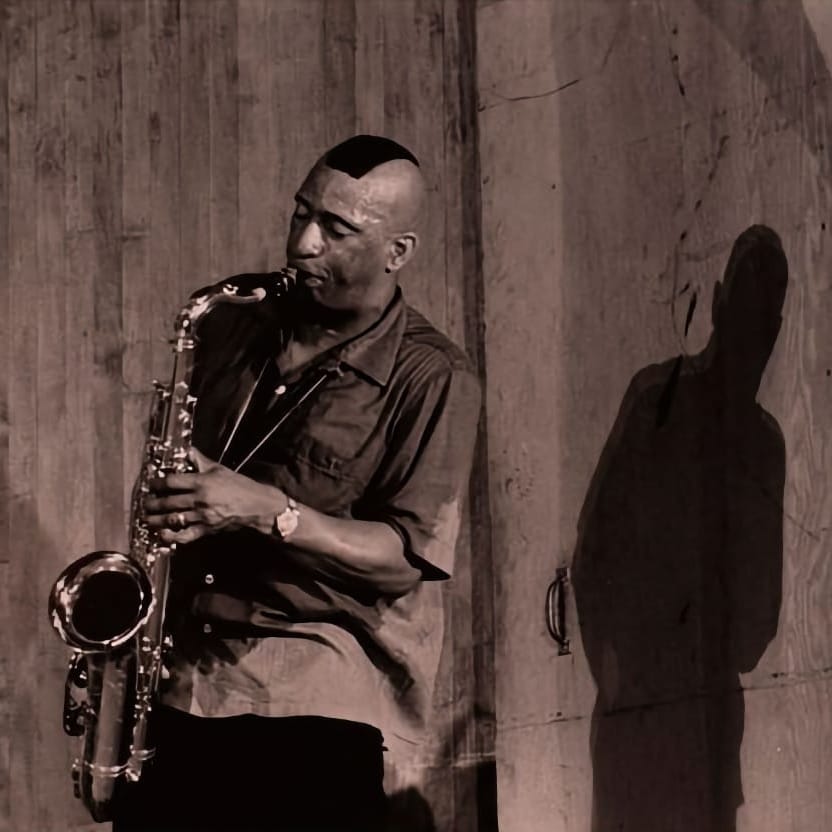
Photographing from the Inside — Don Schlitten’s Quarter Century in Jazz
Producer, art director, and label owner, Don Schlitten photographed jazz from a 1957 Monk set at the Five Spot through the Newport festivals of the sixties, and ‘Love and Understanding’ brings out the photographs that stayed inside jazz circles for decades. Essay by Chaim O’Brien-Blumenthal.
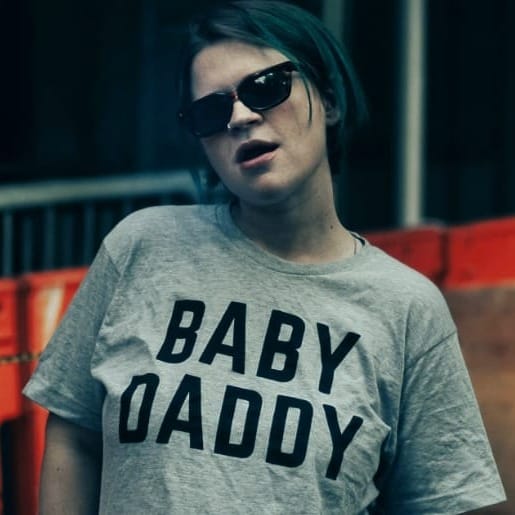
Mother, Father, Daughter, Mother — MuMu’s Family Album
Her mother remembers love, her father says there was none, and ‘The Brothel: A Musical Memoir’ lets both accounts stand before handing the story to the next generation. Interview by Meredith Hobbs Coons.
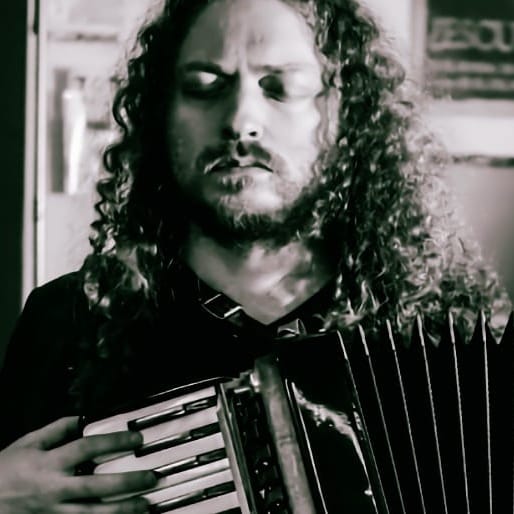
Ben Richter, Gardening at the Edge of the Score
Richter wants “a little garden where things can grow” without being overdetermined, and ‘Mymerian’ — organ, accordion, contrabass, and cello, recorded live in one cold room — is that garden at its most exposed. Interview by Chaz Underriner.
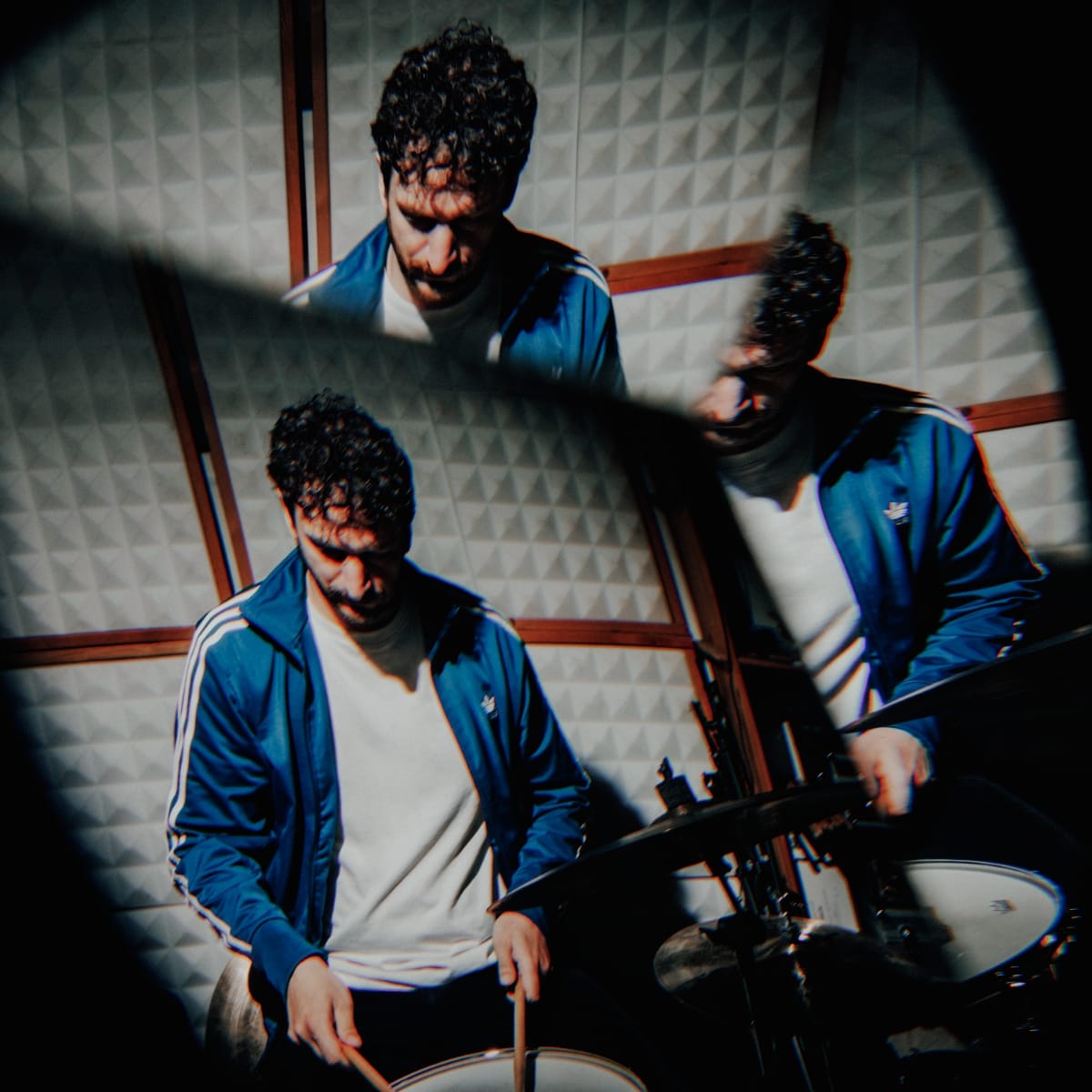
Peter Gall’s Long Way Around the Drum Kit
The German drummer, a member of Web Web and Subtone, discusses ‘Drum Seeds,’ an album of drums, vintage synthesizers, and spring reverb made alone after his label asked him for drums and nothing else. Interview by Bill Kopp.
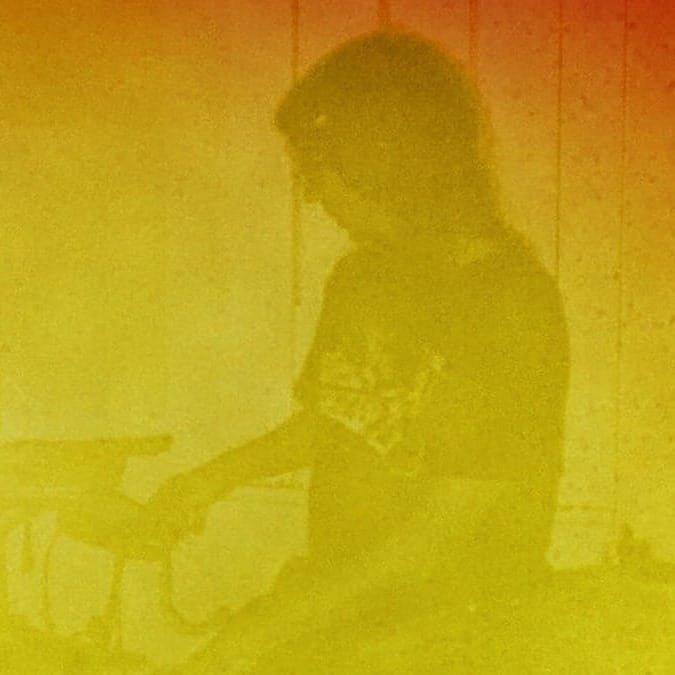
Fling ii’s Kosmische, Out of a Michigan Basement
The two founders of the Ann Arbor band talk through the making of ‘3,’ from a weekend of continuous takes with players scattered across Michigan, New York, and New Orleans, to the months Gowland then spends alone deciding which minutes survive. Interview by Lawrence Peryer.
This Week’s Episode of The Tonearm Podcast

David Katz: Chasing Dub Beyond the Sound System
The reggae historian joins us to discuss ‘Dub Revolution,’ his account of how King Tubby, Prince Jammy, and Scientist pulled reggae records apart at the mixing desk and sent the pieces back out.
Rotations
Don Schlitten turns up twice in this issue, the second time at the center of Lawrence Peryer’s Rotations, the official radio show of The Tonearm:
Episode 22 is up in the archive, and its beating heart emanates from one man’s camera expressed by three records: Monk and Coltrane’s 1957 residency, Barry Harris’s 1975 Xanadu debut, and a rediscovered Don Patterson date. All appear in a new book of jazz photography by Don Schlitten, the producer and photographer who died earlier this year after decades behind the board and behind the lens. Around that center, the hour goes wide: Welsh harp meeting up with Senegalese kora, a German drummer’s solo synth-and-percussion record, an Ann Arbor art-rock ensemble, Tony Allen’s tribute to his own drumming forebears, Jeff Parker’s new LA quartet, and an epic closing on a century-old church organ.
Listen to the episode in the Mixcloud player below:

The Hit Parade
“Not only did [‘Stormy Monday’] swing with a vengeance,” [music journalist Bill] Dahl wrote, “it was by a soulful singer sporting a set of richly burnished baritone pipes who was so hip that he only needed one name.” ❋ “My means are modest because my calling is paramount. I will always seek the truth and never lose my courage to express what matters. I own what I create in the marketplace. The marketplace does not own me.” ❋ “My mother said—and I’ll never forget this—‘You can go to journalism school any time, but Johnny Rotten only comes along once,’ which was the sweetest thing a mother could say to a misguided youth.” ❋ “It may be tempting to describe Brazil’s heavy metal scene as undergoing a renaissance. Then again, that would imply that it ever stood still . . . Its foundations are all the more resilient for being built on instability.” ❋ “It amazes me no one else has been able to see that post-punk was our version of the abstract expressionists of the ’50s. We were very similar: hedonists, bourgeois, nihilist, badly behaved, brattish, horrible, narcissistic—all that stuff, you know?” ❋ “I asked Dave Hotep of the Arkestra if he could stop by the Sun Ra House with a mobile recorder. Marshall sat down, looked over at his girlfriend and played the beautiful solo that ultimately made its way onto the record.” ❋ “We climbed a giant day to reach her, all twenty thousand Chicago fans. Strutting and grinning and asterisking her eyes, she held their shrieking out around her like a magic cloak and changed them all to rabbits or a vase of tulips inside its folds.” ❋ “Taking a bulky Magnavox TR-100 to clubs, with its microphone hidden in the sleeve of his overcoat, Tiberi began recording concerts, managing to change the tapes in the dark every 30 minutes to capture as much of Coltrane’s virtuosity as possible.” ❋ “[Gram Parsons] cut straight through the middle with no compromises. He was never afraid to write from the heart, and perhaps that’s why he was never accepted. It was like the light was too strong and bright, and people just had to turn away. It was all too painful. It could rip you up. Not many people can take music that real.” ❋ “So I plugged in the Akai S-1000 sampler at home, plugged the bass into the sampler, and played a bunch of random notes with a piece of toast in my mouth . . . It was just complete John Cage, I Ching randomness. It just worked.” ❋ “Search for ‘Greenland’ on Bandcamp’s Discover page, and you’ll find pages and pages of bands of every genre who list Greenland as their location to either obfuscate where they’re really from or just for the vibes. It’s a form of digital colonialism, an erasing of the few actual Greenlandic artists on Bandcamp.” ❋ “Environmental thinking on live music encourages a form of atmospheric accounting where scrutiny of the personal trees passes for consideration of the political forest.” ❋ “There were 150 teenagers learning drums, brass instruments, and dance. It was chaotic, loud, scary and beautiful. For me, music had been instructive; here it was raw.” ❋ “Pop music might be dead, and capitalism might have killed it, as Stone speculates, but I think a more accurate description is that pop music has been zombified.” ❋ “After all, many of the best critics developed their voice not through formal journalistic channels but through obsessive listening, reading, and the slow accumulation of knowledge.” ❋ For more curated music links, be sure to follow The Tonearm’s feeds on Bluesky and Mastodon.
New Music Recommendations: Janel Leppin - The Realist (RIYL: laid-back cello-led jazz with DC punk in its past; jaimie branch, Julius Hemphill, Susan Alcorn) ❋ Rich Halley - A Distant Land (RIYL: chordless creative jazz, tenor and trombone up front, half composed and half improvised on the spot) ❋ TITE - Random 8: Distorted Collage Fragmented and Decaying Objects (RIYL: Arca, Actress, glitched and decaying textures with reggaeton and trap detours) ❋ Various Artists - Nigeria 80 (RIYL: 1980s Nigerian highlife, juju, and Afrobeat; the sequel to Strut’s Nigeria 70) ❋ Violeta García & Hora Lunga - 4ever (RIYL: electroacoustic cello and electronics, fragile melodic fragments against heavy low-end)
The Deepest Cut
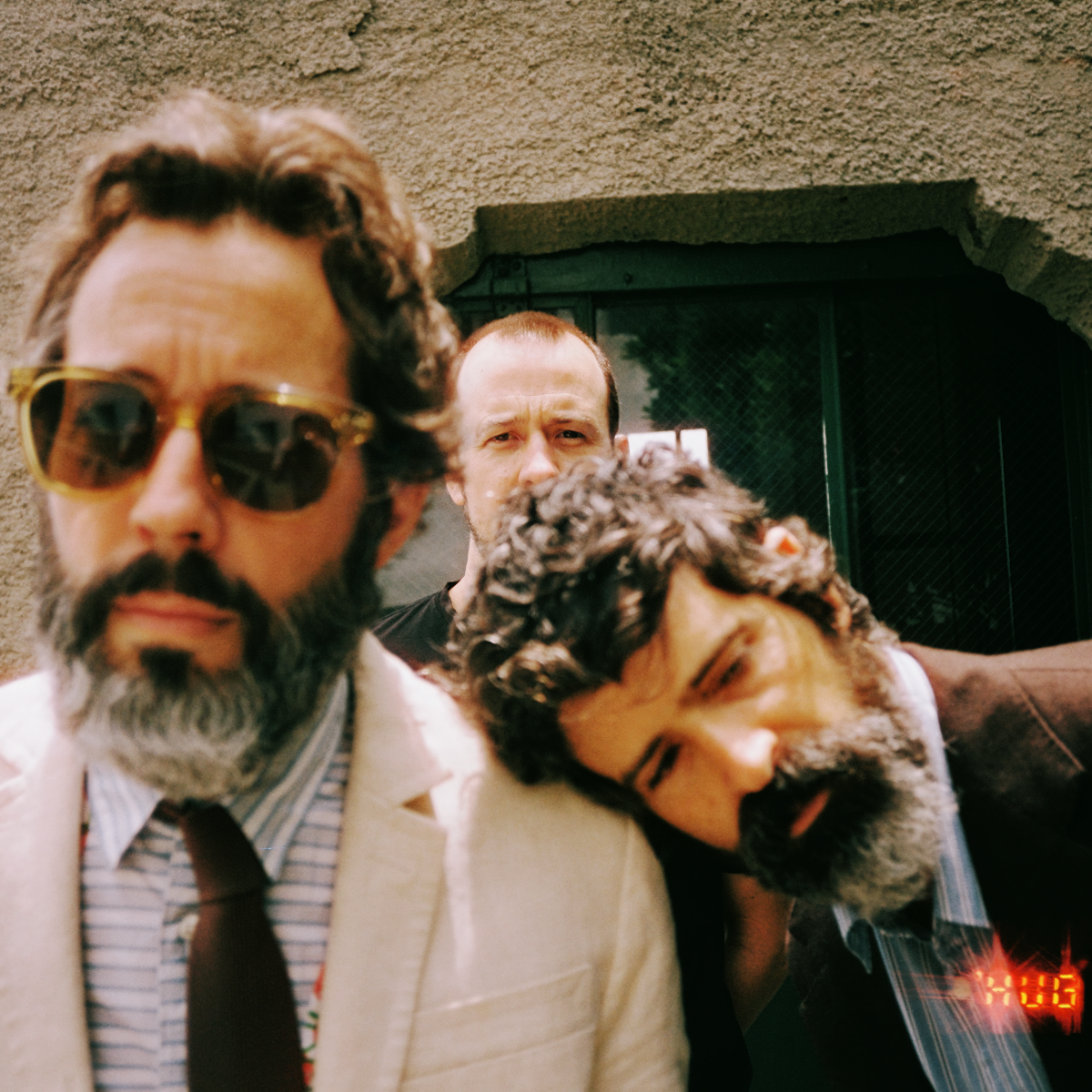
Gyan Riley and Noah Georgeson met as boys in Nevada City, California, a small town in the Sierra foothills that was known in the 1970s as a capital of crystals and the New Age. They were, as far as either could tell, the only two thirteen-year-olds there obsessed with classical guitar. Riley has since recorded with Arooj Aftab, John Zorn, Paul Simon, and his father, Terry. Georgeson studied with Fred Frith, Pauline Oliveros, and Alvin Curran before going on to produce much of the music that defined the 2000s. Devendra Banhart came to Georgeson first, a teenage art school dropout who grew up between Venezuela and Southern California and often busked instead of attending class. It was years before Georgeson’s two friends finally met in Brooklyn.
HUG is eleven mostly instrumental tracks, cut at Sita Studios and assembled in about three weeks, and, surprisingly, there’s a lot more than just guitar. Kalimba, sonica, synth, bass, and vibraphone keep taking the lead, with Thorleifur Gaukur Davidsson on harmonica and steel guitar, Elias Earl on vibraphone, and Laura Giannone credited with the frogs on “Cow With Half Moon Parasol” and the rain on “Catatumbo.” The single, “Sarva Mangalam,” carries two lines of lyrics total—a Sanskrit greeting and leche condensada, Spanish for condensed milk—and Georgeson wanted it to sound “like a dusty cassette found in an ashram’s giftshop.” The closing track is built on a loop he and Banhart made twenty years ago in Venice Beach and never finished. In its last seconds, you can just make out voices calling “Well I went down…!”—a second fragment, left where it lay. Three players this experienced could have filled every bar of this record, and their refusal to do so is the best thing about it.
HUG’s mood is set immediately in the first sounds of the opener, “Cow With Half Moon Parasol.” The chiming harmonic string plucks, the subtle shaker, and Giannone’s frogs signal a special record, and I remained captivated throughout my first listen. I was compelled to learn more, so I asked the three of them what makes a HUG song a HUG song and whether all the childlike wonder mentioned in the press materials is something recovered in adulthood or something agreed upon. Gyan Riley took the last question, the one about something he loves that more people should know about, and answered it with a building in Norway.
Devendra Banhart: Anyways, it’s fun to know about who made the music, here’s the elevator pitch: HUG is Gyan Riley, Noah Georgeson, and Devendra Banhart, old buddies who have collaborated with each other for years, recording together, touring together, two of them writing together, but never all three in the same space seeing what happens. HUG is what happens! I wasn’t sure what we accomplished until our first show, an art park on a hill at sunset, it truly felt like a hug, one received just as much as it was given, the album is like taking that sunset with you wherever you go, personally it’s like being allowed to take a nap in Hades. . . .
Noah Georgeson: A HUG track is whatever we, collectively or individually, think should be a HUG track! Honestly, anybody could write a HUG song, if they didn’t mind giving us the publishing. We trusted each other to bring whatever we wanted and that it would somehow make sense once it was all put together as an album. And I think each of us has played enough music in our lives to not feel compelled to play on a song unless we really think it’ll add something. The songs that are only one person playing were still a group effort—we decided together that they didn’t need anything else. So our absence is our contribution to those songs.
Plus, I’m tired! I have two kids who I dedicate about 90% of my creative energy to. I have to choose what notes I’m going to play carefully. I can’t go shredding around just for kicks. It reminds me—a few years ago, I wrote to the legendary poet Gary Snyder, asking if he’d speak a few words on the last album Devendra and I made together. He wrote a very gracious reply that was basically ‘I’m way old, and I have to keep what energy I have close.’ I may not be WAY old (just regular old), but I still empathize.
I think we swapped out the guitar for other things mostly because it’s fun! Guitar can be fun too, but, like I said, we’ve all played a lot of guitar over the years so it feels more fun sometimes to play a kalimba or a synth or make a percussion instrument out of some leaves and play that, or play a preset on an iPad app.
Also, I was actually nervous to play guitar around these guys. They’re both so good but in totally different ways. Gyan has the ultra rare combo of virtuosic talent AND good taste. Those two things typically have an inverse proportional relationship, but he’s got both. Devendra’s playing is super creative, and unbound by convention or the need to try and impress anyone. He just plays what he feels like.
My guitar playing, on the other hand, has been on a slow decline since I was like 17 years old. It’s like the prom queen whose life peaked in high school, and they never left their hometown and now they’re twice divorced and they sell auto insurance. Every once in a while, my guitar playing gets out its old prom dress and tries it on, and it does NOT fit anymore.
Devendra Banhart: The word “wonder” is certainly synonymous with childhood, or childlikeness, and somehow this is kind of a diss. The term maturity seems to be at odds with it, and we really value this grown up—maturity seriousness kind of lecturing artist . . . I think it comes down to syntax, instead of wonder, let’s say “curiosity.” This is more acceptable, right? “Be curious about curiosity” makes more sense than “be in wonderment about wonder” too! Of course, secretly, we are in total wonder wowee zowee at how mysterious and vast this entire landscape of composition is, especially when you involve other people, with the right collaborators. You start to literally feel like you’re exploring a terrain, sometimes it’s like riding a rainbow and sometimes it’s like climbing a tree made of razor blades. The childhood imagery comes courtesy of Noah’s son Osian, a superb illustrator who drew up some fabulous portraits of us. Everyone was so into his drawings that we asked him to draw all the songs and illustrate the booklet!
That last question went to Gyan Riley:
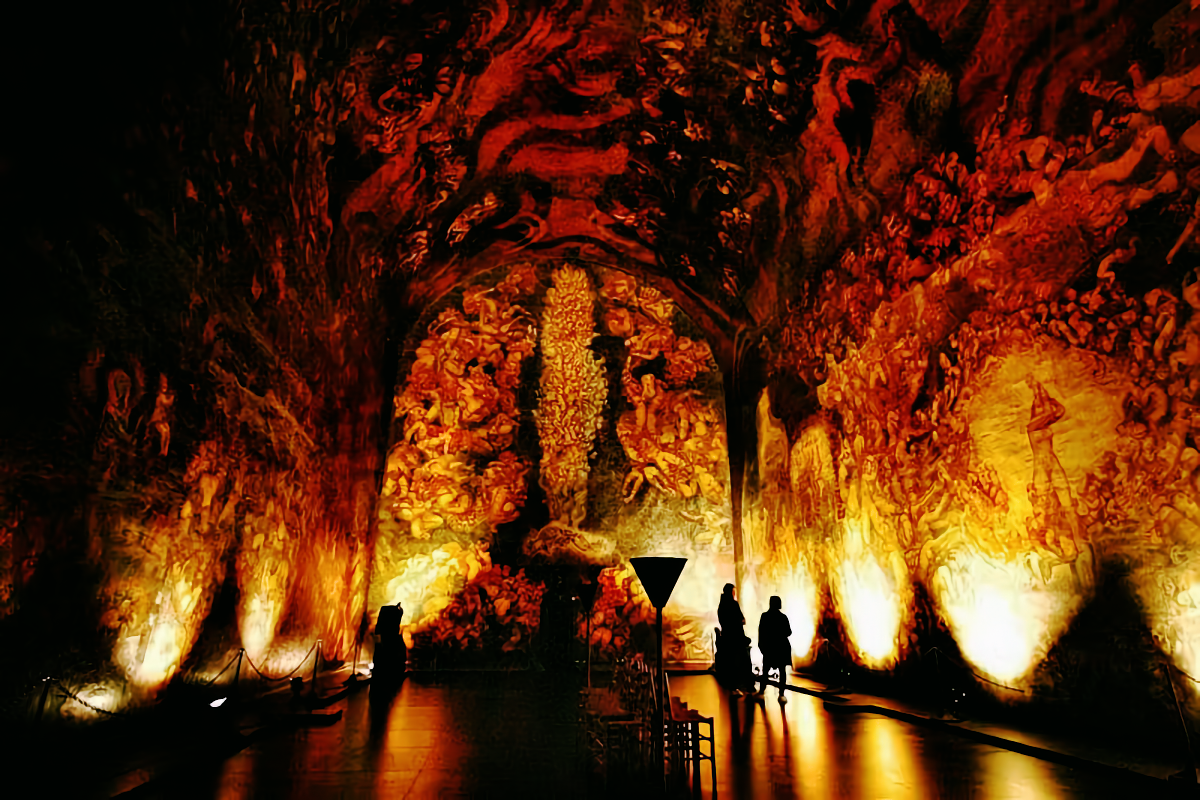
About 15 minutes outside of Oslo, Norway there is an incredible museum in the form of a mausoleum, created by the artist Emanuel Vigeland. He became completely obsessed with creating his own mausoleum, in the form of what is essentially an arched windowless church. You have to put on special slippers to go inside so as to not make any noise when walking. The first thing you notice is that it is very dark inside, only lit by a few candles scattered around the edges of the room. The second thing you notice is that the space has an incredible reverberation, uncluttered by extraneous sounds other than the swish swish of the slippers of the few people who are in there with you. As your eyes adjust to the darkness, you soon discover that the entire interior is covered in a giant fresco, Vita, depicting human life, love and death. Several sculptures of women giving birth adorn the floor.
As I was leaving, I noticed there were a few items of memorabilia for sale. One was an album that was recorded inside the space. It turned out to be one of my favorite recordings I’ve ever heard. The Norwegian singer Unni Løvlid gave a small recorded performance in the space years ago, a rare occurrence. She sang a cappella, and when I first listened to the album I was awestruck by how beautifully she honored the acoustics of the space. All of the songs move very slowly, and although she is just one voice, due to the long reverberation, the melodies create incredible layered harmonies. So you hear all of this beautiful dissonance and resolution as she glides along through her songs. It’s an album that I turn to over and over, especially when seeking solace.
The Run-Out Groove
- The Tonearm is a reader-supported publication, free of advertising and paywalls. Our supporters help fund our writers and make the site possible. Please consider joining and helping us to continue our mission.
- Join the rapscallions of The Tonearm on our new Slack community.
- Sign up to receive our latest articles directly to your inbox in a snazzy, easy-to-read email version. Just go to your account, manage your email preferences, and flick the lever to receive The Total Tonearm.
- The easiest and best way you can help us? Please share this newsletter and our stories with your friends.
Thank you for reading! We’ll see you again next week. 🚀


Comments