


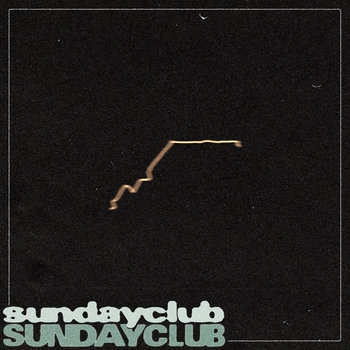
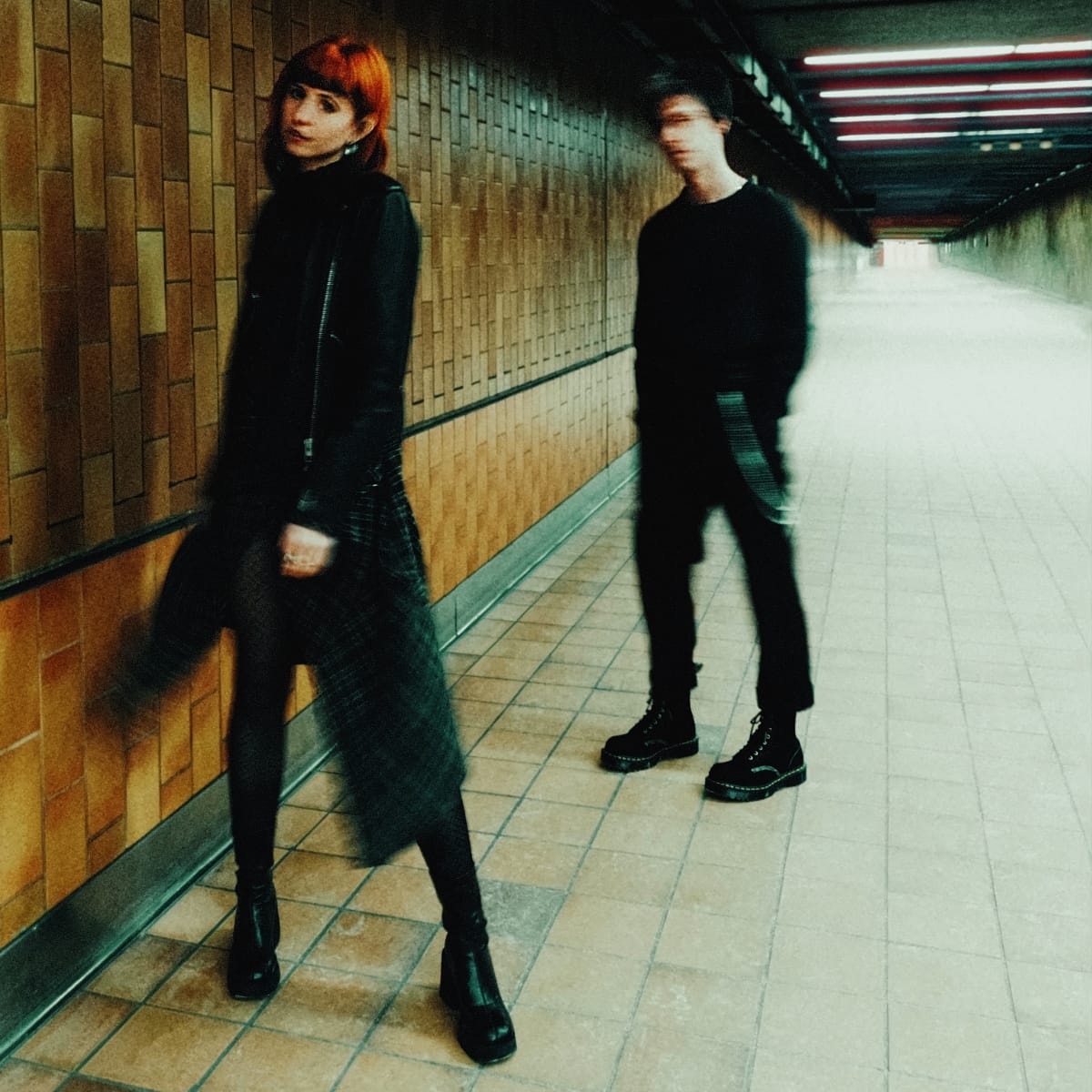
Formed in the stillness of rural Manitoba, dream pop indie duo sundayclub started as a way of processing that disorienting stage of early adulthood for Courtney Carmichael and Nikki St. Pierre. Over a four-year-long process that began in the basement bedroom of Carmichael's family home during the pandemic, sundayclub used the time to experiment and refine things, and also to overthink, torment, and second-guess themselves and the sounds they were creating. The musical relationship between St. Pierre and Carmichael caught the attention of Stephen Carroll, the guitarist of Canadian indie-rock legends The Weakerthans, who tipped off Paper Bag Records' A&R, leading to their first label signing. They released their debut EP, Bannatyne, in 2025, which landed them on Exclaim!'s "5 Emerging Canadian Artists You Need to Hear" list, and now their self-titled debut album is out.
I've been listening to their new release and have been really impressed with it; in particular, I thought "Camera Shy" was a standout track, one that must have been easy to pick as a lead single straight off the bat and a good introduction to what's to come from them. Other standout singles include the nostalgia-filled "Sad Summer" and "Blue Wave." But the more I listen to the album, the more there's a deep cut wedged in the middle of the record called "Turquoise" that could be my favorite long-term because of the way it slowly builds those sonic, dreamy indie textures.
For young musicians, it's such a confident debut album. The young duo evolved their bedroom-arranged sound into a confident, modern dream-pop offering, and one that’s proudly rooted in their new home base of Winnipeg. In fact, the song "Bannatyne," from the previously mentioned EP of the same name, is named after a busy Winnipeg avenue, and the video wanders from there to Princess Street, exploring the lights and energy of Nuit Blanche in Winnipeg’s arts district, The Exchange. It’s a city growing in artistic popularity, and I even recently saw actor Bob Odenkirk rave about it, noting its many musicians and the friendly people he meets while filming there.
After some scheduling challenges, I finally got to chat with Courtney and Nikki on a video call, where we spoke about Winnipeg, their rise, making music, touring, getting through the pandemic, and feeding the social media algorithms.
Damien Joyce: I imagine there are long winters in Manitoba, especially Winnipeg, where it must have felt particularly long with those crazy negative temperatures—it's one of the coldest cities in the world?
Courtney Carmichael: Yes! Famous for our cold weather and our slushies, which is weird.
Damien: Yes, the biggest consumption of slushies! But do you think Winnipeg is an underdog city?
Nikki St. Pierre: Yes, one hundred percent, especially for music. There's just so much good music here, and everyone supports each other. It's not like when you go to the big city, and you need to be good, or people are going to ignore you. Here, if you're not ready, all you'll get is encouragement.
Courtney: Winnipeg mirrors the mantra given to most Manitobans: 'Friendly Manitoba'—it's on our license plate. It's something I think we're just known for, and that bleeds into the music community as well. We always felt cared for, supported; every show is filled. We have a couple of key venues that will always be busy, and we're not oversaturated with venues spread out too far, because we're a small city geographically. It's a sweet place to be.
Damien: Signing with Paper Bag Records, did it provide the momentum and confidence to push forward, or were you already there?
Courtney: I don't think we were fully there. We were planning to self-release because it had already been a while since we finished the record. We had started it during the pandemic and had been sitting with these songs for quite a while. We were going to drop the album all at once sometime in the spring of 2025, but we got swept up in this really unexpected excitement and looked at things from a different perspective. Then we broke things down a bit to give us more time.
Nikki: I think we've grown a lot since signing. You do gain a sort of confidence because you tour, you go around the world, and then you learn. You get more comfortable with who you are, both as musicians and as people.
Damien: You get to make your mistakes early if you're given the time, and learn quickly then, on the fly?
Courtney: Well, you also get to hear what other people like, because we had done everything in isolation, with only our family and our closest friends getting to hear the songs. Now you're having a group of people chime in and help you make decisions about which songs are best to release in a specific order, or you might find out that someone really loves "Turquoise," which you wouldn't have thought of before, which helps inform what you do next.
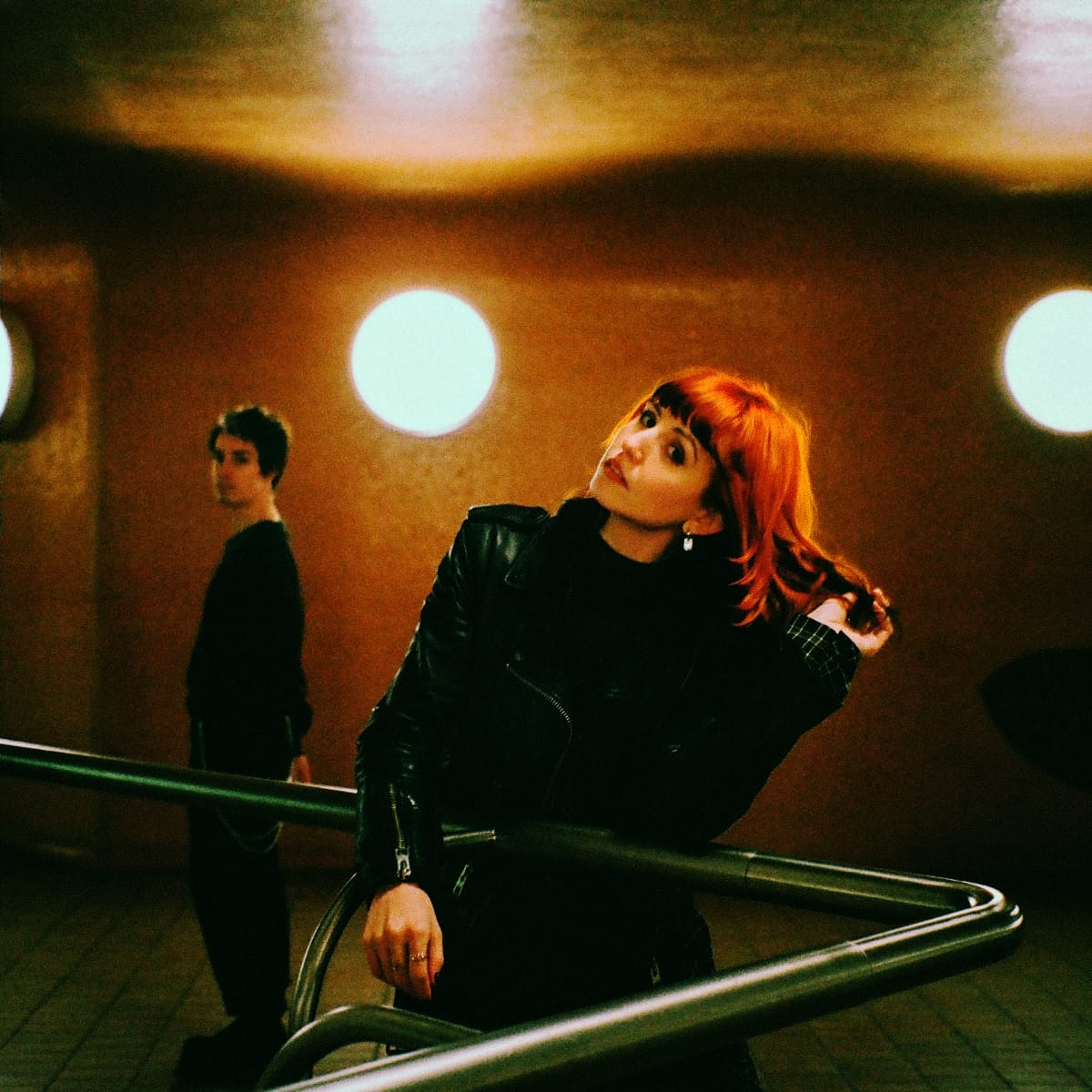
Damien: You recorded this in your bedroom during the pandemic in rural Manitoba. But, Nikki, did you actually mix the record as well?
Nikki: Yes, I did. I engineered, mixed, and produced it. It took me seven months, I think—it was fall, and we got it out to our mastering engineer in June. With "Blue Wave," all those guitars were pretty much done on the mixing floor with a Mexican Strat with rusty strings, because my other guitar was put away.
Damien: Is it frustrating or enjoyable going through this digital release cycle for the album, or do you find it comes in waves of excitement?
Courtney: I do think it comes in waves and also depends on what we're doing. We just got back from two weeks in Europe. When you're on the road and trying to push your stuff on social media, I actually find it gives you a great sense of motivation to do it, because you're traveling to a different city every night, or you've got shows to announce. It's just a breath of fresh air to also have new music that you're playing across the world, which is fun. Then there are times when we're scratching our heads, trying to figure out what to do next and whether it's too early to tease "Camera Shy" or "Sad Summer." There's a lot of scheduling and organization that they don't warn you about, things you have to sort out because you always have to be ahead of the game.
Damien: As digital natives, does creating content come naturally to you?
Nikki: Well, it's the volume that has to be made that can be a lot. With releases starting, we need to post something every single day for the next four months! How are we going to do this? What are we going to make? Where are we going to shoot all of this? When you get there and you shoot it, you have the camera in your hand, and it all works.
Courtney: Things come together.
Nikki: It gets inspiring, but it's like having to figure out what we are going to do. What's the through line of everything? But I would love to be chronically offline. You know, on tour, I would like to not touch my phone. I would leave it in the hotel room the whole time if I could.
Stay on top of The Tonearm.
Subscribe for exclusive interviews, cultural tip-offs, and community fun.
And your support keeps our site free of advertising and paywalls.
Damien: I was looking through all the song credits, and noticed only your two names basically across every instrumentation. Playing live, then, is it still you as a duo, or do you add extra musicians for that live sound?
Nikki: We hire a drummer and a bassist.
Damien: Does that change the texture of the songs and how people react to them, or have you noticed any difference?
Courtney: Well, we would never play without a band. So maybe that's the answer.
Nikki: I think that was one of the questions Paper Bag asked us when we signed: "If you had to do something to play without a band, would you?" Err, no . . . this music is band music. We wrote and recorded it together. I played most of the instruments myself, but this music is not duo music.
Courtney: Definitely. The live show, I would say, exceeds the energy that we captured on the record. I don't think we would be able to perform some of this stuff without them.
Nikki: We had to do one show without a bassist and run bass tracks because they just couldn't make it. It was such an odd experience. The stage felt empty, and we looked at each other and went, never again. Never!
Damien: The nostalgia vibe is strong across this record. Are you tapping into that sentimentality and wistfulness intentionally? Is that what you want to convey, that emotion, with some of those melodies as well?
Courtney: Yes, I think we're very nostalgic people, which is odd because we are young, but we sort of began to ask ourselves and take stock of what we wrote, and instead we shifted at the end from what we're hearing sonically to what this album is about. What does it mean? Because you just write song by song, and you don't really think about the huge collective theme behind it. I guess I didn't. When we finished the record, I sort of identified a lot of yearning, reminiscing, and I guess that translates to nostalgia.
Nikki: I think when you write the record, you don't really know what kind of place you're in, and you make these feelings. Afterward, you have to look back and go, "Oh, this is where I was in my life at that time."
Damien: The pandemic had a bigger impact on younger generations than I think people appreciate. There was this time frame for introspection, whether you wanted it or not, and at a younger age. Maybe that has an effect?
Courtney: Absolutely, yes. This record wouldn't have happened without the pandemic; we usually attribute it to the reason why we were able to take a break and step back from real-life responsibilities that people just somehow get swept up in. We're really lucky to have had that time to reflect, feel such strong emotions, and document them. I was nostalgic during the pandemic because there was just so much isolation, so much of the same thing every day, that whenever we would go for a walk or have an experience, that experience, through the lens of the pandemic, felt so monumental.
Damien: I saw a recent interview with Jim Reid of the Jesus and Mary Chain, where he was asked about modern bands being influenced by their music, and he said that shoegaze doesn't exist as a genre and that those early bands were just awkward on stage. Do you both feel awkward on stage?
Courtney: That's a really good question.
Nikki: I feel way more confident on stage.
Courtney: We've really had to test that theory of being on stage more, in front of different crowds and in different places. I think what makes you nervous at the end of the day is whether we're going to have a technical difficulty. Then if you remove that factor, I think you're all good.
Nikki: We spent the last weekend just taking in a lot of Pride festivities in Winnipeg, and we got to take a second without rushing to a venue or anything. This is the first time we just get to walk; this is what it feels like to not be nervous about tech. My chest is always tied on tour—will it work?
Damien: Is that the tech, trusting the room, the sound man, or just the equipment?
Nikki: I mean, there are so many things that can go wrong. Is the Bluetooth that I use to trigger something not going to work today? Are they not going to have something that I back-lined that is crucial to our show, or is our bassist's in-ear not going to work today?
Courtney: It's just a plethora of things. But we've found how to deal with that, I think.
Nikki: We've gotten better at learning to roll with it and pivot.
Damien: Do you think the shoegaze genre exists?
Courtney: It's funny that people pick up on that influence, even though it wasn't as strong as it is now. We don't really listen to any modern shoegaze; when we want to hear that sound or feel that feeling, we go to the creators of shoegaze—Slowdive, MBV, Lush. But we weren't actually listening to a lot of shoegaze while making this record. That was sort of a later influence for us. It was at the point where we were already getting signed when we traveled to Montreal to see Slowdive. That was kind of after everything was finalized.
Nikki: It feels like a lot of the new stuff is just produced so well. It's kind of like what happened in modern metal, where everything just sounds too good or too 'samey.' But then you'll go and put on Loveless by MBV, and that first track is just so raw, gritty, and offensive. You only get that from the old stuff.
Damien: Are you already thinking of the next release?
Nikki: We've been trying to get into the studio since we signed, and we've only had, honestly, two little periods of time, a couple of weeks here and there, where we've been able to get in over the last year.
Courtney: It comes up so quickly. I feel like when you're releasing music, time flies. It's such a contradiction to the writing and producing phase that we lived in for the majority of the time versus now, this really short whirlwind ever since January 2025. It's just been a different frame of mind that we've had to become comfortable with. But then, from someone who's always writing and always documenting—not that I want to take a break from that, but I just feel like, mentally, I struggle to stay there. I'm wondering about the things I'll have to slowly uncover and dust off.
Check out more like this:
 Sara Mae Henke
 Damien Joyce


Comments