


Now Playing on The Tonearm:
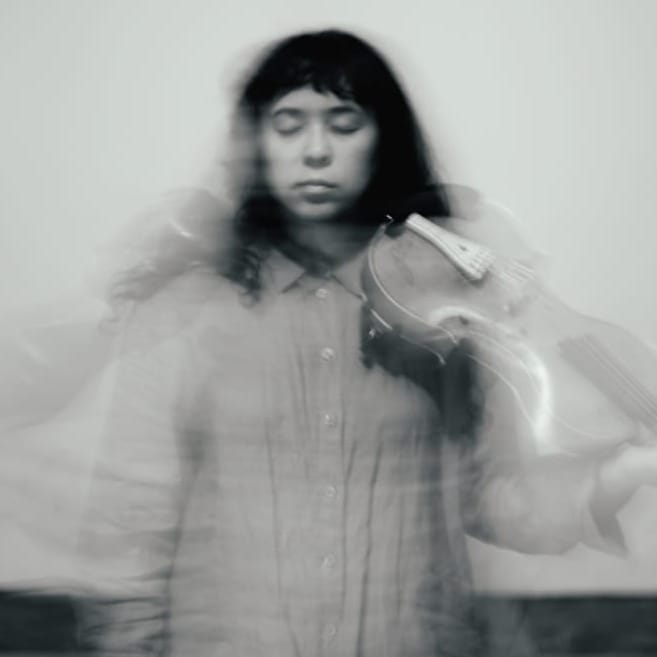
Folk Memory, Living Sound — Zosha Warpeha's Resonant Rooms
Drawing on Nordic folk lineage and the acoustic personality of grand marble rooms, Zosha Warpeha's 'I grow accustomed to the dark' is less an album about darkness than a slow revelation of what lives inside it. Interview by Meredith Hobbs Coons.
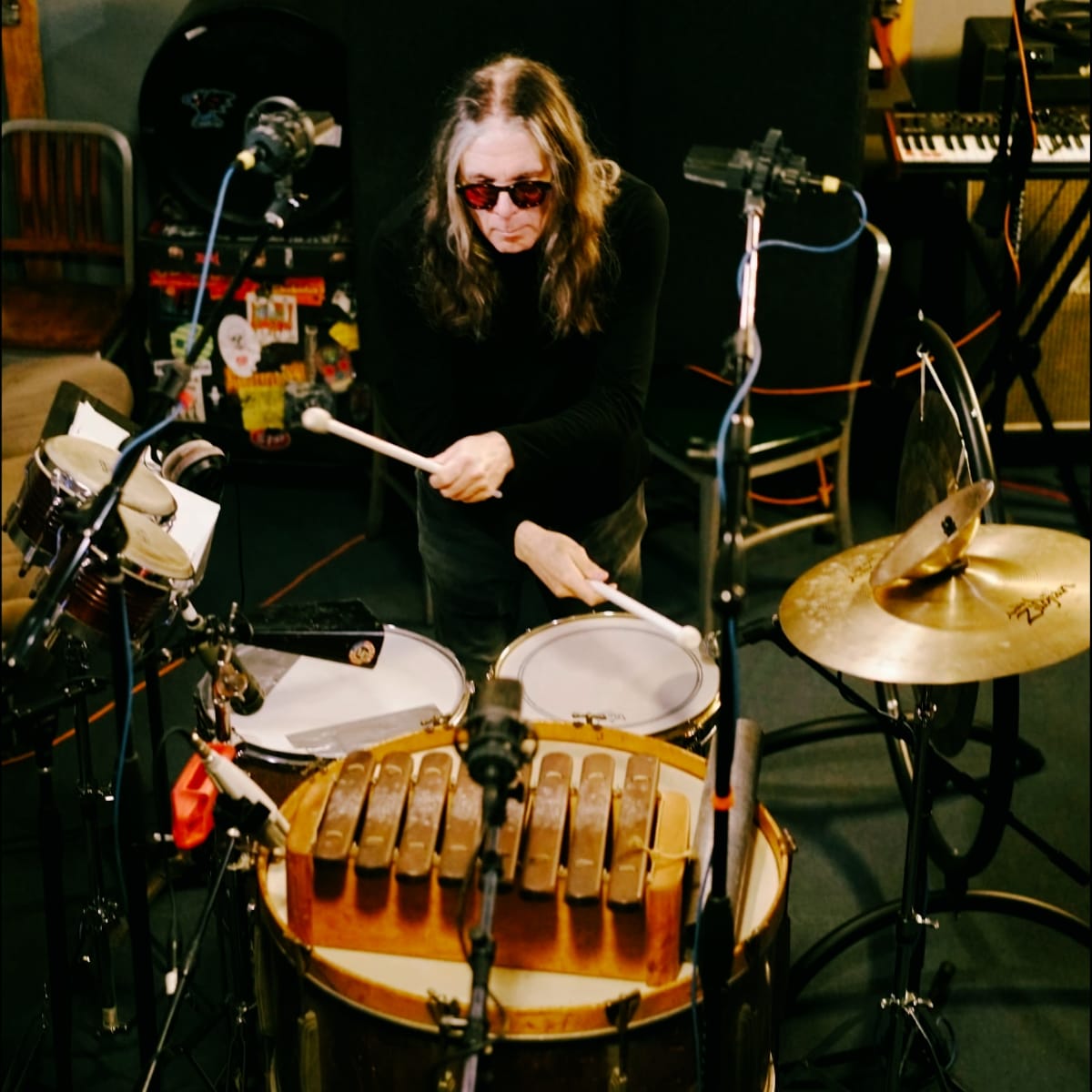
An Audience with Bob Bert, Saint of Scrap Metal
The drummer behind Sonic Youth, Pussy Galore, and decades of New York noise reflects on his first solo album, 'Beach Bongo Bloodbath,' a percussive distillation of a life lived at the underground's edge. Interview by Steven Garnett.

Beauty Out of Misery — Stephen Emmer's 'Asymmetrical Dot'
On 'Asymmetrical Dot,' Stephen Emmer turns grief and new birth into a multigenerational meditation, drawing on the Indonesian folk traditions his mother carried from Ambon to Amsterdam and the hushed compositional vocabulary that hearing loss made necessary. Interview by Lawrence Peryer.
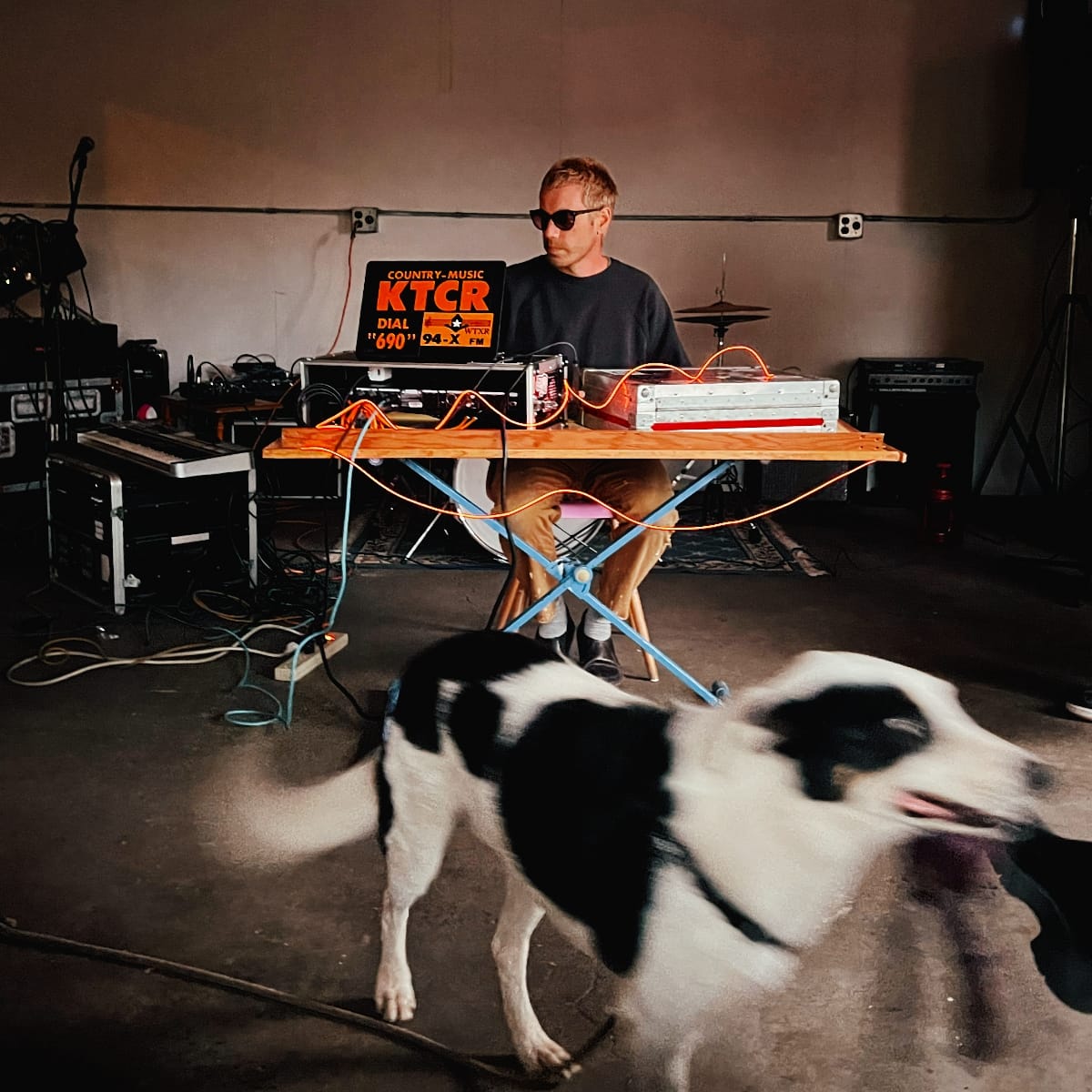
The Alien Americana of Phil Geraldi's 'Rural Deceased Undiscovered'
On his debut LP 'Rural Deceased Undiscovered,' the San Diego-based composer takes country music's familiar palette and divorces it from all human context, in pursuit of the universal hook buried beneath the American one. Interview by Sam Bradley.
This Week's Episode of The Tonearm Podcast:

Billy Polo: Audio Engineer as Archaeologist
From the Black Ark tapes buried in Lee Perry's yard to unreleased Dennis Brown sessions, Billy Polo on the forensic pleasures and urgent stakes of reggae's analog archive.
Rotations
Lawrence Peryer's Rotations aired its ninth episode this past Tuesday — here's what he has to say about it:
This past Tuesday's hour of Rotations is up on the Mixcloud archive. The June 9 show ran almost entirely on 2026 releases, including Patricia Brennan and Sylvie Courvoisier, Alexander Hawkins on Intakt, and Jeff Parker's latest on International Anthem, with Ornette Coleman's 1959 "Lonely Woman" as the lone historical anchor holding the center. A contemporary-leaning hour with one foot in the canon. The full tracklist lives in the Mixcloud description.
Next week tilts the other way: more lineage, more history. Catch it first when it airs live Tuesday at 11 PM PT on SPACE 101.1, streaming at space101fm.org. If you miss it, it will be up on Mixcloud the next day.

The Hit Parade:
"[James Blood] Ulmer took those ideas further by tuning all his guitar strings to the same note, a radical move that he said gave him even more freedom. When he showed Mr. Coleman, his mentor beamed. ‘He made me feel like I just graduated from his harmolodic school of music,' Mr. Ulmer said . . .” ❋ "What Steve [Barrow] learned and then applied about music is that although it could be enjoyed without any context, for any understanding to be achieved, context was required, certainly for a genre like reggae, as much as the more seriously studied jazz . . ." ❋ "[Carlos ‘Indio’ Solari’s] popularity challenges assumptions about a shared Latin American cultural sphere: Solari was virtually unknown outside Argentina and neighbouring Uruguay, which shares much of its cultural and linguistic heritage." ❋ "When considering his photographs, music is a more apt analogy as [Garry] Winogrand employs an improvisatory process, always in a call-and-response mode, and in constant conversation with the world around him." ❋ "This support of stranger musicians isn’t necessarily gender-specific, but I’m interested in women who cast spotlights on gnarlier, less polished influences. Flagging up odder stuff you like has always been the preserve of the High Fidelity-grade awkward male music nerd, but for women, the stakes feel different." ❋ “My vision was, let’s bring these various communities of the city to Central Park. I believe New Yorkers are curious, inquisitive. Intellectual, small i'." ❋ "In more recent years, the old orquesta típica model has faded, while New Mexico Spanish Music, a rock-influenced genre with electric instrumentation, has risen in its place. When the Albuquerque-based group Lone Piñon started out back in 2014, their preferred style of uniquely New Mexican music was nearly extinct." ❋ "These book and album pairings approach familiar emotional, social, and political terrain through sensibilities that may feel slightly off-kilter or resistant to easy meaning … a range of tones that sit apart from the polished image of South Korean popular culture often grouped under the label 'K-culture'." ❋ "I never knew when the records were going to be released. I make the record and the next day I go to the next record date or the next single or the next gig, so I never was able to keep my finger on the exact date. You know, I didn't know that Plugged Nickel was out until a year after it was already out." ❋ "It was as if something rare and alchemical was looming in the atmosphere in New York City. With smoke-tinted soul samples, meditative tales of grief, and slices of funk, the 12 chapters of ‘36 Chambers’ are nothing short of hardcore hip-hop perfection." ❋ “[Trevor] Horn walked out on the project for around six weeks in a stand-off over a snare sound in the final mix, until Ahmet Ertegun stepped in on his side and demanded the band reinstate Horn’s version." ❋ “When you approach migration on a human level, you connect with it, whether it’s your culture or not, because it can be about triumph over adversity irrespective of gender, race, age.” ❋ "For a few glorious moments in the late 1940s, Philadelphia was one of the jazz radio beacons in the country. And it all happened at Frank Palumbo's Click, a nearly eponymous club at 16th and Market Streets." ❋ "Her action drew heavy criticism from local press … 'Looking back today, I think that was quite important, not just for the political moment in Chile, but in general, because it’s an image that keeps circulating and that a lot of young women suddenly see.'" ❋ "Actually, it’s not 'Who is gay?' It’s 'What is the gayness of the music that gay people are listening to?' Some interviewers are fascinated with the idea that something can be gay music and not be made by a gay artist." ❋ For more curated music links, be sure to follow The Tonearm’s feeds on Bluesky and Mastodon.
New Music Recommendations: Basya Schechter - Songs of Desire (RIYL: Global jazz; Tzadik-label avant-garde; multilingual sacred-erotic vocal settings) ❋ Concepción Huerta - No Queda Nada, Todo Resuena (RIYL: Voltage-generated drones folding into spectral decay; Pauline Oliveros, Daphne Oram, Mabe Fratti) ❋ Diles que no me maten - Escrito en Agua (RIYL: Kosmische music, wiry and improvisatory, sung in Spanish; Luis Alberto Spinetta) ❋ Golems of the Red Planet - Surf Masada: The Compositions of John Zorn (RIYL: Surf rock filtered through Jewish folk modalities and chamber improv; John Zorn's Masada, with nods to ELO and The Move) ❋ Horse Lords - Demand to Be Taken to Heaven Alive! (RIYL: Art rock, American minimalism, just intonation; Battles, Glenn Branca, Moondog) ❋ WRENS - LIVE @ NUBLU (RIYL: Electroacoustic jazz-rap; Miles Davis electric period, jaimie branch, Armand Hammer, Irreversible Entanglements)
The Deepest Cut:
There’s no interview this week, so I thought I’d do something a little different. The year is at its midpoint, and the internet is filling up with "best of so far" album lists. I thought it would be fun to do my own version, though I’ll leave the definitive verdicts to others—instead, here are five records I’ve returned to most over the past six months, the ones that kept pulling me back despite all the new music inundating my inbox. My favorites, if you will, listed alphabetically and, as these sort of go together, perhaps an unintentional window into a certain type of sound I’m favoring these days.
Booker Stardrum and Evan Shornstein - OOPS! (Sudden Quarterly): I’m a sucker for music that sonically seems to reference the spirit of Eno & Byrne’s My Life in the Bush of Ghosts. There aren’t any culturally appropriated samples on this one, though—just the sound of Booker Stardrum and Evan Shornstein mixing and matching their styles and interests into playful, rhythmic experimentation. As for their differences, Stardrum has built a reputation in experimental jazz circles for treating the drum kit as a melodic instrument; Shornstein, who also records as Photay, moves fluently between synthesis and live drumming. The album's title comes directly from how they work: they improvise, take detours, and embrace happy and unhappy accidents alike. The record was recorded over a three-day stretch in Los Angeles (Shornstein and Stardrum reside in the Hudson Valley, if I’m not mistaken), which makes it loose without being unfocused, and melodically attentive without being tidy. It’s good fun, too.
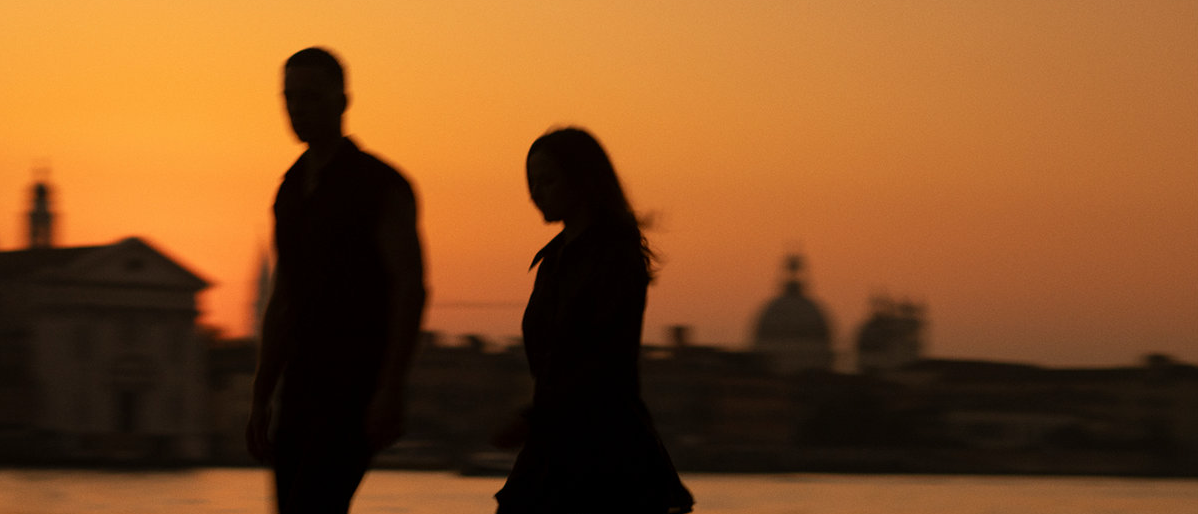
Caterina Barbieri and Bendik Giske - At Source (light-years): Caterina Barbieri and Bendik Giske had been circling each other for years, so this astounding debut duo release feels less like two artists meeting than two artists finally documenting what they already know about each other. Here are four long improvisations, each with a two-word title that names one pole per player, with Giske's saxophone against Barbieri's modular synthesis, an acoustic breath against electronic lattice. The titles suggest opposition, but the music arrives gloriously gelled as Giske and Barbieri pass melodic ideas back and forth with ease. The eleven-minute "Impatience, Magma" is the peak, a piece that seems to reach a conclusion and then finds a second act equally good as the first—Giske's layered saxophones dueling over Barbieri's expanding synth juggernaut—but the closing "Persistence, Buds" runs it close, drifting into the dreamlike before fading away.

Cinna Peyghamy - Music For Tombak & Synth (Other People): Cinna Peyghamy is a French-born producer of Iranian descent who has never been able to visit Iran, and the tombak—a Persian goblet drum played with the palms and fingertips—is how he resolves that distance. Over five years, this album grew from a master's thesis on contact microphones into a transportive studio record that brings together Persian tuning systems, modular synthesis, processed setar samples, and tombak rhythms. Every resonance gets room, and Peyghamy's finger-tapped highs and palm-struck bass tones sit inside the modular textures rather than distracting from them. The most plainly personal moment is "Dar Shab در شب," in which his father, who took the photograph of generations of Peyghamy’s family that appears on the album’s cover, recites a poem by Ahmad Shamlou. There’s no binary of traditional versus electronic here; instead, the music offers us lucky listeners music that’s more provisional and honest.

Radwan Ghazi Moumneh & Frédéric D. Oberland ~ *Eternal Life No End | ليلة ظلماء ملعونة، كحياة طالبيها * (Constellation Records): Radwan Ghazi Moumneh and Frédéric D. Oberland began Eternal Life No End as a series of improvised duets at Montréal's Hotel2Tango in 2023, then reconvened in Paris the following year to finish it. This mesmerizing album's instrumentation spans buzuk, rababa, daf, bongos, alto saxophone, clarineau, and cascading modular synthesis, but the captivating element is Moumneh's voice, which moves through the music in a way that’s as haunting as it is melodic. The Arabic title translates roughly as "a dark, cursed night, like the seekers themselves," and that sense of pursuit without arrival runs through all seven tracks. The contemporary sense of a negative space that one can’t quite fill is reflected in titles like "A Dream That Never Arrived" and "A Shadow With No Silhouette.” Seriously—this is one of the year's most quietly devastating records.
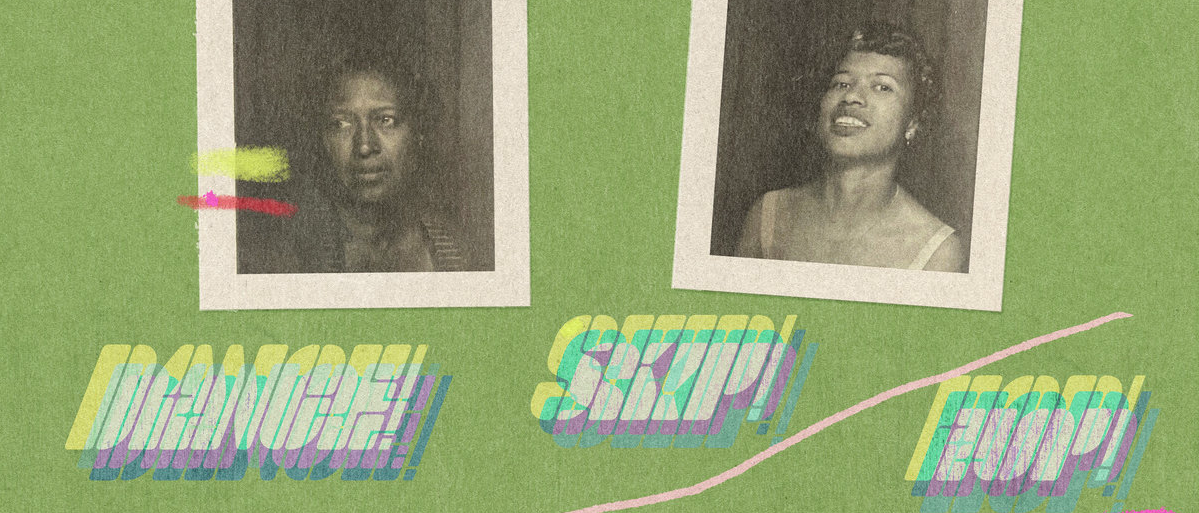
The Tomeka Reid Quartet - dance! skip! hop! (Out of Your Head Records): Dance! Skip! Hop! is the fourth album from Reid's long-running quartet with guitarist Mary Halvorson, drummer Tomas Fujiwara, and bassist Jason Roebke. Eleven years into that working relationship, it’s no surprise the group can drop an album that’s musically conversational in a way that makes complexity feel effortless. Reid's cello sits at the center of it all—sometimes bowed into lyrical reverie, sometimes plucked into propulsive counterpoint with Halvorson's guitar—and the two dance (or perhaps skip or hop) around each other with the kind of sixth sense that only comes from sustained proximity. In these five tracks, we get swinging post-bop, samba pulse, Latin-tinged harmony, fuzz-guitar surge, and passages of near-chamber stillness. Though it’s Tomeka’s record, nobody steps forward to dominate; the music expands and contracts as a unit. Sublime.
Run-Out Groove:
- The Tonearm is a reader-supported publication, free of advertising and paywalls. Our supporters help fund our writers and make the site possible. Please consider joining and helping us to continue our mission.
- Join the rapscallions of The Tonearm on our new Slack community.
- Sign up to receive our latest articles directly to your inbox in a snazzy, easy-to-read email version. Just go to your account, manage your email preferences, and flick the lever to receive The Total Tonearm.
- The easiest and best way you can help us? Please share this newsletter and our stories with your friends.
Thank you for reading! We'll see you again next week. 🚀


Comments