


Now Playing on The Tonearm:
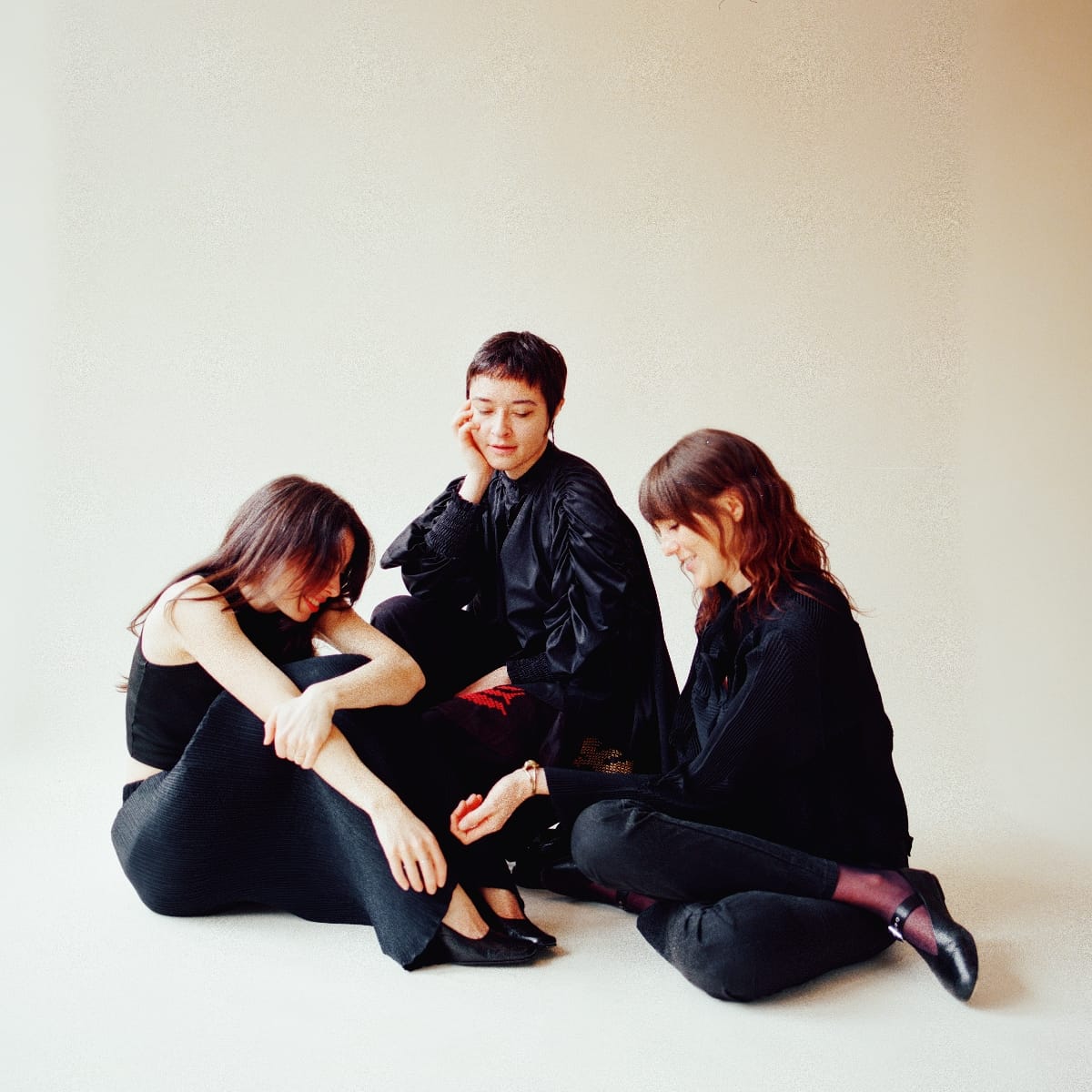
Whitney Johnson, Lia Kohl, and Macie Stewart — Three Points of a Creative Shape
Longtime friends and Chicago scene veterans, Whitney Johnson, Lia Kohl, and Macie Stewart have turned BODY SOUND into a record of real-time improvisation, physical tape manipulation, and an unexpected kinship with Yoko Ono's 'Grapefruit'. Interview by Meredith Hobbs Coons.
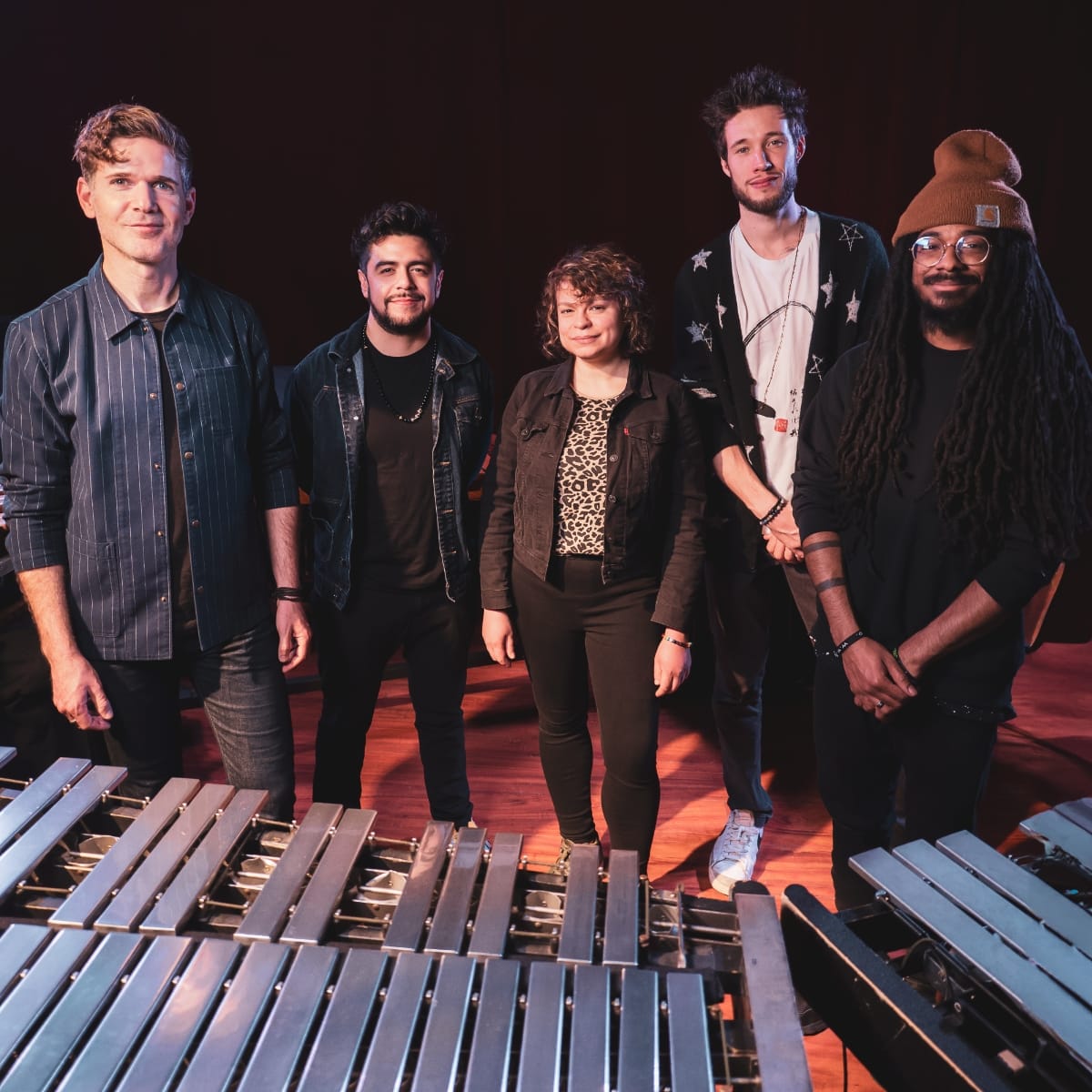
Heaven in a Semicircle — Ben Wendel and the New Mallet Generation
Placing himself in the middle of four distinct mallet improvisers, Wendel discusses how BaRcoDe turned the trance-inducing logic of bars, effects pedals, and extended technique into music he describes as living "in its own little universe." Interview by Lawrence Peryer.
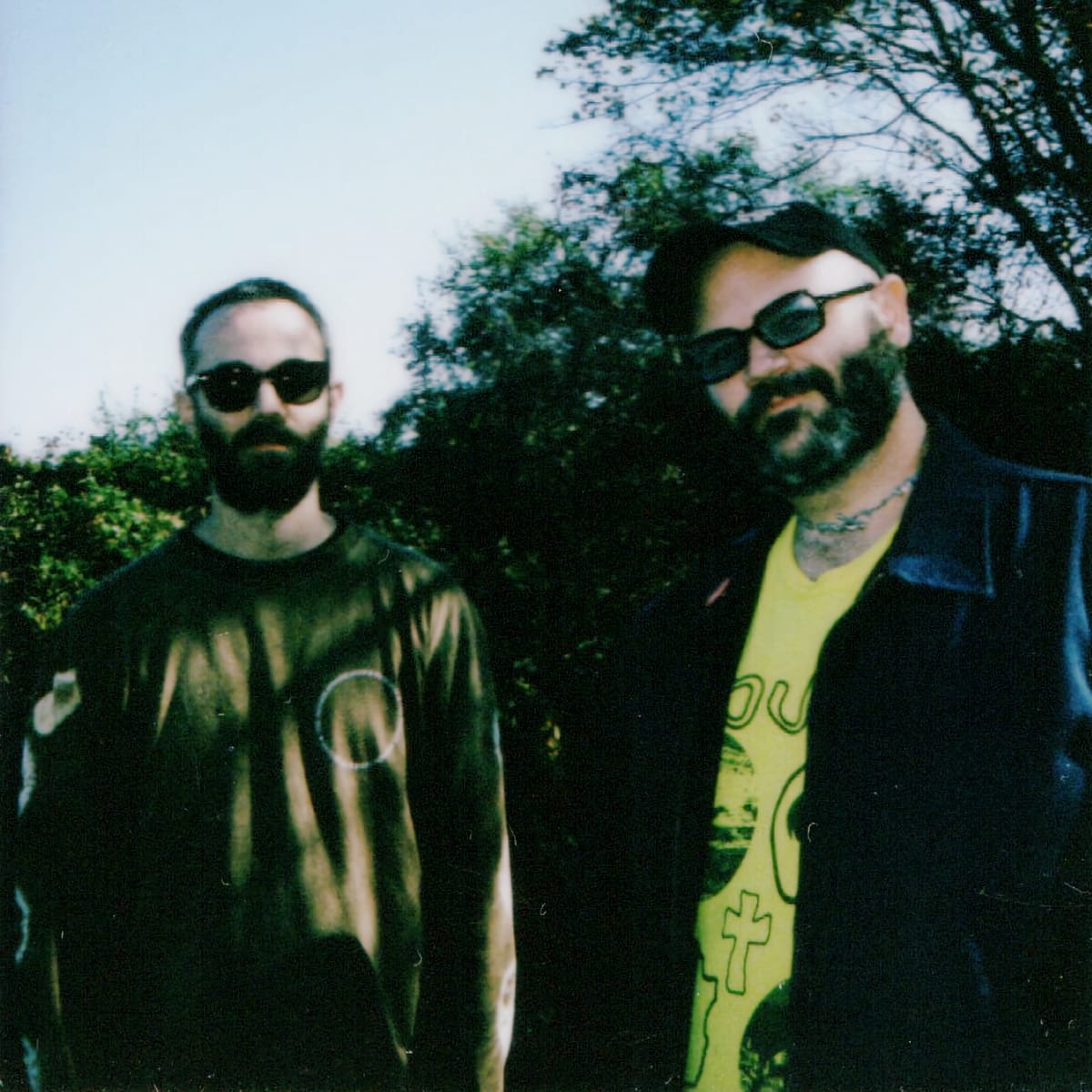
The Minimalist Gospel of Ben Seretan and John Thayer
On Sunbeam Of No Illusion, Ben Seretan and John Thayer find melody where ambient music usually forgets to look, treating amplified mistakes, grass-bundle drumsticks, and borrowed sustain as the raw material of a minimalist document of place. Interview by Carolyn Zaldivar Snow.
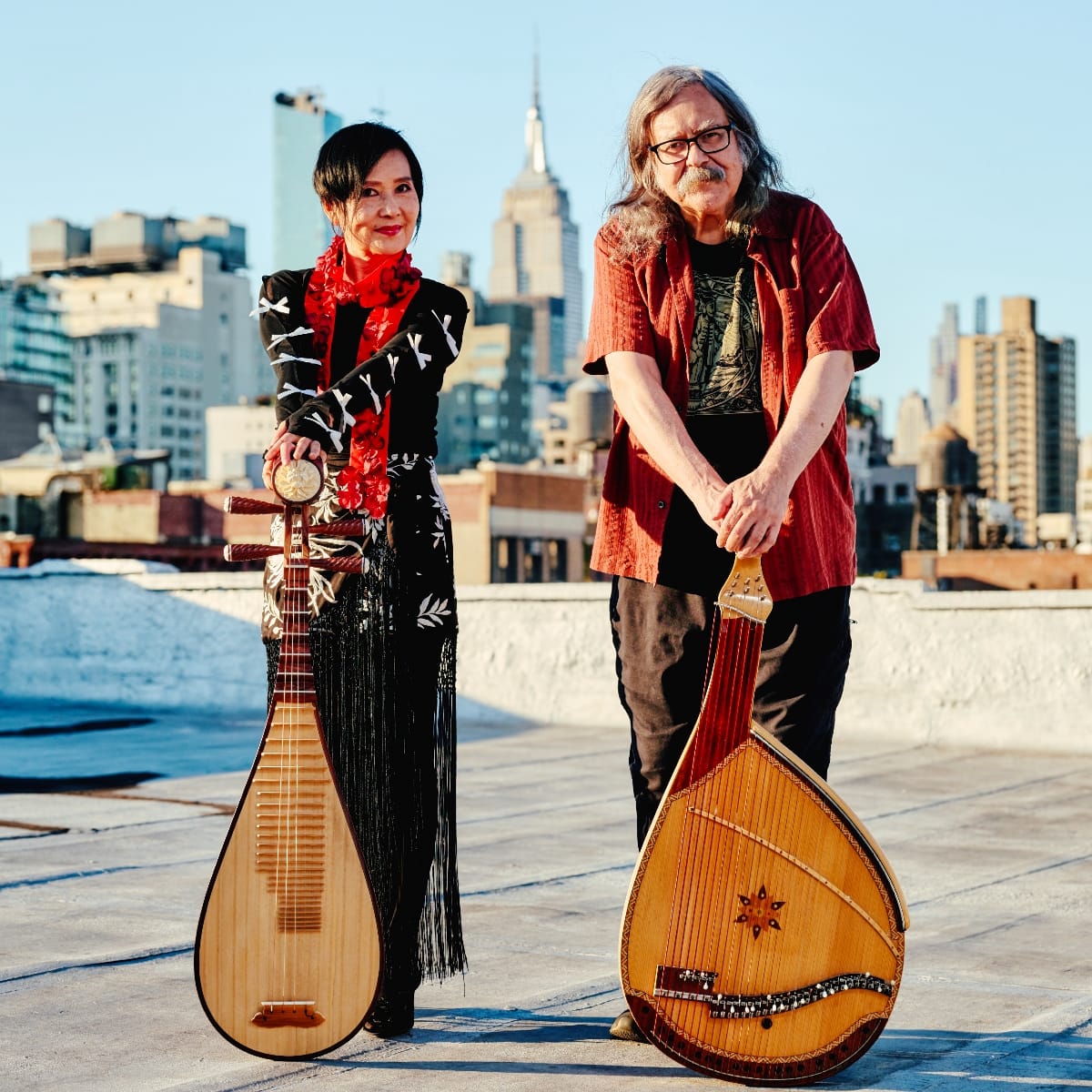
Catching the World on a String — Min Xiao-Fen's 'Boundless'
Min Xiao-Fen last set foot in Ukraine in 1988 as part of a cultural exchange with the Nanjing Chinese Traditional Orchestra, and Boundless, her new duo album with bandura master Julian Kytasty, closes a loop nearly four decades in the making. Interview by Bill Kopp.


Rupert Pupkin, Content Creator
The King of Comedy imagined Rupert Pupkin as a cautionary figure, but over four decades later, his blend of dogged persistence and indifferent craft has become the standard operating procedure of the content era. Essay by Bill Cooper.
This Week's Episode of The Tonearm Podcast:
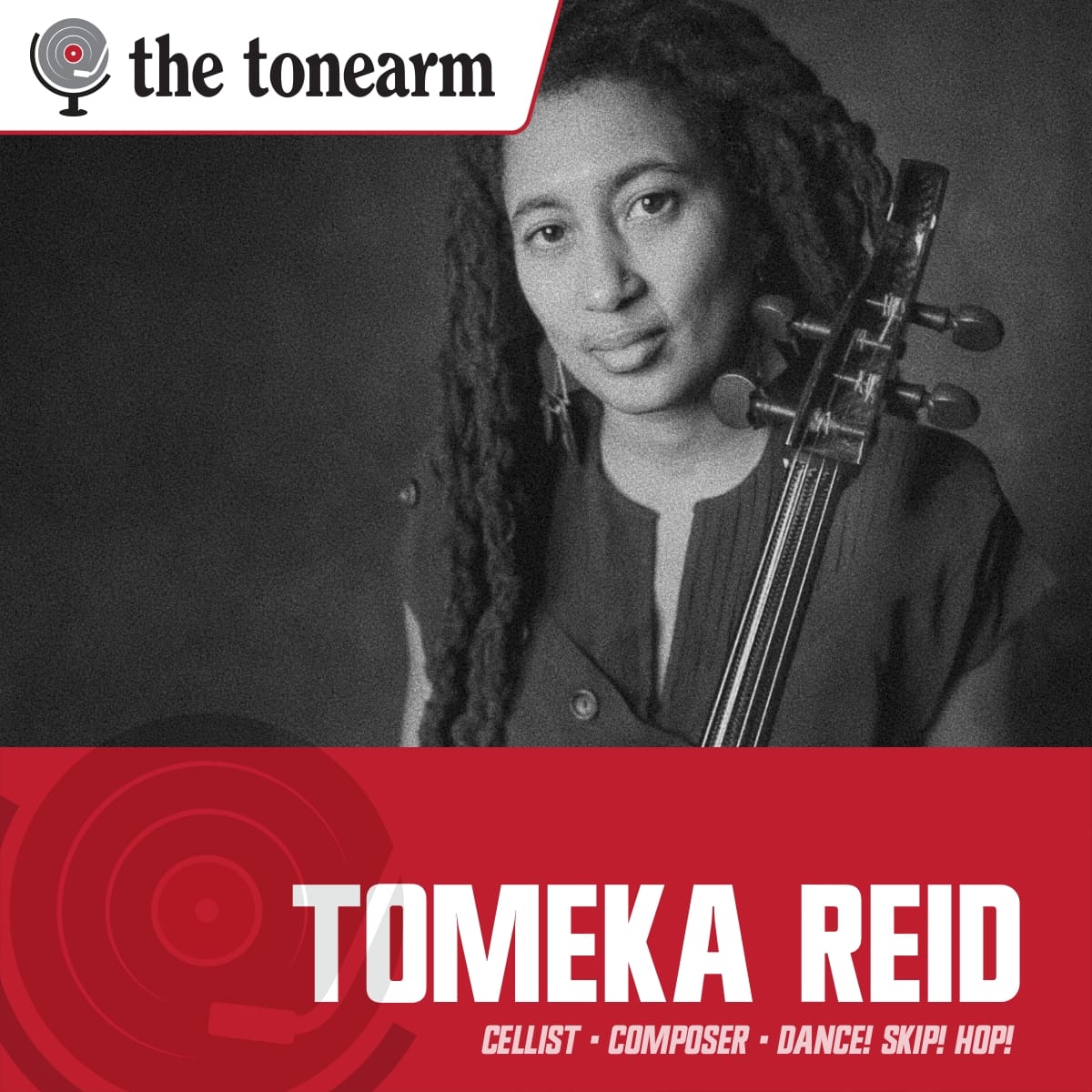
Tomeka Reid: The Low Seat, the Long Haul, and 'dance! skip! hop!'
Cellist and composer Tomeka Reid joins the podcast to discuss dance! skip! hop!, the fourth Tomeka Reid Quartet album, and why photographs of her grandmother's Wyoming life keep finding their way onto her record covers.
Rotations
The Tonearm's Lawrence Peryer just debuted our first site-affiliated radio show! His his introduciton to it and a way to listen:
I've been wanting to do radio for a long time, and it has finally happened. Our show, Rotations, premiered this week on SPACE 101.1 FM in Seattle. The first episode was a lot of fun for me, but I am most excited about learning this whole new skill set. Talking on a mic for radio is so different than what I do for the podcast. The constraints and requirements of radio, even freeform radio, are such interesting challenges to work within. I think I was a little stiff, but I will get the hang of this!
Our first episode ran four sets, around a creative music format. "Creative music" implies jazz, experimental, modern composers, and the like, but we are defining it liberally, and like our podcast, the radio show will really be a place to explore our interests. Proof of that is in this Tuesday's upcoming episode. Where else will you find Duke Ellington and Arthur Russell in the same hour?
The two most recent episodes will always be available on demand on the show page of the radio station’s website. A complete archive will live on The Tonearm's Mixcloud page. New episodes air every Tuesday at 11 p.m. Pacific and the show streams at the same time on space101fm.org for those outside the broadcast area. I'd love for you to listen and look forward to your feedback.

The Hit Parade:
"After her death aged 92, we look back on the vast and varied catalogue of [Asha Bhosle ] one of India’s greatest vocalists, who brought actorly skill to her Bollywood playback performances …" ❋ “Prince’s genius was that he took the Black-inflected music from the community where he was born — Minneapolis’s Near North Side — and synthesized that with the city’s other sounds." ❋ “After a relatively barren period for such music, the protest song has returned to popular culture in recent months, mostly manifesting in its oldest and most enduring form: folk music." ❋ "If there were one fewer note, it wouldn’t land; one more would be superfluous. It had to be heard on piano, the central tool for Western musical structure, and it had to be the instrument alone." ❋ "To make Sunn O))), they took the approach to its absurd end by asking producer Brad Wood not to put a microphone or two on every speaker cabinet but instead to put one on every single speaker. Each piece, Wood told the New York Times, has at least 130 layers of guitar." ❋ "There was a lot of trust in the other band members. I considered a musician like Jaki Liebezeit also to be my teacher. I always loved to make music with people who knew something I didn’t, so I could learn from them." ❋ “Despite difficult conditions, including power outages and other challenges related to the war, there was a strong sense of proactivity and willingness to help. … The Ukrainian modular community continues to develop even amid war and instability." ❋ "I was playing with the Fairlight every day. I flung the manual against the wall at least twice in frustration, I wasn’t able to understand what it was talking about. But because, I suppose, I thought to myself, ‘I am a composer,’ I just got stuck in …" ❋ "Eoin and Sandison’s painterly approach to aging and distressing sound purposefully sought to tap into a shared reminiscence with the listener, and was later cited as pioneering the ‘hauntology’ aesthetic that would become popular in the years that followed." ❋ “Creativity isn’t a retreat from reality. It’s one of the ways reality gets reshaped. We have that power, and we must use it.” ❋ My favorite joke.
New Music Recommendations: Andrew Anderson – Thresholds (RIYL: Intriguing sound art; disquieting assemblages of field recordings and found sound) ❋ Holodec – TRU FOLK (RIYL: Ambient electronics; an ‘audio document of urban existence’) ❋ Joseph Branciforte & Jozef Dumoulin – ITERAE (RIYL: Post-glitch, electroacoustic experimentation; Alva Noto, Ryoji Ikeda) ❋ Kiiōtō – Black Salt (RIYL: Jazz-inflected art-pop/soul; Lamb [it’s the same vocalist], Khruangbin) ❋ Lucy Liyou – MR COBRA (RIYL: Electroacoustic avant-pop; Korean folk opera and 2000s-era pop in frenetic collision) ❋ Marta Sánchez – For The Space You Left (RIYL: Contemporary composition; echoes of John Cage's prepared piano work filtered through personal vulnerability) ❋ Matt Lowery – Vessel (RIYL: Modular synthesis, collage composition; Taylor Deupree, David Rothbaum's Miniatures) ❋ Nick Flessa – A Different Kind of Energy (RIYL: Cinematic desert noir instrumentals with pedal steel; Calexico, Ennio Morricone)
The Deepest Cut:
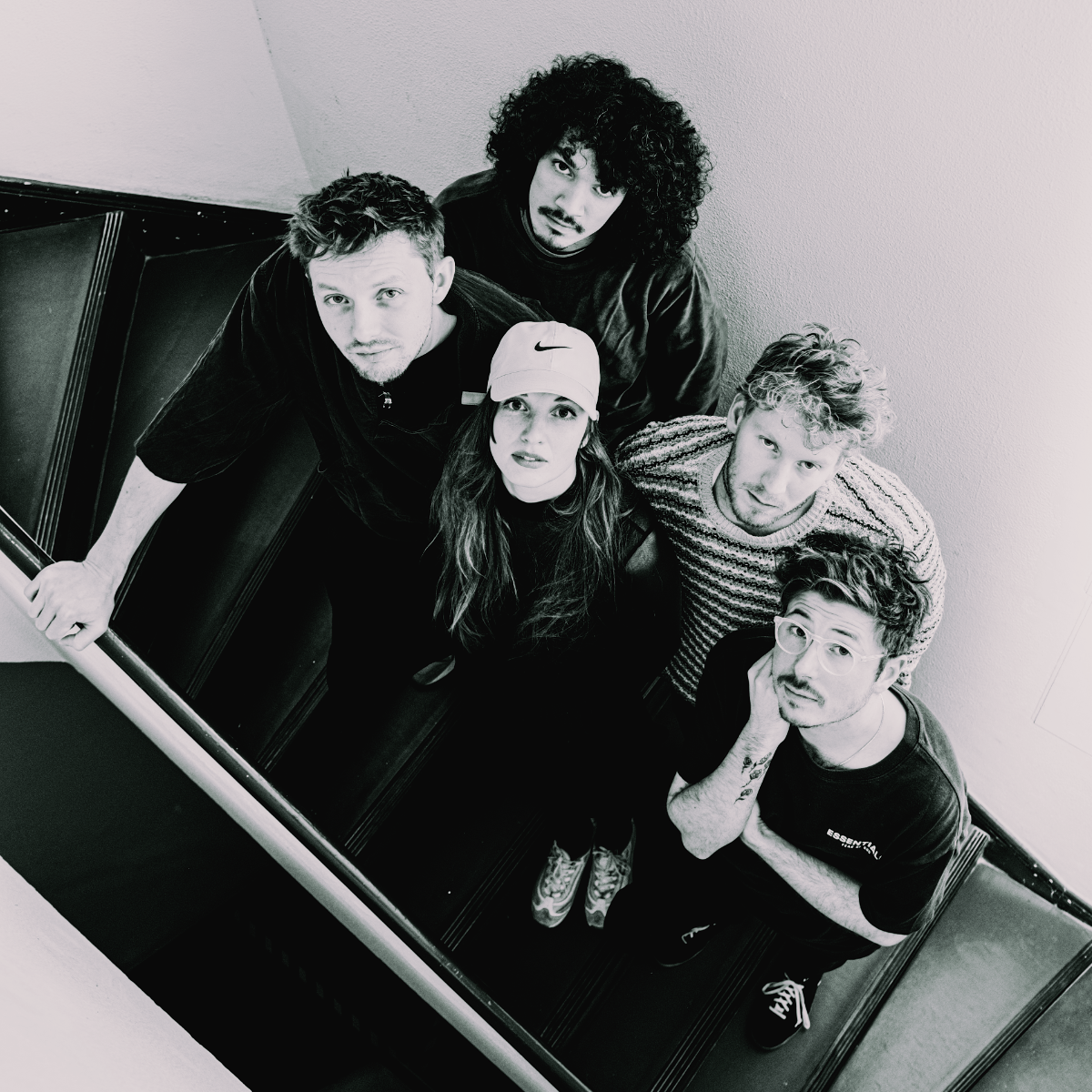
Conic Rose are a Berlin quintet whose music draws on jazz, ambient, indie, and electronica without adhering to any of them. Their 2023 debut, Heller Tag, established them internationally, with Mojo giving it four stars and praising its "mazy trumpet melodics and forlorn flugelhorns." Gilles Peterson championed Heller Tag on BBC Radio 6 Music, and both Jazzwise and Jazzthing featured the band.
Their second album, wedding (2026), takes its name from the neighborhood where the group keeps its studio. Both Heller Tag and wedding were made near the small river Panke, and trumpeter Konstantin Döben noted that the space leaves its mark on everything made within it. 'Wedding' also means marriage in German (and other languages, of course), and the record turns on that double meaning. It explores what a place does to those who make art within it, a fading past and an emerging future, and fear alongside hope.
Wedding is the conceptual counterpart to Heller Tag. Where Heller Tag documented movement within an urban setting, wedding describes a condition of being. Something unnameable hovers throughout. Bertram Burkert's guitar takes a more central role than on Heller Tag and holds an equal dialogue with Döben's horns. Blurred and layered sounds occasionally make the ground seem to shift. Conic Rose described wedding as more subtle and filigree than their previous work—it attends to what resists precise articulation.
I asked Conic Rose to tell us more about the ideas behind wedding, how the Wedding district influenced the mindset present during recording, and, naturally, for something the band loves that more people should know about.
Conic Rose work very intuitively; there are no pre-written compositions, no intellectual approach. We play live on real instruments, improvising until a certain feeling or state emerges, then we stay with it. The material is then further developed in a playful and experimental way, shaped, processed, and heavily produced. A lot of it becomes electronically altered.
For our debut album (2023’s Heller Tag), we had an almost unlimited sense of time. Everything was new, everything was open. We made music very intuitively, meeting when it felt right and working when we felt like it. Because of that, the pieces often became connected to specific places or situations. They document movement in a very literal sense, being in the city, moving through it, reacting to it. For example, the track “Gleisdreieck” was written in a Berlin park during lockdown. I was sitting there with a notebook, just capturing that moment.
With the new, second album, wedding, something changed. We were in a phase of deciding that we really want this project to exist long term, that it should grow, and that we want to commit to it alongside everything else in our lives. So the question became: how can we actually sustain this? That led to a different way of working. We spent much more time together in the studio, developing a shared language and a clearer flow between us. And I think that’s where this idea of “being” comes in.
Instead of responding to external movement or specific places, the music started to come more from within the collaboration itself. It’s less about capturing a moment out there and more about staying inside a state together, exploring it, stretching it, letting it unfold over time.
Wedding [a working-class, heavily immigrant neighborhood in Berlin, which the album is named after] is a place full of contrast, chaos, and diversity. There are many cultures, and there is always something to discover. You move through it with a different kind of attention. You look at things differently than in places that feel more settled or uniform.
That kind of environment naturally influences us. It creates a sense of openness, but also a certain uncertainty, and that’s something we value in our music as well. When we play, we often try to put ourselves in a similar state, moving like guests through something unfamiliar, searching for sounds, seeking connections, and creating something coherent from it. Being in a diverse environment can also shift how you perceive yourself. It makes you reflect differently, and that carries into the music.
So the political dimension isn’t something we approach directly or conceptually, but it’s present in how we relate to the place, and in the kind of awareness and sensitivity it creates in the process.
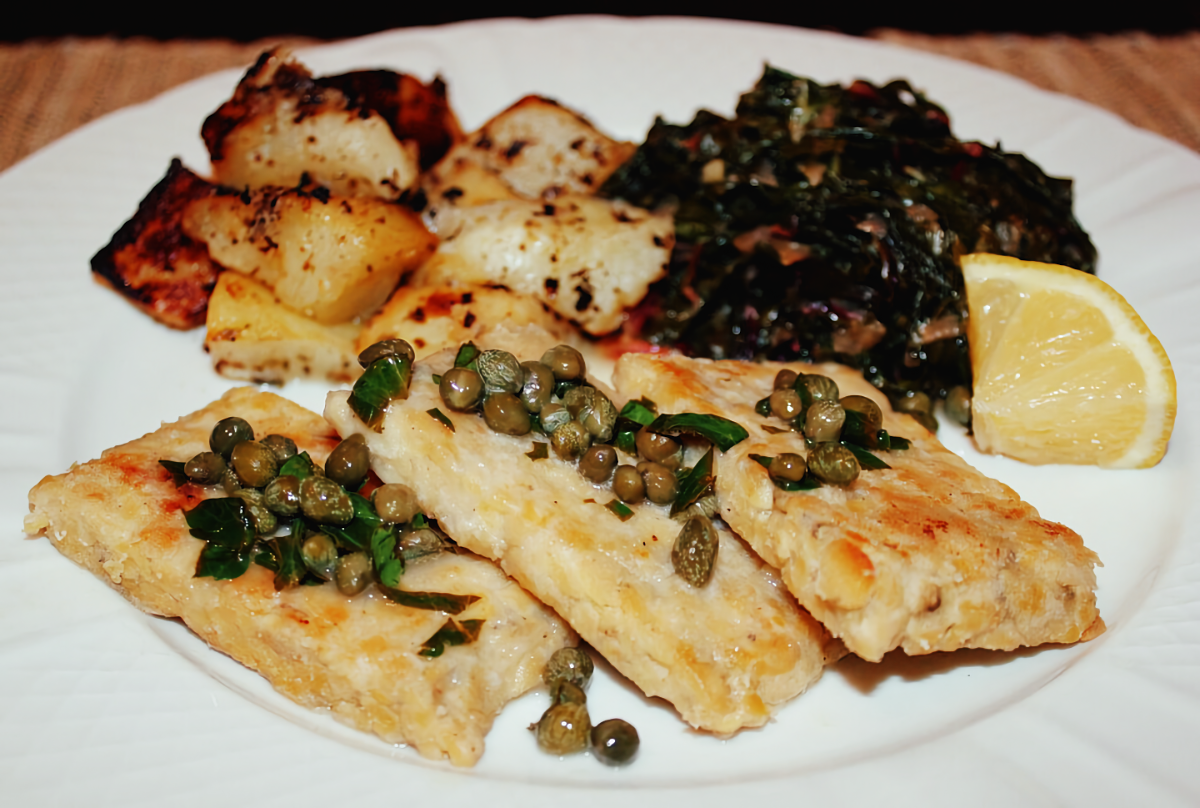
Here's something loved (collectively, I assume) by Conic Rose that they think more people should know about:
We love making things from scratch. Recently, that’s been tempeh, originally from Indonesia—fermented soybeans. Once you understand the process, it’s actually very simple. You wash the beans, cook them, add the culture, and let them ferment for about 36 hours at 31 degrees Celsius.
There’s something very pure about it, something real. It has a strong essence, very nourishing and alive. We still get excited like kids when we open the tempeh once it’s ready and smell that nutty, slightly fruity aroma. From there, it becomes a base for experimentation. You can take it in completely different directions and make all kinds of crazy things with it. It’s a bit like our approach to music, starting with something raw and seeing where it can go.
Run-Out Groove:
- The Tonearm is a reader-supported publication, free of advertising and paywalls. Our supporters help fund our writers and make the site possible. Please consider joining and helping us to continue our mission.
- Join the rapscallions of The Tonearm on our new Slack community.
- Sign up to receive our latest articles directly to your inbox in a snazzy, easy-to-read email version. Just go to your account, manage your email preferences, and flick the lever to receive The Total Tonerm.
Thank you for reading! We'll see you again next week. 🚀


Comments