


In the narrow but influential slice of the music universe that is krautrock / kosmische music, Cluster looms large. Founded as Kluster with Dieter Moebius, Hans-Joachim Roedelius, and Conrad Schnitzler, the group was deeply experimental and improvisational. The earliest aggregation managed three official recordings—1970's proto-industrial Klopfzeichen, Eruption, an improvisational live album in 1971 often credited to Schnitzler or a group of the same name, and the cosmic-sounding Zwei-Osterei also from '72—before splintering. Schnitzler left for an iconoclastic solo career, while Moebius and Roedelius continued with the slightly-renamed Cluster.
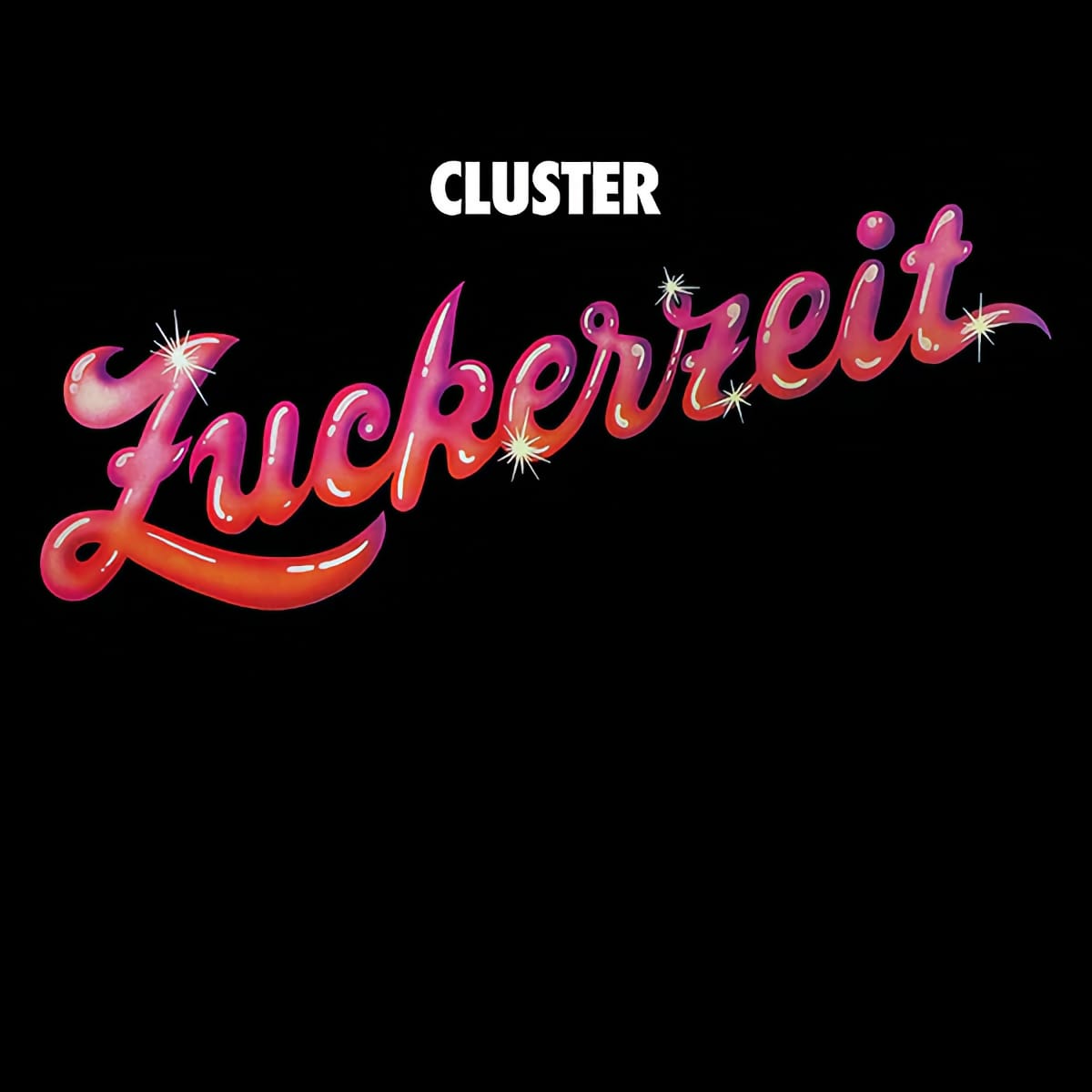
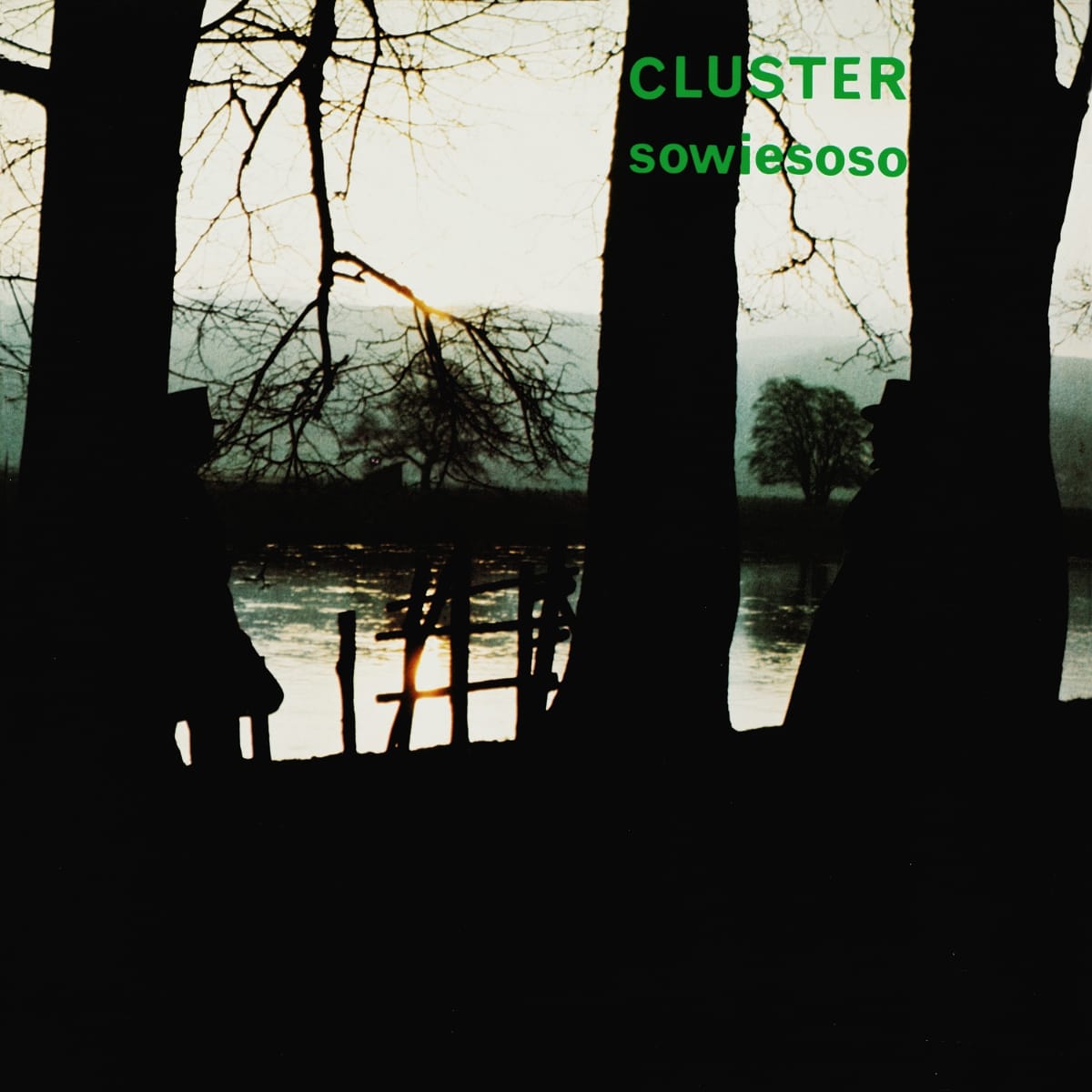
Cluster pioneered ambient and kosmische music, exerting influence upon all manner of artists from Brian Eno (with whom they would eventually collaborate) to Radiohead and beyond. For many listeners, the duo's third and fourth albums, Zuckerzeit (1974) and 1976's Sowiesoso, represent Cluster's crowning achievements. Considered as essential components of the krautrock genre, those albums continue to pay creative dividends to modern-day listeners. In 2026, Bureau B continued its campaign of vinyl reissues of key krautrock releases, with new pressings of Zuckerzeit and Sowiesoso.
While krautrock was largely overlooked by mainstream music consumers outside Germany, in recent years the form has come in for serious reconsideration. No fewer than four major books have gamely attempted to explore and illuminate krautrock, endeavoring to place it within a larger musical and artistic context. But in every case, it could be argued that the analysis was flawed in some way.
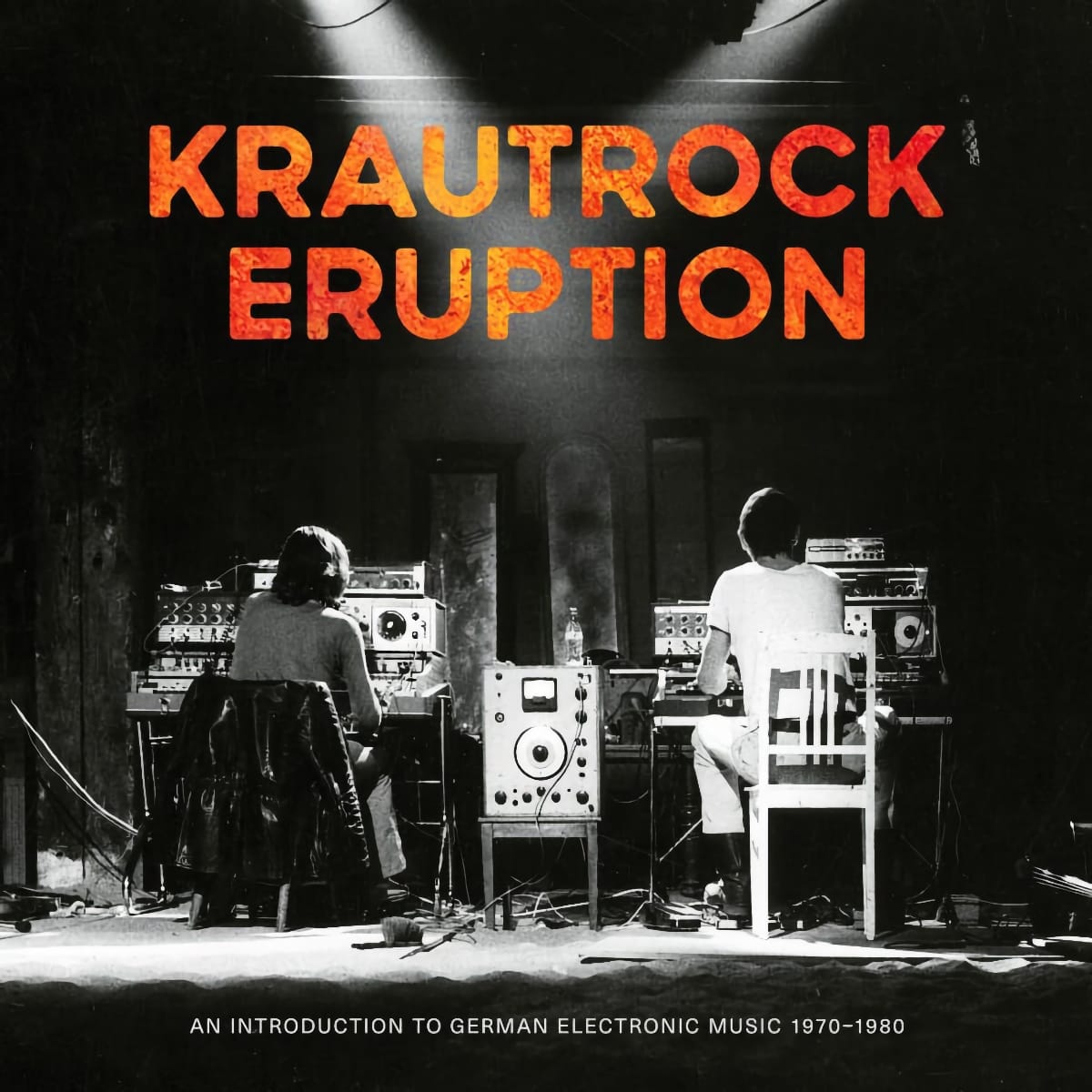
Berlin-based Wolfgang Seidel was a core member of the aggregation that became Kluster, affording him something better than a front-row seat to what actually happened. His 2016 book, Wir Müssen Hier Raus!: Krautrock, Free Beat, Reeducation, presented a narrative of krautrock that stood in sharp contrast to the books authored by native English-speaking writers. Translated to English and retitled Krautrock Eruption: An Alternative History of German Underground in the 60s and 70s, his book provides a fresh, firsthand, opinionated, and unsentimental look at krautrock. Coinciding with the reissue of two landmark Cluster albums, I sought Seidel's perspective on the group and the larger movement known as krautrock.
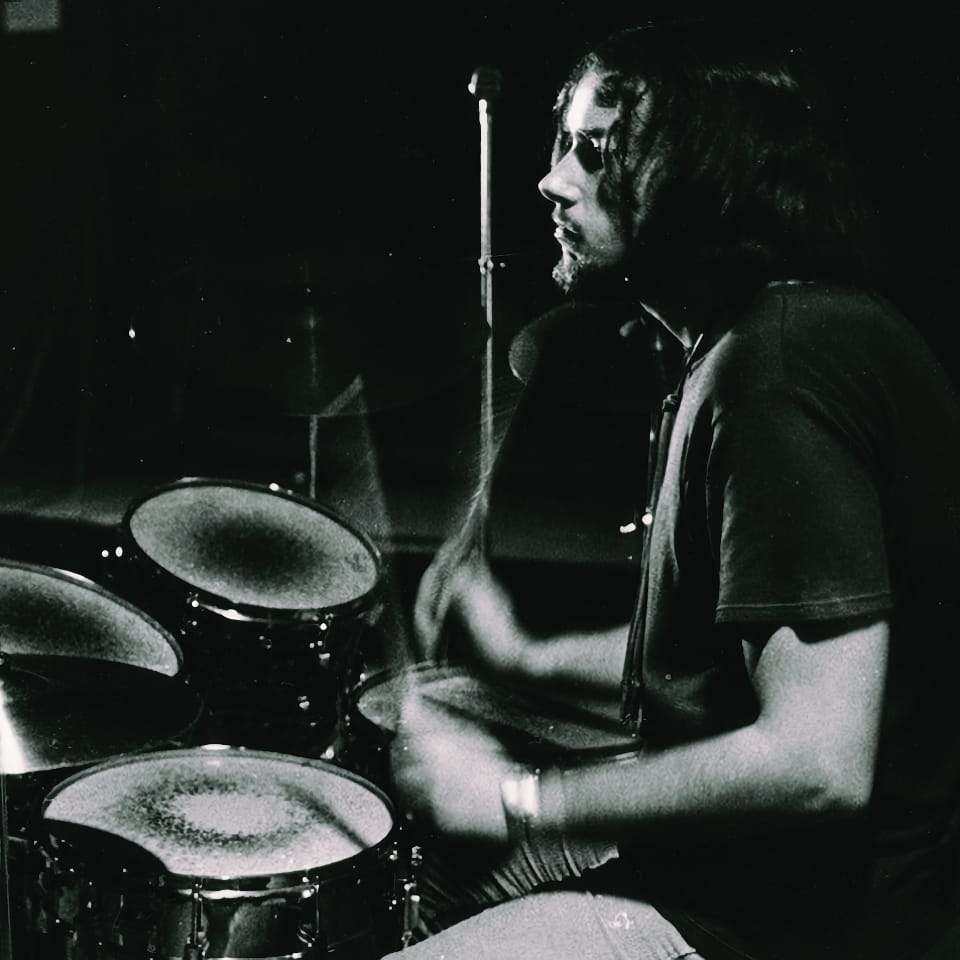

Wolfgang Seidel in 1970 and 2013. Photos via Wikimedia Commons.
Bill Kopp: Your perspective on krautrock is markedly different from that of other authors who have explored the subject. Can you tell me how your understanding of the form differs from the manner in which authors like David Stubbs (Future Days), the Freeman brothers (The Crack in the Cosmic Egg), and Julian Cope (Krautrocksampler) approach it?
Wolfgang Seidel: It was a few years ago that I read Future Days. In the opening chapters, Stubbs writes that he tried to start a conversation with a German academic about krautrock. "About what?" The guy had never heard of such a kind of music, and didn't understand how important Stubbs believed it to be. On another page, he writes that while traveling in Germany, when he mentioned the names of krautrock bands, the answer he got was, "Who?"
The subtitle of his book is "Krautrock and the building of modern Germany." A modernization was desperately needed, but it was the U.S. and British influence that was the blueprint. The results of that process and the struggles on the way differed depending on Northern or Southern Germany, rural regions, or the large cities.
What was also important was age. There are two generations in krautrock: those musicians born before WWII, and the postwar generation that listened to the American Forces Network (AFN) or the British Forces Broadcasting Service (BFBS). What I tried to do with my book was to understand krautrock from social class, region, and economy (Wirtschaftswunder): what it meant to be young in postwar Germany.
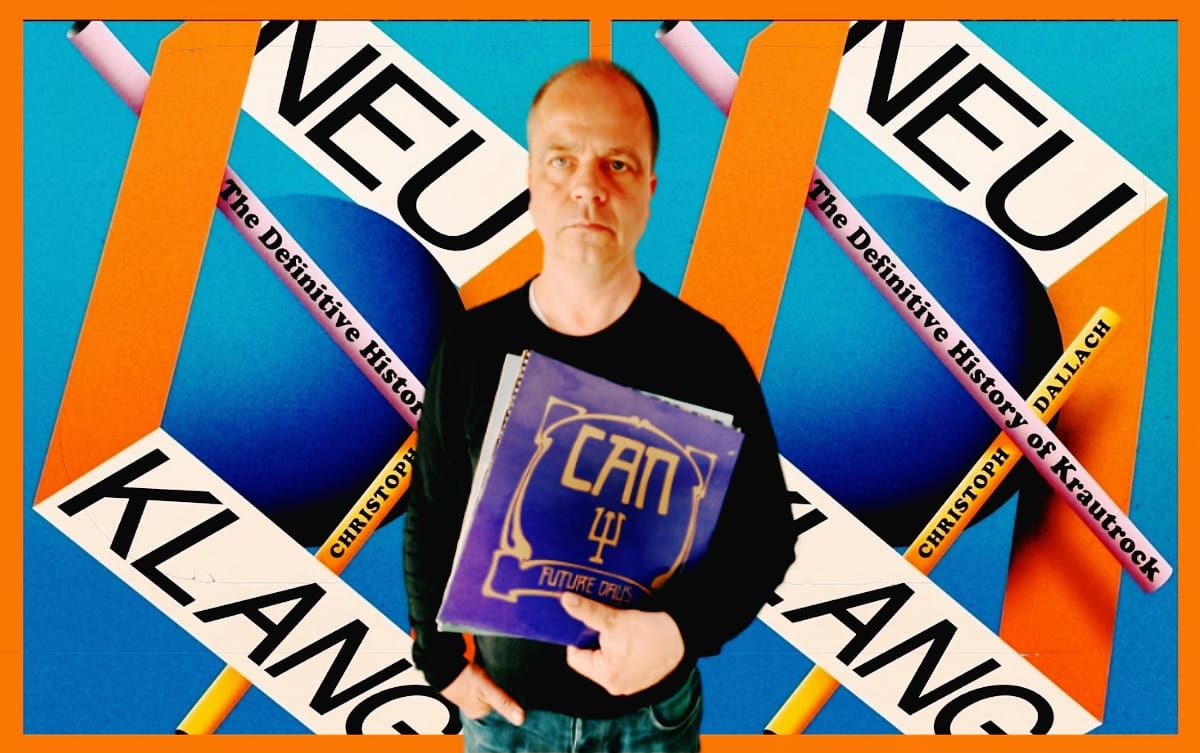
Bill: Do you feel that Christoph Dallach (Neu Klang: The Definitive History of Krautrock) got closer to a proper understanding of krautrock? And if so, is that because he—unlike Stubbs and Cope—is German?
Wolfgang: Oral history is believed to be closer to the truth. But be careful: Those people who have been personally involved in whatever part of history have their personal interest in painting the past the way they wish that it had been. That is why I have no interviews in my book. What I quote comes from articles written in the years when krautrock was taking shape.
This turned out to be a difficult task, which tells you something about the importance (or lack thereof) that krautrock had. It was also difficult because the media mostly ignored krautrock. The liner notes on record covers are advertisements made up from clichés. What did help was that the Berlin Humboldt University has an archive of 1950s to 1970s underground newspapers, but their articles about music mostly covered Frank Zappa or the Rolling Stones. The interest in German bands was minimal.
What I did find is perhaps the oldest Tangerine Dream interview in which they explain that they have no interest in earning money with their music. They had not been the only ones with such ideas. In another article, a member of one of the long-forgotten krautrock bands writes that British and U.S. music is commercial (because of the greedy managers) while German artists are devoted to higher culture.
Did he know that this idea of German culture's superiority wasn't so new? The notion that krautrockers had always been on the side of progress is something that is questionable. There was an esoteric branch that dreamed of a not-so-modern Germany, in contrast with Kraftwerk who embraced modernity. There are two factions in krautrock: one looking forward, the other backward.
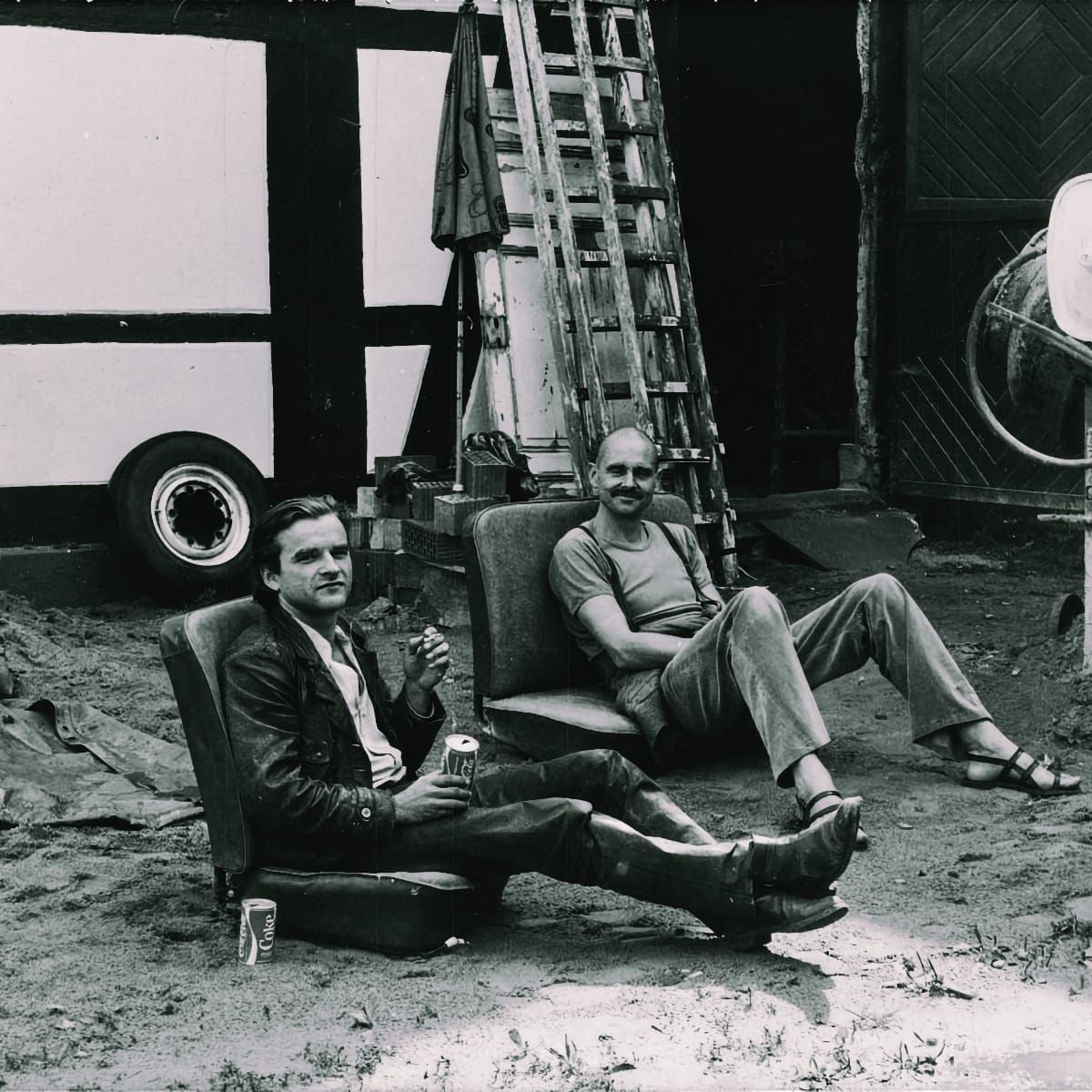
Center: Dieter Moebius and Hans-Joachim Roedelius of Cluster in 1976. Photo by Mark Pilkington.
Bill: Cluster's mid-1970s releases Zuckerzeit and Sowiesoso are the group's best-known works in the English-speaking world. What influence did they have on the musical scene in Germany?
Wolfgang: Germany's larger musical scene looked to the UK and U.S., at least until the '80s, when, with the "Neue Deutsche Welle," German music found a larger audience. In the music of Einstürzende Neubauten, you can find traces of early Kluster. But at the time, did Blixa Bargeld know about Kluster? If so, it would have been the harsh industrial sounds of Kluster—not the sugarcoated Cluster.
Bill: Do you think that Neu! influenced the sound and character of Zuckerzeit and/or Sowiesoso?
Wolfgang: These are records from the mid '70s, a period when stagnation ruled. I ignored most of what had been produced in these years, waiting for a new creative wave that came at the end of the decade.
Bill: Groups like Cluster remain all but unknown in the United States. If you were tasked to make a case in favor of a listener approaching their music, what would you say?
Wolfgang: For someone who listens to Throbbing Gristle, the first Kluster/Cluster records are a starting point. Later records may be something for the Eno fans. I also would recommend listening to the "old" avant-garde: Berio, Stockhausen, and Schaeffer.
But to be honest, I am no record collector. I enjoy the privilege of living in a city with a vivid live scene with concerts of every music you can file under 'avant-garde,' 'experimental,' or 'free improvisation.' And most of this music will never appear on record.
Bill: How do you think Cluster fits into the larger krautrock movement?
Wolfgang: As Kluster—and with the first Cluster records—the group was interesting in their attempt to popularize musical ideas from the more academic avant-garde. The message was that you don't need an expensive studio and an academic grade. This, while the majority of groups that are filed under krautrock are essentially rock bands.
Check out more like this:
 Lawrence Peryer
 Bill Kopp


Comments