


Hans-Joachim Roedelius is a towering figure in music. A founding member of groundbreaking bands Kluster/Cluster and Harmonia, Berlin-born Roedelius pioneered kosmische musik and ambient before those terms existed. As an enthusiastic collaborator and solo artist, Roedelius has created a body of work that includes nearly 150 albums, exploring new age music and experimental sonic journeys. In recent years, his work has taken a turn away from electronics and toward the acoustic piano. In 2017, he published Das Buch (The Book: The Autobiography of Hans-Joachim Roedelius); an English language version was published shortly thereafter.
Today, at age ninety-one, composer and musician Roedelius remains as busy as ever, both on his own and working with other artists. I spoke with him in 2024 about his work with Cluster and Harmonia, and then again recently for a brief chat about his larger body of work. The following is an edited transcript drawn from both of those exchanges.
Bill Kopp: In the 1970s, one constant across much of your work was producer Conny Plank. Can you tell me a bit about what he brought to your creative endeavors?
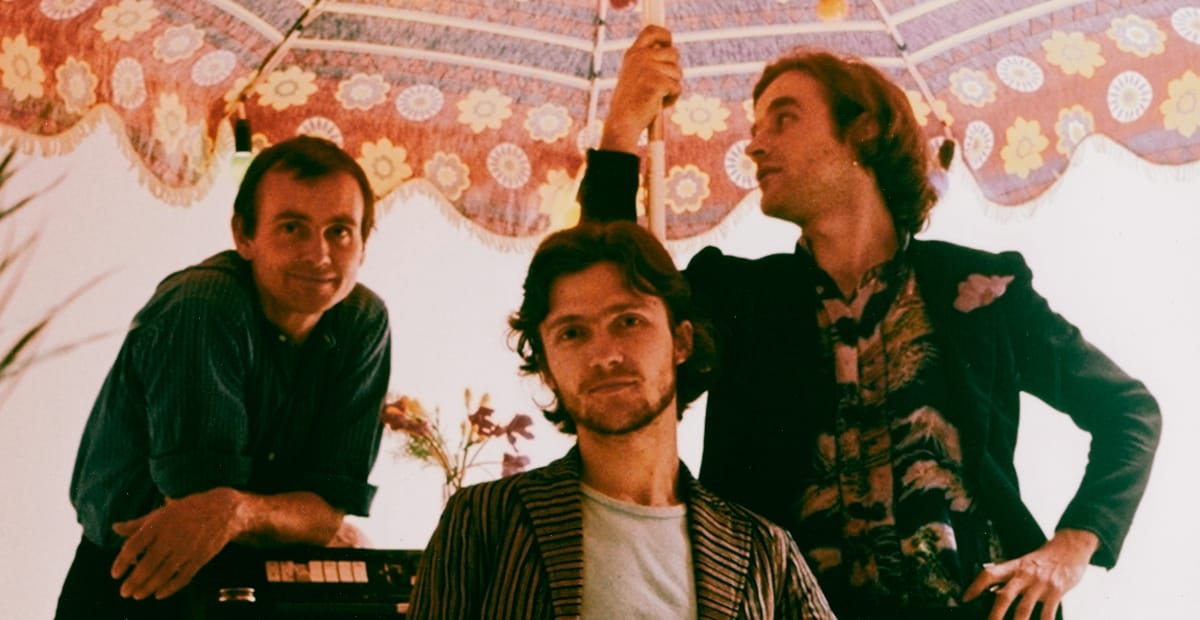
Hans-Joachim Roedelius: First, he was a very good friend, and he gave us a home in his house because Cluster was sometimes homeless when we were on the road. He gave us food, and he gave us some money, even if he didn't have much. And in his studio, because he was a musician as well, he found out about the possibilities of a huge mixing table to create new sounds. With his mixing table, he was able to interfere whilst we played something, changing the sound we made on our own instruments. So we said, "Conny is a silent member of Cluster."
Bill: Harmonia worked with Brian Eno for some time. What did Eno bring to the table?
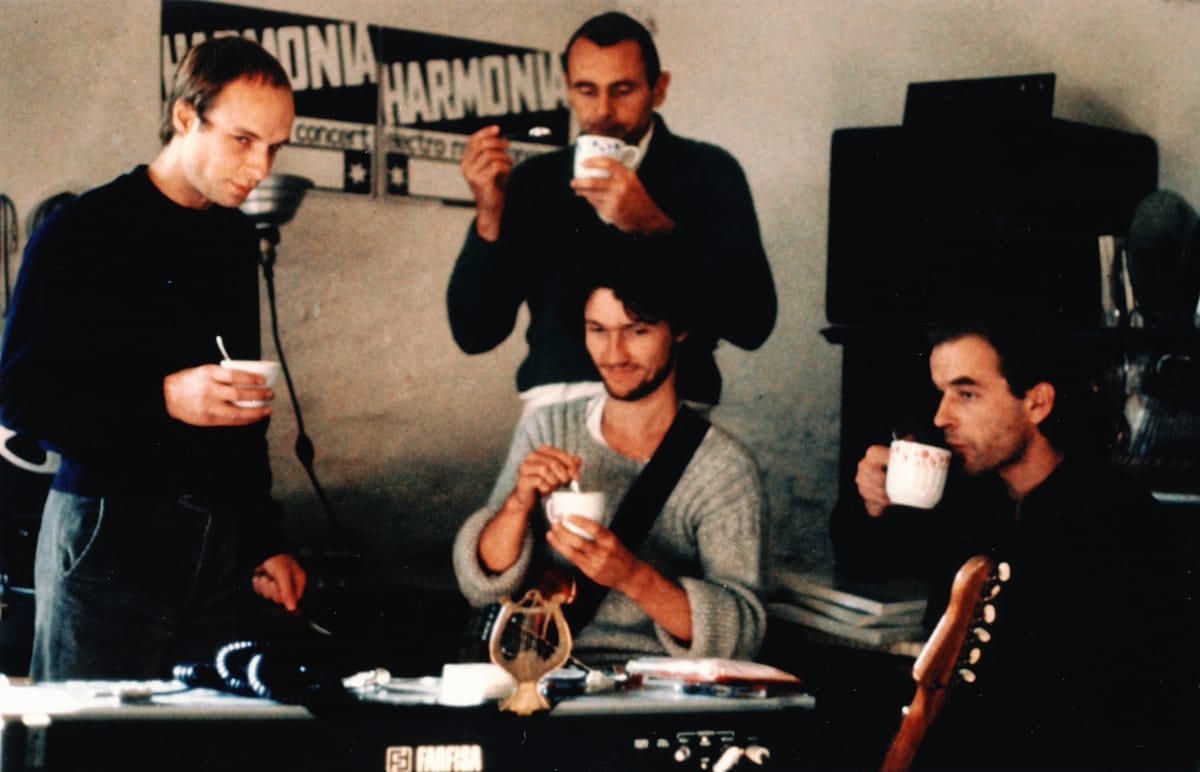
Hans-Joachim: Once he came to our place and stayed with us for a while. Not only for playing with us, but also to experience in which way we lived. We made our own marmalade, and we baked our own bread. We went to the woods. We collected firewood for the winter. So he wanted to take advantage of our communal life.
He came with us, for example, into the forest, and he saw how we collected the wood. He sat down and told us, "If you would make more music, you wouldn't have to go to the woods; you could buy the wood!" But we said, "No, that's not our aim. We want to go in the woods, we want to collect wood, because there's something of our community." But he was joking. He liked the life we lived then.
Bill: One of the things Eno is known for—and there are many—is his Oblique Strategies card deck, a tool to aid creative endeavors. Did he apply any of that to the work that you were doing?
Hans-Joachim: No, no. But Rosa, our daughter, she sort of made her own. She interviewed him on the subject of his strategy, but that was much later.
Eno wrote to us sometimes, saying, "Oh, I was listening to your music. I like it." Things like that. He supported us a lot. He's a big friend.
Bill: Released in 1974, the first Harmonia album, Musik Von Harmonia, was available in the U.S. only as an import for many years. Despite that, it has long been very influential and has made an impression on many artists—including ones in the States—who followed in your wake. How do you feel about that?
Hans-Joachim: I can’t remember very much because it’s been such a long time. The thing I really appreciate still is that we had this experience; we tried to do it and to find out how long it would work and in which way people would be interested, whether the whole globe would listen to it.
Bill: Today, many decades after its release, your work with Cluster and Harmonia is recognized for its importance. How does that make you feel?
Hans-Joachim: I'm not proud. I think it's very nice, because it's creative; it's a creative idea to approach music: composing just out of the moment and not by purpose, by always thinking about something in an academic way.
Bill: Beyond Cluster and Harmonia, you have a remarkably large body of recorded work. As you approach the making of an album, do you begin with a general concept or theme, or are some albums a case of "here are my latest compositions"?
Hans-Joachim: I let it come by chance, 'accidentally,' and take it over for any reasonable matter.
Bill: With such a large body of work, there is at least a statistical probability of repeating oneself. How do you avoid that?
Hans-Joachim: I wouldn't care if it really happens.
Bill: Are you the sort of person who must always be creating?
Hans-Joachim: Oh, yes, I must. And I don't want to hammer the same nail always in the same hole. I want to develop stuff; I want to go further and find out whether there’s a niche for doing something else. And I'm still experimenting with music in this very moment. I'm just with a piano; I don't do electronic music much anymore. But I try to find out in the very moment what's not yet experienced at a grand piano, because there is still some room to experience it in a different way than any other people have or are doing.
Bill: In a general sense, what inspires you to create?
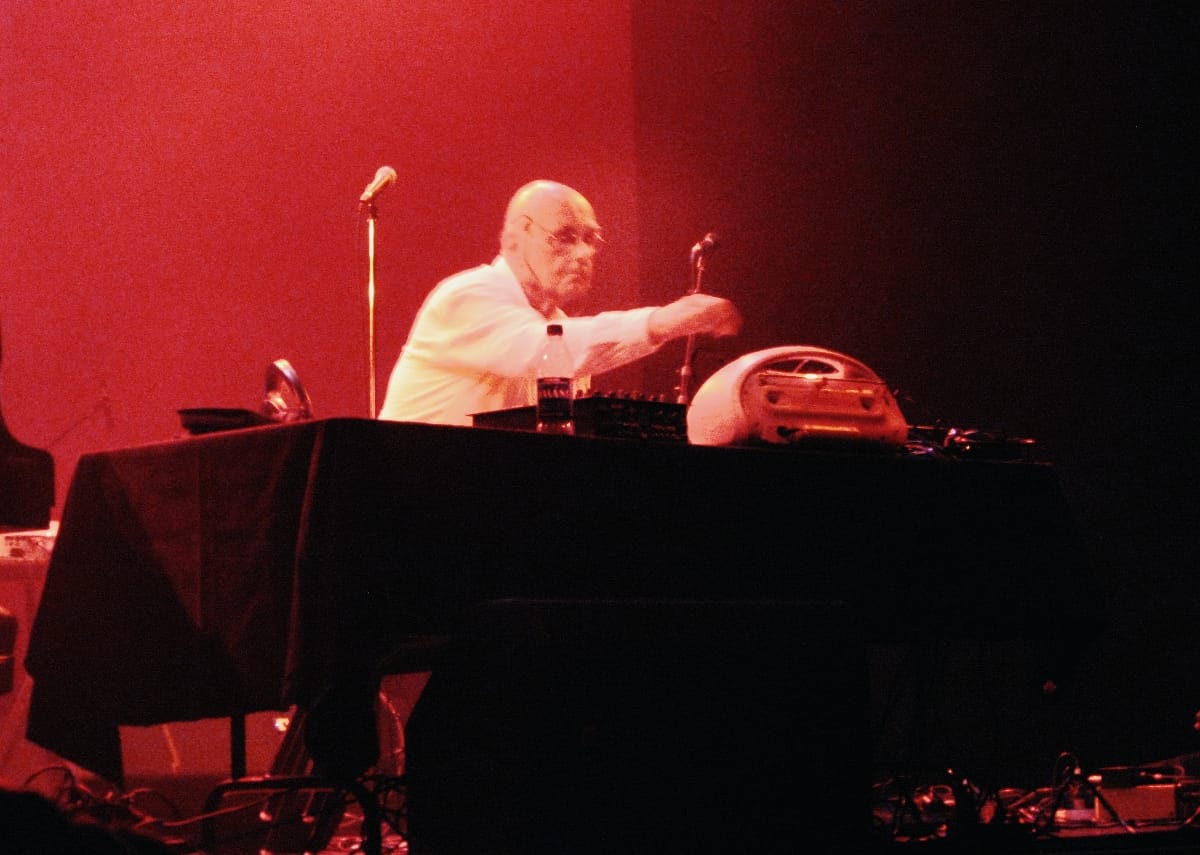
Hans-Joachim: It's not up to me! Sometimes I sit down at the piano, and something's coming, and I'm capturing it with a recorder, and then I try to develop something from it. It's not really by purpose. If I am sitting at the piano and pushing the pedal, all the strings vibrate. I'm just in between. If I push the sustain pedal, there's always a surprise for me. It's always experiencing what's going on in between. One tone is pushed, and the other tone is just going away. And in between, there's a whole omniverse of music. That's the interesting stuff for me.
Bill: How have technology changes changed your creative process?
Hans-Joachim: The technology of digitalization was warmly welcomed by me. It makes working much easier.
Bill: Do you listen to the albums you made forty or more years ago?
Hans-Joachim: Not at all. I'm not sentimental, but if there's a reason to do so, of course, I would listen! I'm looking and working forwards. In the very moment I'm concentrating myself as a soloist in the sound universe that opens when pushing the sustain pedal of a grand piano.
Bill: What guiding principles do you bring to the making of an album?
Hans-Joachim: Myself, as a living creature, with the most relevant experiences during my lifetime.
Bill: Looking back across your catalog, can you name a favorite album?
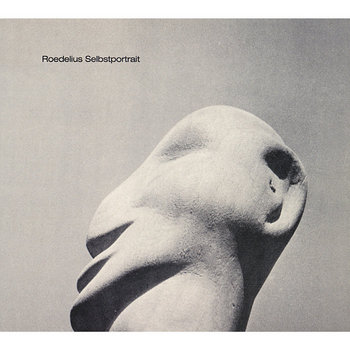
Hans-Joachim: Selfportrait 1 [originally released as Sanfte Musik in 1979, reissued in 2020].
Bill: Do you carry around ideas for future albums that you have yet to make? Or don't you think about future projects in that way?
Hans-Joachim: As a person, I am [much more concerned with] what happens on the globe nowadays. I'm deeply touched and disappointed by the political situation, especially the Trumpism that infects the whole globe and destroys the values established by our ancestors.
I guess everything important that happens is wave action to become more and more aware of the so-called reality, to enable us to react in the right way.
Bill: Can you share an important lesson you have learned that has guided your life in music?
Hans-Joachim: Being always open-minded and curious is the basic behavior for me.
Bill: Can you offer any thoughts on the direction that experimental music might take in the future?
Hans-Joachim: It might be poisoned by A.I. That's what I see coming: no real authenticity anymore; just fake.
Bill: Can you tell me about any current projects?
Hans-Joachim: A collaborative work with "Cosmic Baby" Harald Blüchel, another one with Tim Story, and another one with Onnen Bock [aka Laszlo von Ramhorst].
Bill: Is there something you have learned along the way that you wish you had known earlier?
Hans-Joachim: Why should it matter?
Check out more like this:
 Lawrence Peryer
 Bill Kopp


Comments