


Now Playing on The Tonearm:
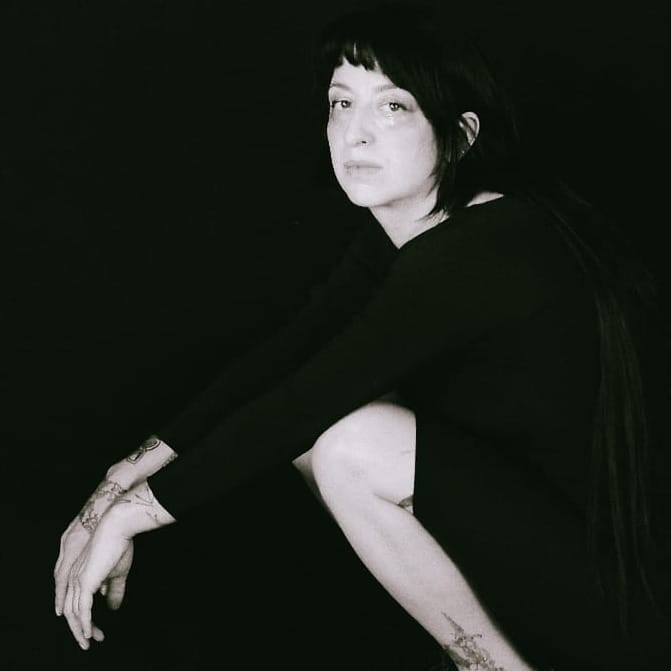
Civil Service, Protest Songs, and the Private World of Ora Cogan
On the heels of her Sacred Bones debut 'Hard Hearted Woman,' Ora Cogan reflects on the Fairy Creek blockades, somatic practice, the whitewashing of folk music, and what it means to write a trans rights song that doesn't scream. Interview by Lawrence Peryer.
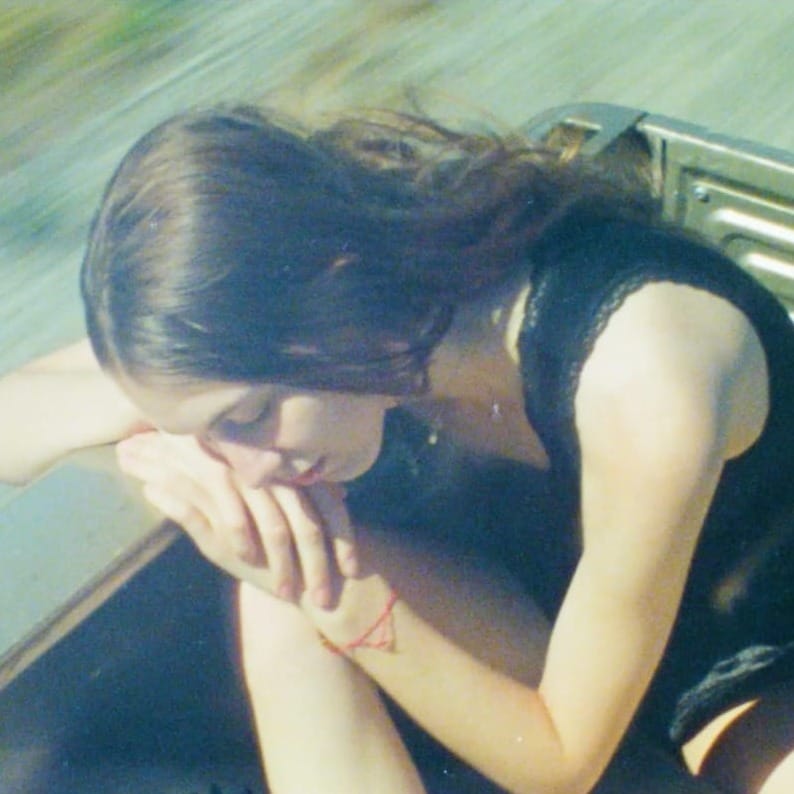
An Honest Voice — Eliana Glass on Spontaneity, Technique, and Nina Simone
Around the release of 'E at Home,' Eliana Glass reflects on the limits of technique, setting aside her jazz training, and Nina Simone's case for making someone else's song completely your own. Interview by Jonah Evans.
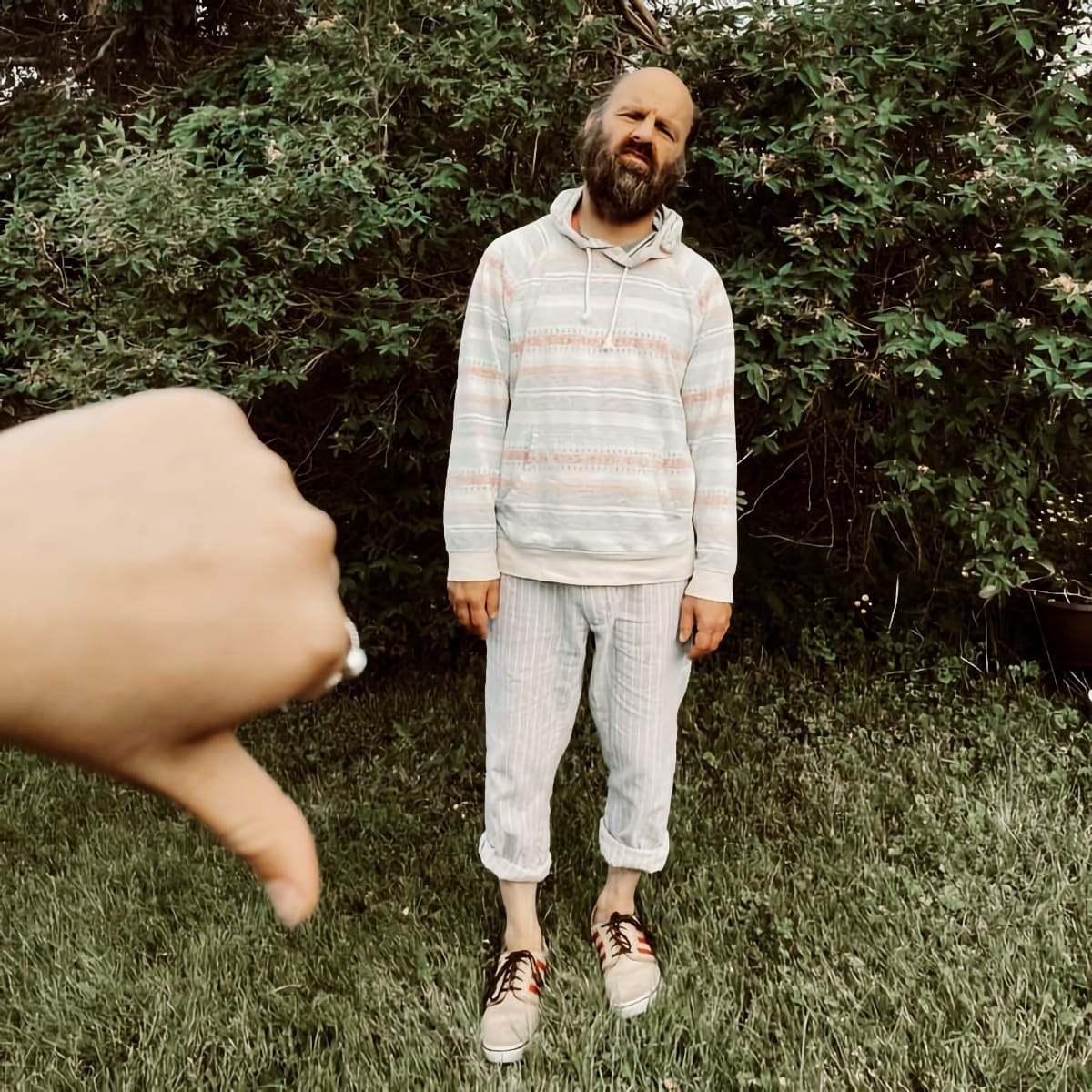
Golden Mandible — The Feral Minimalism of Chik White
Rooted in a fundamentalist household on the South Side of Nova Scotia and sharpened by crust punk and free jazz, Chik White arrives at 'face across the door' after years of tightening the distance between art and noise. Interview by khagan aslanov.
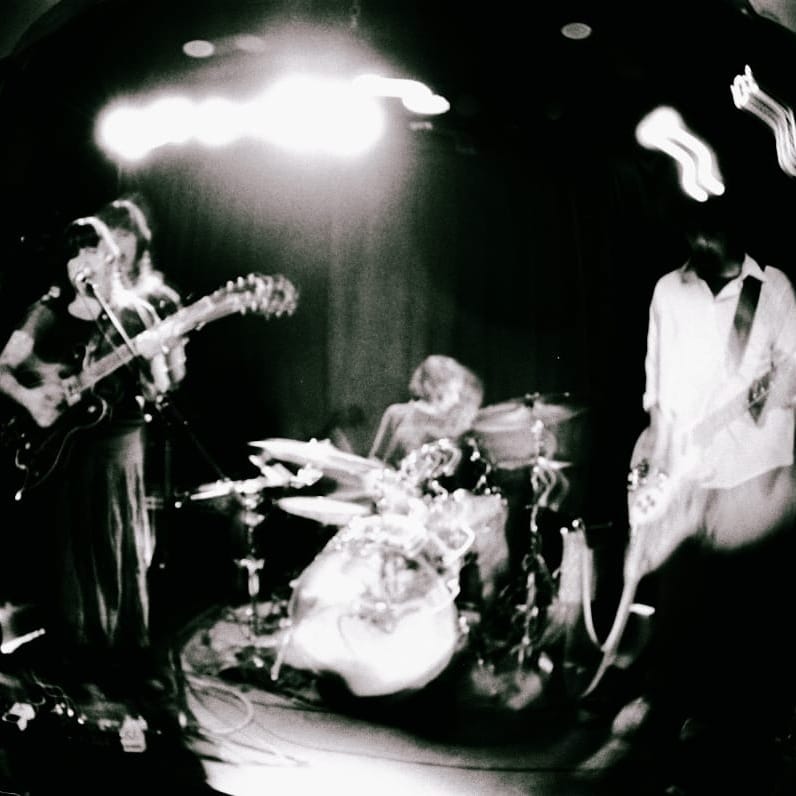
The Mending — Tahlia Amanson on the Reinvention of Myra Lee
The Brooklyn trio's 'Capture the Flag' features six songs recorded live in two days—and it's the closest Tahlia Amanson has come to telling her parents the truth. Interview by Damien Joyce.
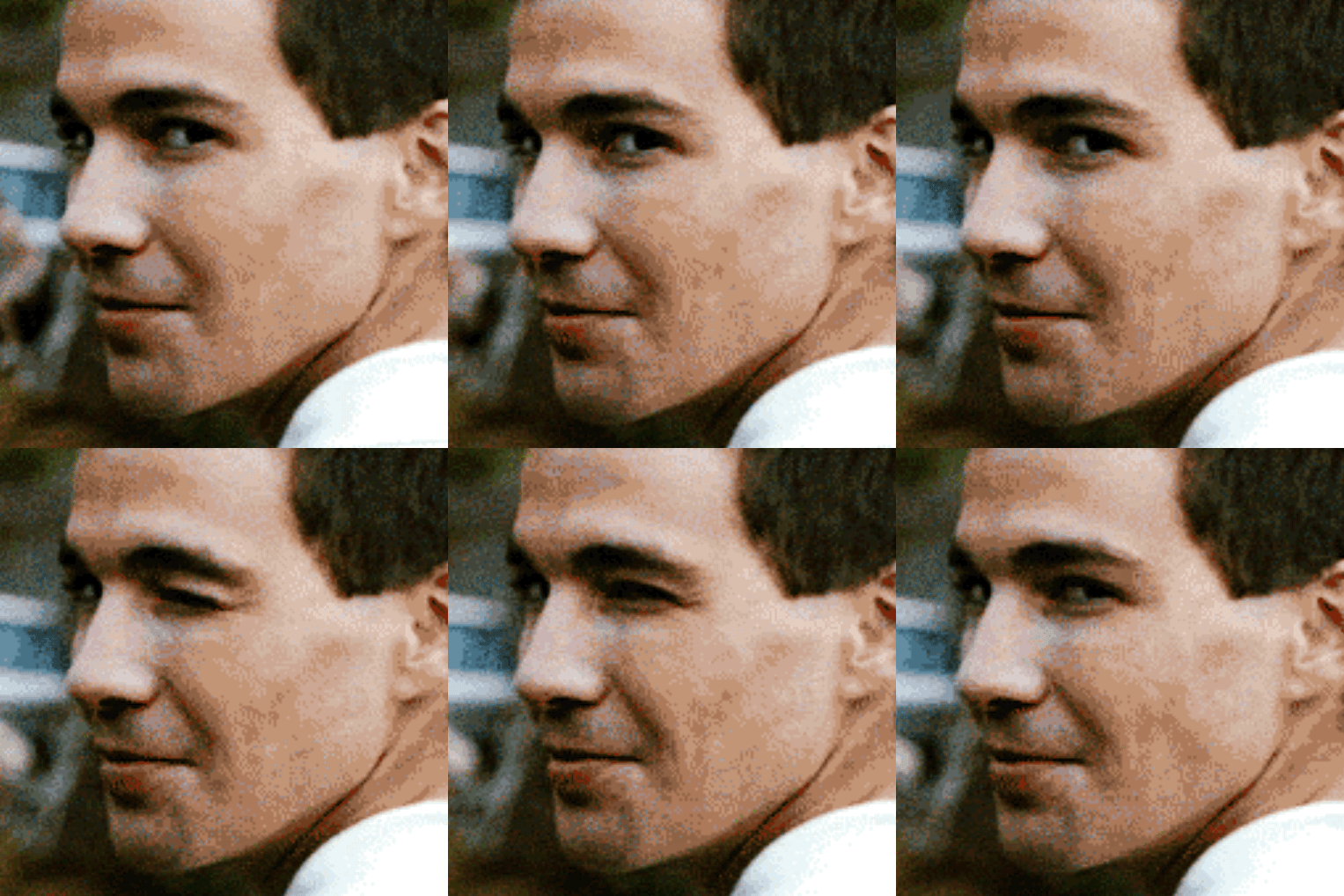
Guilty Viewing — 'Remote Control,' 'Funny Games,' and the Moral Architecture of the Algorithm
Long before YouTube built its pipeline and Spotify buried its royalties, two films were already asking whether you were a victim of the machine or complicit in it. Warning: contains spoilers! Essay by Bill Cooper.
This Week's Episode of The Tonearm Podcast:
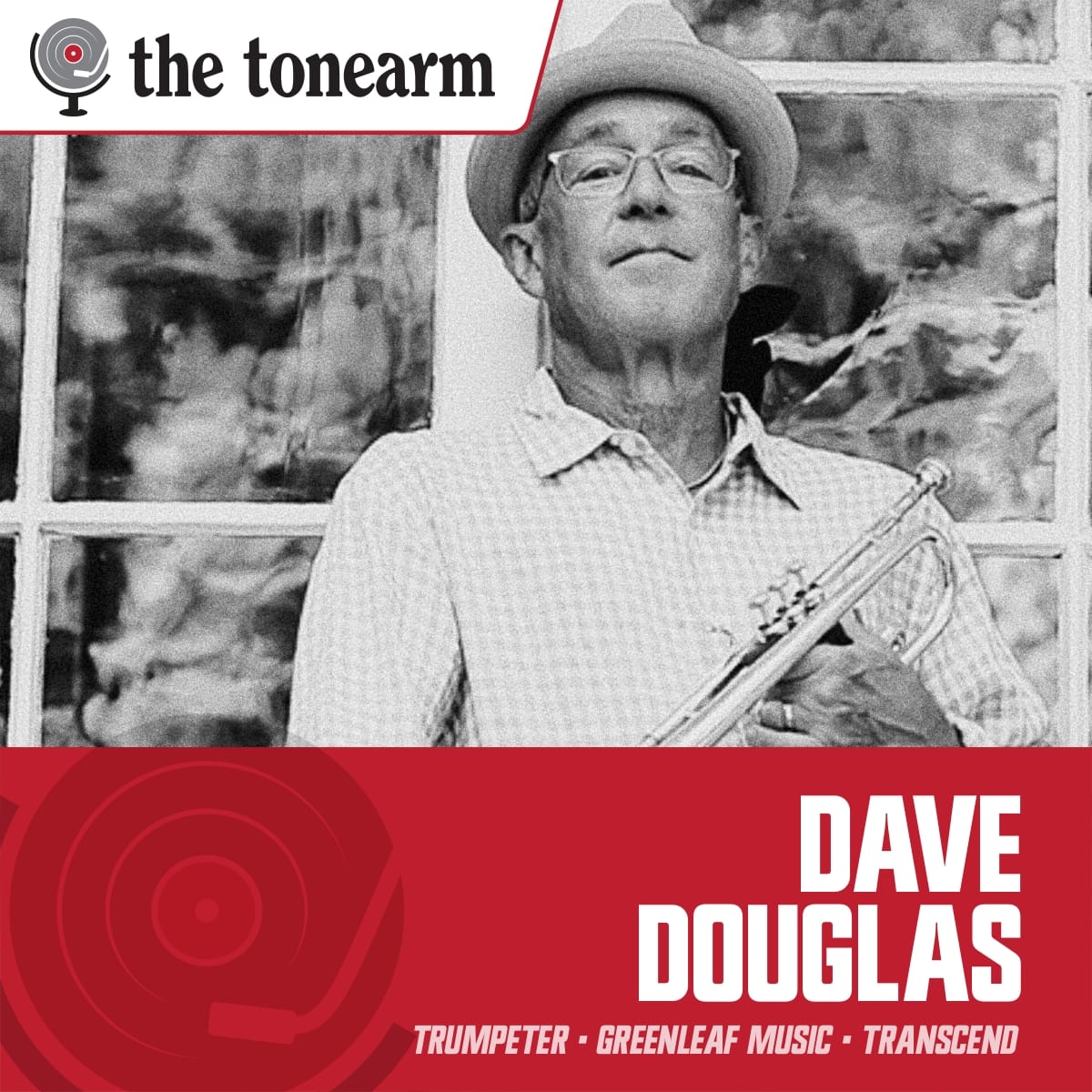
Dave Douglas: Transcend Is Not the End
Trumpeter and composer Dave Douglas discusses his album Transcend, the Jack Whitten retrospective that reshaped his thinking about raw material, and why Booker Little gave an entire generation of players permission to keep scrambling.
Rotations
Lawrence Peryer's Rotations, the official radio show of The Tonearm, is eleven episodes in and showing no signs of settling down:
Episode 11 is now up on the Mixcloud archive. It features a run of brand-new 2026 records, including artists covered or soon to be covered by The Tonearm—among them art-pop from Mixol, psychedelic folk from Ora Cogan, and drumless ambient jazz from trumpeter Will Miller. The episode also travels back to a Horace Tapscott quintet session recorded in 1969 that only recently surfaced. One of the most eclectic sets yet for the show, and proof that ignoring genre boundaries opens up connections and synchronicities across sound and time.
The upcoming episode features a parade of restless inventors. Tune in to SPACE 101.1 FM in Seattle or stream at space101fm.org on Tuesday at 11 PM PT to hear what I mean by that.

The Hit Parade:
"In the late 1960s, [Clive Davis] propelled a reluctant Columbia headlong into the rock era with acts like Janis Joplin and Blood, Sweat & Tears. He also encouraged the jazz trumpeter Miles Davis to connect with the Woodstock generation." ❋ "I watched him silence a meeting room with about 20 seats as he recited the entire lyrics of Bruce Springsteen’s 'Blinded by the Light,' followed by the song’s playing. The other execs looked so skeptical, and for some reason, the absurdity of the scene forced me to cough myself silly in order to stop an involuntary explosion of laughter." ❋ "[David Clayton-Thomas was] a self-taught, charismatic frontman with a burly physique and a snarling, bluesy tenor, [and] he stood out in a nine-member ensemble filled with jazz- and conservatory-trained musicians." ❋ "In a world of overpriced and overrated mainstream festivals, tiny events like this are becoming more common … as John Rostron, who runs the Association of Independent Festivals, says: 'Not everyone wants to go to a festival and see a Dyson-activated tent.'" ❋ “While rooted in post-bop tradition, her curiosity has taken her music well beyond those approaches [and] her development as an improviser, bandleader, and composer has been astonishing, and more than two decades later, that progress shows no signs of stopping." ❋ "Some of these records became anthems because their specific sonic textures sounded brilliant on MDMA. Some were made intentionally to thrill ecstatic dancefloors with depth-charge bass and serotonin-rush FX, while others were littered with cheeky drug innuendo to entertain the chemical cognoscenti." ❋ “Something usually afforded to heroes of activism and sports has been bestowed upon Ra and his Arkestra for becoming a mainstay of the community, be it on Earth or in the East Germantown neighborhood band clubhouse that Ra has made his home since 1968." ❋ "Where we split paths with many bands is in the fact that we don’t have any interest in being a part of the music industry, nor any interest in popular or financial success. Which is lucky, as we won’t be getting any of either." ❋ "'No New York' reveals the untold story of the boundary-pushing women who made No Wave possible: Nan Goldin capturing flash-lit portraits of gender fluidity, Barbara Kruger deconstructing media, Kiki Smith exploring the body’s mysteries, and Lizzie Borden challenging cinema itself." ❋ "Through the engineers at the recording studio where [Robyn Hitchcock] will get his start, he will hear many as-yet-unreleased artifacts of the disintegrating [Syd] Barrett, including a hissy tape of his last-ever live performance at the Cambridge Corn Exchange in 1972." ❋ "Some prefer traditional Thai sounds and experimental club music; others gravitate to more comical memes and children’s songs mixed with house and disco; there are those looking towards Thai-style reggae. But collectively, this marks an important chapter of growth in electronic music in the region." ❋ "If Frank was cosy and straight, a glass of good whisky by the fire, his daughter Nancy is one of pop’s great subversive forces, her work filled with rebellion, unease and obtuseness, a bottle of cheap bourbon spiked with basement psychedelics." ❋ "Jazz has rarely had a more heart-wrenching loss. Max Roach, on receiving the news in Chicago, downed a bottle of whisky in his hotel room to numb the pain. Sonny Rollins, the tenor saxophonist in the band, later remembered that he bawled like a baby …" ❋ "Many historians claim that roughly 2 million Armenians lived in Western Armenia (Modern-day Eastern Turkey) and that roughly 300,000 had survived the Armenian Genocide. This compilation will tell a fraction of the story of the direct descendants of these tragedies." ❋ "It brought me back to when I was in eighth grade, memorizing all my fave DEVO songs, entering this Spud universe. As long as there are kids who set their own destiny and are through being cool, DEVO will be a force to be reckoned with." ❋ "A short documentary about music formats, streaming, and the quiet thing that disappeared when your library became endless . . . and a maker trying to work out whether the music changed, or he did." ❋ For more curated music links, be sure to follow The Tonearm’s feeds on Bluesky and Mastodon.
New Music Recommendations: Abul Mogard & Rafael Anton Irisarri - Where Light Pauses in the Silence of the Sun (RIYL: Stars of the Lid, William Basinski; slow-moving and spacious, pitched between sound and silence) ❋ Alden Hellmuth - Tether (RIYL: Punk-tinged jazz, freeform improvisation; Ornette Coleman's double-bass ensembles, Anthony Braxton's Ghost Trance Music) ❋ DJ Plead - Please (RIYL: Levantine percussion; dabke rhythms and maqam melody sharing space with house and dub) ❋ Guest Bartender Deborah Toyota - Music for Babies (RIYL: Ambient lullaby, quiet experimentation; Chastity Belt, Cate Le Bon) ❋ Helen Svoboda - Headwater (RIYL: Finnish folk tonality absorbed and reassembled; Sarah Davachi's textural patience with closer ties to song form) ❋ Lekan Animashaun - Low Profile(Classic afrobeat reissues; extended groove-based cuts with political commentary in the Fela Kuti tradition) ❋ M. Geddes Gengras - Guest List (RIYL: Electro-acoustic jazz fusion, kosmische; The Sea and Cake) ❋ Miles Okazaki - Boomtown (RIYL: Large-ensemble avant-jazz with post-Monk tonal complexity; Steve Coleman's Five Elements, Henry Threadgill's large-group work) ❋ Mo Kolours & The Co-Operators - Fruits of the Diaspora (RIYL: Roots reggae / Mauritian Sega; Indian Ocean traditional instruments at the core) ❋ Sick Gazelle - Veld (RIYL: Improv-rock with Steve Shelley (Sonic Youth), Douglas McCombs (Tortoise), and Bruce Lamont (Yakuza))
The Deepest Cut:
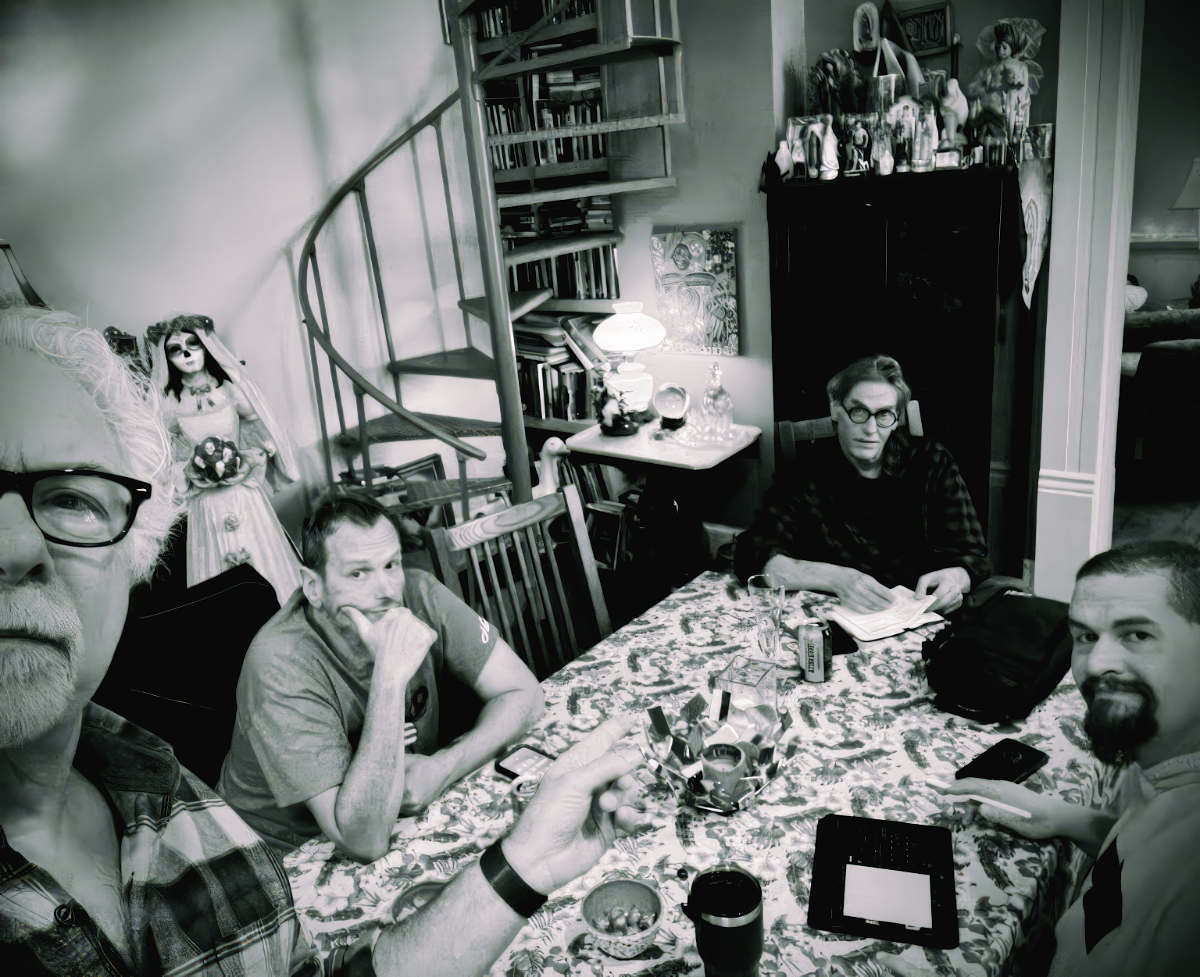
I couldn’t contain my curiosity when I learned about the new album from the Akron, Ohio, outfit Golems of the Red Planet. An idea that sounds like a twisted bar bet—reinterpreting compositions from John Zorn's Masada project through a Dick Dale filter—is the irresistible backbone of Surf Masada: The Compositions of John Zorn. Wild idea, right? But—and this is fascinating—the Ashkenazi Jewish folk modalities that directly inspired Zorn’s 613-piece songbook share the same scales as classic surf music. Like the keeper of some esoteric knowledge, bassist Mark Allender, the band's resident Zornophile and creator of the Masada World website, had been sitting with that overlap for years before recruiting the others. Guitarist Harvey Gold, a co-founder of Akron's Tin Huey, came aboard with cellist Matt Reese and drummer Bob Ethington. Cue up Surf Masada, released on Heyday Again Records. The Wire's Derek Walmsley called it, "the most impressive trick of Surf Masada [is] how a simple premise allows them to bring new life to Zorn's radical Jewish compositions."
The album was produced by the band and Jeffrey Koval at Sta-Level Studios in Akron over five years of sessions, with Zorn himself offering encouragement along the way. Since its release, the band has expanded to a quintet with the addition of classically trained violinist Jen Singleton Richeson, a veteran of Kent State University's New Music Ensemble and the Pointless Orchestra, whose arrival opens new harmonic territory for the string section.
There’s no way I was going to let this one go. So I emailed the band to find out more about this project’s origins, the modal logic underlying the music, and the role Zorn has played in shaping the album's final form. Also, I was curious about something the band loves that more people should know about. On behalf of Golems of the Red Planet, Harvey Gold emailed with the third-person tensed revelations.
Golems of the Red Planet are an instrumental surf band with a string section. The earliest germ of the project took root when bassist Mark Allender—the resident Zornophile of the band—heard Meshugga Beach Party, a group that plays traditional klezmer tunes in a Dick Dale surf-guitar style. When he later became a fan of John Zorn's Masada project, he thought it a neat idea to give the Masada tunes the same treatment, as they use the same Ashkenazi scales found in both surf and klezmer music. After a few years, he managed to hoodwink guitarist Harvey Gold into making the group happen. Gold had worked with drummer Bob Ethington on many of his twenty-first-century projects and wanted to work with cellist Matt Reese. Given Gold's history as a founder of Tin Huey—the semi-obscure "art rock for laughs" Akron band with a history of musical subversion—making cello a primary instrument was his devious mark. The band is a little less heavy on the reverb than a typical surf band, and they strive for emotion-laden hooks rather than the consistent, steady beat of surf. With the addition of violinist Jen Singleton Richeson, the Roy Wood–inspired idea that strings are principals rather than accompaniments has only been reinforced.
The scalar territory Golems navigate is not typical in a surf band's arsenal. Klezmer music uses both the Freygish and Mi-Sheberach scales. Freygish—the so-called "major" klezmer scale—is essentially Phrygian mode with a sharp third. That's the scale of Dick Dale's "Misirlou," made famous from the Pulp Fiction soundtrack. Mi-Sheberach, the so-called "minor" klezmer scale, is essentially Dorian mode with a sharp fourth—that lovely tritone. The band's tune "DAMAM" is an example of this scale. The above technical garf is all perfectly valid, but in practice the Golems play pretty fast and loose with it: they observe the chord markings from the Zorn scores and then do what they want from there, composing by ear. One of their tunes, "HUTRIEL," dips into an Indian Carnatic raga.
Mark Allender, as noted, is intimately familiar with the source material—he runs the Masada World website, which catalogs and explores the Masada songbooks in detail. He picked the tunes for the album where either the chart already existed or the melody was easy to identify from the recording. He has maintained a correspondence with Zorn over the years and has sent him the band's recordings as they were released as singles. Across the board, Zorn has responded enthusiastically. In fact, the final track on the album, "BELIAL," was one that Zorn essentially assigned them as homework: he sent it to the band because he wasn't fully satisfied with the official recording and suggested they take a swing at it. Gratifyingly, he approved—as he does the rest of the album.

Golems of the Red Planet also collectively tell us about something they love:
At band practice, the social component is an important part of the Golems' dynamic, and most of that time is spent talking about music they love: Siouxsie and the Banshees, ELO, Captain Beefheart, Fishbone, Soft Machine, Miles Davis. It ain't a practice till someone mentions Jeff Lynne, often jocularly. But across the board, the whole band has a deep love and respect for the Velvet Underground. So while they're not breaking any ground by recommending the Velvets, if you haven't given White Light/White Heat a deep listen, you owe it to yourself to do so. Highlights include "Sister Ray," which Harvey claims changed the nature of his brain chemistry upon first listen—his musical history bearing that out—the outrageous guitar soloing in "I Heard Her Call My Name," and the weirdly elegant "Lady Godiva's Operation." Essential listening for your musical education, or to drive your housemate to murder.
Run-Out Groove:
- The Tonearm is a reader-supported publication, free of advertising and paywalls. Our supporters help fund our writers and make the site possible. Please consider joining and helping us to continue our mission.
- Join the rapscallions of The Tonearm on our new Slack community.
- Sign up to receive our latest articles directly to your inbox in a snazzy, easy-to-read email version. Just go to your account, manage your email preferences, and flick the lever to receive The Total Tonearm.
- The easiest and best way you can help us? Please share this newsletter and our stories with your friends.
Thank you for reading! We'll see you again next week. 🚀


Comments