


Now Playing on The Tonearm
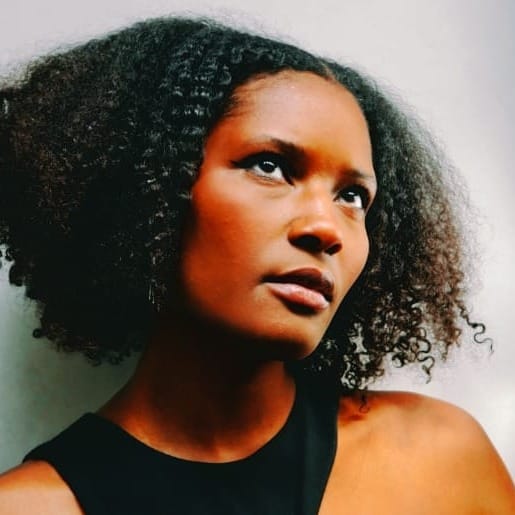
The Warm, Cosmic Company of megiapa
On megiapa's 'Intentions,' voice notes from her grandmother, her mother, and her closest friends drift through the synth haze, a family album cut to beats. Interview by Meredith Hobbs Coons.

Mark Isham's Harnessed Noise
On 'At the Carousel Club,' Mark Isham turns a wall of vintage synthesizers, Nels Cline, and a string quartet loose, all while keeping the editor in his head at bay. Interview by Lawrence Peryer.
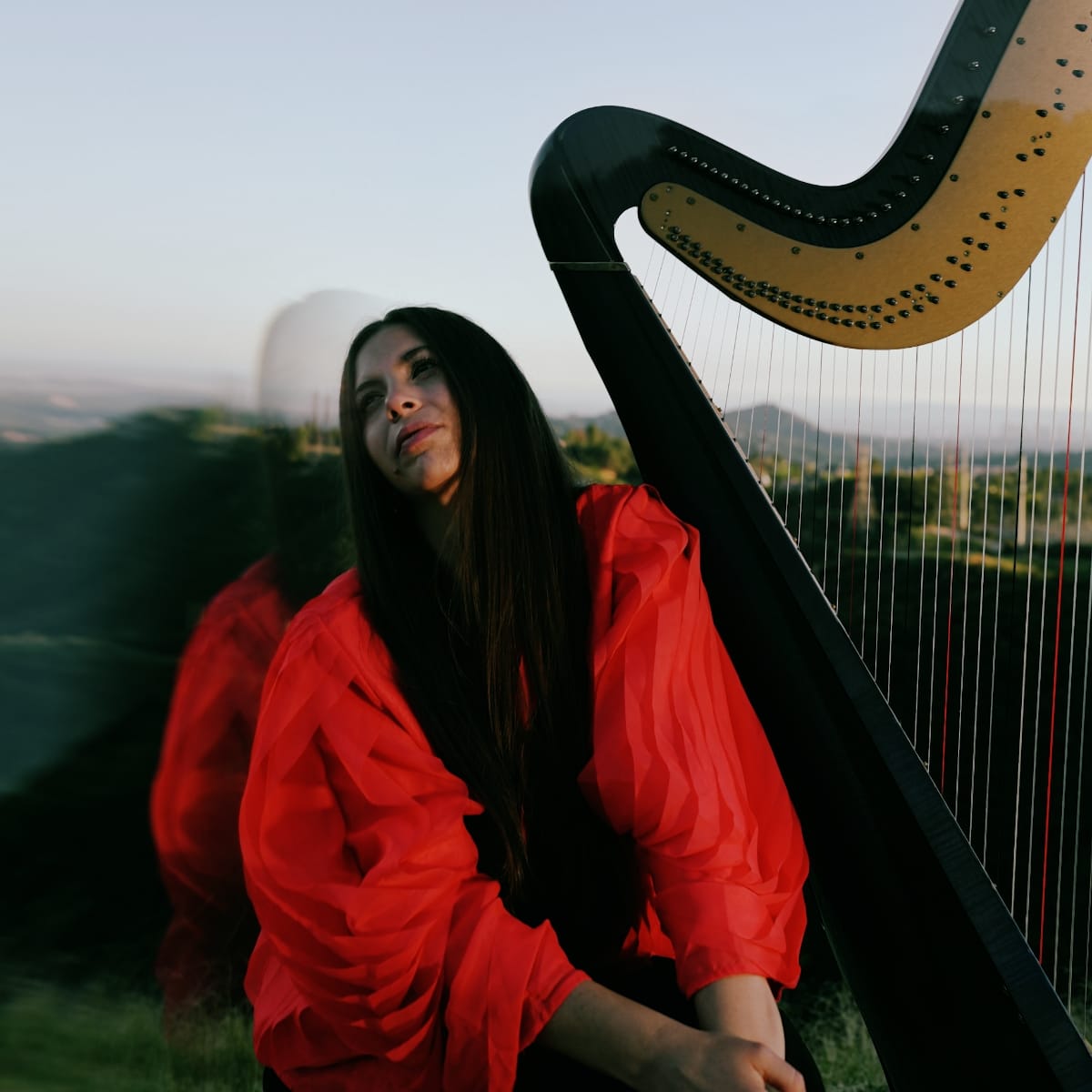
Grief, Glitch, and the Harp of Lara Somogyi
Harpist Lara Somogyi talks through 'a [time] patterned,' from delay pedals and disrupted loops to Steve Reich and 'A Pattern Language,' the architecture handbook that gave the album many of its titles. Interview by Jonah Evans.
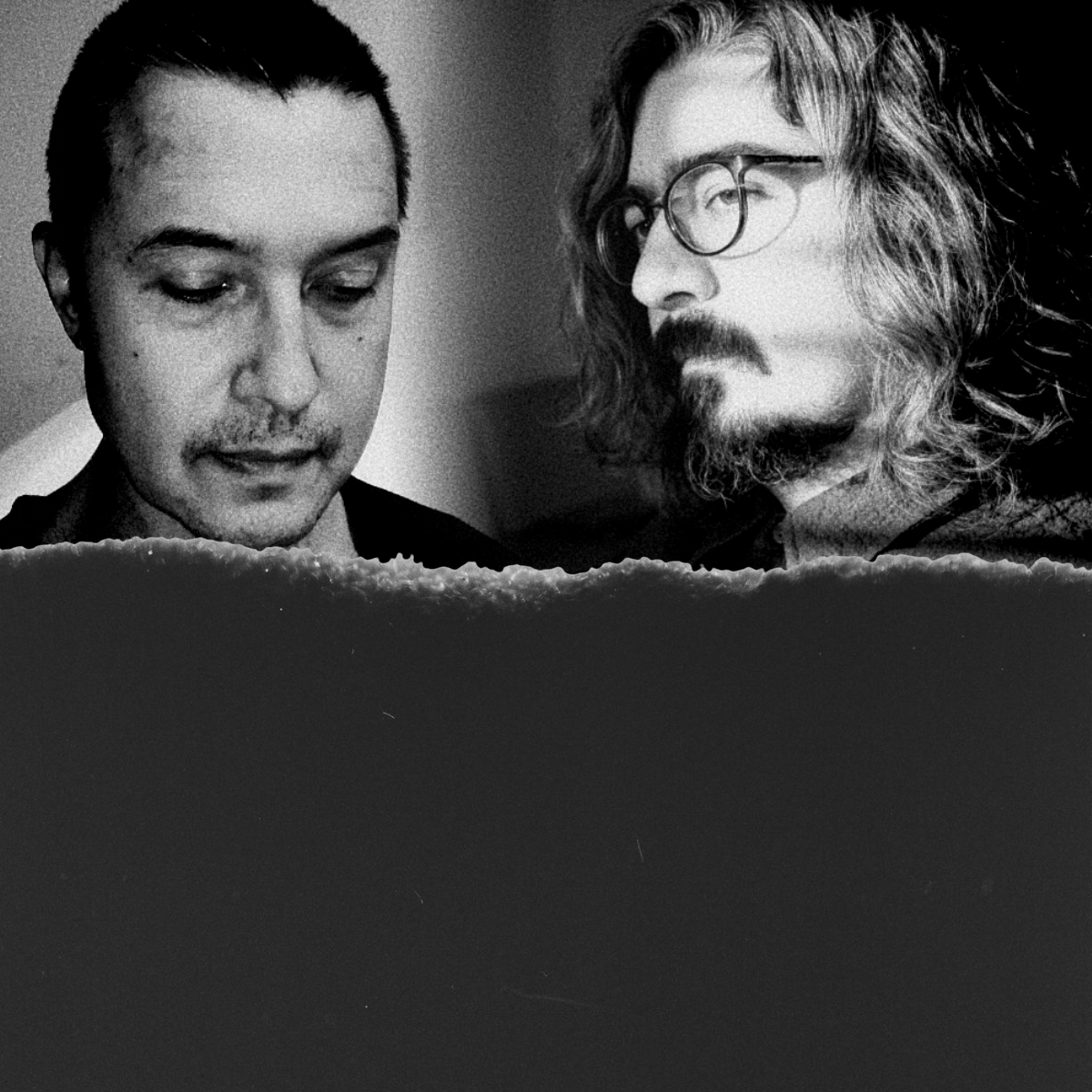
The Cursed Poets of Siavash Amini and Eugene Thacker
Thacker's verses handed to synthetic voices and processed past recognition, 'Songs for Sad Poets, Vol. III' buries its words inside Amini's electronics. Essay by George Grella.
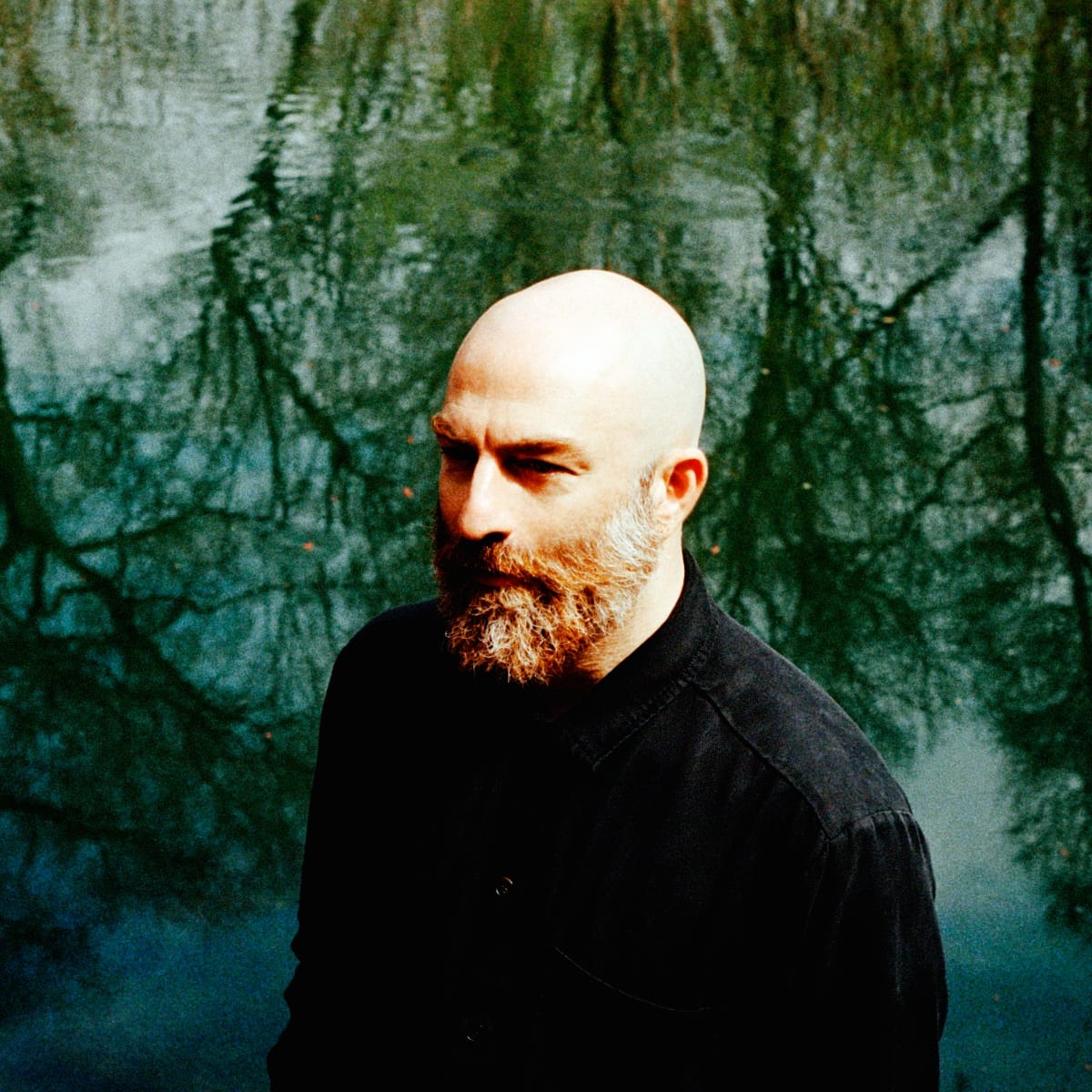
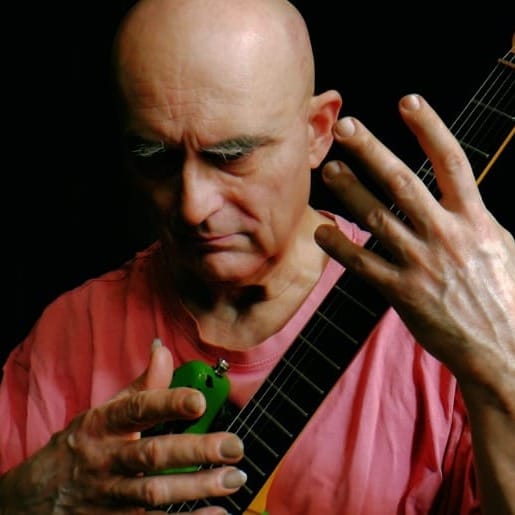
Olaf Rupp Slaughters the Sound for the Greater Good
On 'Fuzzy Logic,' Olaf Rupp pushes a small amplifier past its limit and captures the wreckage at what he calls "the volume of a kitchen radio." Interview by Khagan Aslanov.
This Week's Episode of The Tonearm Podcast

Rotations
This week, Lawrence Peryer's Rotations, the official radio show of The Tonearm, makes its case for autumn 1961:
John Coltrane would have turned one hundred the week before this episode airs. Since I was already late in marking it, I waited till the end of the hour to close with fifteen minutes of him live at the Village Vanguard in 1961. Those who know me have probably heard me say Coltrane's work in autumn 1961 is the peak of Western civilization for me! Convince me it's gotten better!
The show opens in Paris in 1970, with the Art Ensemble of Chicago joined by Fontella Bass on vocals. Most of the remainder is meant to accompany what we've featured on The Tonearm as of late: music from my podcast guest Mark Isham's first solo album in fifteen years, harp and tape loops from Lara Somogyi, megiapa's Sun Ra tribute, a four-track Radiator Hospital song, and Olaf Rupp alone with an electric guitar.
It's up on our Mixcloud now. Dig it.
Have a listen:

The Hit Parade
“[Calypso] was used to make fun of the masters, to relieve oppression and bring the news of the day . . . It finally emerged as the mouthpiece for the underprivileged.” ❋ “You always hope that something gets better . . . but when you start to think as an artist about the world, then the nihilist look, which had been perhaps in the past more like a romantic nihilism, became a real — I would say — realistic nihilism. And that’s a painful thing.” ❋ “Then, in 1968, [Jackie] Jackson helped give birth to the new reggae style at the core of a session band variously known as the All Stars, the Upsetters, the Dynamites and the Crystalites, depending on which producer was hiring them.” ❋ “[Morris Ballen’s] one-stop shop, in a factory outside Philadelphia, provided everything a musician required, including mastering, graphic design and vinyl (and later cassette and CD) pressing, sometimes just a few hundred units at a time.” ❋ “There’s some days of hope, some days of real anger, some days of sadness and loss and grief. But it feels quite therapeutic to feel emotions so heavily, and the crying, quite soothing.” ❋ “William Seward Burroughs . . . has attracted an abundance of left field musicians interested in finding a synergy between the novelist’s words and the creation of soundscapes which attempt to bring his often challenging texts to musical life.” ❋ “Seeing this, I realized it was time to fall back on my default theory—meet people where they are; don’t force them to come to you. Bring the studio to where the music is happening. If that is a parking lot, a hallway, or while they’re lying on the ground and the mics are farther away than is optimal, so be it.” ❋ “We were like a brick wall when you’re in a car coming ninety miles an hour down a dead-end street. And we had to be that way to get people’s attention, not by being sweet or cute or pretty.” ❋ “When we began assembling this tribute to John Coltrane, on the occasion of his centennial on September 23, the replies often came back in short order and over word count. It seemed as though even the most in-demand improvising musicians just had to pay homage.” ❋ “No one was checking out Oxnard, a coastal town in Ventura county an hour outside of Los Angeles, but it was there that Wolf found Madlib who became Stones Throw’s first flagship artist.” ❋ “But in the early 1800’s something happened that would help launch the yodel from a pastoral pastime into a global sensation. This very Swiss style of singing escaped the Alps, traveled across the Atlantic and helped define a quintessentially American style of music.” ❋ “Here was a group from a still outsider genre, uniting hardcore fans and curious outsiders by making music that worried more about integrity, commitment, creativity and resolve than it did appealing to the mainstream.” ❋ “Long before recommendation engines, CMJ had built one out of human beings. DJs listened, music directors reported, editors compiled . . . A single issue could ricochet from Pavement to Aphex Twin to Digable Planets to Stereolab without behaving as though they lived on separate planets.” ❋ “Before it all metastasized into Stan armies and parasocial psychosis, we were unknowingly creating a grammar of online music fandom—not just fawning over our faves, but critiquing, interrogating, and challenging them.” ❋ “If [Charli xcx is] struggling at the astronomical level she’s at, then what about the artists further down the pecking order? What about the crew members, managers, merch sellers, and other members of a touring party who will feel these struggles just as acutely?” ❋ “Let’s not let the paletero cart just sit in the street and be forgotten about . . . Let’s build speakers, let’s build a voice, and let’s push it to create the Contra-ICE sound system.” ❋ For more curated music links, be sure to follow The Tonearm's feeds on Bluesky and Mastodon.
New Music Recommendations: Allison de Groot & Rich Ruth - Allison de Groot & Rich Ruth (RIYL: clawhammer banjo run through delay and loops; Nathan Bowles, Bitchin Bajas, Mary Lattimore) ❋ Jordan Sand - Baby Ghost (RIYL: free improvisation for bowed bass and voice; Joëlle Léandre, Arthur Russell, Kate Bush) ❋ Mathias Villard - Past Radiance (RIYL: submerged synth drones leaning toward post-rock; Rafael Anton Irisarri) ❋ Midori Hirano - The Juniper Tree (RIYL: minimalist electroacoustic film score for piano, synth, and birdsong) ❋ Sons of Sevilla - It Could Be Today (RIYL: sun-dappled garage soul and psych-pop; Drugdealer) ❋ Sunhyun Yoo - PLAiDE (RIYL: electronics-forward chordless sax trio; Mark Turner, Ambrose Akinmusire)
The Deepest Cut
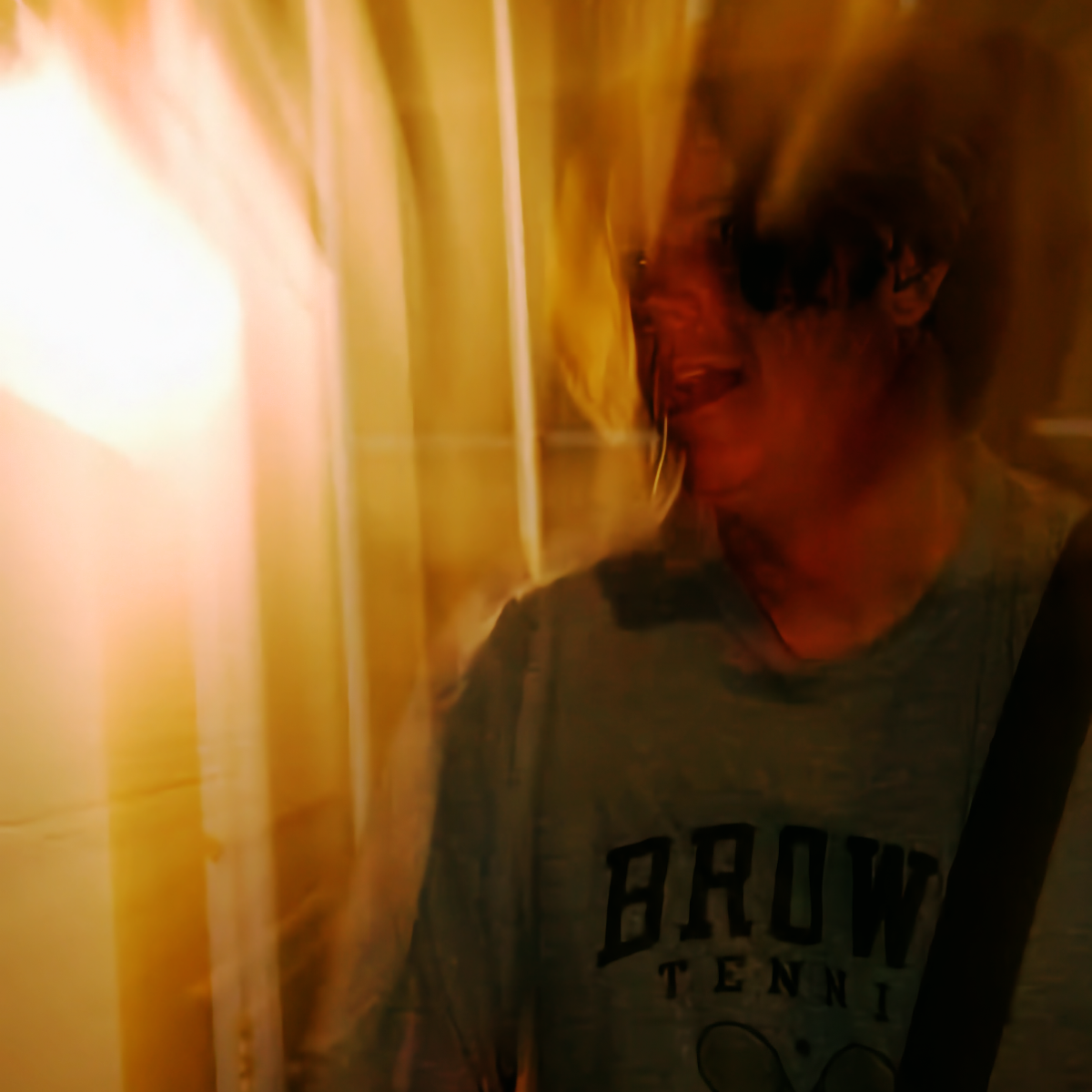
According to corporate advertising firms, John Andrew Fredrick is not the most interesting man in the world, but I'd say he's in the running. He gave (IMO) one of the most entertaining interviews on our podcast and has been a recurring feature of my email inbox. There are a lot of interesting things that Fredrick does (more on that below), and music is just one of them. And the reason for his appearance today is the release of a new album with his project (which is basically him and whoever rides along), the black watch.
Fredrick formed the black watch in 1987, rehearsing in after-hours campus classrooms at UCSB, where he taught. He holds a Ph.D. in English literature, taught freshman composition at USC, Loyola Marymount, and UCSB, writes novels, and now teaches tennis to kids part-time. Nearly four decades on, the band are a Los Angeles fixture and, by Fredrick's count, twenty-seven records deep.
The Fuzzy End of the Lollipop is the band's latest for ATOM Records. Andy Creighton, on guitar since 2017, played the lion's share of the instruments after he was brought on board, and Fredrick says he "works so incredibly fast it's a marvel." Rob Campanella (ex-Brian Jonestown Massacre) and Fredrick's son Chandler fill out the credits. Its eleven tracks—ten songs plus a dance mix of "Sorrow's Crown"—sit squarely in what Mojo has called the band's "big-overcoat Bunnymen/Orange Juice aesthetic," and the opener, "Marie Bouzkova," takes its name from the Czech tennis pro. Catchiness abounds in these sounds, and even after twenty-five-plus albums, I still can't get enough of Fredrick's potent earworms.
Fredrick has declared this record the end of the black watch, while admitting he's been wrong before (I believe he told me this some years and a few albums back, too). For The Deepest Cut, I emailed him to ask about Sugar Kane's complaint in Some Like It Hot, which gives the album its title, and whether teaching a paragraph, a serve, and a song have anything in common. I also wanted to talk movies, since I know Fredrick is a fellow cinephile, and demanded his ruling on the best tennis scene in a movie. While I was there, I asked for a film he loves that more people should know about.
the black watch is a band that happened almost by accident, or possibly by happenstance. I never set out to be a frontman/singer; it just happened on account of I wrote songs and conceived them being presented (or not presented) in ways that would obviate teaching them to someone with a trained, let's say, voice. I did take some singing lessons early on, and one producer had me work with a coach; but as with my determined and self-conscious obliviousness to the engineering/recording process, I reckoned that the magic of music might evaporate if I learned too much about craft. In true post-punk fashion, then, TBW is almost an anti-band.
I would hope a new listener would not be able to detect a simple one- or two-artist "influence," on account of I am circumspect enough to know that good artists do everything they can to mask their influences, and to play with them when the mask drops. I would hope one would "hear" the Beatles in our work because they're an influence to be cherished and not dismissed, as so many poseurs seem to do these days: sneering at the Fabs is such an affectation. I would hope that the new listener would see that we are, oxymoronically, both terribly ironic and frightfully . . . not quite sincere, but wary, leery with poetic twists all over the shop.
I didn't set out to accomplish, as it were, fame and fortune—and I daresay I have succeeded in being neither famous nor well-to-do. That was not the point. Our first gig was with Toad the Wet Sprocket. My psychiatrist at the time—a major music and literature guy—came to the show. Afterward he said, "Those guys are going to be huge; you, however, are going to be an artist." I never forgot that. He was right.
As I am not a reliable narrator, in my songs and my novels both, I would say that pretending is essential to the imagination that's necessary to carry on making music in a world where there are so many bands, so many other forms of entertainment. I nicked the line from the film for our title here simply because I revisited the film and loved it once again. I admire artists like Paddy McAloon or Steely Dan who seem to strive for perfection in all they do. Me, I welcome failure. Fail beautifully, I would always advise my creative writing students. Each song definitely, throughout our body of work (kind of a crude phrase, that), disguises something. Masks, again!
The Fuzzy End isn't the ending, actually. We had some tracks left over that were not quite "the done thing," so they inspired me to write more, write better (I hope!), and now there are fourteen or so new songs that may be released as The Other End of the Lollipop! Wonders never cease, I shouldn't wonder. Speaking of Freud [I slipped and brought him up. —Ed.], I reread him all the time. Somebody has got to keep him alive! His prose is beautiful as well. And I reckon he would consider his work a grand failure as well. Failure's the impetus that keeps the pure artist striving. God bless it.
My hero Vladimir Nabokov taught tennis, French, and chess. Songwriting I never would nor could teach, as in my estimation it simply cannot be taught. I would say the same thing about writing fiction, though I did it from time to time in bad faith. Appreciating, in both senses of the word, literature can indeed be taught, and I always considered it an almost holy calling. And I love kids, and at UCSB I was sure I would get an English degree and go on to be a sports coach. The kids teach me a branch of humility that grown-up life skirts, it seems. Their yen to learn new things and take chances inspires me.
The funniest tennis scene could be in The Royal Tenenbaums. Or in that film by Noah Baumbach about the NYC family falling apart. Its title escapes me. Tennis is so great and so weird. The Strangers on a Train scene is tops too. Love them all. Well, maybe Woody's in Match Point doesn't pass muster. Nor that dreadful waste of time called Wimbledon—a film I actually have wasted my time on a few times now!
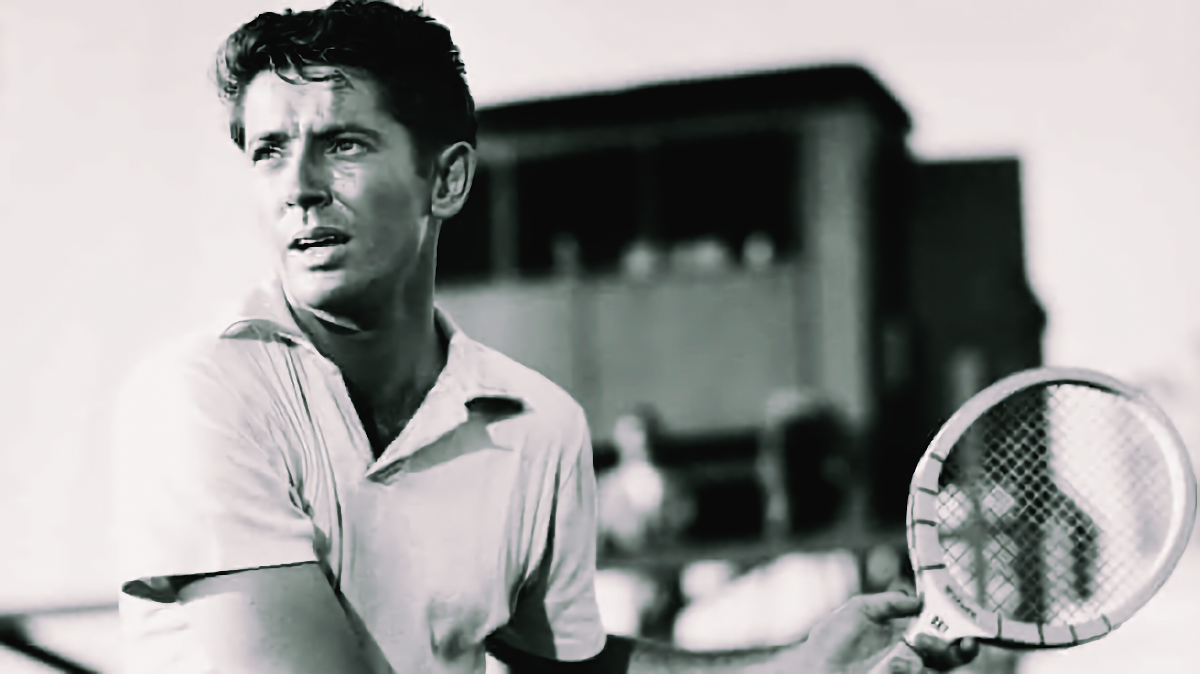
Fredrick took me up on the film question:
Margot at the Wedding, by the aforementioned Noah Baumbach, is so little-known it's criminal. Kidman and Leigh are insane in it—these preposterously Easty-Coasty competitive sisters who are both bonkers and endearingly so. Not even Jack Black could ruin that film. Oh, The Squid and the Whale was the name of the other tennisy film! The writing's very sharp and the psychology is very subtle, and it illustrates how our offspring imbibe so much of our neurosis. My dear son Chandler's finding that out more and more nowadays, poor kid. I love Margot at the Wedding as it illustrates how family gatherings/celebrations are still a rich field for screwy/semi-tragic drama. Of course, the archetype, the Ur-example of that, is Renoir's immortal The Rules of the Game. Lots of filmheads know that one well, but Jose and Juanita filmgoer would do well to seek it out. I often forget that, along with Barry Lyndon, it's my favourite film of all time. What'd good old Sigmund make of that?
The Run-Out Groove
- The Tonearm is a reader-supported publication, free of advertising and paywalls. Our supporters help fund our writers and make the site possible. Please consider joining and helping us to continue our mission.
- Join the rapscallions of The Tonearm on our new Slack community.
- Sign up to receive our latest articles directly to your inbox in a snazzy, easy-to-read email version. Just go to your account, manage your email preferences, and flick the lever to receive The Total Tonearm.
- The easiest and best way you can help us? Please share this newsletter and our stories with your friends.
Thank you for reading! We'll see you again next week. 🚀


Comments