


Now Playing on The Tonearm
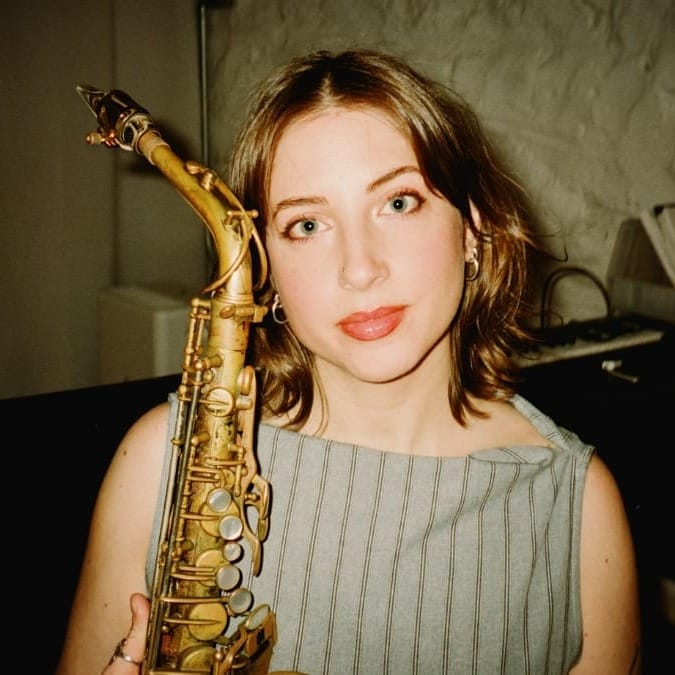
Inside Alden Hellmuth's Tethered Galaxy
Saxophonist and composer Alden Hellmuth discusses growing up in Hartford's Jackie McLean tradition, her mentorship under Herbie Hancock, and the double-bass lineup behind her new album, Tether. Interview by Lawrence Peryer.
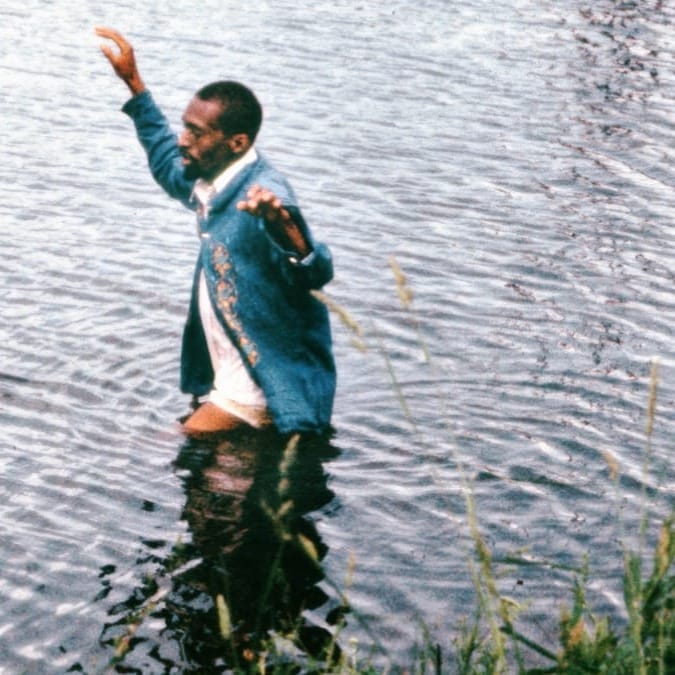
Wild Up Conjures the Holy Presence of Julius Eastman
On the occasion of Julius Eastman Vol. 5: Gay Guerrilla, Wild Up conductor Chris Rountree discusses the hybrid written-and-oral tradition of Eastman's scores, the ensemble's rehearsal practice of triangulating meaning, and the Black, gay minimalist's enduring claim on the present. Interview by George Grella.
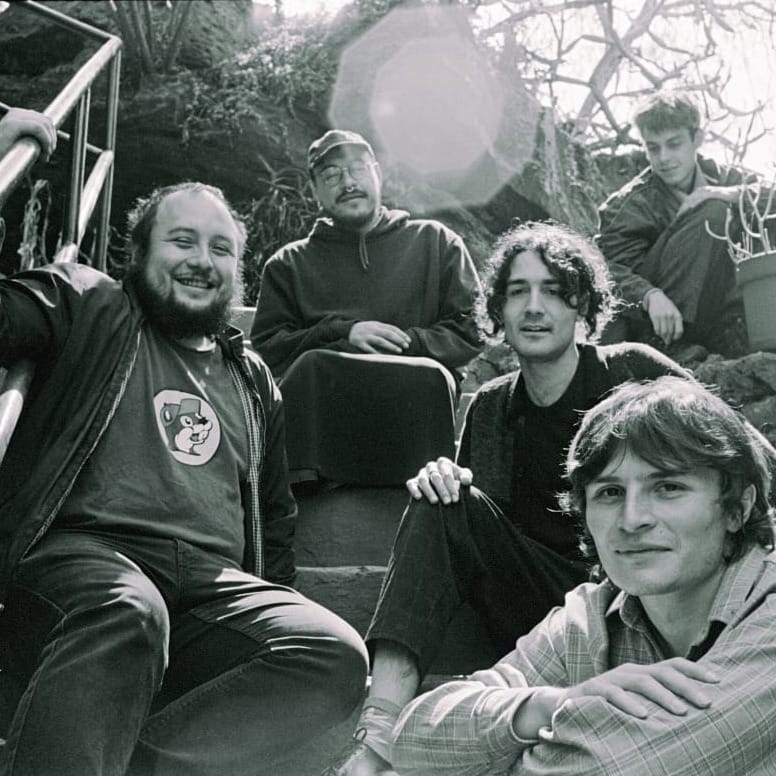
Chasm's Sense — Diles Que No Me Maten's Borrowed Light
On their fourth album, Escrito en agua, the Mexico City band Diles que no me maten build songs from Mahmoud Darwish's poetry, funerary music from Oaxaca, and their own festival organizing, all filtered through loose, unresolved improvisation. Interview by Sara Mae Henke.

Through a Glass Dimly — Matt Hinton Returns Awake, My Soul to the Screen
Filmmaker Matt Hinton speaks about the technical resurrection of Awake, My Soul, the expanding world of Sacred Harp singing, and the difference between hearing this music on a recording, hearing it in a room, and standing in the middle of the square. Interview by Steven Garnett.
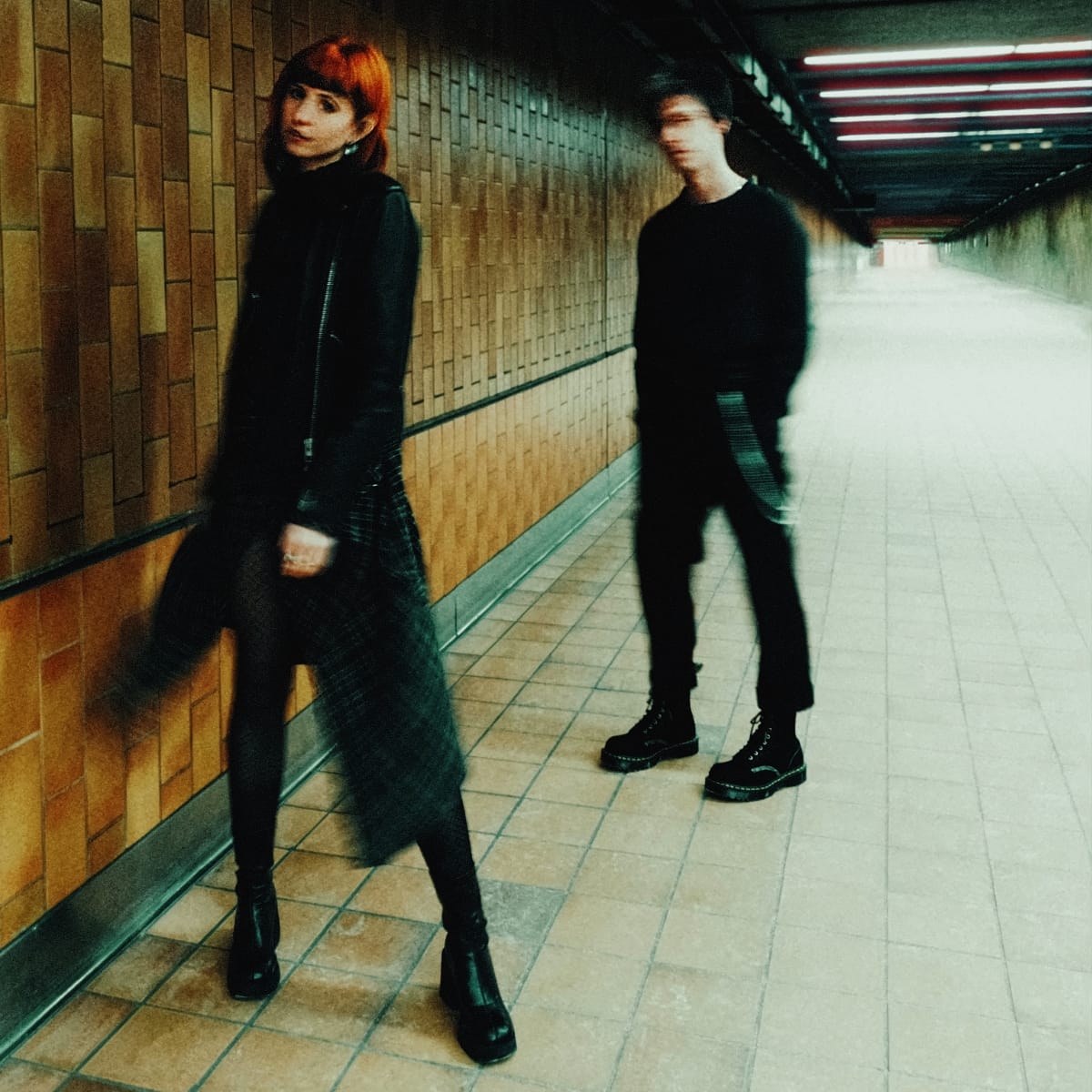
The Long Nostalgia of sundayclub's Manitoban Dream Pop
Courtney Carmichael and Nikki St. Pierre discuss signing to Paper Bag Records, moving from rural Manitoba to Winnipeg, and turning pandemic isolation into sundayclub's self-titled debut album. Interview by Damien Joyce.
This Week's Episode of The Tonearm Podcast
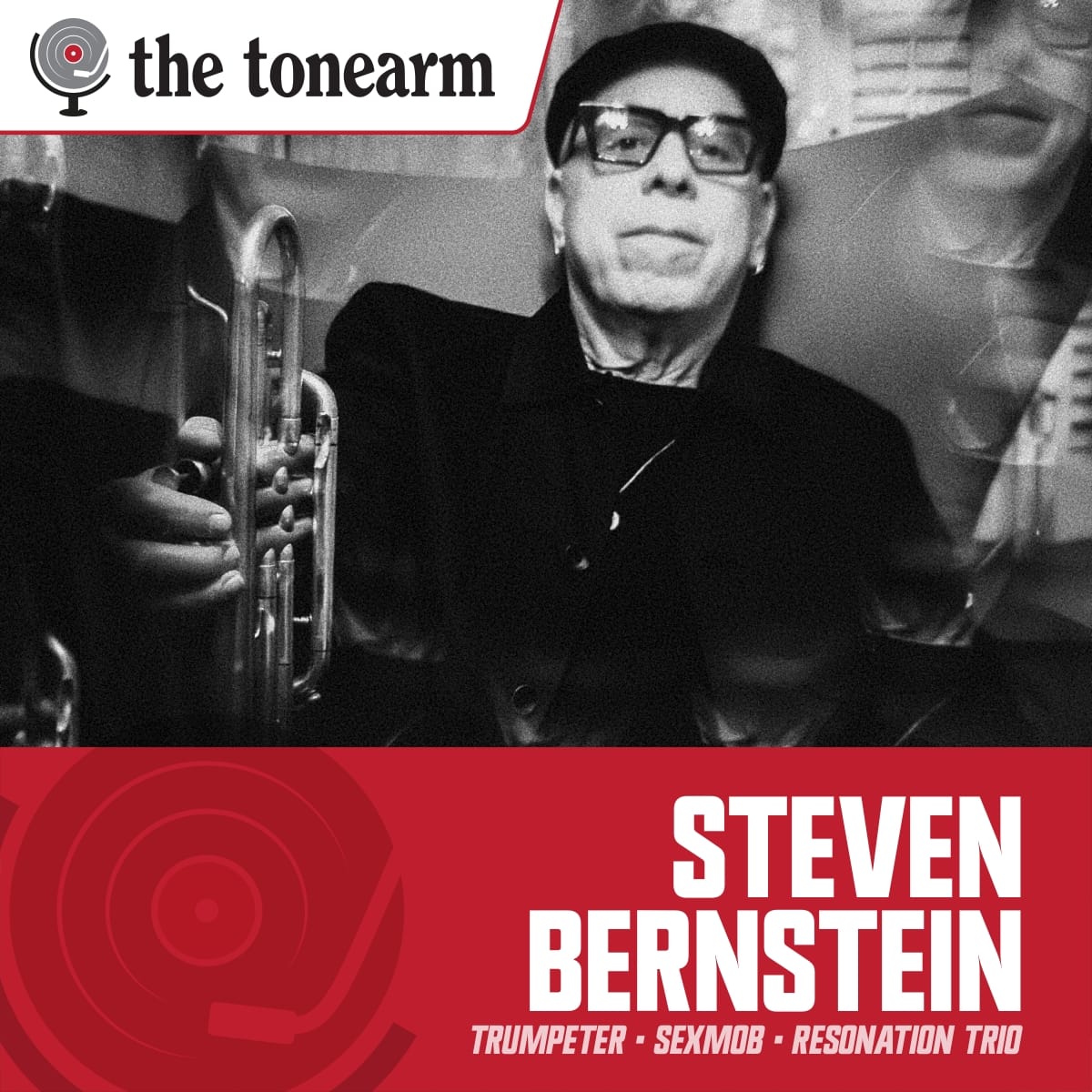
Steven Bernstein: The Trumpet's Blank Slate
The veteran trumpeter and arranger joins the podcast to discuss the twin albums ResoNation Trio and Ultra Resonance, Laurie Anderson's lesson that you never need permission to make art, and why this music dies if it stays in a museum.
Rotations
Lawrence Peryer is back with a thirteenth episode of Rotations, the official radio show of The Tonearm, and this one keeps good company with the week's coverage:
Episode 13 is now up on the Mixcloud archive. Artists we played that were covered on The Tonearm this week include saxophonist Alden Hellmuth (our podcast guest), the Mexico City art-rock band Diles que no me maten, and the new Ambrose Akinmusire/Mary Halvorson duo (with their sparse, exploratory jazz guitar and trumpet). Listen while you read about them. The hour also featured people who built their own lasting musical worlds and then disappeared from view before the credit caught up: Julius Eastman, memorialized on Wild Up's fifth anthology volume of his work; Francis Bebey, still ahead of his contemporaries decades after wiring a thumb piano through a drum machine; Amara Touré, whose entire known output fits on one Analog Africa disc. Seattle's own Sonando, an Afro-Cuban band of thirty-five years, closed the set, a reminder that the local scene has more than just one musical lineage worth remembering. Sonando is also launching the Music in the Park concert series that I co-produce in Normandy Park, Washington. Tonight (Sunday, July 12) at 5 p.m. in Marvista Park. I'll be there—come say hello.
As always, a new episode of Rotations premieres this Tuesday at 11 p.m. Pacific on SPACE 101.1 FM in Seattle and streaming at space101fm.org.

The Hit Parade
"[Bonnie Tyler's] pounding power ballad, with its repeated plea to 'turn around, bright eyes,' evoked the hunger of unrequited love and was written by Jim Steinman, whom Rolling Stone once called 'the lord of mega-pop overkill.'" ❋ "As a musician, [Sterling Betancourt] was never 'famous' in the sense of having hit records or headlining festivals. Yet this warm, humble nonagenarian was among the last of the Windrush-era musicians who changed the DNA of British music." ❋ "Jazz has always been microtonal. But it's only in recent decades that jazz composers have consciously engaged with alternative tuning systems to Western Equal Temperament, leading to 'an efflorescence of microtonal music,' as drummer-composer Will Mason puts it." ❋ "Mário Rui Silva, guitarist, composer, and one of Angola's most important musicologists, spent nearly fifty years documenting his country's music, from his role behind Bonga's landmark album Angola '72 to decades of research into semba, language, and lost histories." ❋ "'I try to experiment and explore,' says Tabakis, who quotes a line by the Greek poet Yiannis Ritsos: 'I was never jealous of big houses, but of big windows,' adding, 'and every musical instrument is a window, through which you can see a part of the universe, a part of the sky.'" ❋ "Raw oscillators, filters, and amplifiers intended for not musical but industrial purposes. At some point, experimental musicians realized that if you amplified the electric signals they put out, you could generate, process, and control audio signals." ❋ "The yodel is a disfigured sound, and thus it is always political. It is the nose with the gauze left in it. With wonder and with great shame, the yodel is an orphaned sound, a sound that turns the serenade toward an addressee that is destined to never hear it." ❋ "People tell me I have the best voice, but that I'm ruining my career by always singing about politics. What is the point of having a voice, though, if I can't speak freely and resist how my country and our people are being exploited?" ❋ "The central ethos of Stakes Is High, and what makes it such a crucial inflection point for De La Soul, is that instead of tackling what they deemed to be the co-option of hip hop by the music industry via satire, like they had done on their previous three releases, they confronted it directly." ❋ "After the night at Newport, the questions about the event became fixated on who. Who caused the magical evening, the mystery woman or the band itself? And who was she anyway? Yet, in many ways, the far more meaningful question was not who but why. Why was she even there? Why did she dance?" ❋ "By the time Ramones was ready for release, they had their cover, a photo Bayley took for Punk magazine using a $300 camera. Sire then paid her a flat fee of $125 (her rent at the time) for the image." ❋ "We had to make an album at that time, [and] because [the Rolling Stones] had to move around for tax reasons, our concept was to make albums all over the world. We decided, let's see if we can make a deal and record in Jamaica." ❋ "I'm a total sucker for rock and roll origin stories. Such is my fascination with these well-worn narratives that I've been known to read them back-to-back(-to-back), the trials and tumults of teen and twenty-something troubadours blurring together into a soup of musical mythology." ❋ For more curated music links, be sure to follow The Tonearm's feeds on Bluesky and Mastodon.
New Music Recommendations: hackedepicciotto - LICHTUNG (RIYL: Post-industrial chamber music; Einstürzende Neubauten lineage with hurdy gurdy and violin) ❋ Myth Math - Tongues (RIYL: Sample-based synth pop-adjacent indie filtered through collage aesthetics; Echo & the Bunnymen and sludge metal as raw material) ❋ Randy Ingram - Sound Within: A Celebration of Bill Evans (RIYL: Post-bop piano trio steeped in Bill Evans's lineage; reflective, elegiac, built on trio interplay rather than technical display)
The Deepest Cut
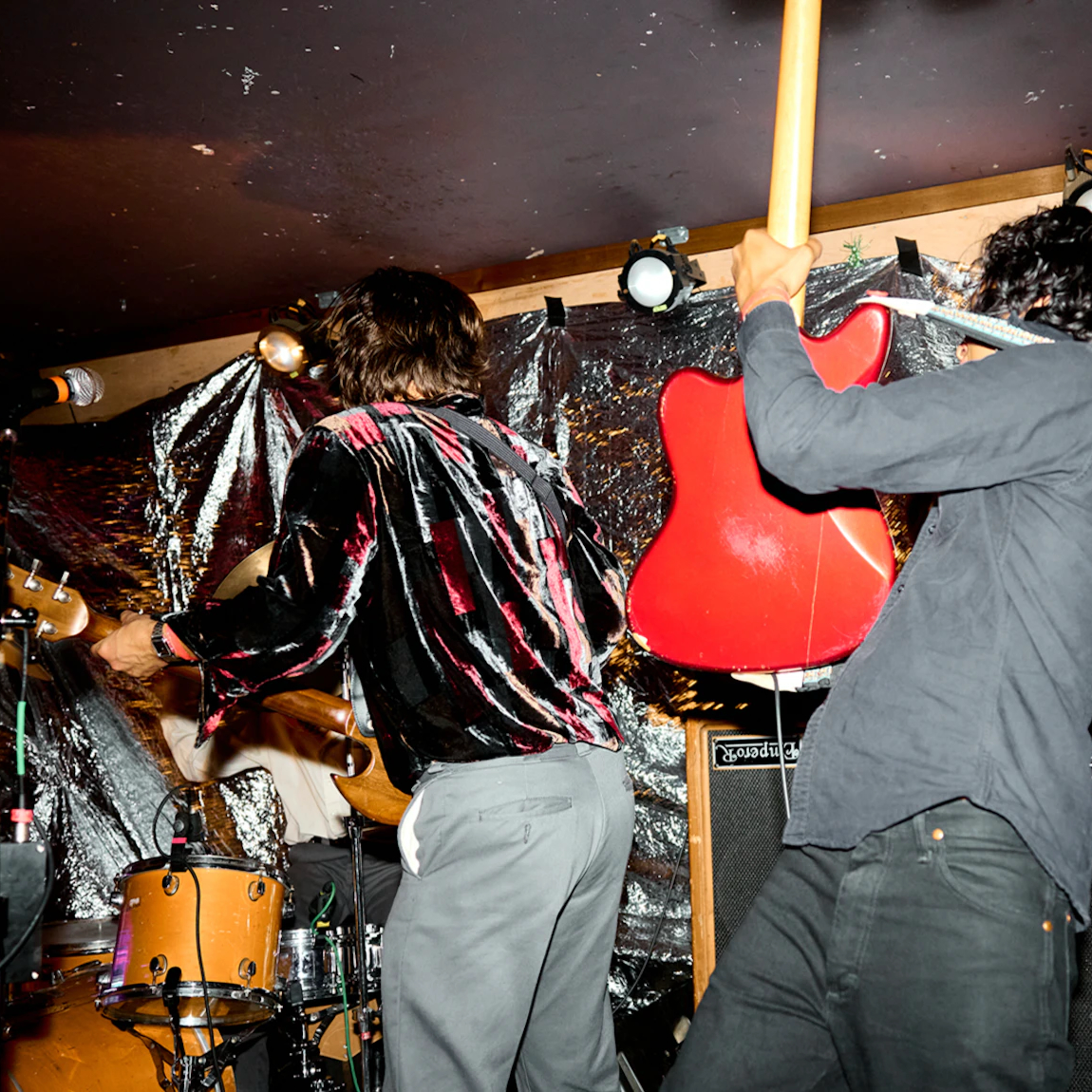
Vorhex Angel emerged around 2024 with no social-media presence and no identities, just their name turning up on a flyer here and there in Nashville or New Orleans. Anyone curious enough to show up found elaborate stage dressing, strobe lights or complete darkness, burning things, and pre-performance ingestibles, with music to match: loud, unhinged, and primal as all hell.
The band turned out to be brothers Jake and Jamin Orrall of JEFF the Brotherhood, with Silver Synthetic's Kunal Prakash. Where the debut Heavenly was visceral, Drain is the cerebral one, recorded in a single week at Soul Selects Studio in New Jersey and trading the pummeling onslaught for moody, dramatic pastures. Its thirteen-minute closer, "The Great Fatted Bull (Stone Tablet #36)," leans on a three-stringed Laotian lute the band found at the studio and dubbed the "dragon guitar," later learned to have been gifted there by Dean Ween.
I reached out to Jake and Kunal to hear what the gap between them—Jake self-taught, Kunal with time spent in Indian classical music and a guitar apprenticeship in Mali—actually sounds like from inside an improvisation, and why a band built on guitar noise opens its new record with a track that has no guitars at all. Oh, and I asked each of them for something they love that more people should know about. They answered individually.
Jake: Vorhex Angel began out of a recording session at my house in New Orleans in 2024. Jamin was in town for a week, and I had a little studio in my living room. It was originally going to be a JEFF The Brotherhood record, but we realized we were doing something far too stylized for that project—it wouldn't have meshed with the repertoire. So we leaned into the constraints we put on this new sound and dug in. It's an art project, really; the live show is a very physical experience. Drain came about when I went to do a residency at Soul Selects. I had a week where I wanted to do some full-band material, and it just happened naturally—of course Jamin and Kunal would be involved. The whole thing came together, writing and recording, in about five or six days. As usual, the first thing we committed to "tape" we threw out almost immediately. We decided the next direction for the band was more expansive and dramatic, so we focused on that. What we hoped to accomplish is an album that shines when it's listened to actively: sit down in front of a halfway decent stereo, or turn it up loud on a long drive—no talking, phones on silent—and take yourself out of normal life for an hour, like going to the movies. It's a very cinematic album.
What strikes me most about the contrast between Kunal and me is how much we egg each other on in a way that wouldn't happen if our backgrounds were similar. When we improvise, we try to take it to new heights in our own way, feeding off each other's intensity or restraint. It's not something I've analyzed—it just works, and if we'd both studied guitar the same way it wouldn't be as interesting or dramatic. Vorhex Angel gives us both an outlet to truly play expressively, and that's cathartic. I remember looking over at Kunal during our last show; he was shredding close to the climax of "Lemon Tree," leaning into the feedback, belting an absolute monster solo, and thinking to myself, "this man is exorcising demons right now."
Kunal: Jake and I might have different backgrounds, but we're very aligned when we're playing in a free or improvisational space. Expressive, emotive playing is what we're trying to wrench out of ourselves and our instruments when we're really getting into it. A lot of what we do stems from the stuff we were both listening to when we became friends twenty years ago—uncompromising, sometimes challenging groups that had formal discipline even when making music that feels like it's flying off the rails. There's got to be rules so we can break them, right? My favorite Jake guitar superpower is hearing him hang on to a single note for as long as possible when we're in deep jam mode. It feels like the whole band becomes a fishing boat fighting through a mean squall—all adrenaline and white-knuckle energy. I live for that shit!
[Drain's opening song] "A Prophecy" was one of the last things we tracked. The meat of it is a first take of the three of us playing synths we hadn't really worked with before. We never tried adding guitars—we'd had this on our to-do list for the week as "Drone Track." It's a calming way to introduce patience to listeners while keeping our running themes of improvisation and exploration. Heavenly and the live releases are pretty relentless gut punches. Our challenge to ourselves with Drain might have been: how do we match that intensity in a different yet compelling way? The short answer is emotion, surprises, guitar solos, and intelligible vocals. I wouldn't say it was freeing—we always make whatever we want, and we aren't shackled to a sound or a fanbase to disappoint. But the limitation of not making a blown-out, noisy riff-rocker did lead us down some fruitful new paths.
And then I asked Jake and Kunal each for something they love that more people should know about:
Jake: Putting ice in my beer or wine. I absolutely love a couple of cubes in my drink, because it stays cold and delicious even when it's hot out!
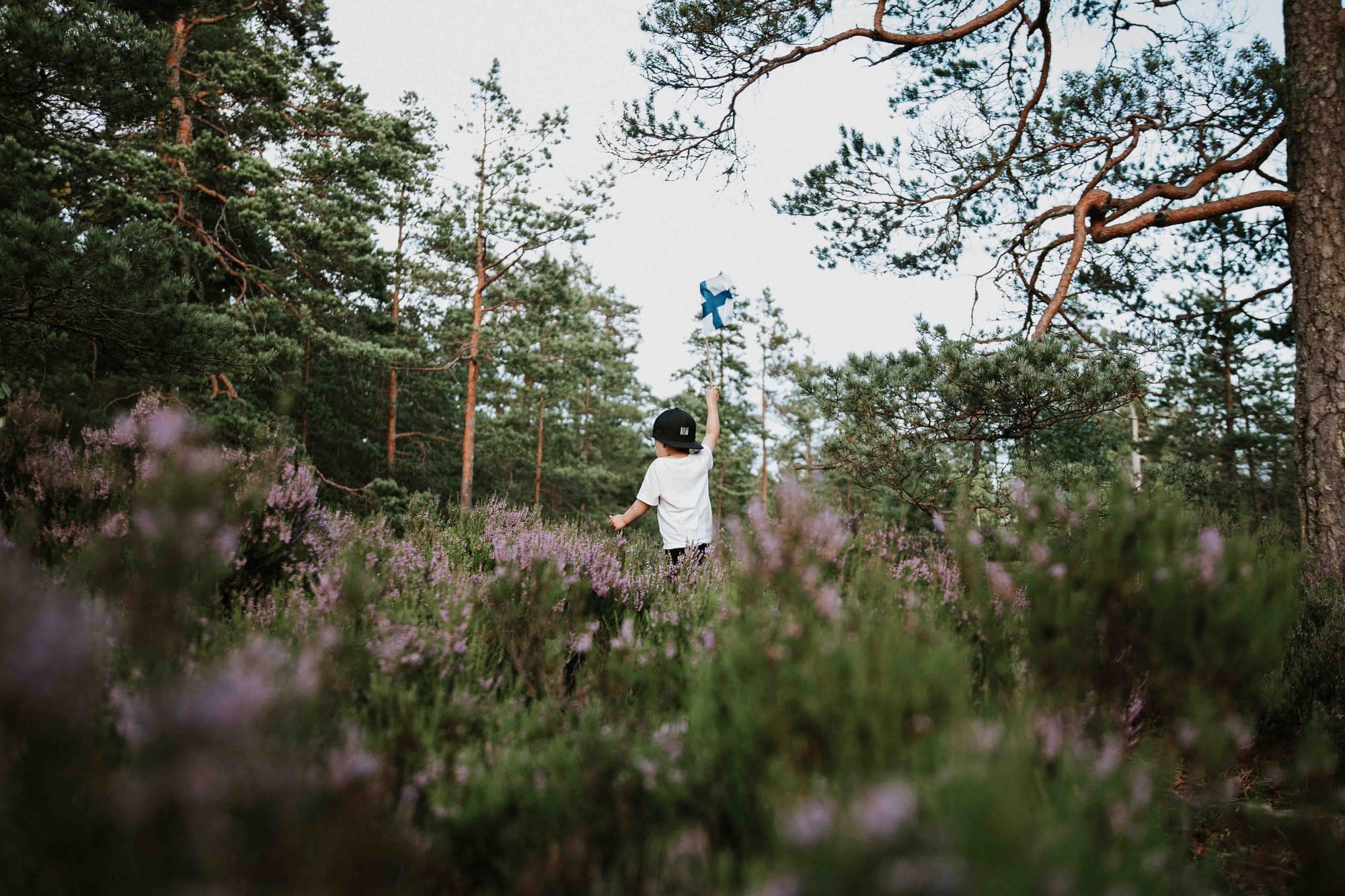
Kunal: I recently learned about the Finnish concept of "Jokaisenoikeudet," or "Everyman's rights," which, to my understanding, allows everybody the right to roam, fish, forage, and camp in nature even if it's on private land. The last part is a bit gray, but it's basically: don't be an asshole and camp in someone's garden next to their house, or mess with someone's farmland. Basic manners stuff. And it works! In the bit of research I've done, I've come across people who own lots of land and don't care at all if people camp in the forest three acres away from their house, as long as they leave no trace. Makes sense to me. It struck me as something a society with good priorities would do—and something I could never imagine the US countenancing. One of my pet peeves is the privatization of public space, so this Jokaisenoikeudet idea is the radical opposite of that, and I'm very down with it. Take me to Finland!
Run-Out Groove
- The Tonearm is a reader-supported publication, free of advertising and paywalls. Our supporters help fund our writers and make the site possible. Please consider joining and helping us to continue our mission.
- Join the rapscallions of The Tonearm on our new Slack community.
- Sign up to receive our latest articles directly in your inbox as a snazzy, easy-to-read email version. Just go to your account, manage your email preferences, and flick the lever to receive The Total Tonearm.
- The easiest and best way you can help us? Please share this newsletter and our stories with your friends.
Thank you for reading! We'll see you again next week. 🚀


Comments