


Now Playing on The Tonearm
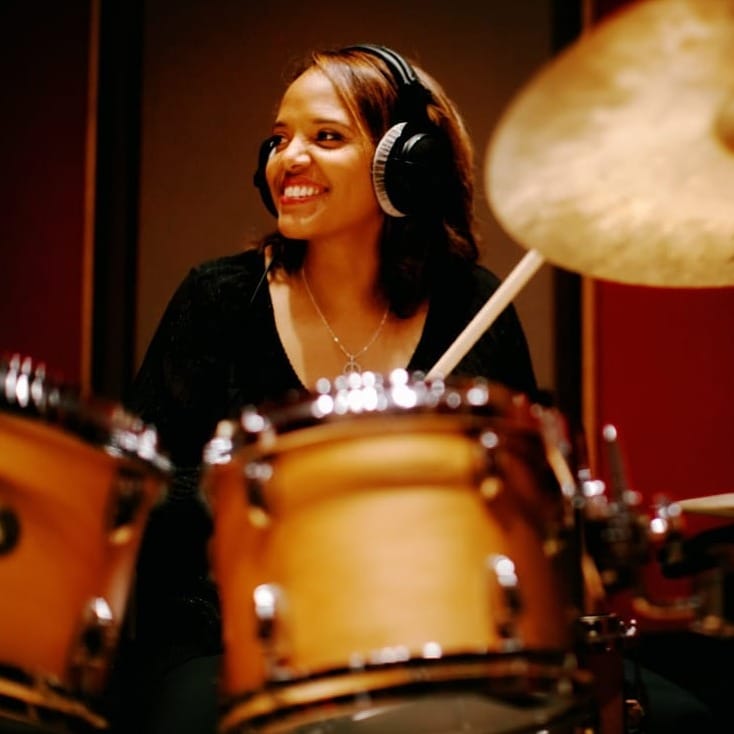
The Whole of Me — Terri Lyne Carrington Beyond the Drum Kit
The NEA Jazz Master and four-time Grammy winner talks through a dance album about deportation and prison abolition, the Buddhist line she lives by, and the years she has gone without proper time to practice drums. Interview by Lawrence Peryer.
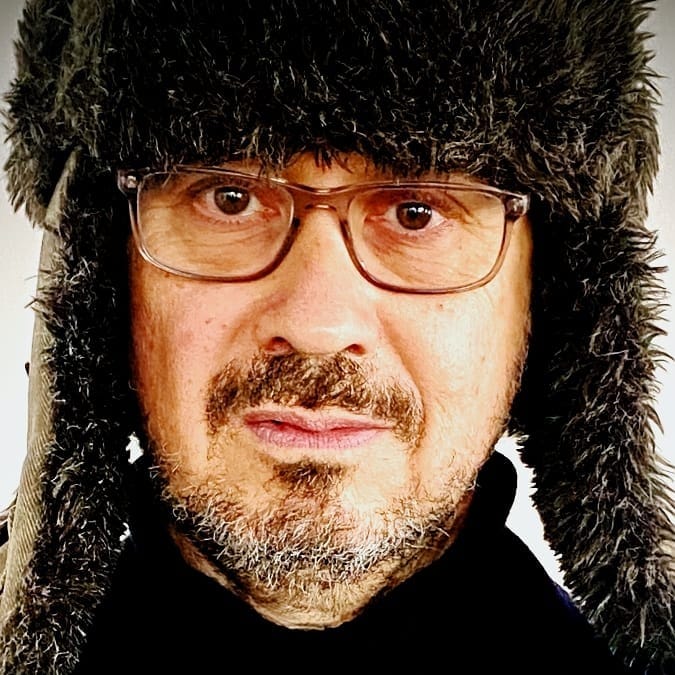
Ancient Sounds, Forward Motion — David Norland's Religion of One
Back in London after years of scoring films and documentaries in Los Angeles, David Norland discusses 'La Source,' the free hand he was given on the wordless black-and-white 'Carousel,' the monastery basement he intends to record in next, and the composer's right to a full night's sleep. Interview by Kallie Marie.
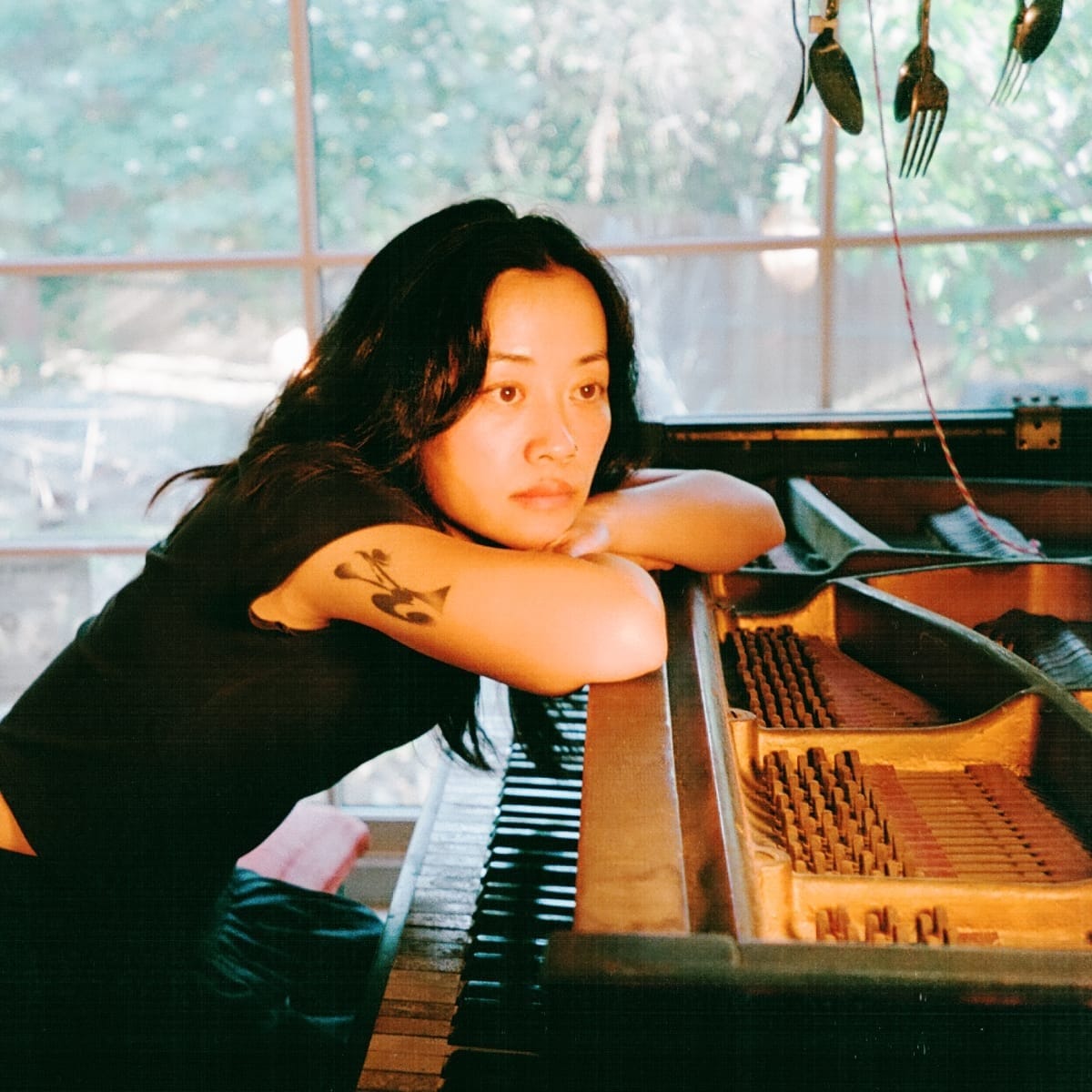
sachi's mirror and the Slow Shedding of Layers
On her debut full-length, 'Talking in a Different Way,' the Oakland violinist trades the perfectionism of the conservatory for voice memos, out-of-tune pianos, and a tolerance for the unplanned. Interview by Arina Korenyu.
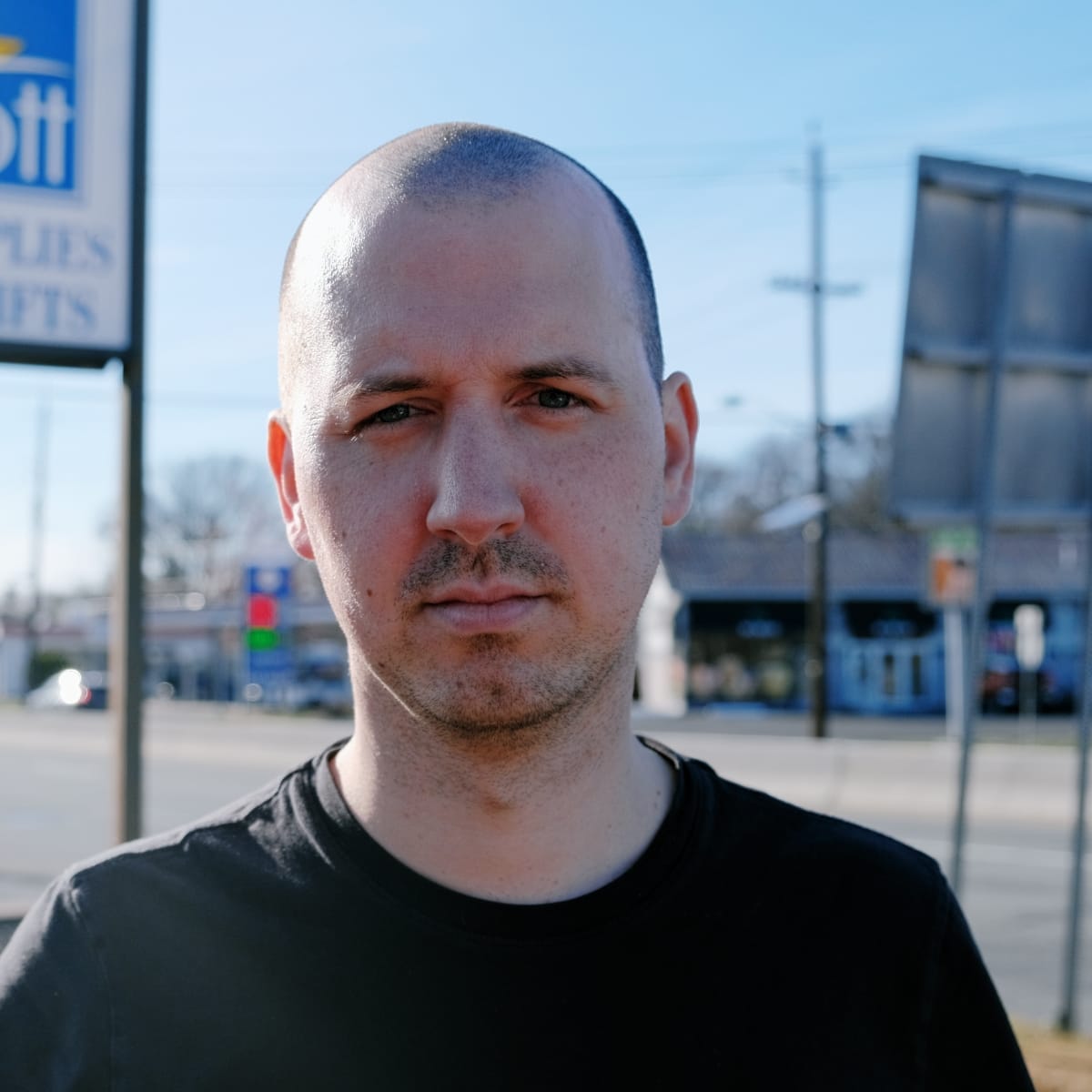
All Shall Be Well — Jason Calhoun's 'revelations of divine love'
The Philadelphia sound artist talks about the windowless clean room where he prepares chemotherapy for patients he never meets, the Trappist retreats that showed him what silence is for, and his growing conviction that irony is a poor use of anyone's energy. Interview by Steven Garnett.
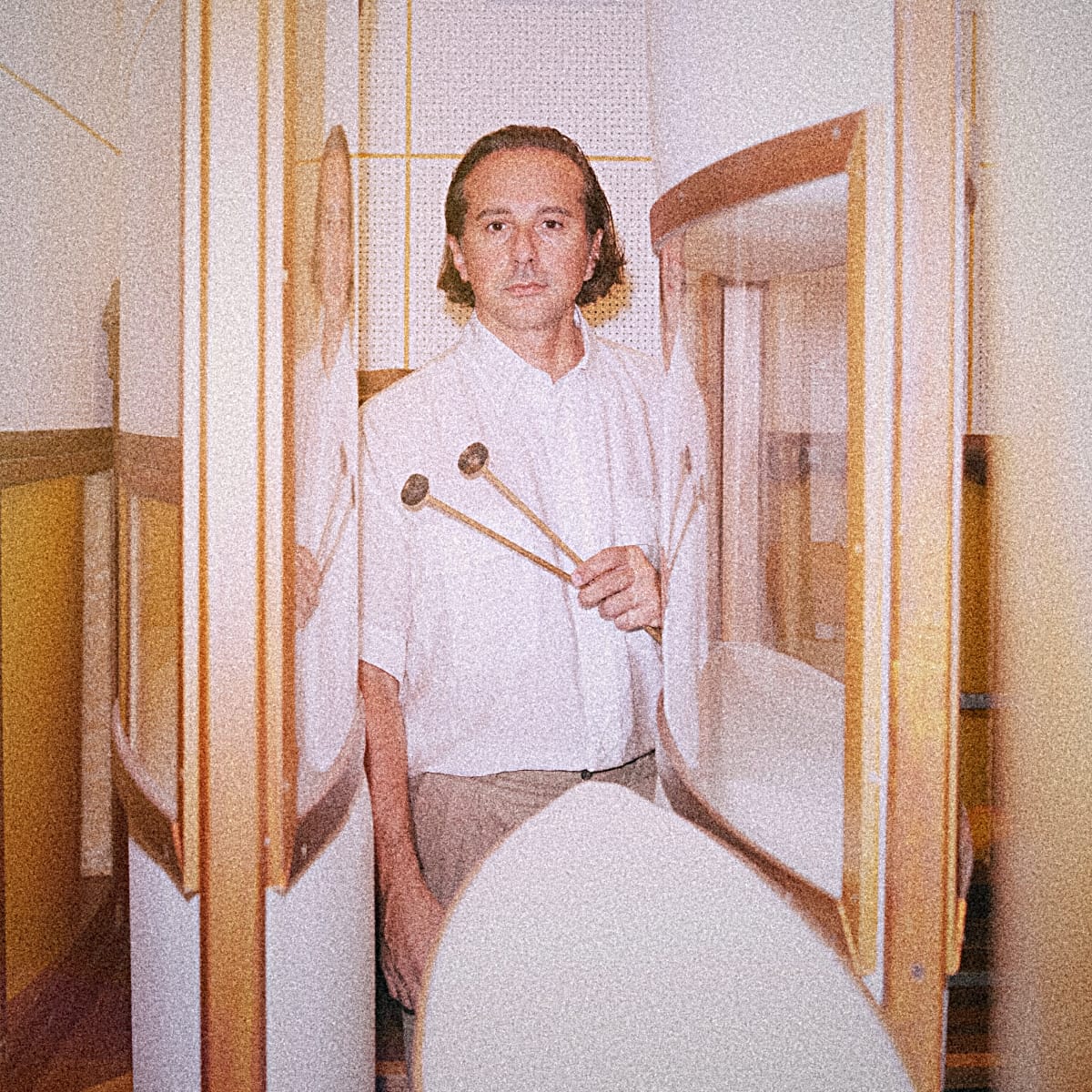
Jolly Mare Among the Maestro's Machines
Working with Umiliani's daughters and the analog machines their father left behind, Fabrizio Martina describes 'La luce dell'alba' as "less a tribute than a conversation across time." Interview by Tony D'Onghia.
This Week's Episode of The Tonearm Podcast
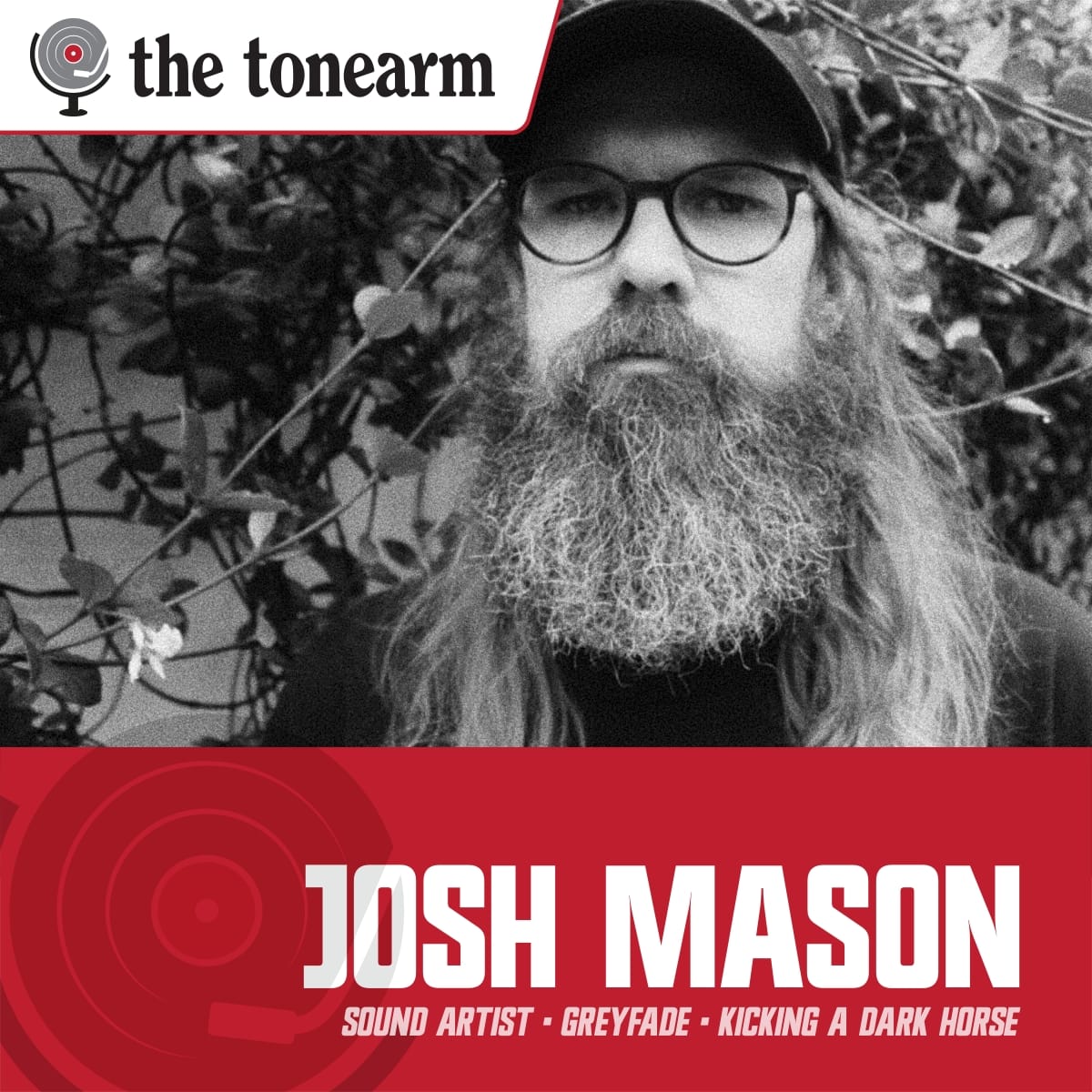
Josh Mason: Punk and Circuitry, Zippered Together
The Florida sound artist joins us to discuss 'Kicking A Dark Horse,' a modular album bound into a hardcover book, with each half composed to fill the silences left by the other.
Rotations
August is a good month for loose ends, and Lawrence Peryer's Rotations, the official radio show of The Tonearm, has gathered a few:
This week's Rotations deals in unfinished business, musical and otherwise. Charles Lloyd revisits a Mumbai session he started in 2009 and never finished. Piero Umiliani's old Rome tapes get a new life at the hands of a producer working from what he left behind. Pharoah Sanders and Emahoy Tsege Mariam Gebru's decades-old recordings bookend and provide context to brand-new records from Leeds and Boston that continue arguments about struggle, liberation, and what gets left for someone else to finish.
Of the artists played this week, I only saw Pharoah Sanders live, but managed to catch him three times. The first was as a guest of the McCoy Tyner Trio at the Blue Note in New York, just about twenty years ago, in September 2006. A decade passed before I saw him again, toward the end of my time in NYC. That show was in May 2016 on a bill with Kamasi Washington and Sun Ra Arkestra. I saw him a little over a year later after I moved to Seattle, in a duo setting with pianist William Henderson. He could play both ferociously and delicately. I only wish I had a few more stubs with his name on them in my collection. I did recently come across a recording of the Seattle show on Archive.org if you're feeling intrepid.
Have a listen to the show:

I'm also going to hijack the close of this section to let you know about one of my favorite destinations on the internet, James A Reeves' Midnight Radio. I was asked to participate in the latest installment, which sort of feels like checking off an item on my bucket list. I chose some moody songs for James to play (at times drenched in reverb and at the wrong speed), and I hedged at length on the question of a god. Please check it out here.
The Hit Parade
"When most hip-hop artists were still sampling James Brown drum breaks, Sensational was freestyling over Karlheinz Stockhausen tracks. The Guyana-born, New York-raised MC and producer made many rap fans feel as if they were bebop enthusiasts hearing free jazz for the first time." ❋ "The PMRC lobbied for parental guidance stickers for such material and for record stores to hide prurient albums out of view . . . Ms. Morello — described by the Chicago Tribune columnist Eric Zorn as a 'sweet old lady living in a small white house on a shady suburban street,' never mind her soft spot for Ice-T and Led Zeppelin — was outraged." ❋ "Over the coming decades, [Geraldine de Haas] became the driving force behind Chicago's jazz resurgence. She founded concert series, festivals and a nonprofit organization, Jazz Unites. Howard Reich, the jazz critic for The Tribune, called her 'the first lady of Chicago jazz.'" ❋ "By all accounts, from all the love that has poured in since his passing, Orbit was a bit of an eccentric. His methods mercurial and maverick. His personal process, though, created a sound that was totally unique." ❋ "It's a joy to find something new in your 85th year. I'm doing a whole new dance with music I've loved all along. Music is the universal language, and I can communicate with the world now." ❋ "The term ['jazz'] itself is why I don't believe in genre categorization. Genre and its terms have been used by different aspects of the power structure to commodify folks." ❋ "I was entering the same class with guy students who were my peers, who had been producing songs in their bedrooms since they were 10 . . . I didn't see myself as able to rise to that occasion or to feel like I could fight for space . . . I kind of gendered myself." ❋ "Black music is forward and upward in movement, you know? Never forward or upward . . . It's a tornado that's always getting bigger and moving faster." ❋ "I stepped into the square dance and came out cleaner, kinder: for the first time as an adult, I experienced nonsexual, nonviolent community touching." ❋ "Improvisation is at the center of my practice. I feel through jazz, riffing this idea or that. In our conversations, I had this visceral sense of what might be possible. It felt like spongy potential." ❋ "With a name like Obscure, it feels right that this record label was never more than a niche operation while it was active, and now has been folded into other imprints, like a secret message written on paper and hidden in a crack in a wall." ❋ "It felt like [Elliott Smith's] words were meant for me at age 40, not age 17. I received his encouragement when I really needed it — not when I was already full of excitement and hope and possibility, but later in life, when I needed to be reminded of the spark inside of me." ❋ "What's the greatest British disco album? The troubling answer might be Metal Box, Public Image Ltd.'s second album, a record of apocalyptic grooves that is twisted, darkened, metallic and despairing, like 1970s Britain reflected through a rotted disco ball." ❋ "When you see a Cuban artist creating on the island, you are not just seeing a self-taught individual. You are seeing someone who has survived constant hardships, repression, abuse, and a lack of basic human supplies." ❋ "Inside a crowded gathering in one such [Ladakhi] village, Hardas, older men sit shoulder-to-shoulder singing folk verses from memory while younger boys quietly record the performance on their phones . . . Here, songs still travel further than roads." ❋ "I've got customers who are in their 50s and 60s coming in with their teenage and tween and younger kids, shopping together. It's like whole goth families. I've even had goth grandmothers with their goth moms and the goth kids come in." ❋ "The beginning and end of a magazine make it appealing. Like, it's finite. It's curated. Somebody picked what's between the covers of a magazine. They thought it was important enough to put in there, so it's not just endless scrolling." ❋ "I would rather the world be filled with weird and wonderful art from the local postman doing it in his basement at night, rather than the bankrolled pro whose goal is to create something anyone could enjoy." ❋ For more curated music links, be sure to follow The Tonearm's feeds on Bluesky and Mastodon.
New Music Recommendations: Bajune Tobeta - Anechoic (RIYL: contemporary classical and lo-fi piano in the Sakamoto and Fennesz lineage) ❋ Cold Light - Coldtron2 (RIYL: murky, blunted sound-system music where dub meets trip-hop and boom-bap) ❋ Gaia Wilmer Large Ensemble - Parabólica: Reflections on Gilberto Gil, Volume I (RIYL: Gil Evans-scale big band writing turned on Gilberto Gil's songbook) ❋ Laura Veirs - Temple Songs (RIYL: intimate nylon-string folk with unguarded vocals and bold electric flourishes)
The Deepest Cut
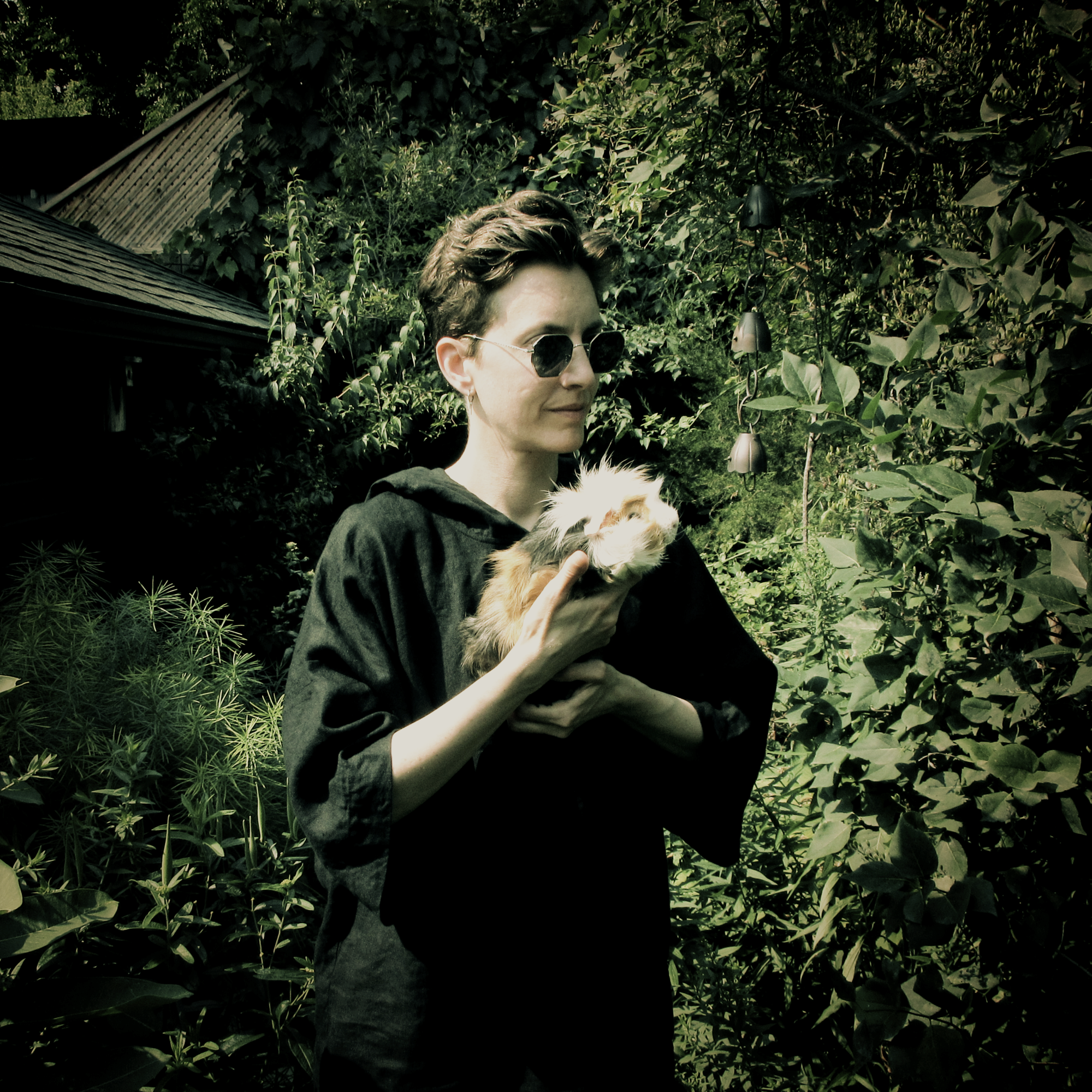
Avi Engel has been releasing records since 2004, for most of that stretch as Clara Engel. The Toronto musician also draws, and describes both practices as aspects of one whole, with songs full of imagery and drawings made of lines that seem to dance. Collaborators over the years include Aidan Baker, Armen Ra, and Thor Harris, and in 2021 a dance performance set to one of Engel's songs was staged and filmed at the Leonora Carrington Museum in Mexico.
Seedhead took a while, and several other projects came and went while it was coming together. It was once subtitled a living requiem until Engel decided the phrase weighed the album down. The press notes plainly state the losses underneath the album: a father and three close friends died across Engel's early thirties, and only now, in their early forties, are they ready to address these losses in their work. Engel is accompanied on Seedhead by cello from Lori Goldston, double bass and lap steel from Jeff Bird, bass clarinet from Naomi McCarroll-Butler, and French horn from Micajah Sturgess. Cruel Nature Records issues a cassette run in the fall.
I asked Engel, who has described their work as one long continuous song, what an album means in that context, and about writing through images borrowed from Bosch, Ingeborg Bachmann, and Mary Shelley. On top of that, I also asked for something they love that more people should know about.
I'm a musician and visual artist based in Toronto. I can't explain myself, but I'll attempt to describe Seedhead. It's a collection of nine songs built around my voice and four-string electric guitar. I invited some great guest musicians to join on a few of the songs, so there is also cello, French horn, lap steel, bass clarinet, double bass, birdsong and frogsong, but the essence and bones of these songs are my voice, words, and guitar. My words are closer to poetry than conventional lyrics, and there are themes of loss, transformation, and deep ecology that run through the album.
For any guitar nerds: I'm playing a sort of Franken-guitar. It's got the scale length of a six-string, but only four strings, and I use .49, .18, .14, and .11 gauge strings, so it has the high-end sparkle of a six-string electric, with the dark footfall of one solitary bass note. Limiting myself to four strings and playing around a lot with tunings is something I came to a few years ago when I discovered cigar box guitars, and it has been a bit of a revelation. I wrote all the songs on Seedhead on my four-string, except for the closer, "On a Sundial," which features a broken keyboard.
I find hopes and accomplishments can be derailing and underwhelming. I'm at my best when I'm deep in a project. Listeners can decide what I have accomplished if they want, or they can just experience the album, which sounds more enjoyable to me.
An album is the cultural container we have for the type of art I make. My albums are bound by the periods of time in which I am making them, everything I'm going through, listening to, reading, and on a technical level, also by the tools I have at my disposal at that time. They take on a character of their own, and I have limited control over what that will be in the end, which is something I actually love. It would be boring to decide what I was going to make, and then do exactly that. I do have an intuitive sense of when I'm finished a song or an album, but I can't articulate it. It's a fluid and delicate thing.
In terms of my name, I'm non-binary, and for a lot of trans people what may appear on the outside as a schism or discontinuity is actually a deeper continuity, a kind of resolution between inner and outer worlds. You describe me as having three names, but I see myself as moving from using "Clara Engel" to "Avi Engel." The "C" initial ["Avi C. Engel"] was a temporary bridge between the names. I ultimately decided to drop it after I legally changed my name.
I love ambiguity more than your average bear. Pinning down a definitive, singular meaning for a work of art has never appealed to me. It makes me think of butterfly collecting, it kills the animating spark and motion.
I wouldn't say I'm writing through other people's visions. A line, title, dedication, some sort of fragment from another work of art can be a starting point or a prompt that leads somewhere I wouldn't otherwise go. I see artists as human animals that possess an undeniable drive to synthesize their experiences of the world by making things. My experiences include books and works of art, and those can feel just as real as my day-to-day meat-reality. They can also be refuges and comforts from painful life experiences. I personally find art that is very prosaic and anchored to the solitary self to be dull, and I prefer to use imagery that reaches beyond me. In that way I feel more like a filmmaker or painter than what we've come to mean when we say "singer-songwriter."
Avi Engel didn't hesitate to tell me about something they love:
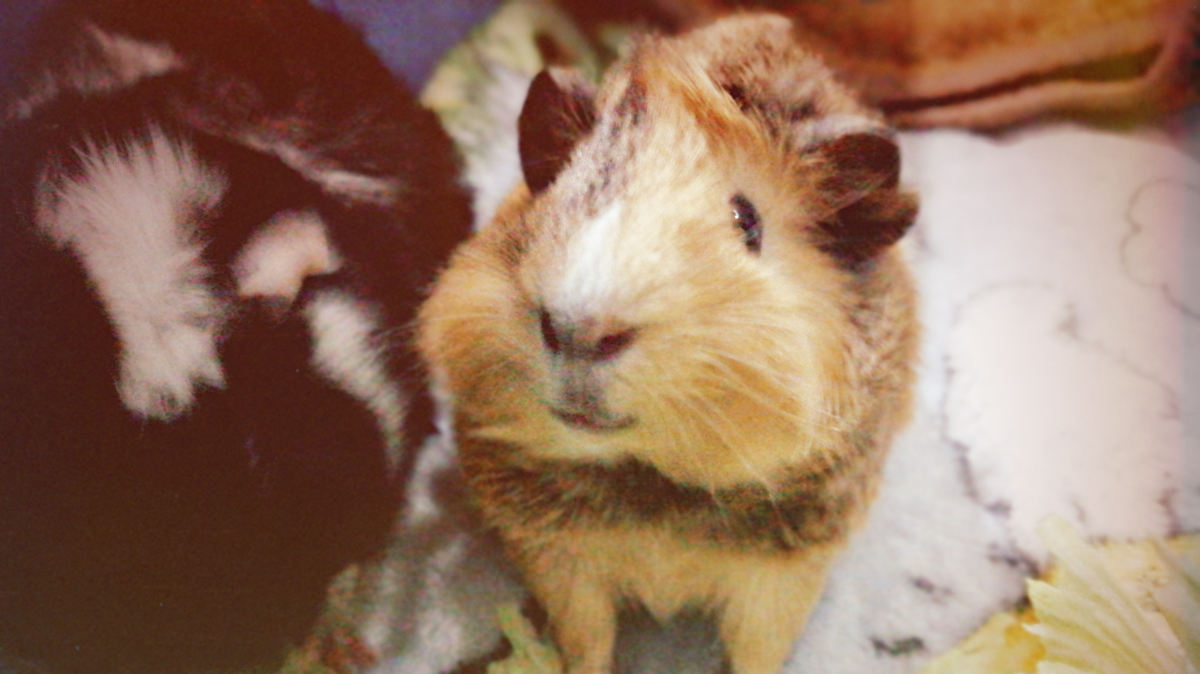
I love guinea pigs. They are subtle and endearingly strange animals. My partner and I have been adopting them for over a decade now, and each one of them has been a unique individual. At the moment we have four resident boars. If I ever get rich—inevitable as an independent artist—I'd like to be involved with creating a dedicated guinea pig rescue in Toronto, because at this point there isn't one.
Also, I just bought an album yesterday that I love: Archives by Cédric Dind-Lavoie. It's mesmerizing, and I've been listening on repeat. He adds his own arrangements and instrumentation to archival recordings, and the dialogue between the past and the present is haunting.
The Run-Out Groove
- The Tonearm is a reader-supported publication, free of advertising and paywalls. Our supporters help fund our writers and make the site possible. Please consider joining and helping us to continue our mission.
- Join the rapscallions of The Tonearm on our new Slack community.
- Sign up to receive our latest articles directly to your inbox in a snazzy, easy-to-read email version. Just go to your account, manage your email preferences, and flick the lever to receive The Total Tonearm.
- The easiest and best way you can help us? Please share this newsletter and our stories with your friends.
Thank you for reading! We'll see you again next week. 🚀


Comments