


Now Playing on The Tonearm
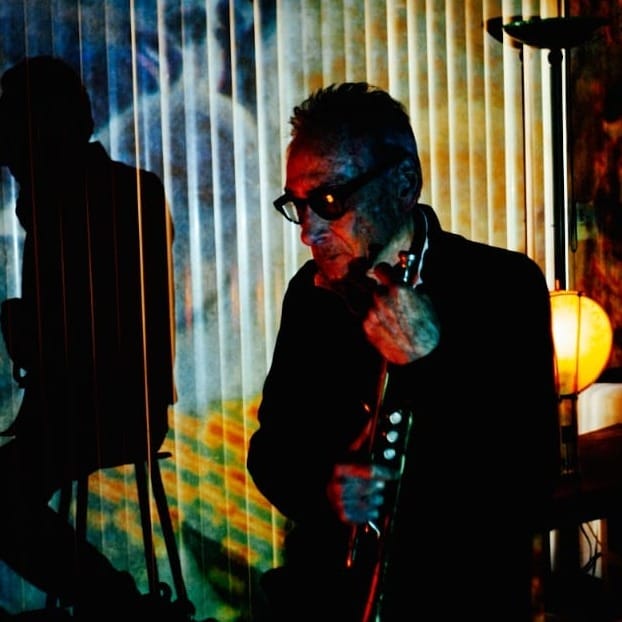
Life and Death in Jon Hassell’s Fourth World
A longtime devotee goes back through more than four decades of Hassell’s music and talks with co-producer Jeff Rona about the ‘City’ sessions, the self-sampling, and the posthumous ‘Music Is Invisible.’ Essay by Blake Leyh.
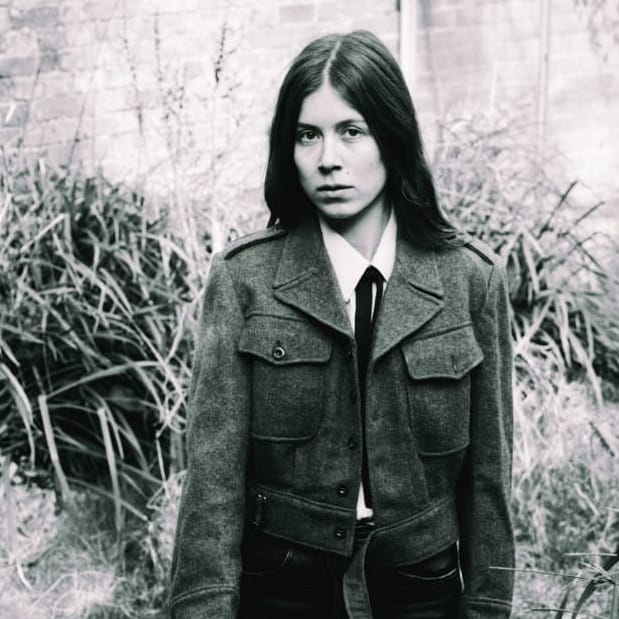
The Animal Songs of Nina Winder-Lind
The New Eves’ cellist straps on an electric guitar for ‘Wild Love,’ a debut solo album of bruises, breath, and a closing salute to her foremothers. Interview by Meredith Hobbs Coons.
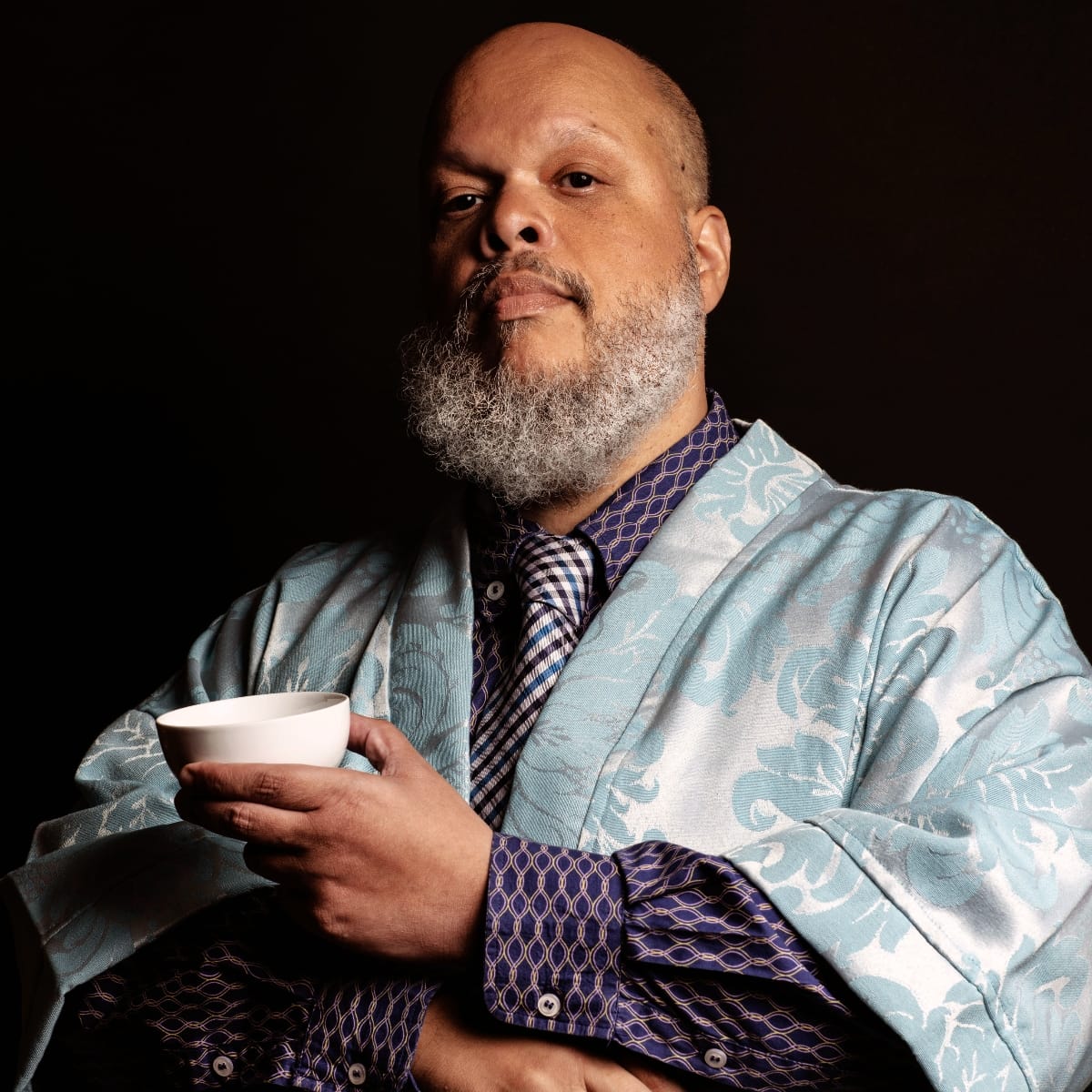
Ed Motta Between Rio and the American Radio Dial
Cameo, the S.O.S. Band, and Gap Band are the coordinates of ‘Toc-Toc,’ an album of drum machines and bass synthesizers that sends Motta back to what the radio was playing when he was a teenager. Interview by Tony D’Onghia.
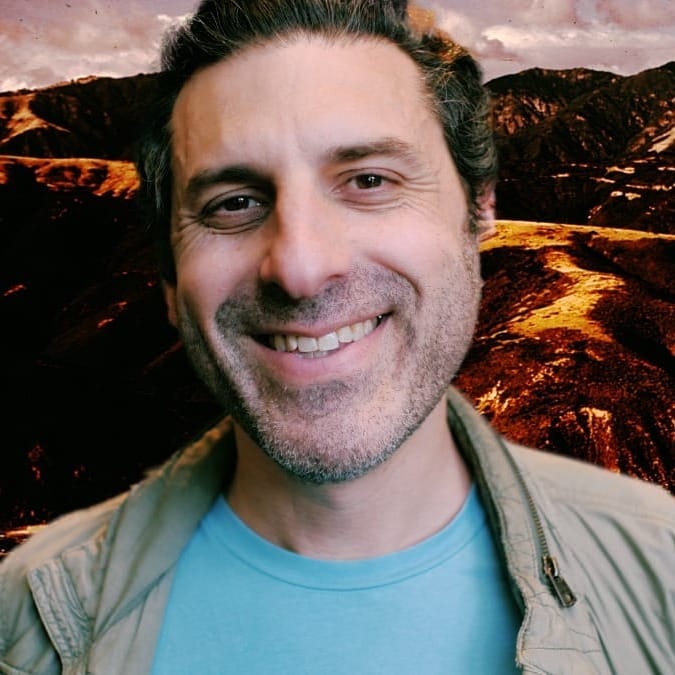
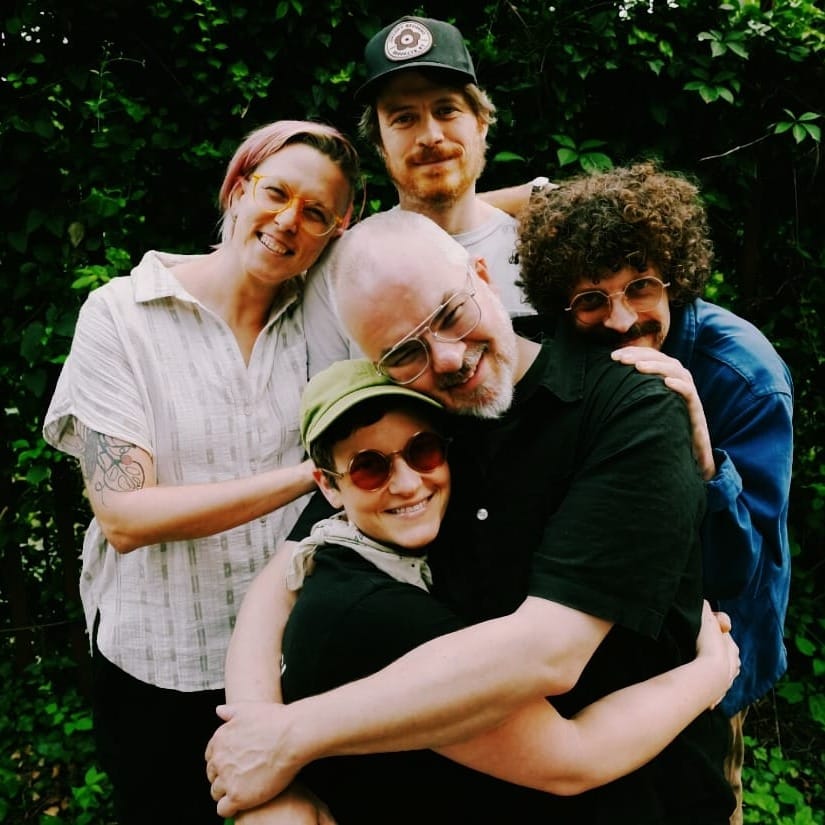
Close to the Edit With Crying Laughing
Christian Best and Jen Kirby of Crying Laughing talk through the making of ‘Talking,’ from Moondog’s melodic percussion to the Baltimore scene that delivered the rest of the band. Interview by Bill Cooper.
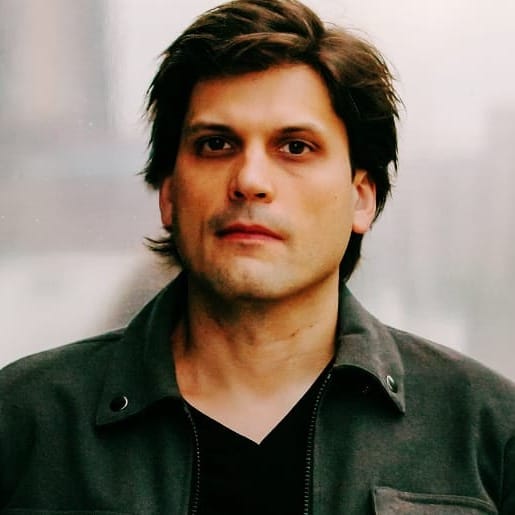
The Accidental Bandmates of deep glens
Brett Bullion on recording ‘carver’ from loops cut out of his own Max/MSP jams, grieving in widening circles, and touring with Autechre. Interview by Kallie Marie.
This Week’s Episode of The Tonearm Podcast
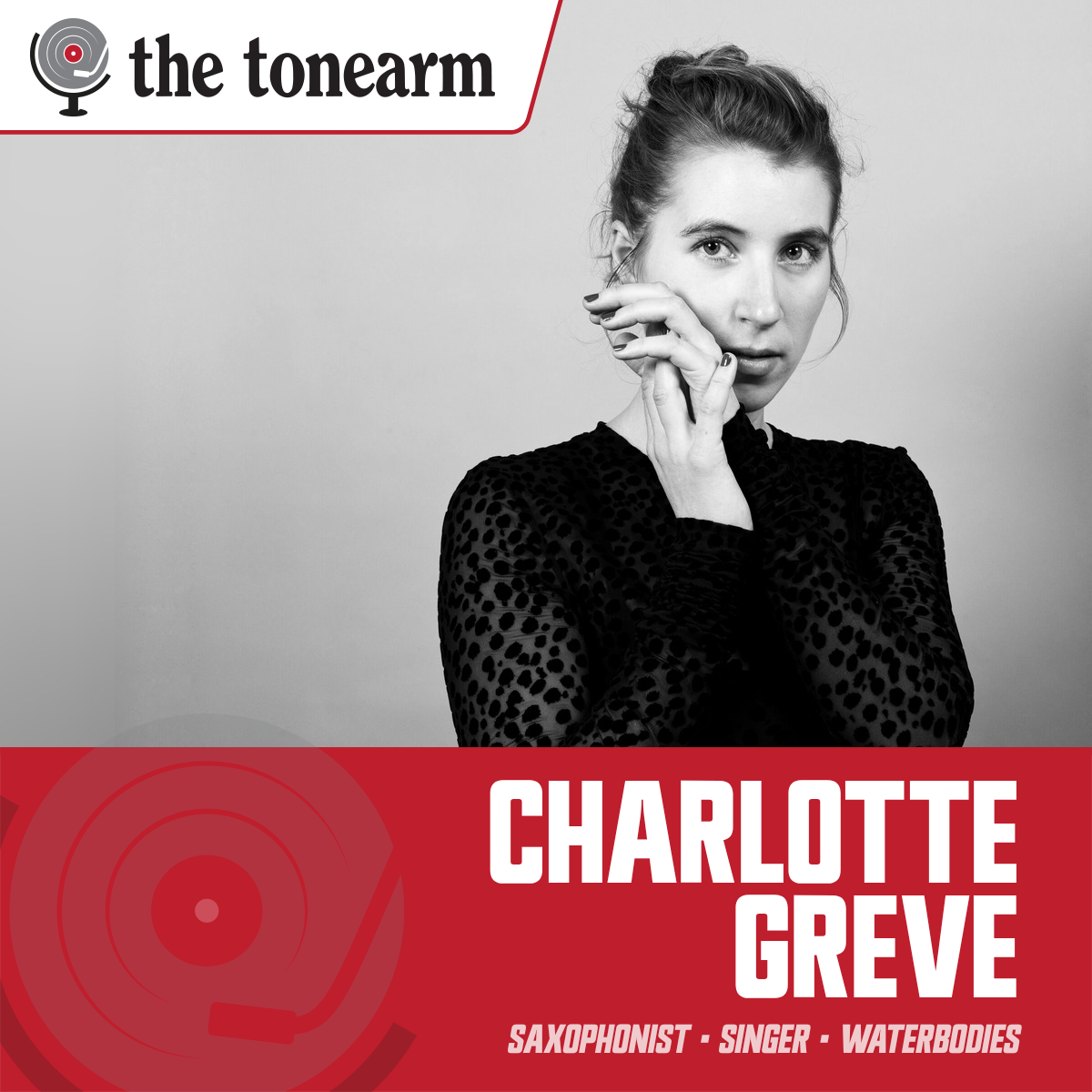
Charlotte Greve: Everything She Loves, Under Her Own Name
The Brooklyn saxophonist, composer, and singer joins us to discuss ‘Waterbodies,’ her tenth album, which brings ’80s power ballads, an orchestra, and a choir back to the one long saxophone tone where all her music starts.
The Hit Parade
“[Freddie] Jackson’s warm tenor was an instrument made for the so-called Quiet Storm era of R&B, when a lone satiny voice, a smoky saxophone and the shimmer of an electronic piano softly drifted over the airwaves of late-night radio in big-city markets.” ❋ “Tongue out like Gene Simmons, bass in hand as he snarled into an overhead mic like Lemmy, [Cronos] was a conglomeration of rock’s most intimidating figures to date.” ❋ “I didn’t believe it was him at first, but that was Chicago though; you walked down a street, and you’d come to a corner, and you’d find Muddy, Wolf, Little Walter, Sonny Boy . . . a blues giant doing his thing.” ❋ “We love the idea of sound, but we also love the idea of shaping sound into a form without polishing it or taking the edges off. We wanted weird sounds that someone could connect with. We didn’t want people to dislike the music we made, but we wanted them to question what they were attracted to.” ❋ “[Miles Okazaki] played every composition Monk ever wrote. On both nights at The Jazz Gallery in Manhattan, director Frank Heath filmed all four sets, 66 songs. No notation was used, just a setlist on the floor. Not a word was spoken.” ❋ “We’d get a structure going and David would be in the back with Post-it notes, writing lyrics. He’d be ready really quickly, and he’d be done on the first take. No guide vocals. It was absolutely mind-boggling.” ❋ “In 2022, Russia attacked Ukraine. The war changed everything. For example, now one of the key artistic themes for me is the question of ‘musical language in times of war.’ The possibility of continuing the development of musical language, avoiding its simplification.” ❋ “Max remembered that the organiser Michael Lang asked him to invite someone to set a peaceful tone for the growing crowd. Max suggested Satchidananda, who arrived by helicopter on August 15, 1969, and spoke after Richie Havens had performed.” ❋ “While [Maťkovia’s] lyrics address themes of alienation, loneliness, despair, and the absurdity of life in the age of ‘real socialism,’ Burlas never calls the Czechoslovak government out by name, only by subtext: When he sings of cows trapped in small, iron cages, on ‘Železné klietky,’ he’s not describing livestock.” ❋ “People were disappearing or being murdered, so it blows my mind that under a dictatorship with virtually zero news, poverty and police brutality there were kids with spiky hair brave enough to wear fake leather jackets and play with passion and fury.” ❋ “Western popular music is allowed to exist across a wide spectrum of genres, while the music of an entire continent is routinely shoehorned into this single category.” ❋ “Working organically, human artists insert their own selves. How they felt that day. Strange childhood sense-memories. The way only their hands can touch their medium. . . . AI can never push creativity forward because it has never broken a bone, grieved, or been loved.” ❋ “I spent more time making playlists than listening to music; I lost the ability to listen to a whole album and missed the physical connection with music. . . . I listen to records as an activity, but listen through tech more passively. It’s more like wallpaper than a work of art.” ❋ “And music contains infinities within infinities. There are albums I’ve been listening to for 40 years that I still hear new things in. Records are like rivers; you never wade through them the same way twice.” ❋ “The Honda Prologue has a hovering, suffusing melody, with a low rhythmic pulse and a subtle, epiphanic wash. It sounds like a computer game lifting you into heaven, or the arrival of benevolent extraterrestrial colonists. . . . In general, EVs sound like tinny spaceships, or a soulless rendition of a lone Brian Eno loop.” ❋ For more curated music links, be sure to follow The Tonearm’s feeds on Bluesky and Mastodon.
New Music Recommendations: IKSRE - In All Her Forms (Sound Meditations Vol. 2) (RIYL: sound-bath ambient for singing bowls, gongs, and voice; Laraaji, Hiroshi Yoshimura, Julianna Barwick) ❋ Koen Holtkamp - Nightlife (RIYL: modular-synth ambient pulled toward song by drums and reeds, somewhere between Chicago post-rock and ECM jazz) ❋ Miles Okazaki & Frank Heath - The Monkathon (RIYL: the complete Thelonious Monk songbook on solo electric guitar, from memory, as a four-part concert film) ❋ Norma Tanega & Aida Pavletich - Saturday Dancer / Ways Away / Run Runner (RIYL: home-recorded sampler-and-drum-machine song cycles, Laurie Anderson’s talking pieces, private-press cassettes) ❋ Resavoir - Above the Clouds (RIYL: wind-synth electronic jazz, Jon Hassell, Flying Lotus, cloud rap) ❋ Sulaf - ABA (RIYL: Sudanese and Nubian Sufi song for oud and synths, produced by Tinariwen and Imarhan’s Maxime Kosinetz)
The Deepest Cut
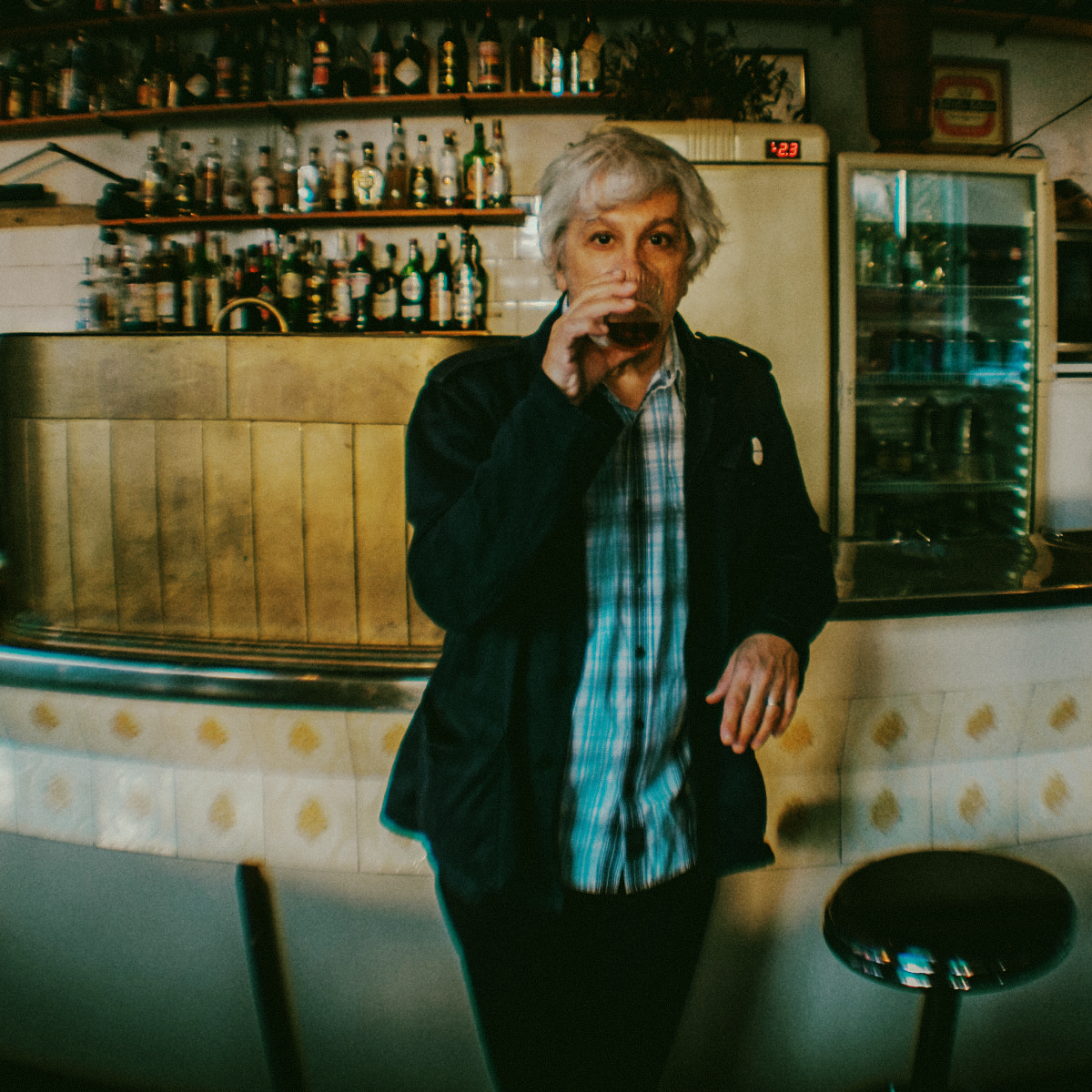
For five decades, Lee Ranaldo has employed an electric guitar as a power tool, a percussion instrument, and occasionally a guitar. His latest began as a commissioned score for Dutch filmmaker Joris Postema’s eco-documentary The System, which follows three climate activists up against what the press notes call “techno-fascist deathkultur.” That score surfaced quietly in 2025 in a longer, more filmic form. The System (Original Soundtrack), out now on Silver Current Records and on vinyl for the first time, resequences it, drops some cues, and brings back unreleased material written for the film.
This is a guitar record first and a soundtrack second: fifteen mostly instrumental tracks running from the Downtown grime of the opener, “Tajikistan (Nice to Meet You),” to a closing version of Bob Nolan’s cowboy standard “Cool Water,” dissolving into stacked harmonies and long-tail reverb. Along the way, Jim Jarmusch, cellist Leila Bordreuil, Brian Chase, Yonatan Gat, and Raül Refree each turn up for a track or three, and “Bergelmir” reaches back to Ranaldo’s 2019 drone summit with Jarmusch, Marc Urselli, and Balázs Pándi. It sits much closer to that kind of slow-burning improv than to anything with Sonic Youth. The music is also often gorgeous and, betraying its soundtrack origins, conducive to exploring one's headspace. It’s not exactly “Lo-Fi Music for Studying” playlist material, but The System has assisted in more than a few workdays in The Tonearm editorial (home) office.
I reached out to Ranaldo, curious about separating a score from its moving images, his relationship with the activists on screen, and whether he sees guitar noise as a political act. Plus, he gave me a two-wheeled answer to my usual request for something he loves.
“Rock” musician, visual artist, writer, composer, cyclist, family man. Hit it big with the rise of noise rock in the late ’70s/early ’80s, made a killing in the decibel trenches, overloading amps and wandering around the graves of Henri Matisse and Sun Ra. Treated delicate instruments, once nearly worthless and now somehow priceless, as though they were simple hammer and nails, tools, and used them as such, often dragging across the venue walls with no regard for tonality or harmony. Somehow allowed to subject audiences all across the globe to this sort of ecstatic assault. Not everyone’s cuppa, as you might imagine, but more than you’d think willing to swill the electric potion.
The music for The System: decorations around an uprising, watery thoughts, filigrees of hope and defiance. Homemade instruments in a time of mass production. Simple, personal, life-affirmation music for the revolutionary spirits standing on the front lines in our stead.
It is no longer a film; the images have been jettisoned. It now exists for the ears only. The LP builds its own world (hopefully), free of the eye, a more guitar-centric excursion than the original score, yellow and black and blue. The original film score edited into a new presentation, the addition of unused score sections replacing a long Piano Miner protest piece and some of the others. Spawned via Joris’s film, the audio sequences both adorn the images and (hopefully) still please the ears without. The film contains the complete score—some favorites were dropped, but the LP coalesces a new presentation of a specific selection of the tracks (thanks, Ethan [Miller]).
I did not meet any of the players in the film. The music WAS composed specifically, score-to-scene, free of the politics but of course tied to it, (hopefully) illuminating the inner workings of the characters and the immense undertaking at hand: SAVE THE WORLD. Immense, no? I was left free to interpret the scenes as I saw fit—it was quite an adventurous process for me—adding and subtracting layers, often begun with acoustic guitar figures and later redrawn with whatever instruments were at hand. The process was also a shakedown of a new private studio setup, born in one corner of the painting studio but now run rampant through the space. NPRX. No pricks. Only kicks. Subsequently have scored a Brazilian feature and an American short. In between and around the sessions, I began stockpiling tracks for my next album proper, which is off and running and perhaps the most exciting music I’ve personally done. Tune in next year on that front . . .
I never thought of guitar noise as a political act, not in 1983 and not today. I think of it—and always have thought of it—as MUSIC, even in its most base sandpaper-esque or deformed guises.
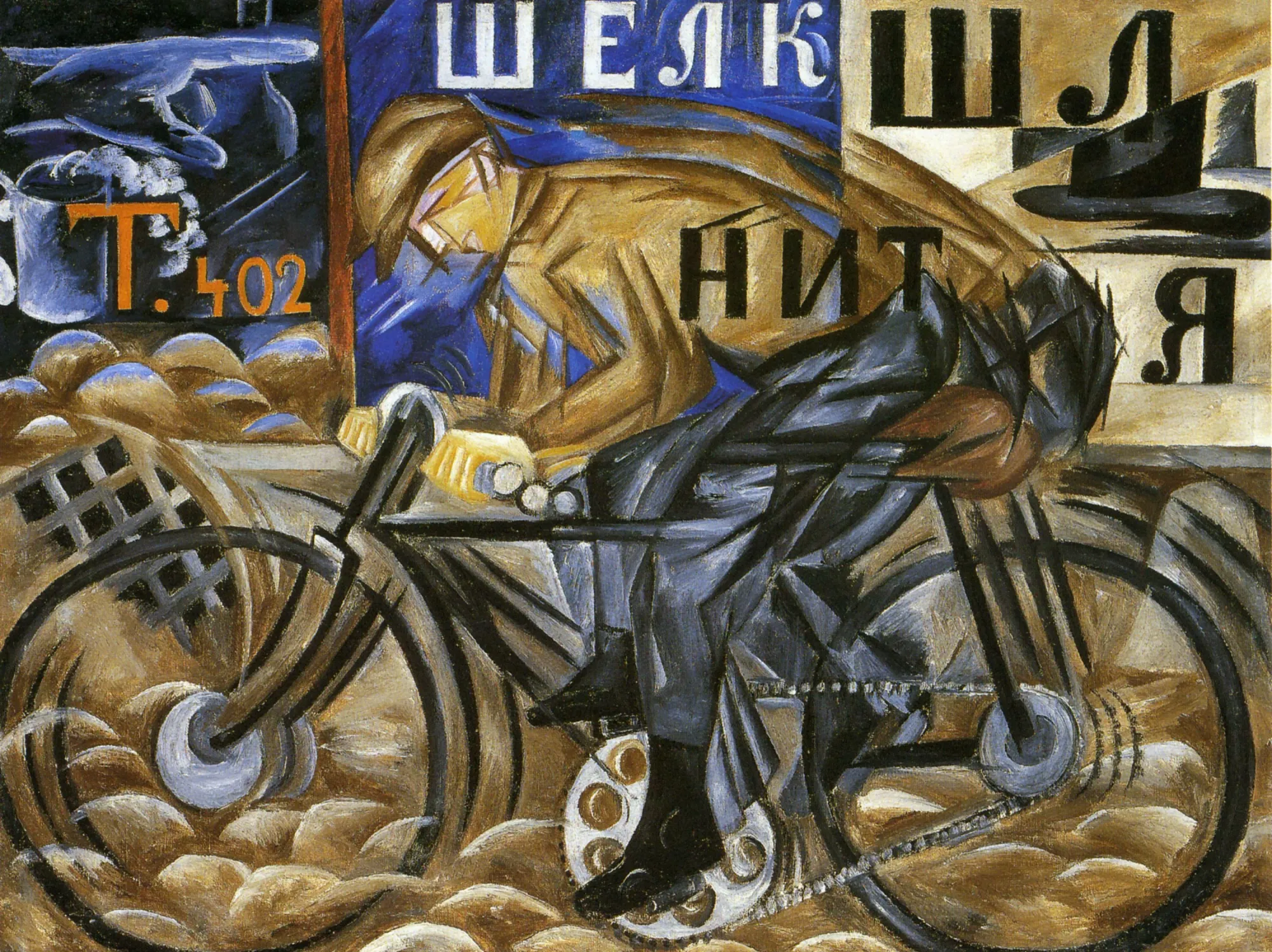
And here’s Ranaldo on something he loves:
I am addicted to cycling and fetishize bicycles as I once fetishized guitars (still do). As essential as breathing or strumming, the rush of the wind and the places two wheels and my own body can carry me remains a continued fascination and makes for fascinating adventures. I like nothing more than to explore a new place on a bicycle, riding the backroads and river roads and generally getting my ya-yas out. During recent extended residencies, the road bike has been my first line of exploration, feeling out new landscapes. Sometimes it’s head-clearing silent meditation, but also often joined in company by like-minded obsessives. Good for the soul.
The Run-Out Groove
- The Tonearm is a reader-supported publication, free of advertising and paywalls. Our supporters help fund our writers and make the site possible. Please consider joining and helping us to continue our mission.
- Join the rapscallions of The Tonearm on our new Slack community.
- Sign up to receive our latest articles directly to your inbox in a snazzy, easy-to-read email version. Just go to your account, manage your email preferences, and flick the lever to receive The Total Tonearm.
- The easiest and best way you can help us? Please share this newsletter and our stories with your friends.
Thank you for reading! We’ll see you again next week. 🚀


Comments