


Now Playing on The Tonearm:
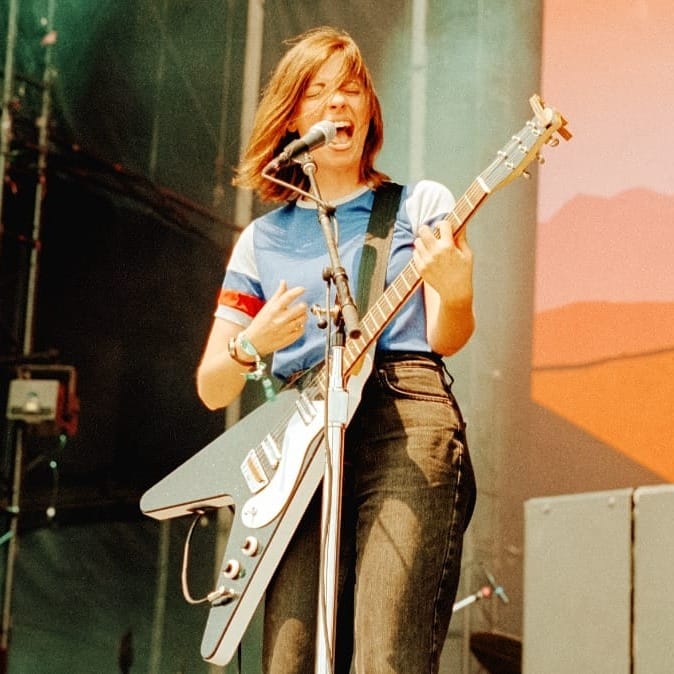
A Chorus for the Complicated — Julia Steiner of Ratboys
Ratboys frontwoman Julia Steiner discusses how 'Singin' to an Empty Chair' grew from a grief practice into a collection of bright, aching songs that never settle for just one feeling at a time. Interview by Meredith Hobbs Coons.
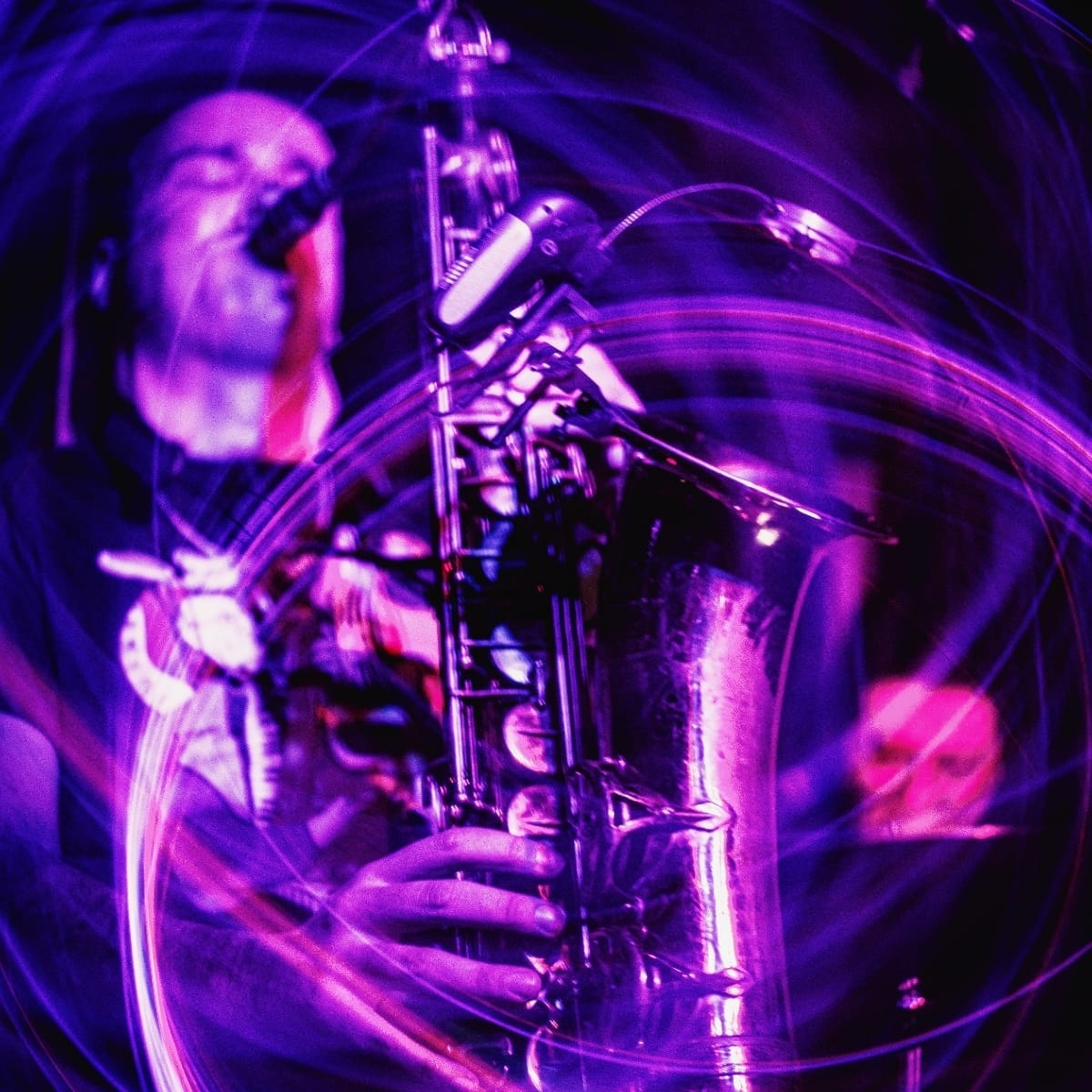
Shelf-Worthy — Patrick Smith and His Technicians of Tone
The Toronto saxophonist joins guitarist Dan Pitt and drummer Lowell Whitty on 'Words Underlined,' a live session cut in a beloved Toronto bookstore that became, almost accidentally, one of the year's most assured jazz records. Interview by Lawrence Peryer.
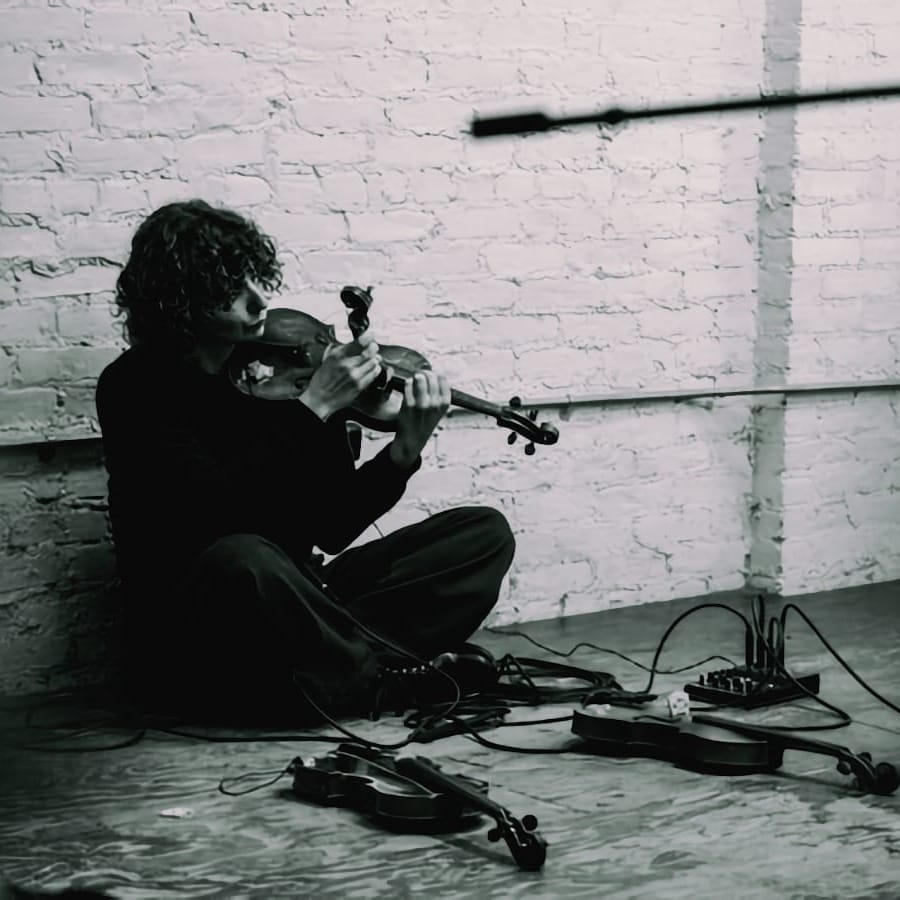
Singing Through Damage — Marija Kovačević's Broken Violin Series
The Serbian-born violinist discusses her 'Music for Broken Violins' series, her ongoing duo BUKA with Aimée Niemann, and the honesty of instruments that fall apart in one's hands. Interview by Khagan Aslanov.
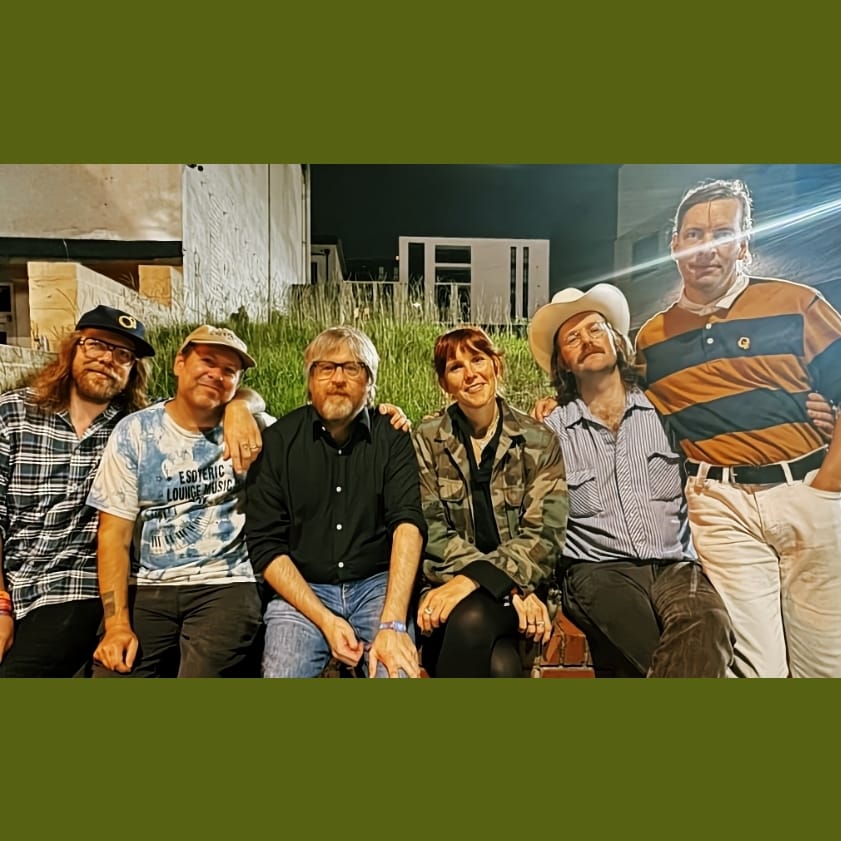
From Default to Deliberate — Learning to Listen with Winged Wheel
On their third album, 'Desert So Green,' the six-piece collective reflects on the slow build of musical trust, the discipline of leaving space, and what it means to stop defaulting and start deciding. Interview by Jonah Evans.

Graphical Jazz — The Unsung Canvas of Prestige Records
Bob Weinstock believed in treating music and album covers equally as serious art, and 'WAIL,' by Chris Entwistle and Mark Havens, reveals how that conviction produced a graphic legacy still being imitated today. Interview by Bill Kopp.
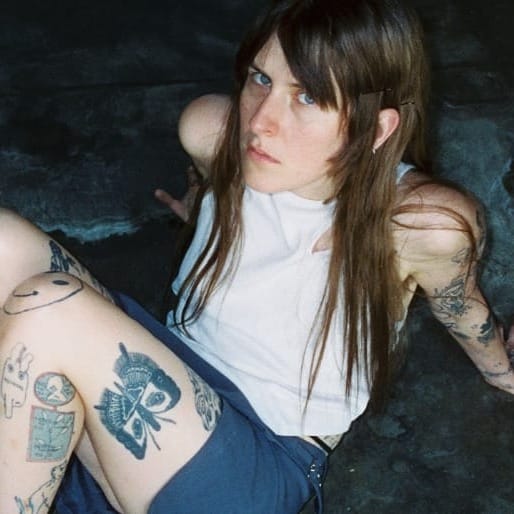
More Will Be Revealed — Lala Lala's Long Way to Stillness
On 'Heaven 2,' released this week on Sub Pop Records, Lala Lala traces the slow, unsentimental work of releasing control and learning to trust what gets left behind. Inteview by Arina Korenyu.
This Week's Episode of The Tonearm Podcast:

Erik Hall: Multitracking the Minimalist Aesthetic
The Michigan-based composer and multi-instrumentalist discusses Solo Three, his trilogy-closing collection of solo reinterpretations of works by Steve Reich, Glenn Branca, Charlemagne Palestine, and Laurie Spiegel.
The Hit Parade:
R.I.P. Willie Colón, Éliane Radigue, and Neil Sedaka ❋ "Favored by modern French composers, the instrument's national character extends to the players as well, and there has been a line of virtuosic pianists/ondists (the term for someone who plays the ondes Martenot) starting in the 1920s and descending down to today’s leading ondist, Christine Ott." ❋ "I wanted to replace that 'Hendrix was an alien' narrative with an engineering-driven account that’s inspectable and reproducible—plots, models, and a signal chain from the guitar through the pedals that you can probe stage by stage." ❋ “’He used to say, ‘How is it possible that they would steal from me? It’s me who made that song,’’ Belkis told when in one of a series of voice messages from Havana this past December, when she could, on days when blackouts weren’t preventing her from charging her phone. ‘He knew all about it. And all his life, he was trying to get his money.’” ❋ Radiohead Pizzeria ❋ When Andrew Dawson brings a sound system to Puji Temple in Tainan, Taiwan, for lunar new year celebrations, its deities keep watch. Behind the plywood speaker stack hangs a circular plaque of Caishen, the Chinese god of prosperity." ❋ "It was a reminder that variations are not merely a decorative form but also a kind of problem solving … each section challenges the composer, the performer, and the listener to approach the same material with a beginner’s mind." ❋ “Kuljit Bhamra smiles at the memory of his mother’s defiant words, which brought a flock of eager women onto the dancefloor, an unexpected act of liberation that would set the course for his own career in the UK-Asian underground and beyond.” ❋ “Linda Perry’s pitched-up voice shouting 'Hey-ey-ey' makes for a serotonin release or something, as I’m now doing jumping jacks and jump squats and I cringe and laugh at the absurdity of what can get turned into a sweat-inducing banger." ❋ "I realized this is what I'm going to write about, this is what I live right now. It's a war in my country. I felt that instrumental music maybe could deliver a message that words cannot." ❋ “The best thing you can do …”
New Music Recommendations: Caterina Barbieri & Bendik Giske - At Source (RIYL: I will only describe this as my favorite release of 2026 so far; enthusiastically recommended), Machinefabriek – Lijnverkenning (RIYL: sparse textural explorations where machines dictate their own logic), 微風ゾーン BifuuZONE – The West (RIYL: site-responsive ambient and architectural meditation), Will Dailey - Boys Talking (RIYL: classic rock/folk/pop craft like Jeff Tweedy or Kevin Morby), Hannah Marshall – Grazing (RIYL: Solo cello improvisation + 'pathways into noise and micro-tonality where melody and texture blur’)
The Deepest Cut:
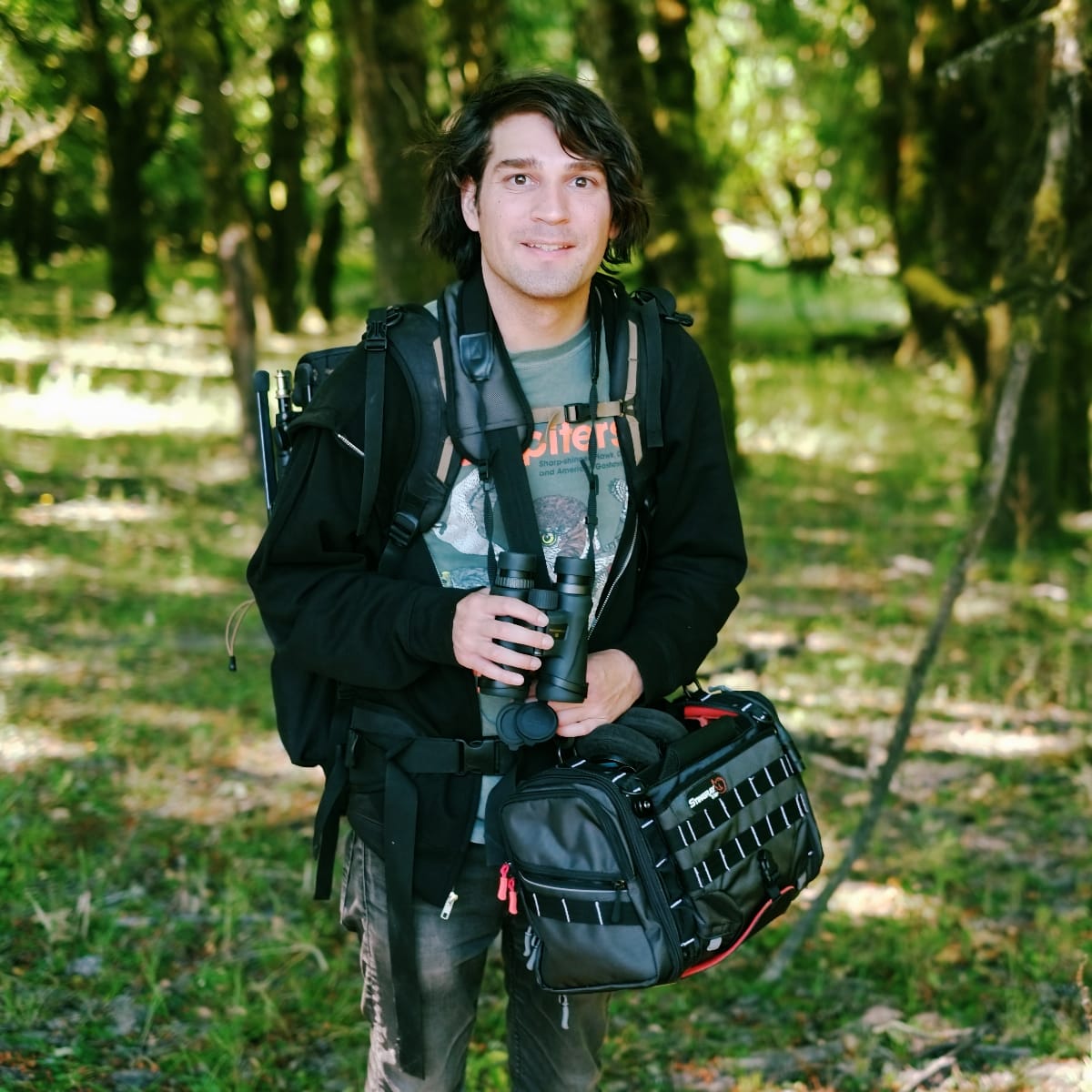
Ian Wellman’s Particulary Dangerous Situation, released on Colin Andrew Sheffield’s Elevator Bath imprint, is a hypnotically immersive listen, based on field recordings of a harrowing event. Upon receiving a National Weather Service red flag notification that the Santa Ana winds could trigger a ‘particularly dangerous situation,’ Ian gathered his field recording gear with no comprehension of the disaster to follow. This ‘situation,’ of course, quickly accelerated to the wildfires that devastated much of the Los Angeles area at the beginning of last year. I asked Ian to tell us about himself, this extraordinary album—which doubles as a humbling document of climate forces at work—and something he loves that more people should know about.
I am a sound artist based in Pasadena, California, who works with field recordings and tape loop manipulations to create drone music. My most recent album, Particularly Dangerous Situation, explores the experience of living through Southern California's recent catastrophic fires. On January 7th, 2025, during a Santa Ana wind event, some areas experienced up to 100mph winds. These winds eventually spread the flames of two massive wildfires, destroying thousands of buildings and forever changing many lives and communities. The album is built from recordings of these winds in various locations, from the leaves and branches of trees, to store signs nearly collapsing, to vibrational movements through metal objects. These wind recordings glue together more musical pieces, which build a narrative arc.
Wind has this immense physicality that can be felt, but only its reactions are really heard. When we think of wind, we think of all of these sounds associated with wind. They aren't the wind itself; it's always something reacting to the forces of the wind.
When I heard about the "particularly dangerous situation" alert, I was a bit skeptical that the storm would be much. The idea was simply to collect these sounds, at least to document this wind event. By using a double mid-side rig, sticking omni microphones in crevasses, and attaching geophones and contact mics to objects, I was able to capture variations in the wind.
After learning about all the destruction this storm caused, these recordings felt important to share as a long-form piece. Anything else wouldn't have given the situation proper agency. Though it doesn't feel great to relive the experience, we do need to talk about these kinds of events. We need to acknowledge how many lives this affected. If we can have the conversation about this event a year later, and bring it into the space of experimental music, this piece has done its job.
I am always questioning what is suitable to accompany the raw field recordings, if anything at all. I really wanted Particularly Dangerous Situation to be a fully field-recorded album, but the material had other plans. I was kindly asked by Halston Bruce and the late Garek Druss to be a part of Dronebath, an ongoing series that asks artists to make a 45-minute piece exploring bass and subsonics. I started composing this piece by arranging the field recording sections, then filling in the gaps with musical elements. The process was to find sounds that fit together while keeping bass as a big part of the palette.
The musical elements came together through a lot of trial and error, inputting different sounds from soft synths to the tape loop, and seeing how each track communicated and what arcs emerged from these sounds. Sometimes these tape loops break during the process, and it's back to the beginning with a new loop. Sometimes it's listening to a drone for a while and finally finding what comes next. It's very in-the-moment and based on feelings at the time.
Every chance I get, I love mentioning Lucien Castaing-Taylor and Véréna Paravel's 2022 film De Humani Corporis Fabrica. It's a piece of ethnographic cinema that explores human anatomy through surgeries and autopsies at several French hospitals, without narration or interviews. Filmed completely as direct cinema on tiny lipstick cameras, the viewer is constantly living in the moment and shifting to new places. Sometimes the subjects are very abstracted, and other scenes are extremely close and intimate. I really can't think of another film that gives a visceral experience quite like this one. Castaing-Taylor and Paravel have an equally disorienting, experiential film, Leviathan, about the North American fishing industry, shot entirely on GoPros, flung into the ocean, and strapped to people or poles on the ship. Ethnographic cinema continues to have a profound influence on my work, especially on Particularly Dangerous Situation.
Run-Out Groove:
Next week: Loula Yorke, a band called Armegeddon, Fågelle, Aukai, and more.
- The Tonearm is a reader-supported publication, free of advertising and paywalls. Our supporters help fund our writers and make the site possible.
- Join the rapscallions of The Tonearm on our new Slack community.
- Sign up to receive our latest articles directly to your inbox in a snazzy, easy-to-read email version. Just go to your account, manage your email preferences, and flick the lever to receive The Total Tonerm.
Thank you for reading! We'll see you again next week. 🚀


Comments