


Greetings, dear reader. Settle back for Talk Of The Tonearm, a weekly roundup of cool things that materialized on our site recently accompanied by my valiant attempts to connect these articles to larger themes. You'll also find a few quick recommendations, an invitation to our upcoming livestream, and a reason to visit Taos. I'm into it and I hope you are, too. Onward!
Surface Noise
"I've landed on the digital stuff isn't real," Craig Mod tells LP in a recent interview, not as some luddite manifesto but as a quiet acknowledgment of what we surrender to convenience. His ‘walking memoir,' Things Become Other Things, originated from walks through Japan, his feet measuring thousands of kilometers across ancient pilgrimage paths as his mind works and wanders, physical movement generating space where ideas form away from digital noise. Many of Craig's books are self-published (including Other Thing, made available this week) and rely on a most traditional means of distribution: the postal service. I share Mod's reverence for our postal system, this overlooked miracle that "teleports" objects across oceans for a fee. On the other hand, the internet offers instantness and negligible cost, but digital ephemera equals creative energy "evaporating" into servers that may not exist in fifty years. And, as Mod points out, there's something about physical objects that asks different things of us. A book demands we either give it our full attention or acknowledge we aren't really there.
"Unless someone really hates you and hunts down every copy and burns every copy, chances are that artifact is going to be in the world forever," Mod says about books, expressing a radical faith in permanence. This is a factor in vinyl's resurgence, despite the convenience of streaming, or in how 'analog' film cameras are making a comeback. These objects ask us to slow down and feel their weight and texture. For the writer, Mod says books "force you to collate your thinking because they are so final," a statement about creative commitment that our editable digital lives often sidestep.
A compelling aspect of Mod's work is how he shifts between digital and physical media without simplistic opposition. His digital newsletters and online community support and enhance his physical books rather than replacing them. His walking practice generates digital photography that later appears in printed form. He utilizes digital tools while accepting their limitations. This hybrid approach suggests something subtle about a relationship with technology—not rejection but recalibration, finding appropriate contexts for different modes of engagement. That is, digital for discovery and connection, physical for depth and remembrance.
 Lawrence Peryer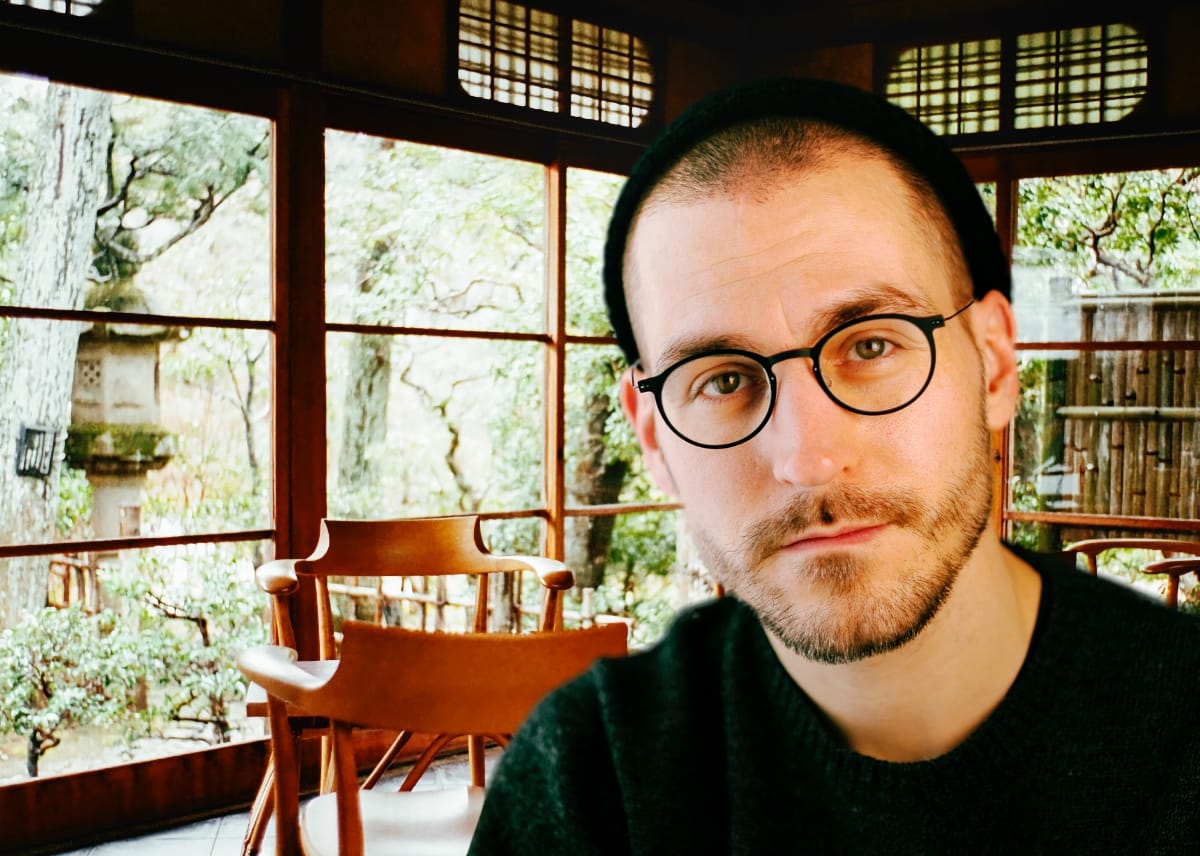
Playback: Joseph Branciforte of the independent label Greyfade is also a fan of books as physical evidence. LP spoke to Branciforte and Taylor Deupree about their collaborative album, Stil., which is accompanied by a lavish book containing scores and notes for the musical project.
Jerry David DeCicca's sixth solo album, Cardiac Country, arrives as an unintentional prophecy—the Ohio-born, Texas-transplanted songwriter wrote songs that unknowingly foretold a medical crisis (Jerry’s fine now, phew). Recording with pedal steel legend B.J. Cole, who contributed remotely from London, DeCicca recorded an album that balances anxious energy with spacious moments, his folk-country compositions alternating between foreboding lyrics and sun-soaked production.
In Sam Bradley's interview with DeCicca, the producer/songwriter mentions regional sonic signatures—how he can "hear allergies in people's voices from Southern Ohio" and distinguish singers' geographic origins by listening. He also notes how humidity affects instruments differently across regions, that diet and weather seep into sonic textures. Moving to Texas eleven years ago expanded his musical palette through access to different players, including Latin percussionists, who "hear music differently." DeCicca suggests that geographic isolation amplifies creativity—"when there's less to do, you're more concentrated"—explaining how the practical realities of cheaper rent and available practice spaces in the Midwest fostered an atmosphere for starting bands. Place still influences artistic expression in subtle yet unmistakable ways, particularly among artists operating outside commercial constraints. However, the internet, as a geographical flattener, threatens to dissolve the notion.
But streaming platforms create migration patterns invisible to traditional cultural geography. A listener in Helsinki might follow algorithmic breadcrumbs from Texas country to Jamaican dub (which DeCicca references when discussing how humidity affects instrument tone). These unlikely connections form new regions defined by data rather than dirt, even as the music itself remains stubbornly rooted in physical places with their distinctive landscapes and cultural eccentricities. It's also common for artists to deliberately embrace their geographic roots as a form of distinction in an increasingly homogenized marketplace. A machine that could erase regional differences has, instead, cultivated a new appreciation for them.
 Sam Bradley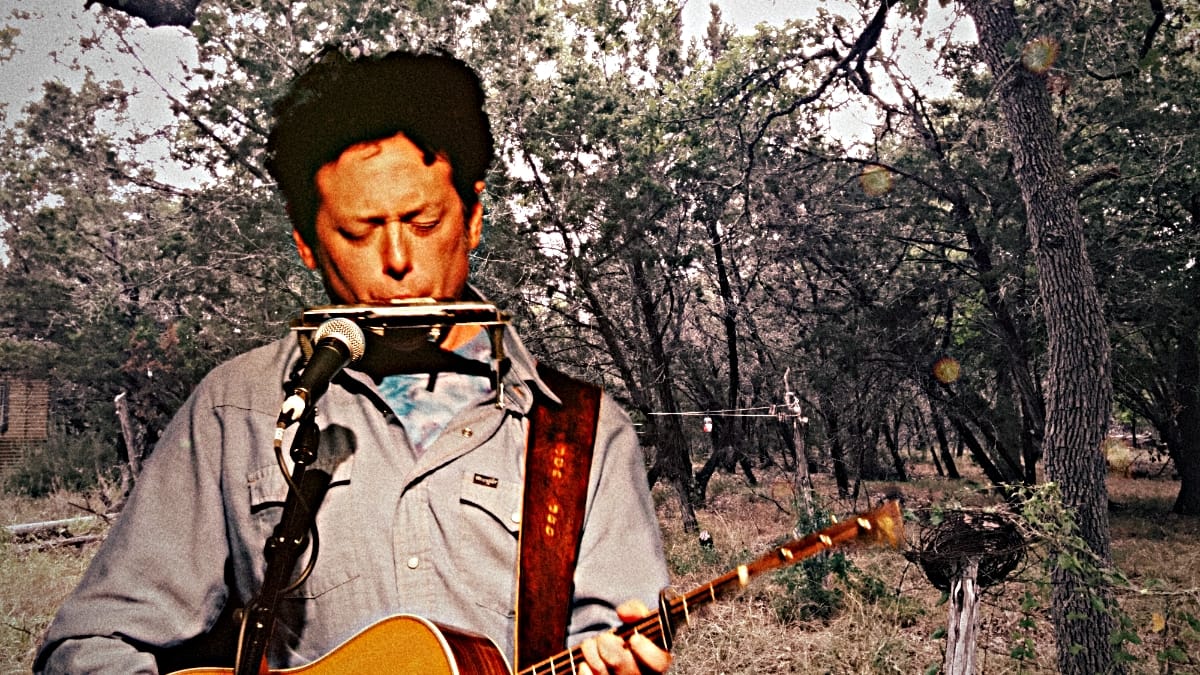
Playback: In a conversation with Mehmet Ali Sanlikol, the composer describes a musical awakening inspired by a Turkish folk song that defied Western tonal understanding. He notes, "Those musics from the Middle East... have a hidden verticality. They're more horizontal." It's an example of how a unique geographic context produces sonic qualities that resist translation into other musical languages.
For 25 years, the Montreal quartet Quatuor Bozzini has employed a "super democratic" structure that's fundamental to their sound, their survival, and their entire artistic ethos. While classical music often replicates the same power structures it was born into, Bozzini inverts everything: sound rises from the bass upward, administrative tasks rotate among members, and every artistic decision faces collective scrutiny. I admire how they've maintained both this democracy and their genuine affection for one another through touring's psychological pressure cooker. But the members still contribute musically as individuals. Violinist Clemens Merkel refers to a chamber music teacher who said players must "leave their personality in the wardrobe" to perform effectively. "Not only wrong," he called it, but "stupid because you have to profit the maximum from everybody's personality."
Our culture is fixated on individual genius, and most artists fight for recognition as the singular visionary. Bozzini's quiet persistence that four personalities might create "something larger, better, more beautiful" through their combined presence feels radical. This innovation finds one of its clearest proponents in British composer Cornelius Cardew, whose Scratch Orchestra (1969-1974) deliberately collapsed the distinction between trained musicians and amateurs, composers and performers, leaders and followers.
Quatuor Bozzini operates in a more specialized realm than Cardew's inclusive experiments, yet their democratic ethos produces similar results. Their unusual practice of building sound "from the bass up" (rather than following the traditional primacy of first violin) directly reflects their organizational structure, where, as Isabelle Bozzini explains, "we're co-directing." This inversion transforms what we hear—listen to their recordings of Jürg Frey's string quartets, and you'll notice how the foundational tones rise from below, creating music that feels collectively generated rather than hierarchically organized.
 Lawrence Peryer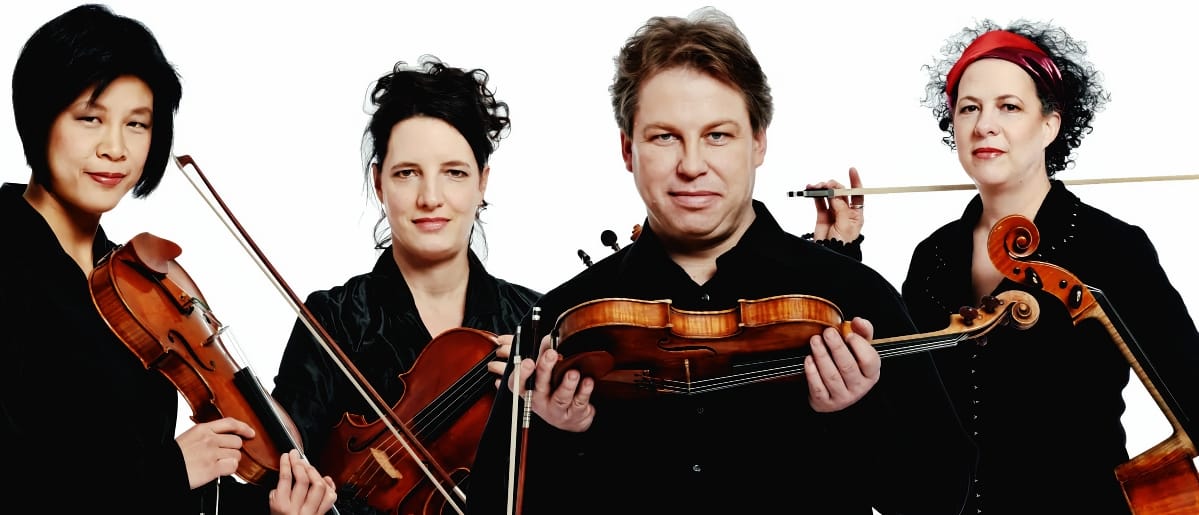
Playback: Hunter Noack's "In a Landscape" concert series also embodies democratic principles by bringing classical music out of exclusive concert halls and into public spaces. In our interview, Noack specifically mentions drawing inspiration from the Depression-era Works Progress Administration (WPA), which presented concerts "in what I believe are our most democratic spaces, which are our public lands."
The Hit Parade
- The Cannes Film Festival is happening, and I’m soaking in all the new movie trailers. So far, the two that I’m most excited about are Bi Gan’s Resurrection and Richard Linklater’s Nouvelle Vague. The former is the long-awaited follow-up to my favorite film of the past ten years, while Linklater’s just looks like a ton of fun. The casting, in terms of resemblances of the actors playing the roles, is impressive.
- Yesterday was the great Dennis Hopper’s birthday. One way to celebrate the occasion is by listening to Mike Scott of The Waterboys talking about his admiration and musical inspiration from Hopper on the latest episode of the Spotlight On podcast. Then you should listen to The Waterboys’ latest, Life, Death and Dennis Hopper. I’ll have more on Mike Scott in next week’s newsletter.
- Short bits: The Feelies’ glorious cover of Patti Smith’s “Dancing Barefoot” finally hits Bandcamp. What’s going on at SoundCloud? Sadly, Andrew Weatherall’s studio gear is for sale. Also sad, Steve Albini’s music and ephemera collection is for sale. No jet packs, but we’ve got mosquito lasers.

Our Next Livestream Event
On Tuesday, May 20, at 1:00 PM ET / 11:00 AM PT, Spotlight On's Lawrence Peryer will host a livestream exploring how we can save the spaces where new music is created.
In 2025, a developing artist needs to sell 1,000 tickets just to break even on a regional tour. Most independent venues can't risk booking acts without guaranteed draws, and these artists get stuck in a catch-22: they can’t tour without an audience, and they can't build an audience without touring.
Tuesday's livestream tackles this equation from three angles. Cat Henry runs Live Music Society, which has helped keep 180 small venues open since 2020. Liza Levy at Salt Lick Incubator works directly with artists to build sustainable careers. And Tom DeGeorge connects venues through D-TOUR's independent network.
The discussion will cover current touring economics (the real costs that nobody talks about), how venues evaluate unknown artists for booking, collaborative touring models that reduce risk for all parties, grant strategies, and resource sharing between organizations.
We will also get into our guests’ test case: the One Night Live tour, which launched on May 16 in Miami. Three artists, 14 venues, shared backing musicians, and financial support for venues taking chances. It's not theoretical, it's happening now.
This matters if you're in artist development, venue management, music journalism, or you simply want to understand why your favorite local spot struggles to book new artists.
Please join us this Tuesday afternoon for a compelling and informative discussion. Learn more and register for this free event now.
Deep Cuts
We just published an interview with Chaz Underriner, a composer who drew inspiration from the Atchafalaya Basin and Florida's manatee-abundant Blue Springs for his latest work, Moving. He generously told us about something he loves that we should check out:
I love the work of painter Agnes Martin. I just got to see her 7-piece installation in Taos, New Mexico, at the Harwood Museum of Art, and I was moved by it. The Agnes Martin gallery is often compared to Rothko Chapel, which I’ve visited many times. I find Rothko Chapel to be a very heavy, somber, and transcendental space. The Martin gallery, though, gave me an uplifting, positive feeling that lasted for over a day. The paintings soaked into my vision so I kept seeing them for almost a week after, and contrasting them with what I usually see every day. I want to do a piece sometime that explicitly deals with her work.
Quick note: I just realized Taos, New Mexico, is where Dennis Hopper is buried. As if sprinkled with magic, our newseltter ties it all comes together.
Run-Out Groove
Thank you for reading and subscribing to the Talk Of The Tonearm. Putting this little newsletter together has become a highlight of my week, and I'm glad you're along for the ride. As always, let me know what you think and if there's something you'd like to see included here. And please share this newsletter with one rad friend—that's a gesture that means a lot to those of us embedded here at Tonearm HQ.
Buckle up. It's starting to get warm. Stay cool (in every sense of the word) and I'll see you next week. 🚀
Connect with The Tonearm:


Comments