


On Friday night, some kid ran up our driveway, shirtless and wearing bright orange shorts. "What are you?" we asked. "I'm a ghost!" he yelled. Perhaps your Halloween was just as eventful and fun, but now it's time to switch gears to this week's Talk Of The Tonearm newsletter. There's so much great stuff happening below the fold, including LP blessing us with his thoughts on the new Fela Kuti podcast series. I think you'll enjoy this one. Let's get this party started.
Queued Up
Kronos Quartet's David Harrington on Listening Through the Storm
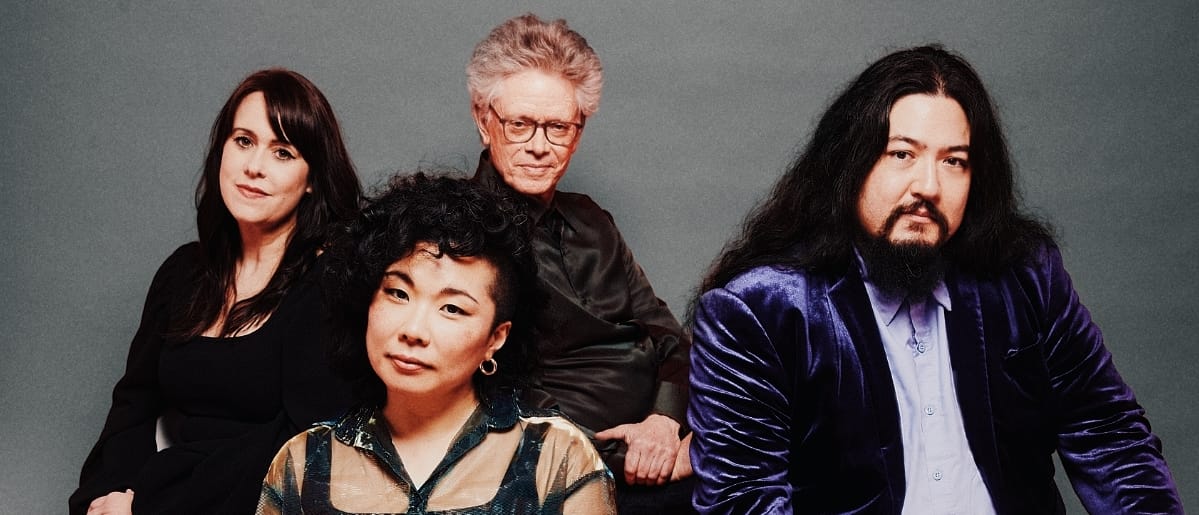
David Harrington is a master storyteller. After being a member of Kronos Quartet for fifty years, no doubt you'd be filled with stories, too. Our interview with Harrington on Kronos's latest ambitious project, Hard Rain, captures many of his incredible tales—and they're not all about Kronos Quartet. His retelling of Mahalia Jackson's influence on Martin Luther King Jr.'s "I have a dream" speech is particularly inspiring, especially when Harrington interprets it as a call-to-action for those of us who make art. "That's what Mahalia Jackson did," Harrington says. "She was a musician using her gift not for herself, but for her friend, for the movement, for humanity. That's the commitment that matters." I think this is among my favorite interviews published on the site, but I must say that if you want to hear all the fantastic stories and valuable insights about the quartet itself, you should listen to Lawrence Peryer’s complete conversation with Harrington on the podcast episode. You'll be glad you did.
Plowed Under by History — Ted Hearne's 'FARMING'
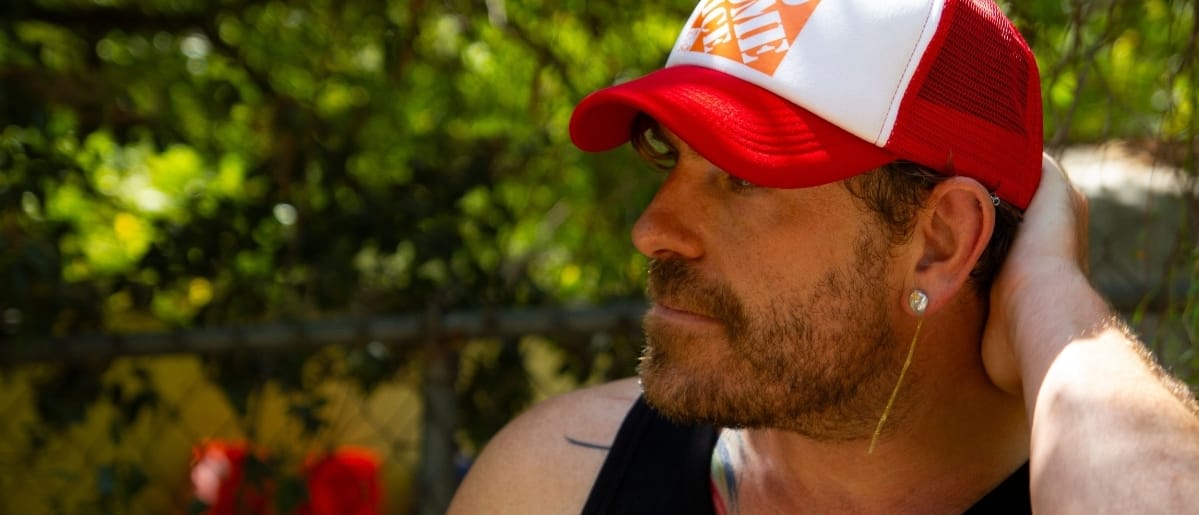
George Grella debuts on The Toneram with an examination of Ted Hearne's album FARMING, inspired by a chat with the composer behind its piercing concept. Hearne composed his piece for the vocal ensemble The Crossing and premiered it in Bucks County, Pennsylvania. Says Hearne, "The origin of the piece comes from working with that ensemble—they commissioned it with the idea of writing a piece to be performed on a working farm that deals in some way with 'farming.'" However, this isn’t a simple definition of ‘farming’; location holds additional meaning. Bucks County was the site of the Walking Purchase, where the land of the Lenape people was handed over to settlers through unsurprisingly dubious means. Hearne ties in William Penn, the state's namesake, with Jeff Bezos, positioning them both as individuals who exploit people and resources for their own gain. He juxtaposes the pair's words in the piece, finding it "interesting to start looking at their writings and their speeches and putting these words next to each other." This exposes the continuation of a darker side of 'farming,' or extracting from a land that was never really ours. After that hits you, also check out choreographer Adam Weinert's tales of dancers training for a recital by farming at Jacob's Pillow.
Farmer, Activist, Emcee — LXOR's Alchemy of Personal Reckoning
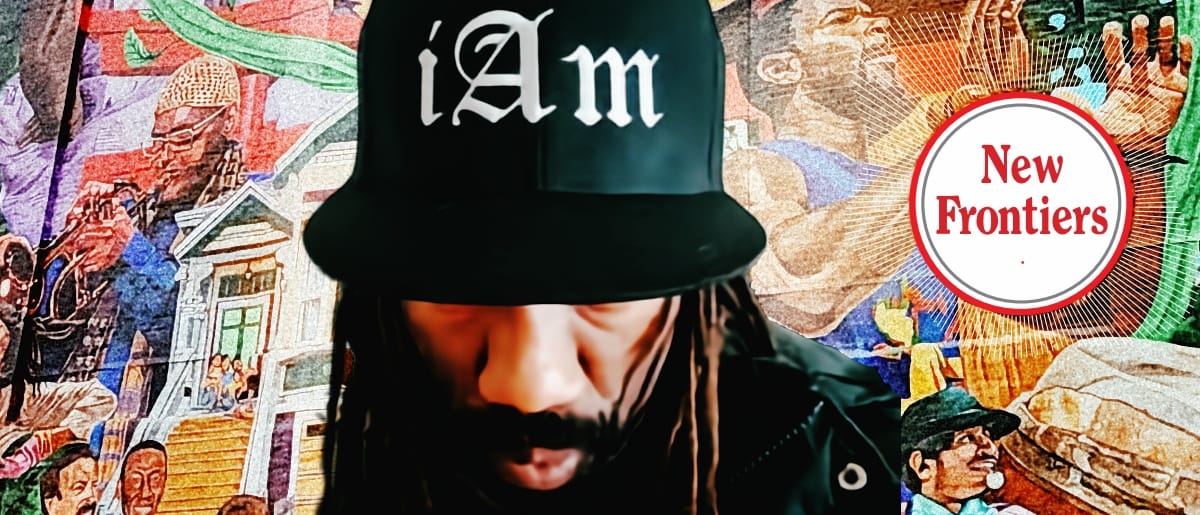
Tending the earth is a theme of sorts this time around. Beyond Ted Hearne's artistic digital plowshares, a connection between hip hop and organic farming appears to exist on the sidelines. I suspect much of it comes from learning to grow fields of cannabis, expanding into veggies, and all kinds of other goodness. LXOR isn't the first person Gabriel Kennedy has mentioned to me who adopts the rapper/farmer moniker, and I doubt he will be the last. I should encourage Gabriel to develop an article about this fascinating and admirable subculture. In the meantime, LXOR is in rural Oregon dropping rhymes, cultivating podcasts, and farming the land. The veg provides the message: "I got more interested in low-scale backyard food cultivation … as a means of resistance against inaccessibility to healthy organic food." Word up. Need I remind you that M. Sage also spoke to us about farming and some shared incentives, although his motivation seems to lean toward solitude.
Listening from the Heart — Hirons' Emotional Portfolio

Jenny Hirons, recording as Hirons, creates these glow-tastic pop songs that remind me of the bouncier stuff on the Eno/Cale album from years back. They're all dipped in art, and obviously so, but the hooks are what give off a shine. Arina Korenyu gave Hirons a ring and the two had a lovely discussion about the new Future Perfect EP and the rocky self-discovery road that led to its luminance. These are break-up songs, but also "I can't quit you" laments to the pressures of a grueling day job and our old friend, late-stage capitalism. Hirons says, "When I wrote 'Being the Cause'—the song about capitalism's hold on our lives—I was feeling really strung out by my job." But the song is buoyant and rebellious (especially when Hirons hoots endearingly in the mid-section), lending all of us a little hope for something new and shiny right around the corner.
Lost in the Quiet Revolt of Squanderers
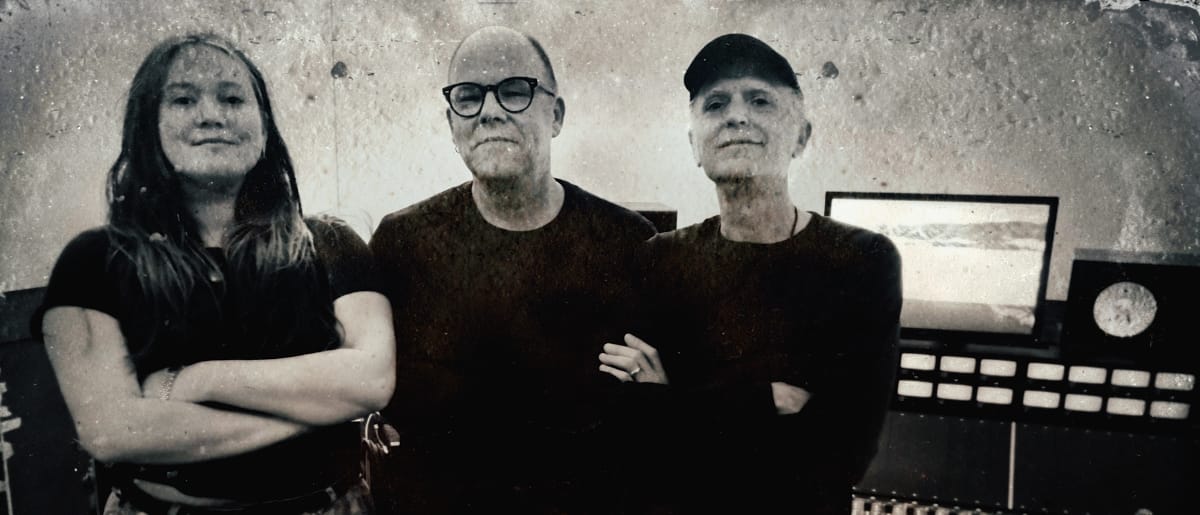
Pals making music together is a common theme on The Tonearm (and, in a way, we're a bunch of pals making a website together), which brings us to Squanderers. The pals in question are David Grubbs (guitarist extraordinaire, Gastr del Sol), Wendy Eisenberg (guitarist extraordinaire, via Tzadik and many others), and Kramer (bassist extraordinaire, producer of many of your favorite records), The new album, released on Kramer's venerable Shimmy-Disc, is Skantagio, a term inspired by both water depth and Tony Conrad. Steven Garnett was able to wrangle the three for a round of question-answering that warmly gave context to the album's friendship-powered recording session. Says Grubbs, "Skantagio consists of recordings from after a heavy lunch, with us satiated and also feeling good about what was in the process of unfolding socially and musically." The album is sparse but fans out in layers, replete with intertwining guitar lines and melodic communication improvised into heartfelt music. It sounds like friends, camped out in the countryside, glowing in the aftermath of full stomachs and creative finger-promises. Yum.
A Shout from the 'Sky
Outside Track
With this recommendation, Lawrence Peryer is responsible for adding another podcast to my bursting-at-the-seams queue. Fela lives, indeed. Take it away, LP.
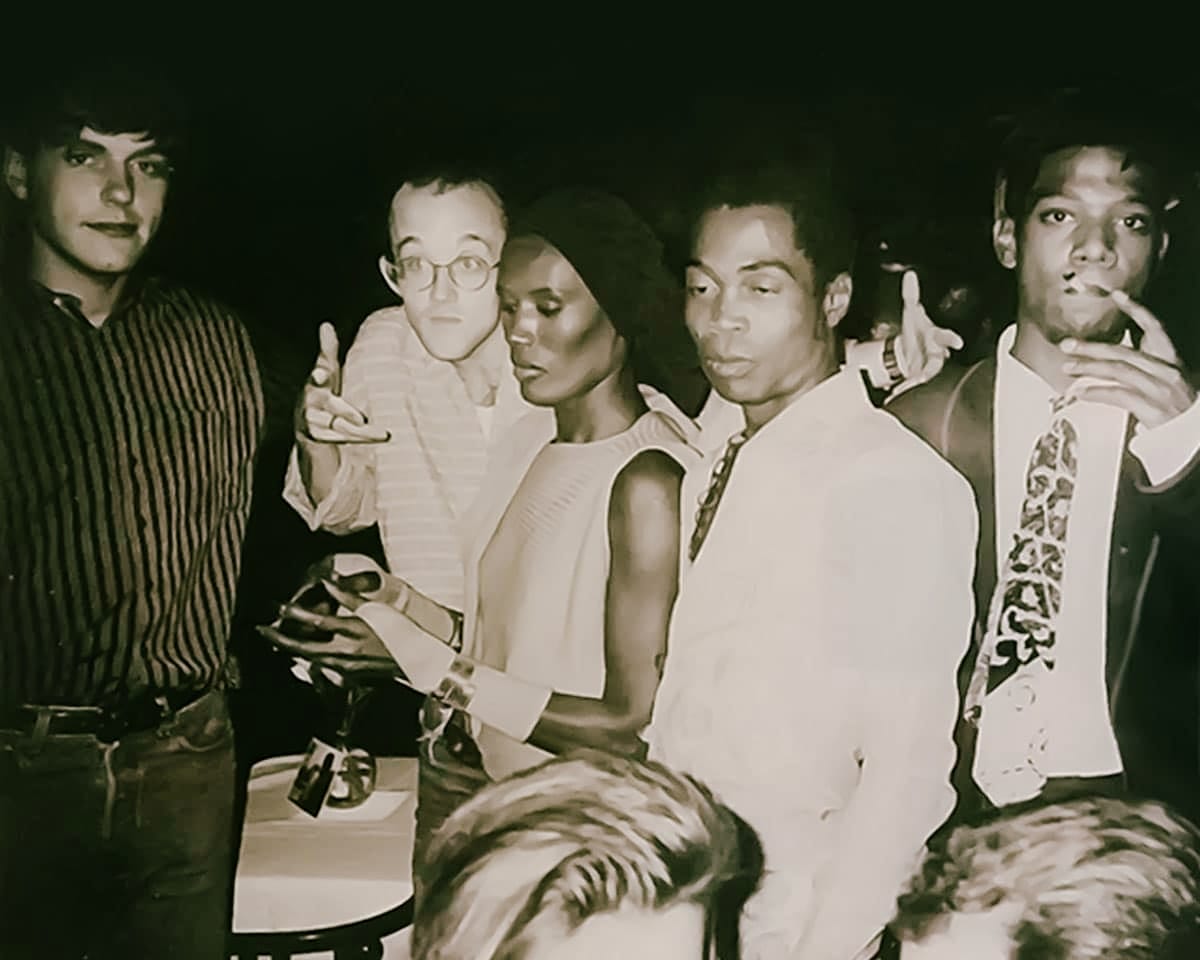
Sometimes Big Media delivers. And media does not get much bigger than the combination of Higher Ground—Barack and Michelle Obama's production company—and Audible, Amazon’s spoken word outlet. The two companies have a stellar new project out, Fela Kuti: Fear No Man, a twelve-episode podcast series hosted by the Radiolab alum Jad Abumrad.
The series opens with Dele Sosimi weeping as he recounts his father's murder, then shifts to euphoria as he describes performing with Kuti's Egypt '80 band. This is just the type of intimate and intense story Abumrad surfaces from people around the Nigerian musician who created Afrobeat music.
Fela Kuti emerged during Nigeria's post-independence era, when initial optimism about freedom from British colonial rule quickly soured. Oil money created new forms of corruption, and the ruling class remained beholden to foreign interests. Kuti became the thorniest of thorns in the side of the regime by viciously challenging his country's military rulers. His music attacked Nigeria's military dictatorship so directly that it was banned from radio and led to his endless arrests, beatings, and more. Police raided Kuti's compound in 1977, burned it down, and threw his mother, Funmilayo Ransome-Kuti, from a second-story window. She died from her injuries. Kuti responded by placing her coffin on the doorstep of a government building.
I won't spoil the story if you don't know it (there is a whole episode dedicated to her), but Fela's mother had her own role as an agitator and freedom fighter dating back to his youth and was an important figure with a lasting legacy in Nigeria. She was the first of many important women in his life, and women were the subject of numerous current controversies about him. His 1978 marriage to 27 women simultaneously (backup singers and dancers from his band known as the Queens) raises uncomfortable questions about his treatment of women, though he defended the action as part of a tribal custom of marrying village women who were abandoned or otherwise left vulnerable—it being the role of the powerful local chief to protect the weakest in his territory. Fela paints the mass marriage more like what we would call adoption or sponsorship. He claimed not to consummate the marriages. These women were all artists and performers who helped shape his sound through their choreography and call-and-response vocals, yet they've been largely erased from his legacy.
Abumrad interviewed over 80 people for the series, and the litany of voices featured includes Nobel Prize winner Wole Soyinka, Black rights activist Sandra Izsadore (who introduced Kuti to Malcolm X's politics), bass player Flea, drummer Questlove, rapper Jay-Z, producer Brian Eno, and President Barack Obama. Best of all, the series boasts the sophisticated sound design one would expect from Abumrad, “immersive” in the best sense.
This podcast arrives at a time when artistic resistance feels particularly relevant. Fear No Man would have been worth the listen whenever it was released, but it is particularly vital right now.
The Hit Parade
- This week's episode of the Spotlight On podcast features an engrossing conversation with Australian trumpter player and sound artist Peter Knight. Knight is part of the ensemble Hand To Earth, who record for Lawrence English's distinguished Room40 imprint. The latest album, Ŋurru Wäŋa, incorporates Korean poetry and the Wáglilak language via group members of heritage. The result is a project looking forward through the process of referencing the past. Tune in to the discussion and get ready for a big announcement later this week regarding the Spotlight On podcast.
- Short Bits: "[Jack DeJohnette's] approach, which could be hushed or explosive, swinging or fiercely funky, built bridges between the old and the new." Here's a gift link to the NYT's extensive Jack DeJohnette obituary. • Takuya Nakamura DJs a jazz-jungle set (with live trumpet) in the middle of a rice field. Be sure to check out the other videos in this channel. • Tony Visconti discusses the making of David Bowie's Blackstar and the contributions of friend of The Tonearm Donny McCaslin. • "There’s been a boom in high-end, intimate listening spaces in New York … While many are bars and restaurants, the Hot Club is distinguished by two things: it’s a nonprofit and only plays shellac 78s." (NYT gift link)• This long article on Hüsker Dü gave me, as the kids probably no longer say, all the feels. • clipping. on the Tiny Desk Concert is my new jam. Don't miss Kid Koala's turntable solo at 19:00. 🤯
Run-Out Groove
Thanks for reading our humble newsletter! Feel free to share it with your pals or copy the 'View in browser' link at the top and post it all over your social media feed like graffiti. If you have any comments or questions about what you just read, or ideas for what should go in here, reply to this email with your valued thoughts. You can also contact us here.
I feel like giving you a hug, dear reader, so I searched for an ASCII art hug. I received this monstrosity: (づ。◕‿‿◕。)づ Take that as you may, but know that we here at The Tonearm HQ appreciate you. Have a pleasant week, enjoy the earlier sunrise (if you're affected by the time shift), and tackle just as much as you can with flexible determination. I'll see you again here next week. 🚀
Connect with The Tonearm:


Comments