


Now Playing on The Tonearm:
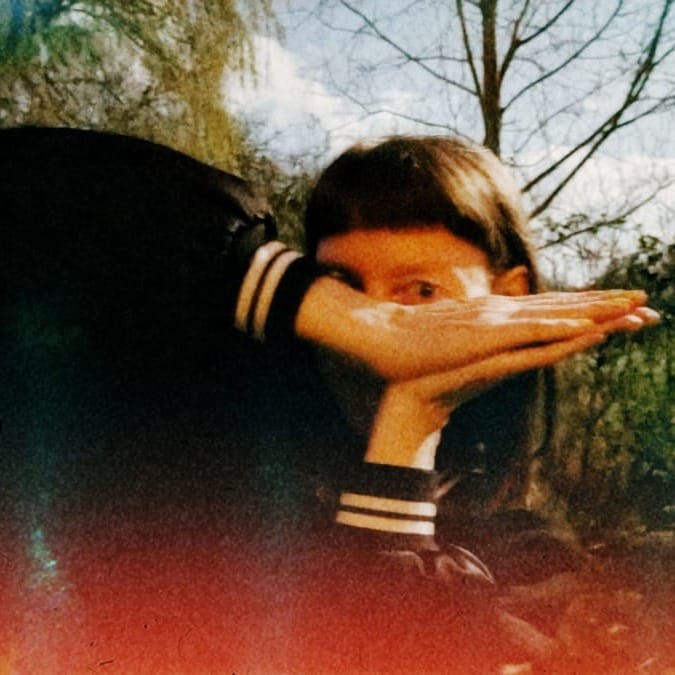
Wildflowers and Waveforms — Loula Yorke's Electric Commons
From squat parties to a cottage on a wildflower common, Loula Yorke has built a practice around beauty, ecological dread, and the feminist history that 'Hydrology' quietly carries forward. Interview by Carolyn Zaldivar Snow.
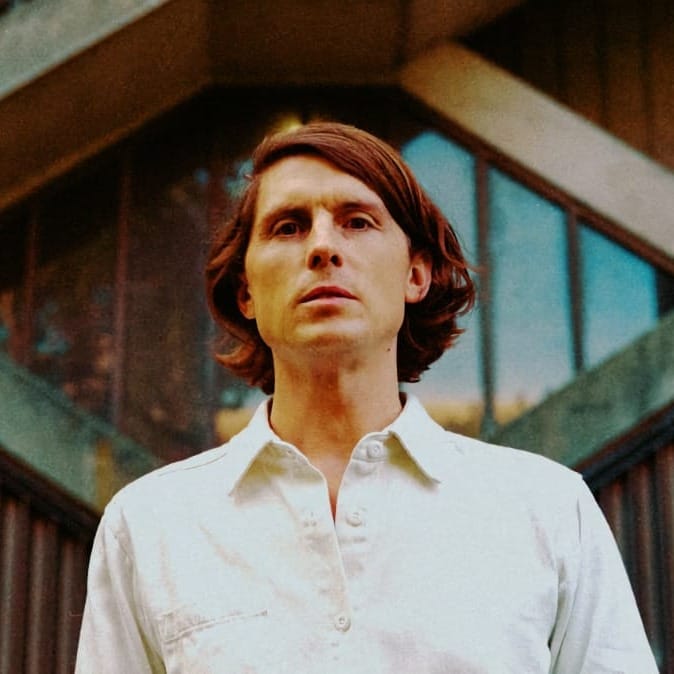
The Solitary Ensemble of Erik Hall's Minimalist Trilogy
Erik Hall's 'Solo Three' closes his minimalist trilogy with works by Glenn Branca, Charlemagne Palestine, Laurie Spiegel, and Steve Reich, each part performed and layered entirely by Hall alone in his Michigan home studio. Interview by Lawrence Peryer.
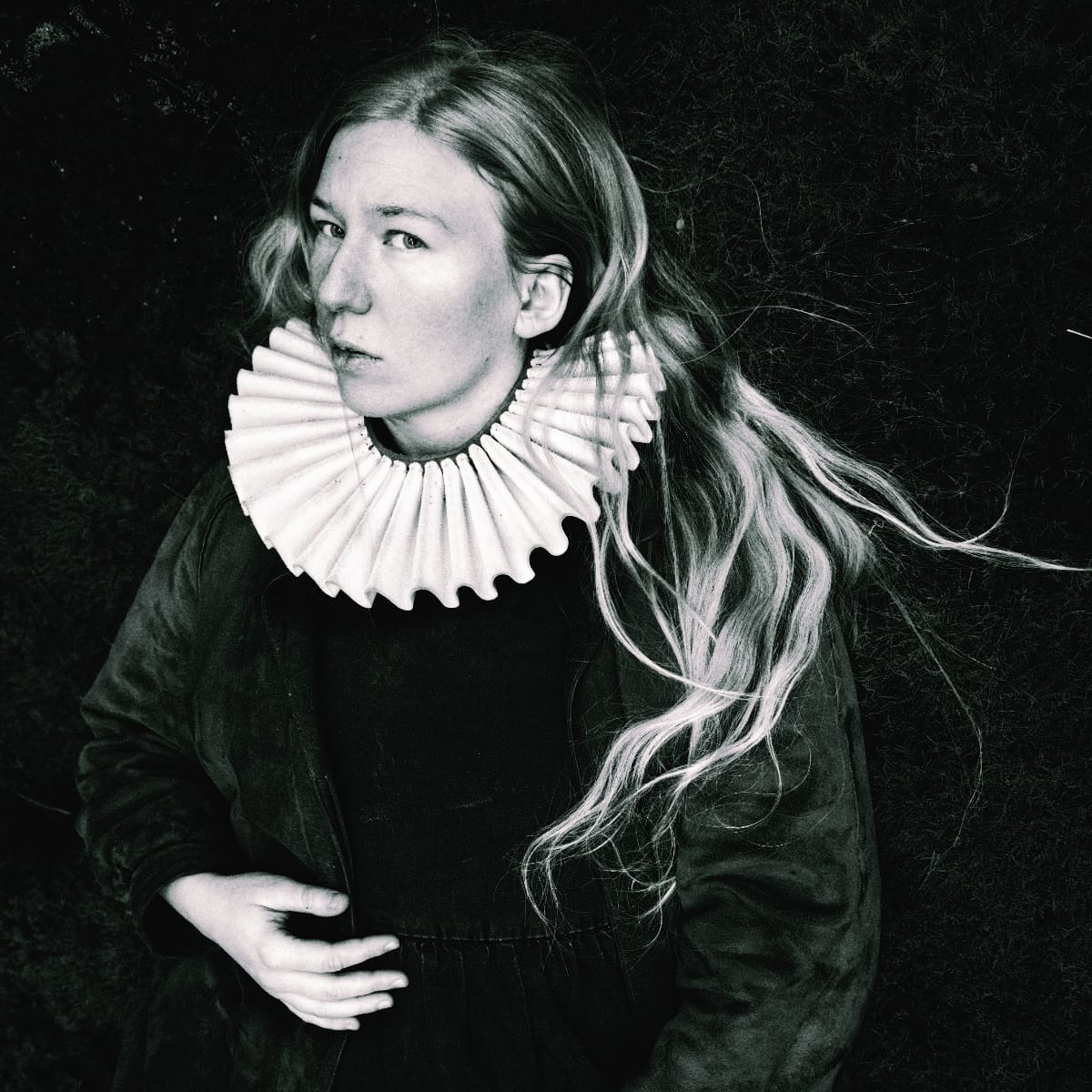
Nearly Broken, Nearly Beautiful — Fågelle's 'Bränn min jord'
Swedish artist Fågelle spent three years making 'Bränn min jord' in the forests, community halls, and village gatherings of rural Halland, arriving at a record about what distance reveals and what returning demands. Interview by Arina Korenyu.

Think Less, Do More — Aukai's Wager on Intuition
Markus Sieber's 'Chambers' came together across three days at Berlin's Funkhaus with no revisions permitted and no instrument off-limits, built entirely on the conviction that intuition knows more than planning does. Interview by Bill Cooper.
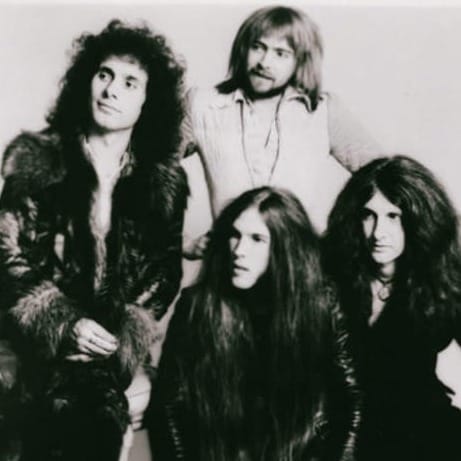
Fifty Years Under the Radar — Armageddon's Unlikely Return to the Record Shop
Guitarist Martin Pugh looks back on the making of 'Armageddon,' the lost opening slot with Eric Clapton that could have changed everything, and the 50th-anniversary reissue that brings the band's sole album back to life. Interview by Bill Kopp.
This Week's Episode of The Tonearm Podcast:

Michael Graves: The Patient Philosophy of Audio Restoration
Five Grammys and a working museum of tape machines later, Osiris Studio's Michael Graves reflects on the ethics of restoration, the problem of artist intent, and why the work never stops surprising him.
The Hit Parade:
Sunday vibes: Seu Jorge, an acoustic guitar, a microphone, the songs of David Bowie, and the beautiful coastline of São Paulo ❋ Free Jazz Collective celebrate International Women’s Day (which is today!) ❋ "Before electronic music filled festival grounds, before synthesizers became mainstay pieces of gear in local bands, a small but visionary group of women laid the groundwork for the sounds of the future …" ❋ “There is no mud slung at Anya Phillips, Lydia Lunch, or Lizzy Mercier Descloux, only tenderness. In a world that still insists on pitting women against each other, this is not only refreshing to see – it’s radical.” ❋ "These suggestions are just a starting point, of course — with an emphasis on recent works made by Iranians themselves, rather than by outsiders looking in." ❋ One thing that’s never changed is this rent-stabilized apartment, where Mr. Hell, now 76, spends his days surrounded by poetry and literature. 'The dominant message' of the place, he said, is ‘this person likes books.’" ❋ "Sitting across from Bob Weir, that resonance came up through the floorboards. The moment felt less like meeting a man and more like being briefly tuned to a frequency that had been playing all along, low and steady, underneath the noise of living." ❋ "For [Ashley] Capps, who grew up listening to everything from James Brown to Miles Davis to classical records spinning in his mother’s house, the premise is simple: good music deserves the right space, and a curious audience." ❋ "While London, Bristol, and Leeds famously vibrated to thunderous dub rhythms in street parties and dance halls, Wales’s own 'sounds' aren’t as well known. But, because of that obscurity, they ended up cultivating some of the UK’s most hard-fought and intensely cherished African-Caribbean culture." ❋ "If Music Has the Right to Children bathed us in VHS-warped nostalgia, Geogaddi was its darker sibling — troubled, cryptic, less forgiving. The hooks are there, but they don’t comfort. They haunt. They stick without allowing you to hum them." ❋ "Stradivari is known to have favored spruce, but where exactly he sourced his wood has long been steeped in mystery. That’s where the study of tree rings — dendrochronology — comes in." ❋ These were saddening things. But it was also a lovely thing, because I think that it is also quite possible that this cassette was actually a record of the very best show I ever went to? And given my history, that is saying a lot." ❋ (chill)
New Music Recommendations: Shabaka - Of The Earth (RIYL: The Comet Is Coming, Big Ears-adjacent music, cosmic jazzbo stuff) ❋ TOMC – Blue Era Odyssey (RIYL: Balearic beat meets 2-step/UK Garage meets ambient house) ❋ Andrew MacKelvie's Many Worlds - Many Worlds (RIYL: psychedelia-tinged experimentalism filtered through improvisation and chance procedures) ❋ Gabriel Vicéns - Niebla (RIYL: Afro-Puerto Rican bomba and plena rhythms meeting modern jazz) ❋ OHYUNG - Iowa (RIYL: Ambient, experimental electronic; Springsteen's Nebraska reimagined through a trans lens) ❋ Beth Gibbons - “Sunday Morning” (RIYL: I mean how could you not like this seriously)
The Deepest Cut:
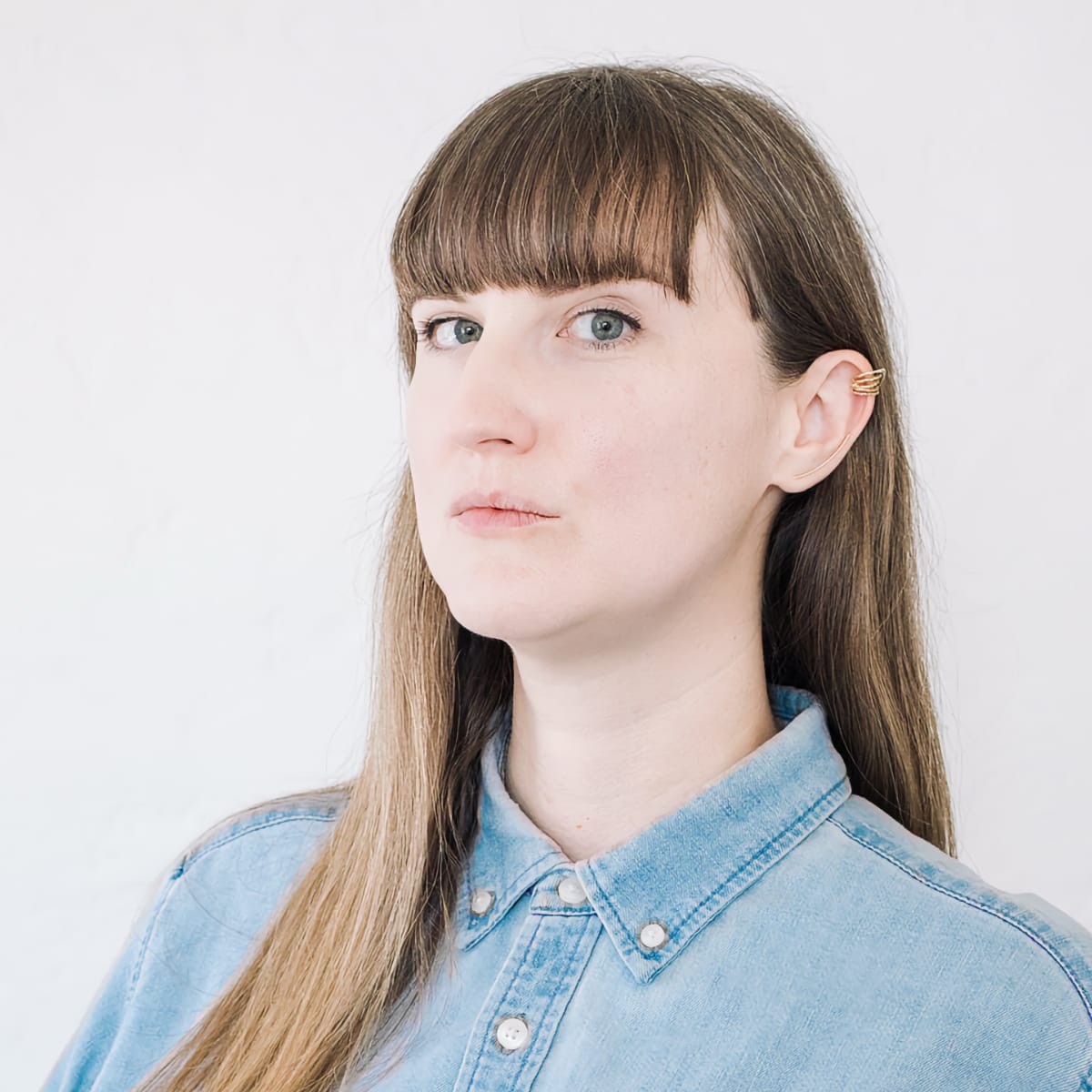
Rachel Beetz is an innovative and curious composer, sound artist, and flutist. She's a member of Wild Up, best known for performances of Julian Eastman's work, and recently released an album, Somatic Steamed Eggs, with Heidi Ross. Tone Keepers is Beetz’s latest, released on Outside Time, and it’s a mesmerizing affair. The album’s four titles are familiar to anyone who’s ever routed a signal chain in a recording environment—“Gate”, "Delay”, "Feedback”, and “Reverb”—but Beetz’s intention is more nuanced than merely studio parlance. The pieces, each revolving around a solo acoustic performance treated with discrete electronic processing, are inspired by asking the question, “What happens if I do this?” And, further in, there are personal layers and motivations behind the compositions, revealed in Beetz’s detailed liner notes.
I reached out to Rachel Beetz with a series of questions (or prompts) that elicited a beautiful statement of an artistic practice. In addition, we also received a recommendation, something Rachel loves and wants more people to know about.
My main instruments are classical flutes. However, I rarely play them as you would expect. Tone Keepers is an exploration of specific sound worlds I found while improvising. The pieces were catalyzed over the last three years; the intention behind each was to play in a creative, open-minded sense rather than a musical, instrumental sense. What ended up happening on this album was a transformation of 'flute' into a kind of electronic sound—one that repeats, sustains, has no breath, even though I am always physically playing the instrument in some fashion.
Curiosity has been an important creative tool for me the last few years. It allows me to be open-minded and present with my body. It helps me not to over-intellectualize a project or worry (too much) about the end result. Not all of what I've done comes from an open, 'what if?' inquiry. There is another aspect of my work that is more of a sonification of a process. But I suppose this is also 'what if,' now that I'm thinking about it. How I sonify a process is often, "what if we let this play out without letting our minds stray from the graph, intention, or set time?"
I think curiosity is essential for any artist or anyone who is making anything. Without it, my mental health can end up in the trash. Without it, I might want something out of what I make, and then I might not be present for an interesting moment or discovery. That desire could lead to disappointment that distracts from something that is also good. So I try to stay open to what is present as much as possible and to practice equanimity with expected outcomes.
The titles came after the pieces crystallized. I didn't know how to frame these pieces into a collective, and then I realized the effects could bring together their stark forms. Each of these pieces is incredibly emotional for me, but that emotion may not be obvious to a listener. I wanted to abstract from the emotion and put the pieces into a bigger musical context. This abstraction opens some thematic doors; "Gate," especially.
I was trained to have an orchestral sound for over fifteen years, and struggled to find it. Once I let go of trying and started playing the instrument the way I wanted, I was not only much happier but also found my people. I had to first give myself permission to play my way! The kept tones are also a metaphor for people, the energy each person keeps, and the feeling we keep for each other. Plus, how this can change over time, while also staying the same. So yes, there are gatekeepers, time keepers, tone keepers . . . in the end, we are all those keepers—what do we want to hold? What are we delaying? How do we want to give each other feedback? How do we resonate with the world around us?
I am obsessed with Jenny Odell's book Saving Time. I've read it twice. It opens the door to many constructs we have about the pace of life, work, leisure, and death. I got to meet her a couple of years ago and also appreciated her practice of finding eternity by looking very deeply into something specific. It might be marketed as a self-help book, when it is really a history of the constructs of time that opens the door to reorient how you live. Maybe I'll read it again soon. Every time I do, I get more ideas for music.
Run-Out Groove:
Next week: Bette A., Lost Office Noises, Modha, a book about The Raincoats, and more.
- The Tonearm is a reader-supported publication, free of advertising and paywalls. Our supporters help fund our writers and make the site possible.
- Join the rapscallions of The Tonearm on our new Slack community.
- Sign up to receive our latest articles directly to your inbox in a snazzy, easy-to-read email version. Just go to your account, manage your email preferences, and flick the lever to receive The Total Tonerm.
Thank you for reading! We'll see you again next week. 🚀


Comments