


Ahoy, dear reader! This is Talk Of The Tonearm, your (almost) weekly rundown of what's happening in The Tonearm Cinematic Universe as well as more than a few tasty recommendations primed and ready for teeth-sinking. I'm covering a lot of ground this week, so let's get right into it pronto-like.
Surface Noise
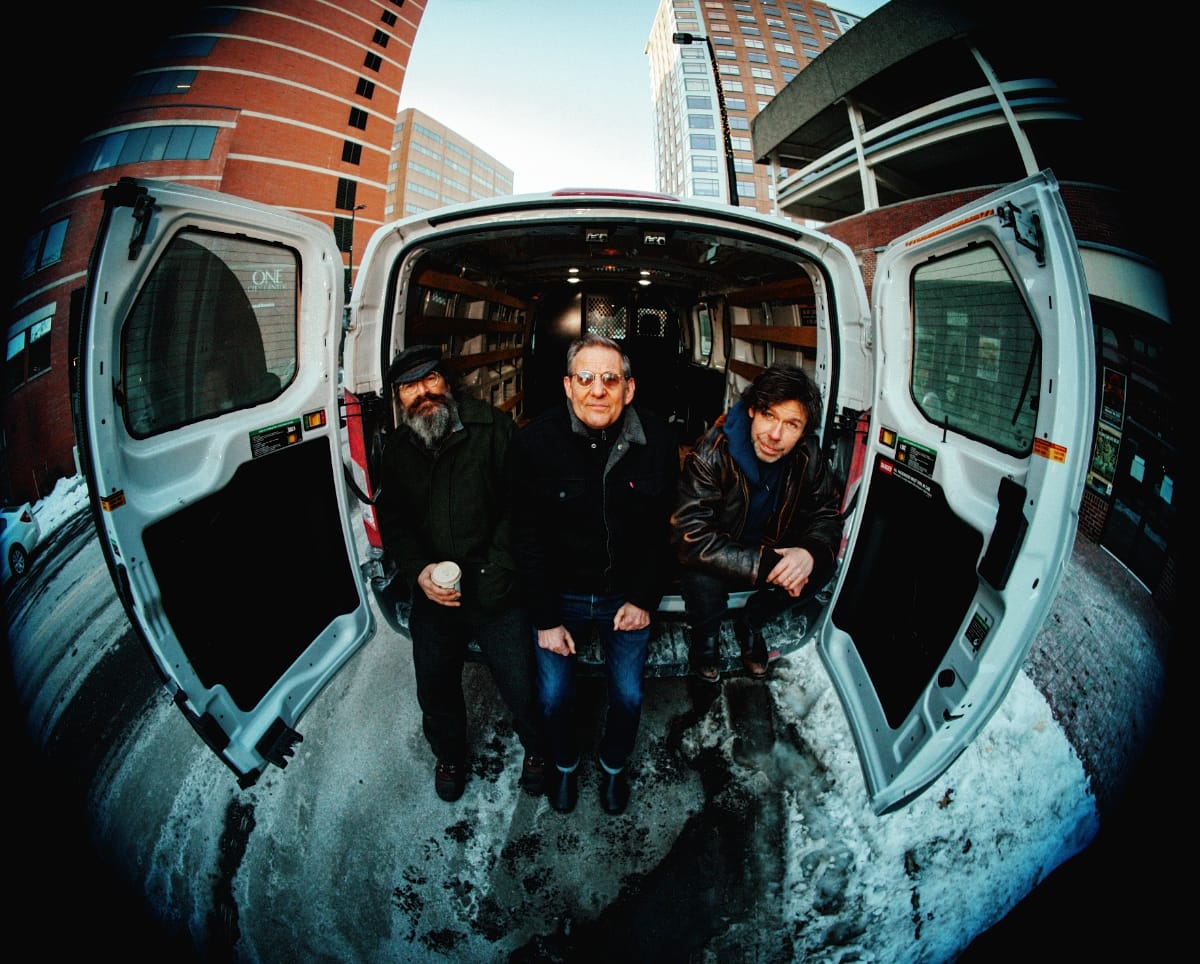
The Tonearm contributor Sam Bradley spoke with guitarist Scott Metzger of the band LaMP and traced an unexpected journey from punk devotee whose bedroom walls vibrated with Ramones records to a respected figure in improvisation-heavy jam band circles. Scott refuses to reject those early punk foundations and proposes something more nuanced—he discovered that the raw emotional honesty powering a two-minute Ramones blast could equally fuel a twelve-minute exploratory jam.
In the interview, Scott touches on his work with the other two players in LaMP and the particular alchemy that happens when musicians truly listen to each other. He mentions the common thread between seemingly opposed musical worlds and recognizes that what matters isn't the form but the feeling underneath. That sounds pretty punk rock to me.
Scott Metzger’s punk rock epiphany happened as he witnessed the Ramones play Trenton, New Jersey’s City Gardens in 1994—one of twenty-five times the band played the venue. City Gardens, a converted Bible warehouse, was sacred ground to many young concertgoers. There are oodles of revelatory tales like Scott’s, like when the Butthole Surfers caused a small riot while nearly setting the Gardens on fire, creating havoc for a staff that included bartender Jon Stewart and bouncer James Murphy. The club ended up closing in 2001, and today, it looks like City Gardens' building stands empty, having failed to sell at auction even with a starting bid of $30,000. It's a monument to the idea that cultural discovery may require physical pilgrimage, and that transformative experiences can occur in concrete boxes filled with "wall insulation painted black with napalm," as Jon Stewart described it.
 Sam Bradley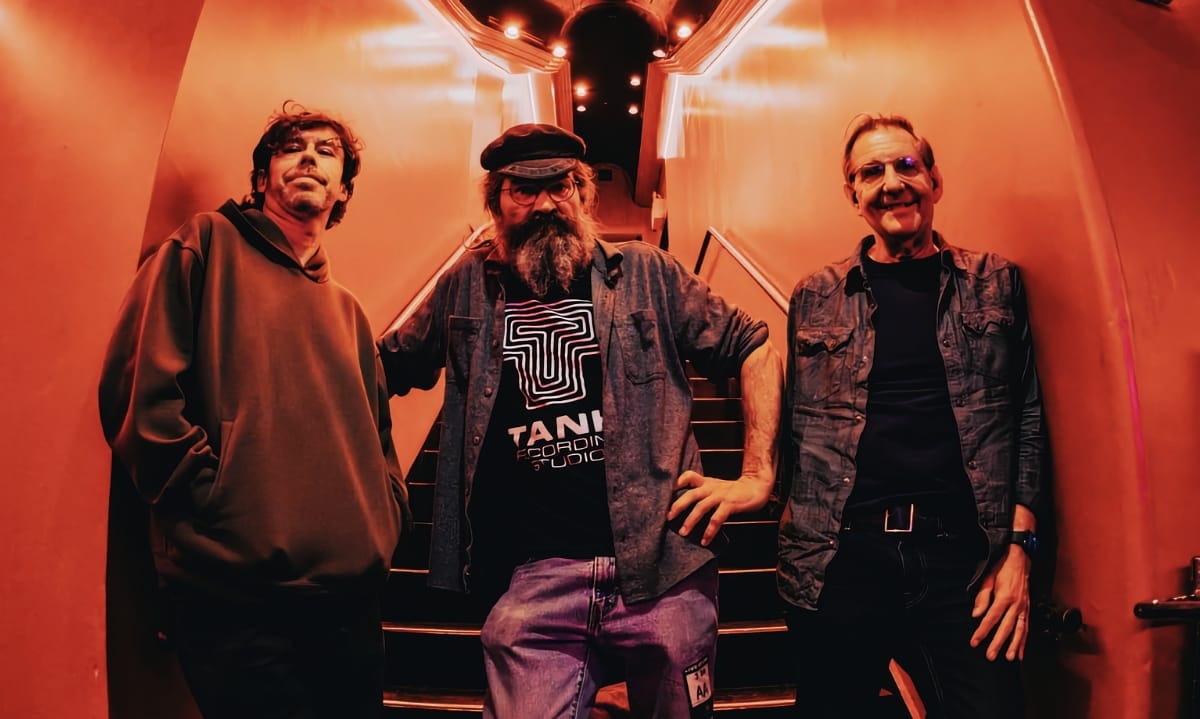
Playback: This train of thought reminded me of Brook Ellingwood’s piece on the inherent political messaging of the late-70s Belfast punk scene, from acts like the Undertones to Stiff Little Fingers. Just as City Gardens turned an industrial warehouse into "cathedrals of possibility," the Belfast venues these bands played transformed war-torn spaces into radical sites of cultural unity.
Hunter Noack performs classical piano in the great outdoors—atop mountains, in deserts, along riverbeds—dragging his 1912 Steinway to places where thousand-pound instruments don’t belong. In a conversation with LP, Noack revealed how his "In a Landscape" series evolved from dual childhood passions for music, performance, and Oregon's wilderness.
The concerts offer an unexpected twist on isolation: audience members wear wireless headphones, free to wander through spectacular settings with the piano becoming their sonic compass. "You would think it might be isolating," Noack tells LP, "but even when I see someone way off in the distance wandering around, I feel very close to them." The headphones create an intimate shared frequency where strangers connect through eye contact and collective wonder as birds fly overhead during melodic passages or wind rustles through trees in rhythm with nocturnes. This radical reimagining of concert etiquette somehow feels more communal than sitting in rows of velvet seats.
I find this interesting as someone who studies how and why we listen. When Sony introduced the Walkman in 1979, it fundamentally changed how we experience music. For the first time, listeners could create private sonic bubbles. The external world became secondary—a backdrop to our curated emotional journeys. So, Noack’s reversal carries profound psychological implications. The Walkman offered escape; Noack offers enhanced presence. Instead of using music to be somewhere else, his audiences use it to be more fully here. The surrender of control paradoxically creates deeper engagement, and we become participants rather than consumers.
 Lawrence Peryer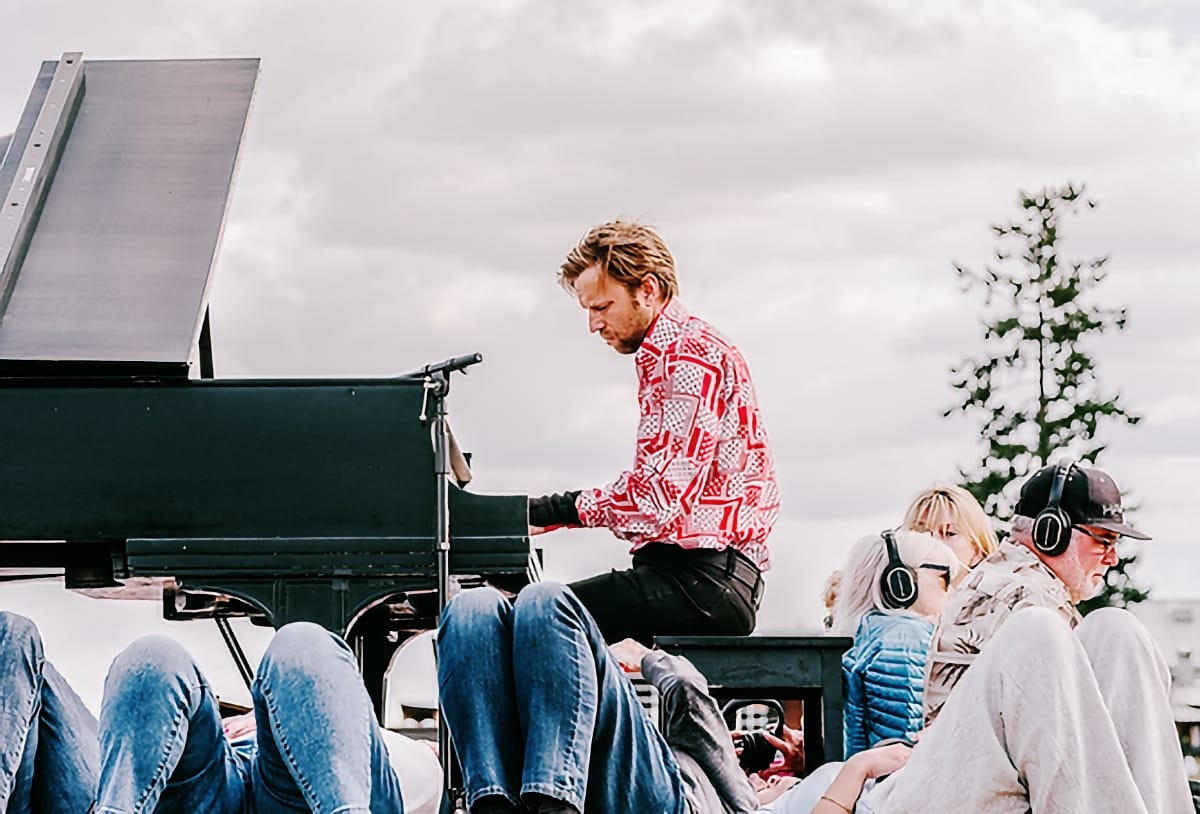
Playback: Just as Noack reverses the isolating nature of headphones, Sara Persico transforms an abandoned dome in Lebanon into a living sonic instrument. Both artists use technology not to escape but to deepen a connection with place.
In an interview with LP, Ukrainian composer Katarina Gryvul reveals how her new album SPOMYN (meaning "recollection" in Ukrainian) functions as a personal memory archive. Each track preserves connections to people she's lost over the past three years, using holophonic techniques where sounds interact "like tiny creatures" in a universe built from spectral fragments. She speaks of her grandmother performing rituals with hair, describing it as "something very sacred... symbolizes memory and a kind of subconscious information,” and channels beliefs about how the body stores experience that stretch back through generations of Ukrainian cultural memory.
Gryvul’s approach centers on spatial relationships between sounds, using binaural techniques that create 3D audio illusions where elements move around the listener. This immersive quality mirrors a fragmented relationship with memory itself (she notes having prosopagnosia—face blindness—while retaining vocal "fingerprints" with perfect clarity). Music communicating personal heartbreak alongside the collective Ukrainian experience captures what Gryvul’s words can’t express.
Gryvul's work reminds me that preservation isn't just about capturing information but also maintaining the dimensional quality of experience. Whether through strands of hair or waves of sound, the deepest forms of memory preservation recognize that human experience isn't flat data but a living, spatial phenomenon that requires equally complex media to contain it. Perhaps the most radical aspect of both Ukrainian hair rituals and Gryvul's sonic explorations is their insistence that memory isn't something we have—it's something we are.
 Lawrence Peryer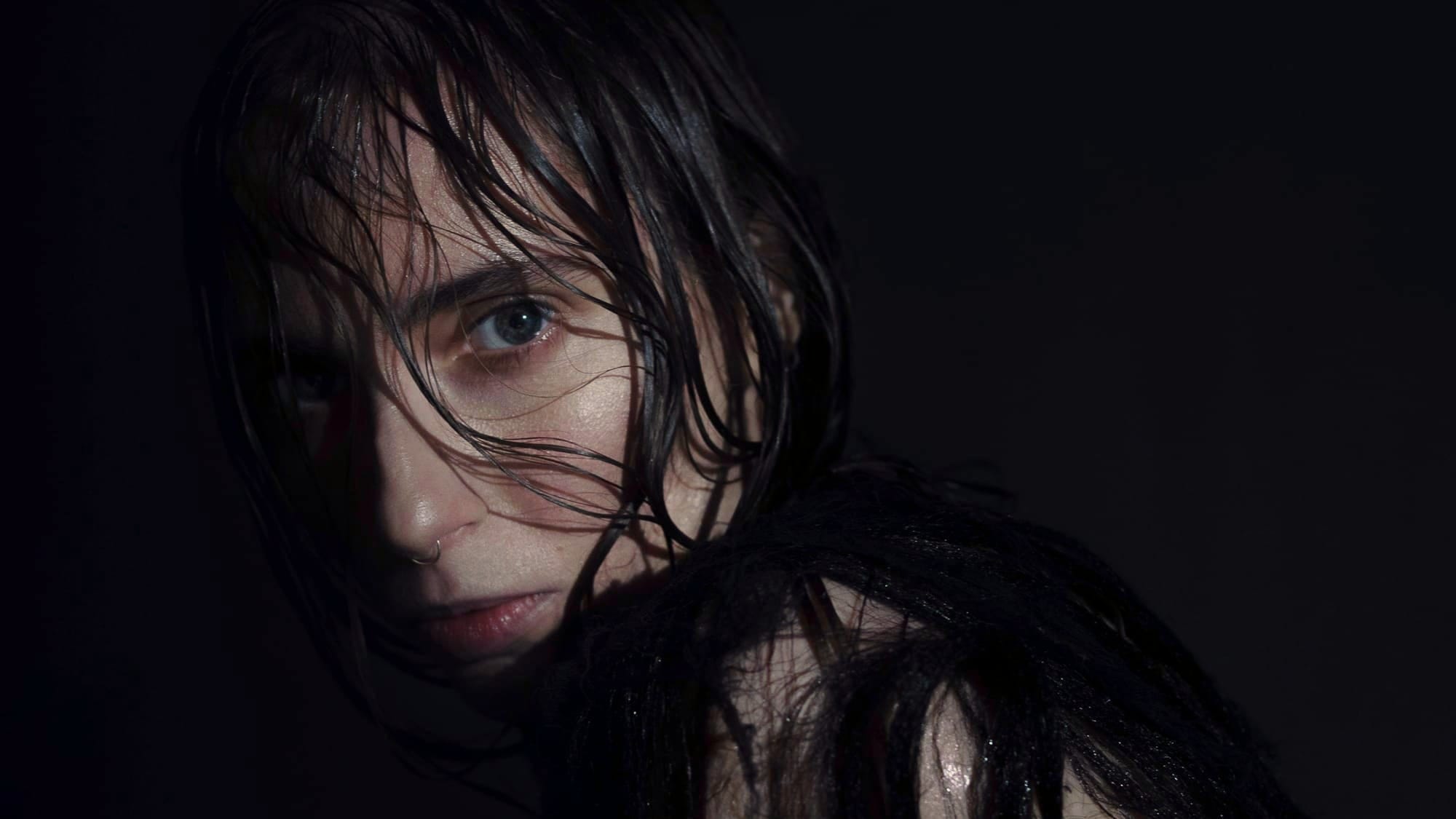
Playback: Ritual and mysticism in music bring me back to Mehmet Ali Sanlikol. In a conversation with LP, Sanlikol discusses his interest in Sufi traditions and mystic awakening, particularly quoting Rumi about how music can trigger mystical states, "if your mind and spirit are ready for it, much quicker than your intellect trying to decipher words."
Chicago trio Sons of Ra embrace jazz fusion's technical fluidity and post-metal's atmospheric weight. In their first full-length album, Standard Deviation, the group—guitarist Erik Oldman Vecchione, bassist/saxophonist Keith Wakefield, and drummer Mike Rataj—boldly reimagined a few jazz standards. As revealed in their conversation with our contributor Michael Centrone, the album's centerpiece evolves from John Coltrane's 1963 civil rights elegy "Alabama" into their original composition "Disintegration"—a response to the social violence of 2020. Oldman explains how a double-bass drone is the fundamental tone throughout the piece, mirroring how McCoy Tyner's sustained piano formed the foundation of Coltrane's work. Thus, jazz continues to function as a living document of social consciousness, with Sons of Ra extending the tradition. Their interpretations of works by avant-garde pianist Carla Bley and progressive jazz pioneer Don Ellis further demonstrate their commitment to carrying forward jazz's experimental spirit while remaining authentically rooted in Chicago's musical heritage—Wakefield's playing carries the DNA of South Side blues despite its theoretical complexity.
We tend to overlook the history of jazz as political testimony. As mostly instrumental music, it is striking how jazz uses specific compositional techniques—drone, modal structures, tension/release patterns—to embody social turbulence. What feels especially potent about Sons of Ra's "Disintegration" is how it consciously positions itself within this lineage while using contemporary musical language. The drone technique they borrowed from Tyner but expanded upon speaks to something persistent in American life—a continuous undertone of unresolved tension that remains despite surface changes.
 Michael Centrone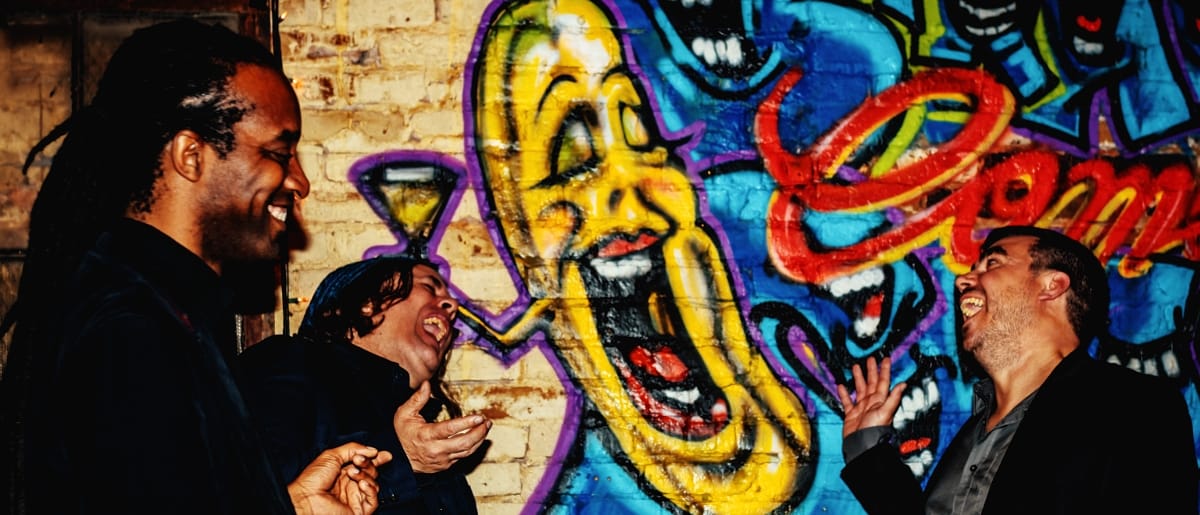
Playback: Caleb Curtis spoke to The Tonearm about using his art to process his environment, particularly in pieces like "This Cult Does Not Help," which addresses political concerns. His perspective on maintaining musical freedom as a "political act" connects to this ongoing theme of jazz as resistance.
The Hit Parade
I'm handing The Hit Parade over to LP this week, as he's got a couple of great music recommendations and a scene report from a Brooklyn jazz club:
- The Brahms Project reunites guitarist Kurt Rosenwinkel and pianist Jean-Paul Brodbeck with bassist Lukas Traxel and drummer Jorge Rossy in a quartet exploration of the music of Johannes. This record struck me as a bit too smooth upon first listen, but with subsequent passes, the sturdiness of Brahms's compositions in a jazz context became undeniable. The album transforms works from various sources, including cello pieces, piano solos, vocal works, and orchestral compositions, into contemporary jazz interpretations. Brodbeck's arrangements maintain Brahms’s harmonic complexity and rhythmic sophistication while allowing space for improvisation. "Intermezzo, Op. 118, No. 2" becomes a groove-driven piece with Rosenwinkel's melodic guitar work playing against structured bass lines, while the lullaby "Wiegenlied" transforms into an impressionistic ballad with Bill Evans-inspired voicings. "Symphony No. 4 III. Allegro giocoso" pairs the original themes with calypso rhythms. The quartet's performance honors classical and jazz traditions through instrumental mastery rather than simple fusion. Rosenwinkel delivers solos highlighting Brahms's intricate structures while displaying his command of modern jazz language, and Rossy's drumming provides subtle propulsion that clarifies the dense harmonies. This album follows this ensemble's earlier The Chopin Project, continuing their exploration of classical composers through a jazz framework.
- I don't typically cover singles, but this one is more of a bonus track, albeit a year or so late. "Satanic Lyrics" is a compelling extension of Spotlight On alum Bill Anschell's electronic explorations with drummer KJ Sawka, a more aggressive sound than their collaboration "Outburst," though from the same sessions. Sawka's precision drumming provides an intricate framework while Chris Symer's electric bass adds muscle. Despite the electronic textures, Anschell’s layered electronics and piano work maintain a distinctly jazz sensibility. The piece builds on the experimental approach Anschell established with his album Improbable Solutions, where he spent several years crafting electronic sounds to complement acoustic jazz instruments. Unlike many jazz-electronic fusions that simply overlay effects, Anschell integrates each electronic element naturally with the instrumental performances. This careful attention to sound design means a cohesive musical statement wins out over a pastiche of disparate elements.
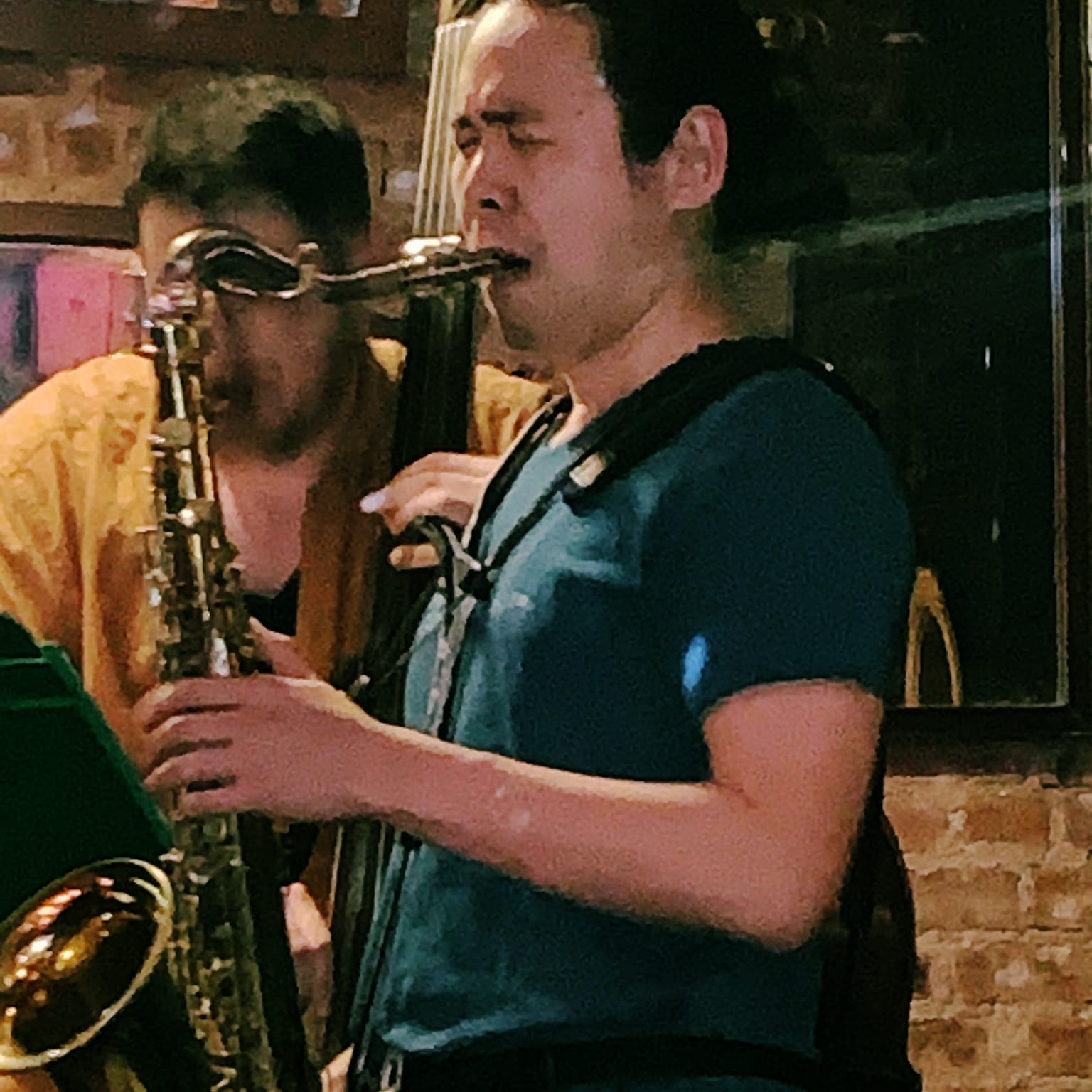
- I caught another Spotlight On veteran, Kevin Sun, this past Monday at Lowlands Bar in Brooklyn, NY. Sun was up to his usual tricks, crafting a setlist from his own maturing compositions with those of Ryuichi Sakamoto, video game soundtracks, and a hair-raising take on Angelo Badalamenti's "Laura Palmer's Theme" from Twin Peaks. Kevin is there most every Monday night, and I highly encourage you to make the pilgrimage.
Deep Cuts
Since LP took over the previous section, I'm going to give you this week's Deep Cuts—something I love that you should know about.
I recently read Annie Dillard's 1974 memoir/philosophical inquiry Pilgrim at Tinker Creek and loved every paragraph. This Pulitzer Prize-winning book chronicles a year Dillard spent examining the natural world around Tinker Creek in Virginia's Blue Ridge Mountains. It follows the cycle of the seasons, punctuated by meandering ruminations brought forth by Dillard's attentive relationship with her surroundings. Not only did I learn a lot—there's much more science in here than you'd expect—I was completely mesmerized by Dillard's poetic language. I like to highlight passages in books that catch or move me, and I highlighted more in this one than in any other. I remember Craig Mod (this coming week's Spotlight On podcast guest, btw) saying that when he has writer's block, he just opens Pilgrim at Tinker Creek and reads from a random page for quick inspiration. I may steal this trick.
Run-Out Groove
After experimenting with different days of the week, I think we're going to try to make Talk Of The Tonearm a Saturday newsletter. I don't know about you, but I enjoy relaxing with my email newsletters on a lazy weekend. What do you think? I'd be interested in hearing which day you like receiving your favorite newsletters.
Unrelated, I think it was the first installment of this newsletter that I mentioned I was rewriting The Tonearm's 'About' page. It somehow took this long for me to finish with something that LP and I could fully embrace. I'd love for you to check it out. Also new on the site: a page explaining the many ways you can support The Tonearm (and only two of them involve money).
Thanks so much for reading! I'll see you next weekend. 🚀
Connect with The Tonearm:


Comments