


Released over 20 years ago, Ondi Timoner's rockumentary DIG! (2004) feels like a time capsule of the music industry in the '90s. In it, two bands, the Dandy Warhols and the Brian Jonestown Massacre, struggle to find success in the machinations of capitalistic corporations and consumerism. Last year, DIG! XX was released, an expanded version of the film with over 40 minutes of extended footage. In both cuts, the documentary presents a cautionary tale of the major pitfalls within the '90s music industry. Despite the film's age, both cuts provide two major takeaways that are relevant and even vital for success in the music industry: the importance of community and interpersonal communication.
The film begins by setting the scene—a new burgeoning music scene, that is. Early on, we see Anton Newcombe, leader of the Brian Jonestown Massacre (the BJM), tell director Timoner that he's going to play a CD to introduce her to another underground band she's never heard of. The band in question is the Dandy Warhols, a group that would rise to success with the White Stripes, the Strokes, and the Yeah Yeah Yeahs in the '00s 'indie sleaze' scene.
Throughout the film, viewers see that Newcombe, the leader of the BJM, was incredibly effective at attracting other successful talents, working with them to fuel his own creativity. Touring with the Dandy Warhols for years, the two bands built an impressive camaraderie. Though Timoner follows the bands near the beginning of their dissolving friendship, there is still a strong symbiotic rivalry and respect depicted between the two groups' frontmen, where each pushes the other further. One scene early on illustrates both the positives and negatives between the two when Dandy Warhols' frontman and leader, Courtney Taylor-Taylor, shows Newcombe a song he's written: "Not If You Were the Last Junkie on Earth." A black-and-white dashboard camera faces the two head-on as they sit in Newcombe's car. Taylor-Taylor steals glances at Newcombe as his CD plays, but Newcombe's face is stony, cold, and emotionally dead. Taylor-Taylor expresses his frustration in a voice-over monologue at his disappointment regarding Newcombe's reaction—Newcombe is clearly jealous.
Perhaps Newcombe has more than a little reason to feel this way. Without Newcombe and the BJM, the Dandy Warhols may not have become as successful as they were. This is because the BJM was a pioneer of this new music scene. Unfortunately, like many other artists at the forefront of cultural shifts, the BJM weren't the ones who became household names, largely recognized by the public. It's not just the Dandy Warhols that the BJM's influence touches, as several from the later 'indie sleaze' scene clearly carry their influence. Many of their bandmates go on to success with other groups, such as Peter Hayes of the Black Rebel Motorcycle Club or Miranda Lee Richards and her solo career. However, when it came to the BJM, the band wasn't completely unknown—more of a cult group. When viewed through the lens of DIG!, they are often seen as a cautionary tale.
Though differing at times sonically, both the BJM and the Dandy Warhols originated with a psychedelic throwback, DIY-made sound. However, where the Dandy Warhols would lean into more commercial-sounding pop music as they became more entwined with their label, the BJM—specifically Newcombe—relished in their independence to almost negative degrees, even when they were briefly signed to TVT Records. This is because Newcombe wanted to be successful, but not a "sell-out." Unfortunately, when Newcombe's two warring ideologies were coupled with his narcissistic tendencies and delusions of grandeur, his personality and behavior created issues for the band that held them back from their success.
This is depicted in DIG!, when, as the appointed band leader, Newcombe establishes a clear dictatorship where what he says goes. This, of course, results in many disagreements with the rest of the band—often with bass guitarist Matt Hollywood. Sometimes, these disagreements get particularly out of hand and unhinged, such as when Newcombe bites Hollywood. These types of altercations also regularly occurred onstage, and they became an aspect of the BJM's live shows, much to the dismay of potential music label A&Rs. For example, one label executive, Nancy Davis, attended a show in the Viper Room to decide whether the label would acquire the BJM. An ensuing particularly infamous fight not only solidified Davis's decision to pass but was even reenacted on a Gilmore Girls episode: "He's Slippin' 'Em Bread…Dig?" (Season 6, Episode 10).
At times like this, Newcombe and, by extension, the BJM, both illustrate their ability to self-sabotage. Even when things began to look up when the BJM signed with TVT, Newcombe's inability to work with others prevented him from achieving success. It's best evidenced when Newcombe is behind putting out the new BJM record with the label. TVT appoints label engineer "Muddy" Dutton to help with production. However, Newcombe gets into several arguments with Dutton before eventually dismissing him, without even discussing the decision with the rest of the band. When the eventual record didn't sell as well as the label hoped, TVT didn't have to think twice about dropping BJM.
Compare this to the Dandy Warhols, led by lead singer Courtney Taylor-Taylor. Though the Dandy Warhols have their fair share of depicted debauchery throughout DIG!, they often maintain more cordial interactions with each other. DIG! does illustrate some disagreements with the group, such as when Taylor-Taylor has arguments with his drummer, who leaves over royalties. However, compared with Newcombe's tyrannical despot kingdom of the BJM, Taylor-Taylor's 'diva' expressions are relatively tame. That's not to say these tendencies don't get Taylor-Taylor and his crew into trouble, but not in the same way that BJM experiences.
In general, the Dandy Warhols' label, Capitol Records, seems much more equipped to handle them. Though at times executives can become annoyed with Taylor-Taylor's antics, such as when he says, "I sneeze and produce hits," after the band is told to rewrite their entire album, they don't kick the band off the label for these quips. Part of the reason for this seems to be that the Dandy Warhols are much more accepting of being a commodity, rather than Newcombe's avoidance of it. When Capitol begins throwing money at them to make a music video for their first single, they acquiesce. Though they occasionally (especially later in the film) question the label's effectiveness, the Dandy Warhols work with their label in a much more amenable manner than BJM ever does.
However, it doesn't seem like working with the label may have always been in the Dandy Warhols' best interest. Their video for "Not If You Were the Last Junkie on Earth" cost $400,000 and cut into the Dandy Warhols' earnings, before they had even released their record. Of course, this would be all fine and 'dandy' if the song were a hit, but because it didn't track the way Capitol thought, the Dandy Warhols started to see a lack of attention from their label. For example, Taylor-Taylor had expected Capitol to push their next single, "Boys Better," from their new album ...The Dandy Warhols Come Down, but they didn't because the Dandy Warhols weren't getting enough traction with their first single. When Taylor-Taylor tried to call the Capitol offices to find answers, his requests fell on deaf ears.
Funnily enough, when the Dandy Warhols have their first moments of onscreen success, they seem not to come from the label at all. Instead, it's when the Dandy Warhols go on tour overseas. The film depicts the band gaining momentum abroad in the UK, as they begin selling their albums in much higher numbers than in the States. Moments like these make record labels seem like a useless entity, as aspects like luck seem to be a more determinate factor.
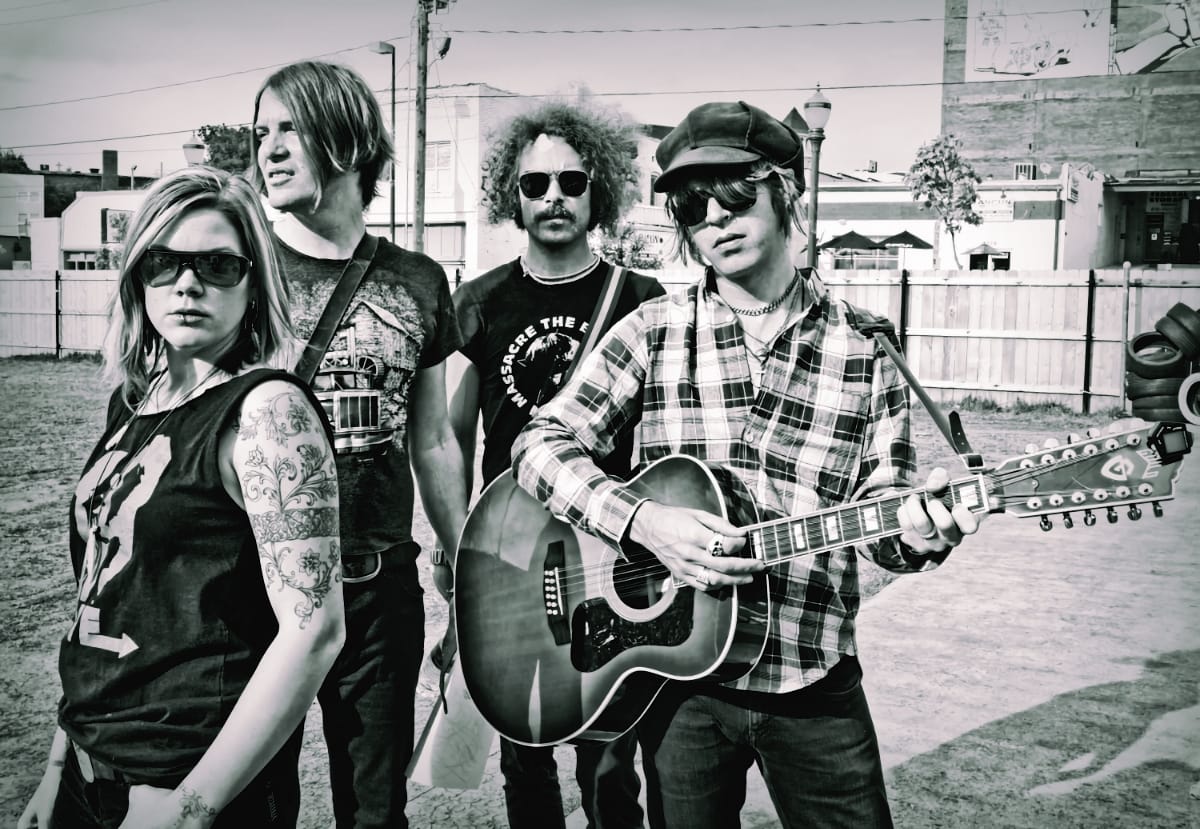
It wasn't like label execs in the '90s were unaware of this luck factor, or even their own mismanagement. Often, they were stunningly glib about it. One of the best examples comes from TVT's Adam Shore, who states, "The record company loses money on nine out of 10 records. I don't think there's another business in the world that has a 90% failure rate." This statement opens wide what many felt the music industry was at the time: a gambling game. Another exec, Perry Watts-Russell, even confirms it when he expresses that one bigger artist helps the other nine break even. This is often coupled with another issue for artists suffering label mismanagement: they don't recoup, meaning labels would coerce artists to spend all sorts of promotional money—such as the Dandy Warhols' $400,000 video—but then, the artists' records wouldn't sell well enough to make back the invested money.
After hearing stories like these, it makes the whole music industry begin to feel like a scam where the artists are lied to, something that Taylor-Taylor expresses poignantly as he walks down the street in one scene in DIG!, "When you sign with a major label, they always tell you things like 'We're into careers, not hits.' Yet when you don't produce a hit, they don't really care about you." With statements like these, viewers can see that the music industry is most effective not by helping the artists, but by spinning a line to convince artists that they are an effective ally, when they really see artists as nothing more than a tool. It's no different than the canned corporation line—"We're all a family here"—a line often mocked for its association with toxic workplace environments.
It's important to note that the Dandy Warhols or the Brian Jonestown Massacre were not the only bands part of this machine. This was the music industry in the '90s. Because this was still pre-Napster, labels were swimming in cash due to record sales. As such, they felt a need to spend money, because otherwise, how would these artists become successful? At least, this was their line of thinking. It's the reason why labels funded extravagant music videos and considered taking crazy chances on bands like the BJM.
Michael Donaldson, managing editor of this very publication, expressed similar sentiments when he spoke about his experience with the music business in the '90s. Signed as Q-Burns Abstract Message to Astralwerks, he put out three works with them before eventually being cut around 9/11, 2001—the same time many other acts were let go by labels worried about the tragedy's economic impact. Though he created electronic music rather than 'indie sleaze,' Donaldson said that everyone he worked with in the music industry was cut from the same cloth as those who worked with the Dandy Warhols and the Brian Jonestown Massacre. Essentially, they were archetypes, a legion of industry executives who made up one part of a larger music industry mill.
Donaldson realized early on that being signed by a label was a crapshoot. Despite this, he figured he might as well give it a shot, but he was under no impression that it would pay off. He was approached in Florida while doing shows and flown to NYC, explaining that the experience wasn't much different from that of the other bands depicted in DIG! His best account of how silly everything could be happened during one meeting when one of the interns poked their head in the room to ask about Q-BAM's promotional material. Donaldson easily picked up the elaborate theatrical façade, an obviously planned action to illustrate how his act mattered to the label.
When hearing about these '90s label stories and/or watching DIG! today, it's easy to think Donaldson's experience, along with the BJM and Dandy Warhols', might not be as relevant as they once were. Do labels even carry the same relevance without the fat stacks of cash they once had? How important are hits in a world where the radio matters less than ever?
Though no longer involved in the music-making end of the business, Donaldson explained that one of the most important aspects that remains relevant in DIG! is about community—in other words, to have a chance at success, artists must connect with other bands to create a scene. As a former freelance consultant for bands, Donaldson saw how often artists were so focused on being global acts when they could have been better suited to connecting with their local neighborhood. To a degree, this is initially how the Dandy Warhols and the Brian Jonestown Massacre attracted attention from record labels. They collaborated and found more bands to form around them until they created a scene. By doing so, they planted a flag that signaled potential listeners to form communities around them until they garnered their support.
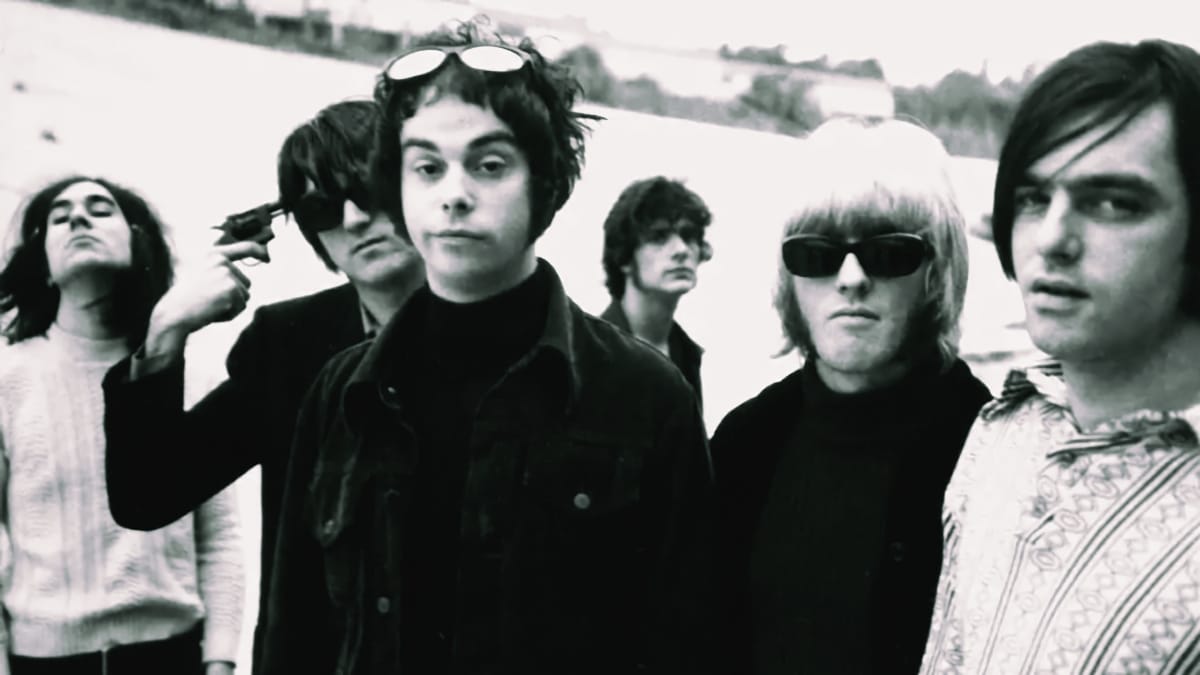
Though 2025 bands are clearly different than the '90s ones, community will always be an essential aspect in any band's success. The best a band can hope for is to create a movement or a revolution, and this only happens when you form a bunch of people around an idea. Often, bands have the greatest impact when they become a personality aspect that a person can adopt. For example, a jam band like the '60s Grateful Dead is no different from the '90s Phish or the 2020's King Gizzard and the Lizard Wizard. They all focus on creating an inclusive community around drug culture and long, winding jams. Though some aspects of their music may differ, their methods of creating communities are very much the same.
However, music scenes don't just exist to commodify a fan-based community. Instead, they allow listeners to find like-minded people. Just like different intramural community sports help others connect, so do bands in a scene. But it also helps the artists themselves. Looking back to the BJM and the Dandy Warhols, viewers can see how the groups' two frontmen pushed each other to improve and become stronger musicians. In addition, they helped form a scene of bands around them, which eventually became an entire movement: the 'indie sleaze' scene.
Though Newcombe and Taylor-Taylor's relationship seems to fall apart in DIG!, one scene with the Dandy Warhols in the documentary highlights the band's realization of how important it is to maintain a community of artists. Around the release of the band's fourth album, Welcome to the Monkey House, the Dandy Warhols invested their promotional money not in another stupidly expensive video, but in a space called the Odditorium. This multipurpose building became the band's own headquarters and recording studio, but it was also a place for other artists to connect. It even became a venue where the band could better connect with its fanbase. And if they wanted to, the Dandy Warhols could still make music videos, but the cost would be lower now that they had their own fixed stage.
Despite certain aspects of DIG! becoming a snapshot into another world in music that is very much gone, there are still two significant takeaways from Timoner's rockumentary that will help any musical act. First, it's important to be in a band with members who can work effectively with others, both within and outside the band. More importantly, communities and scenes are essential for fans and artists alike. Though '90s labels tried to be this intermediary between fans and artists, bands have a much better chance of success by allying with one another.
Check out more like this:
 Brook Ellingwood
 Bill Cooper


Comments