


Now Playing on The Tonearm:
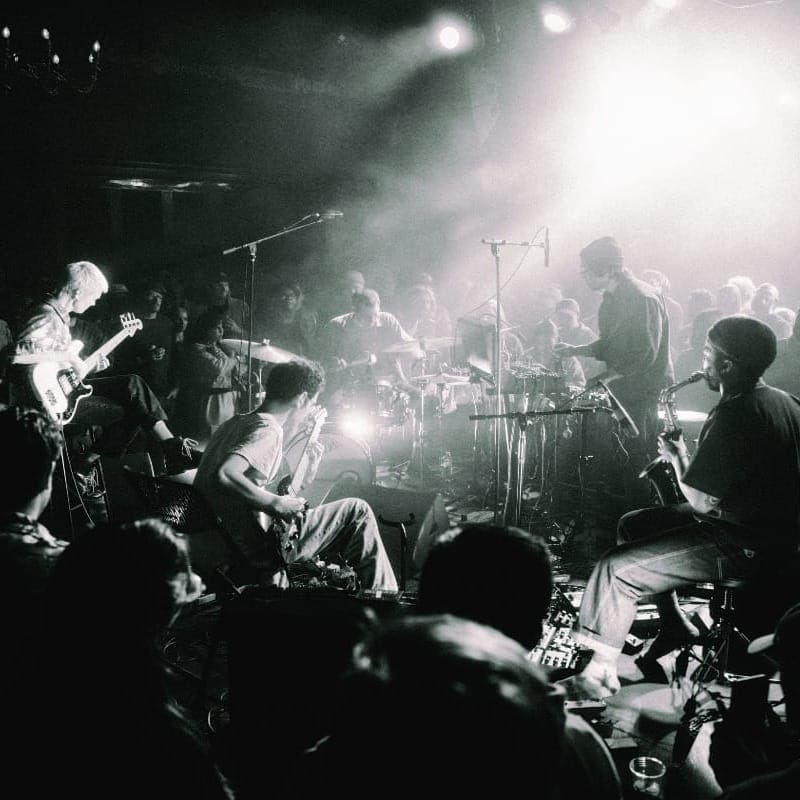
Whose Sound Is Whose? The Collective Method of SML
The LA quintet's second album, 'How You Been', unfolds through the distillation of live improvisations into moments where individual voices dissolve into collective sound. Written by Mariam Abdel-Razek.
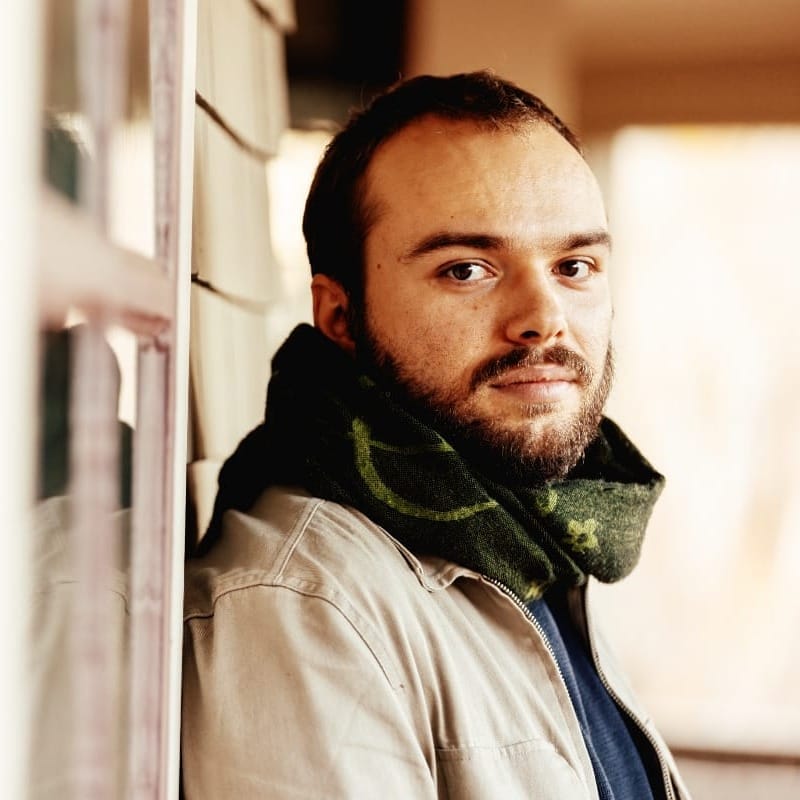
From Sacred Space to Silent Film — Noah Franche-Nolan Serves the Music
On 'Rose-Anna,' the Vancouver pianist honors his great-grandmother's church-organ tradition through compositions that move between meditative prayer, silent-film themes, and post-bop propulsion. Written by Lawrence Peryer.
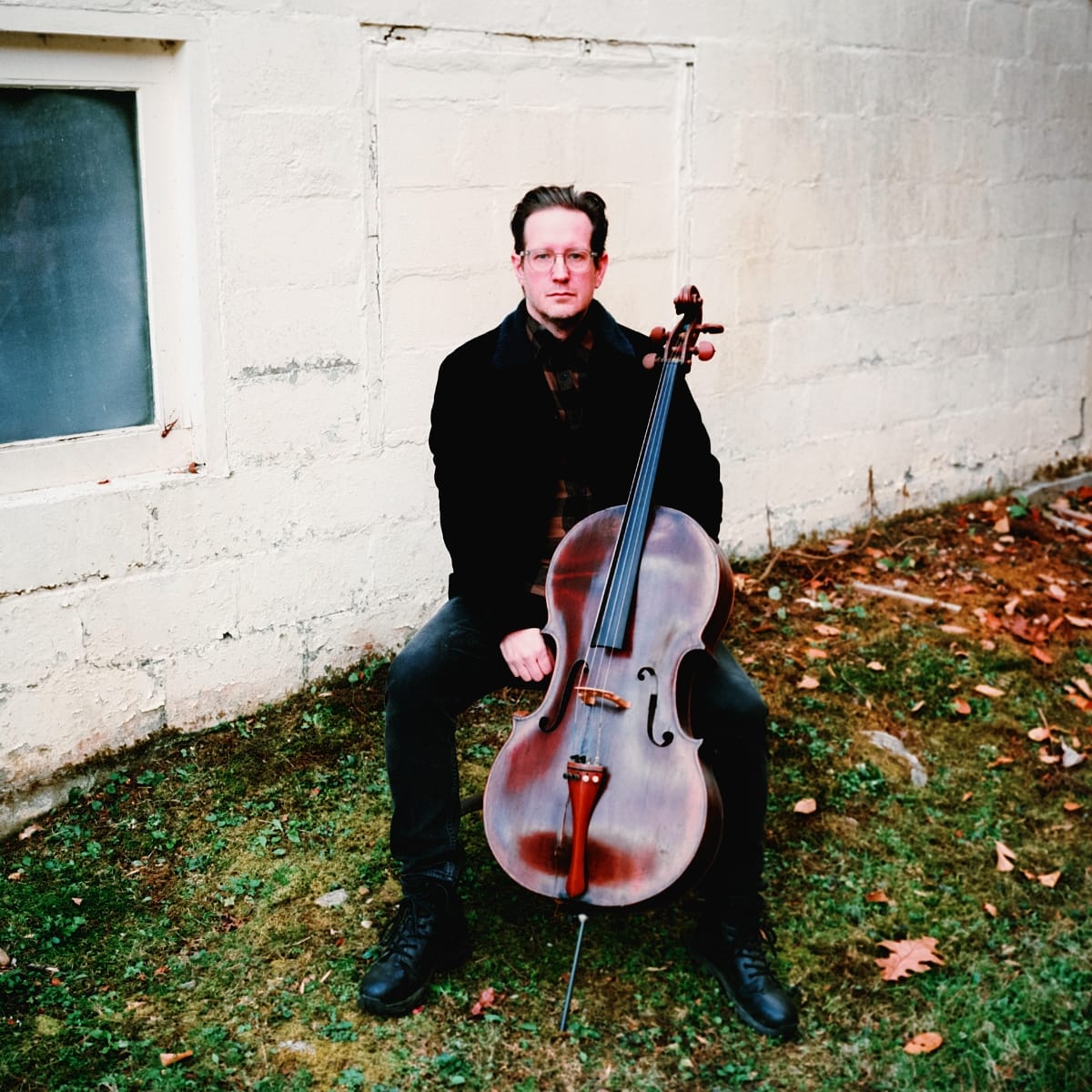
The Last American Elegance — Christopher Hoffman's 'REX'
The acclaimed cellist discusses his move from Manhattan to Rex Brasher's Wassaic farm, where he recorded his first solo album, 'REX,' finding the space between pristine composition and unpredictable improvisation. Written by khagan aslanov.

Leilani Patao Bites Back — Pet Love and the Choice Against Streaming
The fiercely independent songwriter's EP 'daisy' honors their late childhood dog while exploring patterns of loyalty and mistreatment across romantic, familial, and pet relationships—all released exclusively on Bandcamp as an act of self-determination. Written by Meredith Hobbs Coons.
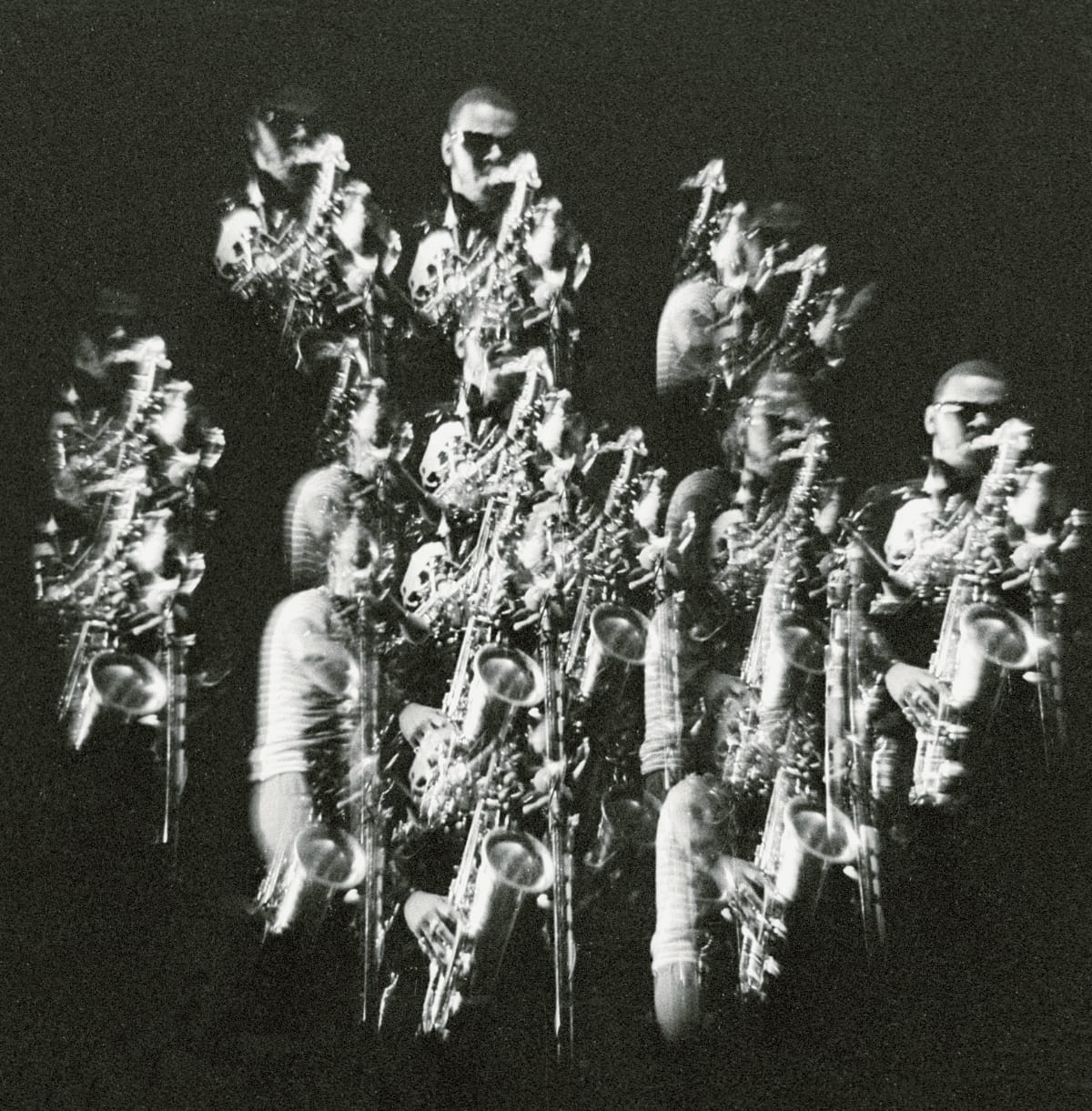
Rahsaan Roland Kirk's Bright Moments — Shining New Light on the Multi-Horn Prophet
Through the archival efforts of Zev Feldman, two lost recordings surface: 'Vibrations in the Village', taped at New York's Village Gate in 1963, and 'Seek & Listen', captured at Seattle's Penthouse four years later, both documenting Kirk's ability to loop jazz history into one great sphere. Written by Andrew Hamlin.
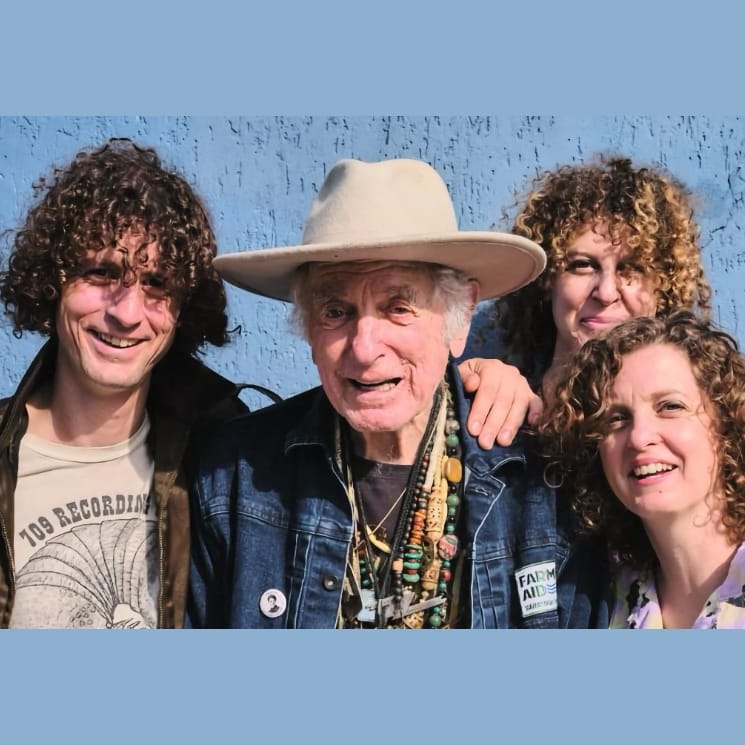
Red Roses and Open Roads — The Amram Siblings Step Out
Alana incorporates her father David's beatnik wisdom into the EP 'Movies' while brother Adam channels Dylan-esque wanderlust on 'To The End', each forging distinct identities that occasionally converge for powerful family performances. Written by Chaim O’Brien-Blumenthal.
This Week's Episode of The Tonearm Podcast:

Lawrence English: Capturing the Impossible Trio
The Australian composer and Room40 founder discusses his new collaborative album 'Trinity' with Stephen Vitiello, his theory of relational listening, and why he spent eight years interrogating the meaning of live performance before returning to the stage.
The Hit Parade:
R.I.P. Fred Smith. Here's the tale of the making of Television's Marquee Moon. ❋ "Some of Will Bevan’s hauntological hardcore tracks move me more than the most heart-wrenching songs ever written." A Guide to 20 Years of Burial. ❋ "[Max Richter] was introduced to minimalist music at the age of 12-13 by the local milkman, an avid new music fan who delivered him records by Terry Riley, Philip Glass and John Cage with the daily pint …" ❋ ""Protest is a word that's tossed around a lot in the context of awards shows, but it actually has claimed very little space within the mainstream pop timeline that such sanctioned industry gatherings preserve." ❋ "The complex process of piecing the album together and [Mark] Hollis’s stubborn artistic vision are impressive, but the music’s expansive quality keeps converting new devotees." ❋ "There were all these compilations of people doing rare Australian synth pop or Japanese new wave but I’m like: ‘What about gay? Where’s the gay voice in all of this? It’s all been erased, forgotten, lost to Aids or thrown out.’" ❋ "What I found was far stranger and more magical than I could have expected. There, working alongside the vessel’s mohawked and utterly unhinged captain, was the Grateful Dead guitarist and singer Bob Weir, who died last week at the age of 78." ❋ "Impulse! documented sound and captured a moment when Black musicians were insisting — with increased urgency — that their art reflected the complexity of a world pressing on them." ❋ "You cannot buy the revolution. You cannot make the revolution. You can only be the revolution. It is in your spirit, or it is nowhere." ❋ The Tonearm endorses (and uses!) James A. Reeves's new and free Spite Music Player.
The Deepest Cut:

Friend of The Tonearm Blake Leyh (who we profiled back in 2024) surprise-released ("as if I were Beyoncé") a gorgeous EP this week. Satie Et Les Oiseaux consists of four Erik Satie compositions played on electric cello from a cottage in the hills of Honolulu. It's not exactly a solo release as Blake is accompanied by the many birds of the region: "Red Junglefowl, Spotted Dove, Common Myna, Red-Vented Bulbul, White-Rumped Shama, Red-Whiskered Bulbul, Rose-Ringed Parakeet, & Northern Cardinal, recorded simultaneously with the cello."
I asked Blake three questions about Satie Et Les Oiseaux, and, in lieu of direct answers, he addressed all of my concerns in a wonderful short essay. Here's Blake:
When I was 14 in 1977, a family friend brought me three vinyl LPs as a gift. An Ornette Coleman album, a Sun Ra album, and a record of Aldo Ciccolini playing Satie. I was just getting into The Sex Pistols and The Clash, so it was not an obvious move. But all three albums made a lasting impression on me, and I have returned again and again to Satie from many directions over almost fifty years.
I took up the electric cello ten years ago, but have recently been focusing on it more as my primary instrument. I did a short European tour last November with Peter Gordon, where we played as a duo with me on electric cello and Peter on saxophone. I played a lot over the course of two months, and I find that the more I play the cello, the more it gives back. It might seem trite, because most musicians practice their instrument a lot and get better! But I've always been a dabbler, and now with the cello I'm going deeper.
I came to Hawai'i in January to stay for three weeks at a friend's guest house, and I brought my cello, thinking I would just practice a little each day. On the first morning, the birds were so loud and so diverse that I began imitating them on my cello. The birds did not care. But they also did not stop singing. So I kept playing, and it turned into a two-week engagement. Right now, as I'm typing, I've received visits from a common dove, a red-vented bulbul, and a red junglefowl.
It's easy not to make art. It's also pretty easy to wall yourself inside a bubble, safe from the horrors of the world, and live and create inside the bubble. The difficult path for a USian who still has some freedom of choice is to create while maintaining empathy, without turning away. We have to do our work while also paying attention to the terrible events unfolding around us and doing what we can to stop the worst of it.
Engaging with music—as a player certainly, but also as a listener—creates an active pathway to the best part of our humanity. Music centers us and strengthens us, and we can use that strength in the rest of our lives. Yesterday I was finishing this music, today I'm talking to you about it, and tomorrow I'm going to find a protest to join.
Something I love that more people should know? The Minimalism of Erik Satie by The Vienna Art Orchestra! A double album from 1984. It's all great, but the entire fourth side is a masterful twenty-three-minute version of Vexations as a duet between vibes and bass clarinet. It's an incredible performance that works as ambient music but also teaches about musical adaptation, about the beauty of dissonance, about repetition and endurance. One of my desert island selections for sure.
Check out Blake Leyh at blakeleyh.com and follow him on Bluesky. Learn more about Satie et Les Oiseaux, including how to purchase and listen to it.
Run-Out Groove:
After a two-month hiatus, we're trying some new things! I hope you like this format—it's a work in progress, so your comments will help shape future installments of our newsletter. Please reply to this email and let us know what you think.
Here are a couple of other experiments you can participate in:
- The Tonearm is building a Slack community! Join the writers and rapscallions of our website by clicking here.
- We've started a separate newsletter called The Total Tonearm. By signing up, you'll receive every new article direct to your inbox in a snazzy, easy-to-read email version. Just go to your account, manage your email preferences, and flick the lever to receive The Total Tonerm. Collect 'em all!
Thank you for reading! We'll see you again next week. 🚀


Comments