


Now Playing on The Tonearm:
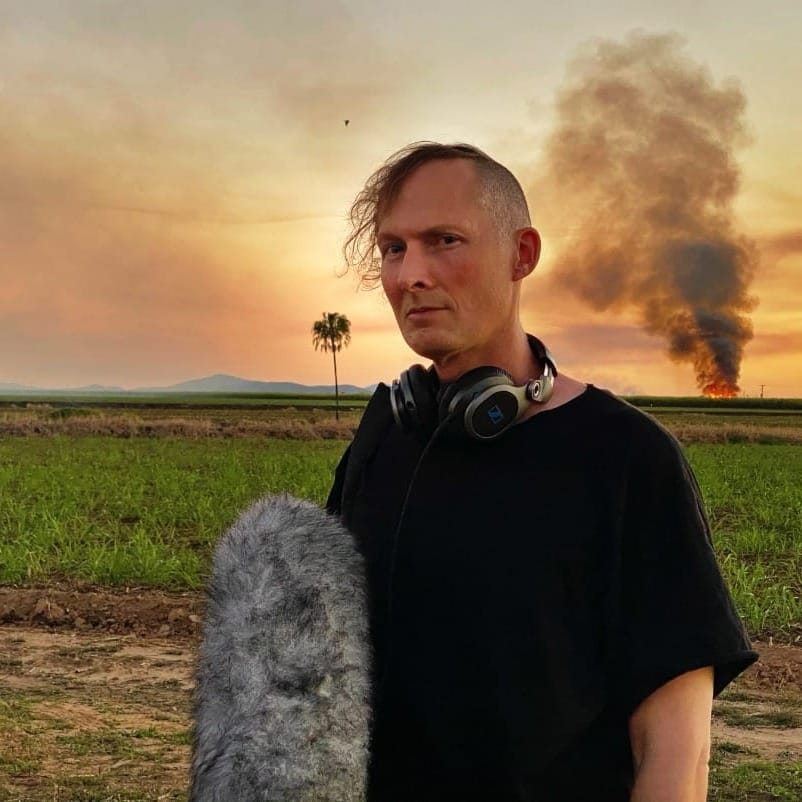
Between the Microphone and the Mind — The Surprising Work of Lawrence English
Lawrence English reflects on the impossible trios of 'Trinity,' acid nostalgia as a weapon against possible futures, and how the tension between the microphone and the psychological ear shapes his field recording practice. Interview by Lawrence Peryer.
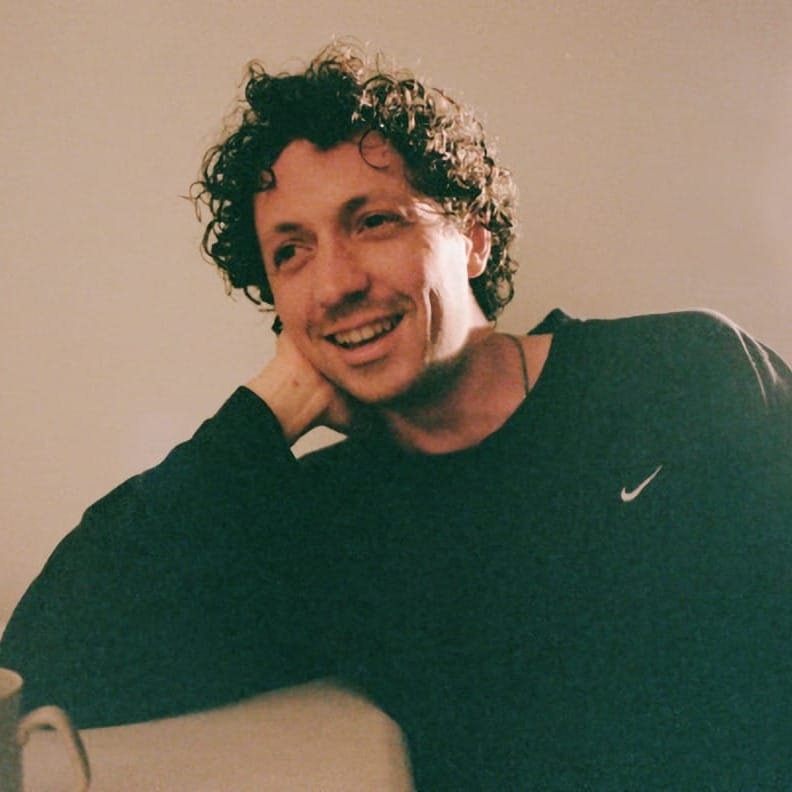
Liam Kazar and the Long Search for Home
After three years of touring more than 200 days annually, the guitarist and Jeff Tweedy sideman recorded 'Pilot Light' to recreate, musically, what constant travel had taken away. Interview by Meredith Hobbs Coons.

Digitizing Benga's King — KMRU on the Archival Weight of Joseph Kamaru
For 'Heavy Combination (1966–2007)', KMRU digitized five decades of his grandfather's music, discovering how Joseph Kamaru's political songs diagnose today's Kenya and how the archive became a grounding for an artist constantly in motion. Written by Elsa Monteith.
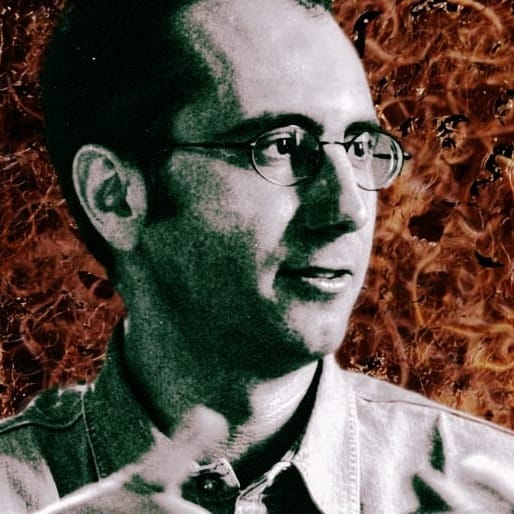
The Voyage Down — Fausto Romitelli Descends Into Repertoire
Romitelli embraced psychedelic rock for its destabilizing potential rather than its commercial appeal, and a new recording of 'An Index of Metals' marks his passage from avant-garde specialist to repertoire composer two decades after cancer took him at forty-one in 2004. Written by George Grella.
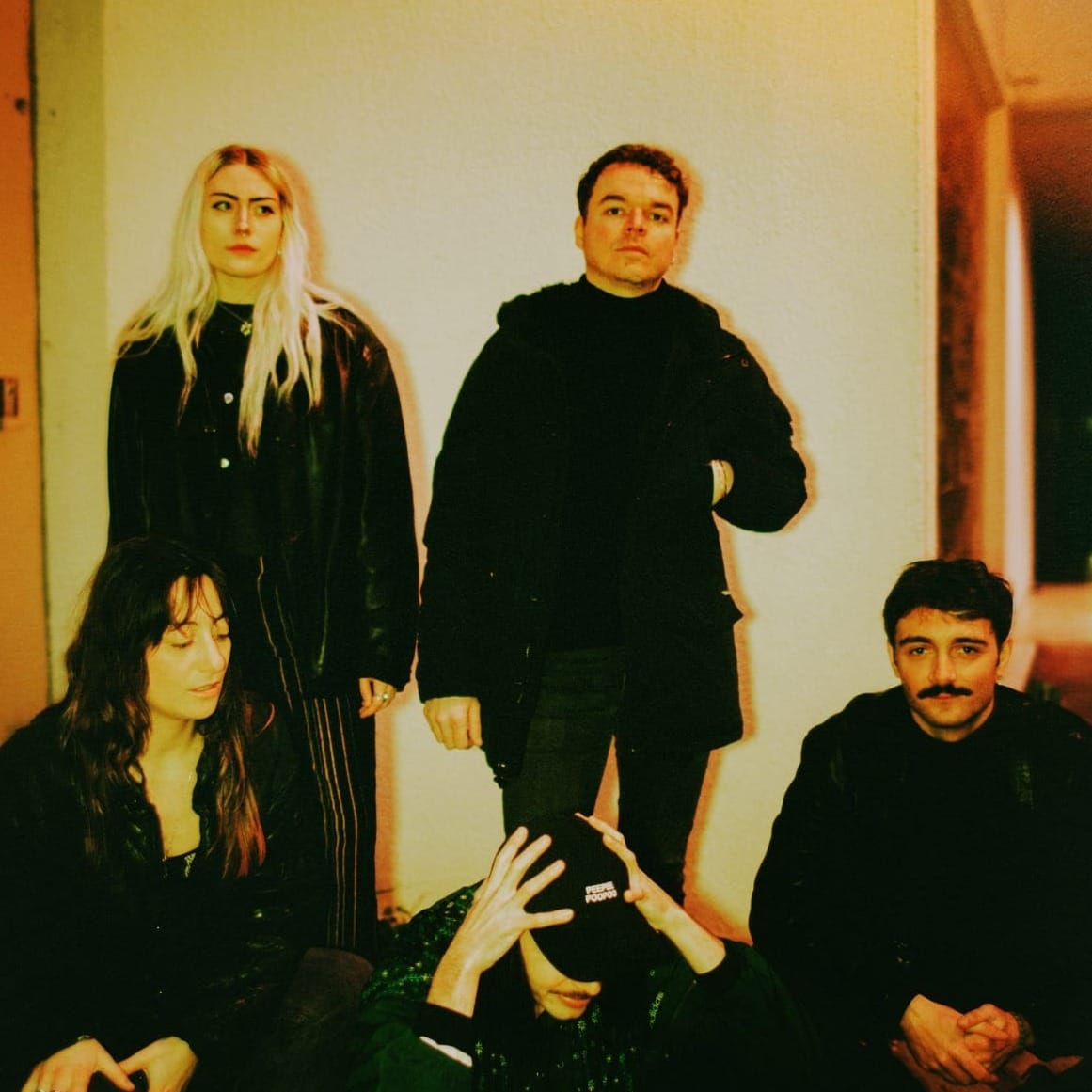
Drifting Through the Normandy Haze with wavepool
The French band discusses 'Crayola,' their latest EP of shoegaze-inflected dream pop that transforms fleeting observations and unreliable memories into songs as gray and intimate as their Normandy hometown. Interview by Jonah Evans.
This Week's Episode of The Tonearm Podcast:
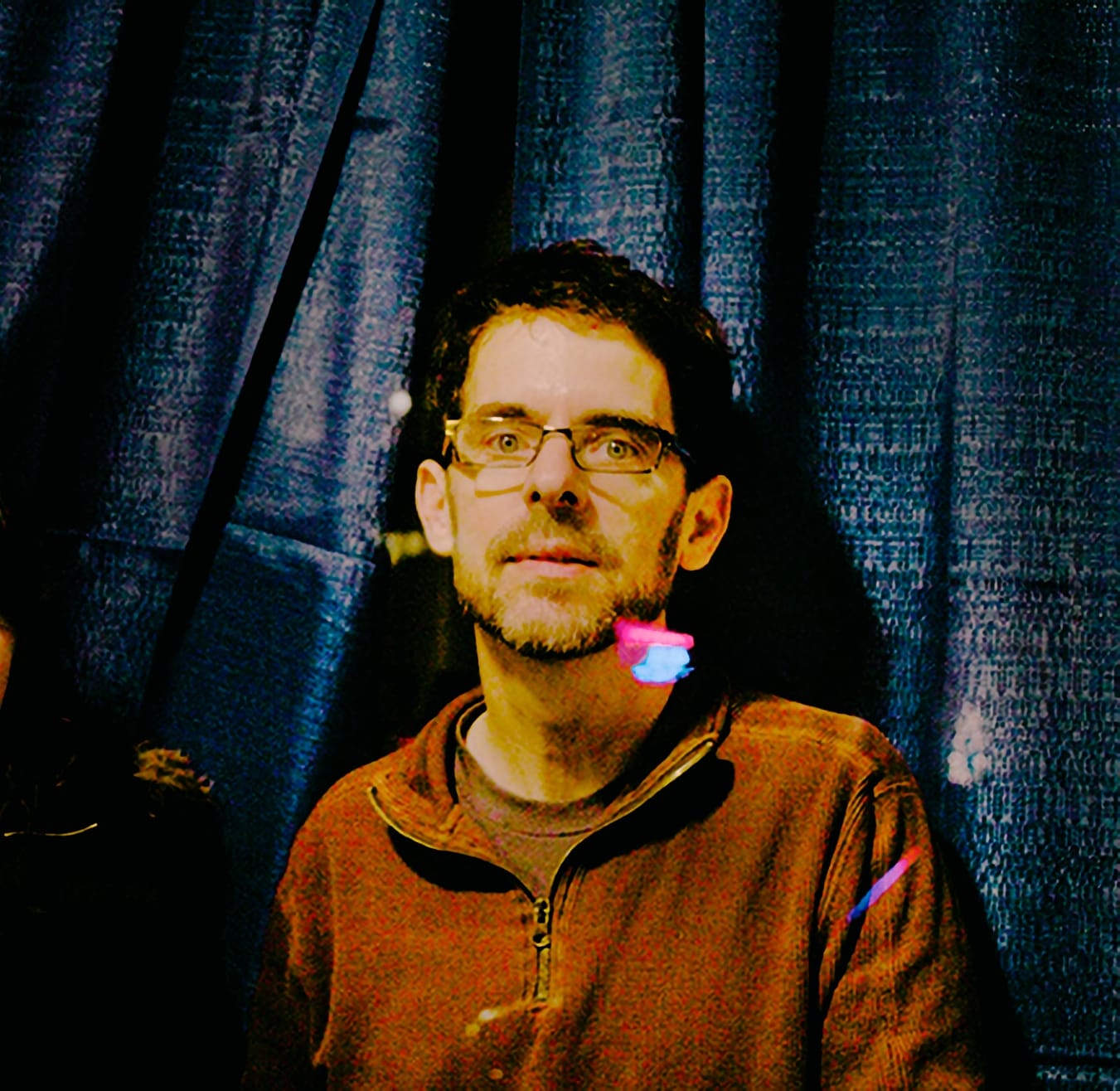
Stephen Vitiello: The Punk Attitude of Collaborative Sound Art
From teenage punk guitarist to internationally exhibited sound artist, Vitiello reflects on his World Trade Center residency, the influence of Nam June Paik and Fred Frith, and treating every element—from architecture to collaborators—with equal respect.
The Hit Parade:
R.I.P. Ebo Taylor, Musical Innovator of Highlife and Afrobeat ❋ "I don’t think I remember a time that we, as Black people, were not in an hour of chaos. But the culture, the art, the music, and the people are what I’ve always been about. That’s what’s always gotten us through the chaos." Chuck D on the Politics of Hip Hop ❋ "Guy DeBord says that the spectacle is 'money one can only look at,' and its purpose is in part to hide the miseries of capitalism, but Bad Bunny’s performance somehow reversed that equation." ❋ "More often than not, the kids at the Trips Festival thought of themselves as ‘freaks’. They came together to have a look at one another, drop acid, which was not yet illegal, listen to Jerry Garcia and the Grateful Dead, and watch the light show that was one of the first of its kind." ❋ "But Haller was not some keen nature photographer, looking to capture a mysterious creature in its natural habitat. Instead, he was on the hunt for people who had been out clubbing, and who were now taking their first steps into the next day." ❋ "I was at [Bill] Laswell’s studio in Greenpoint, where he showed me reel-to-reel tapes of a session with drumming icon Tony Williams while also unveiling the coveted white Gibson SG that had once belonged to guitar god Allan Holdsworth, which he had somehow acquired." ❋ "Over the following years, it occurred to me that the photographs of Dylan’s 1965 recording sessions, and those of Nico promoting Chelsea Girl, and the one of Frank Zappa standing in a bright studio during the recording of We’re Only In It For The Money have one thing in common: [Tom] Wilson is there." ❋ "Because it’s this beautiful Renaissance instrument, and I look like I’m bashing it, people are like, ‘How can you do that?’ … I’m saying that these old instruments don’t have to be behind glass. In a way, I’m bringing them to life more than someone who’s stuck trying to replicate history.” ❋ "The fact he was even in Leeds after being barred from entering the US in 2010 was news to many people, including Adam Batty, a journalist and MF Doom mega-fan. 'In a way his story is tragedy,” says Batty. “He was failed by many institutions around the world.'" ❋ “Grupo Um’s music carried a stance and aggressiveness that clearly showed our intent to break with established paradigms—we were not there to please the establishment, and that was unsettling.” ❋ "If Delia Derbyshire wondered if music could be made without traditional instruments, Don Buchla asked a different question entirely: what if the instrument itself belonged to no tradition at all?" ❋ Kevin Shields: Gardener?
The Deepest Cut:
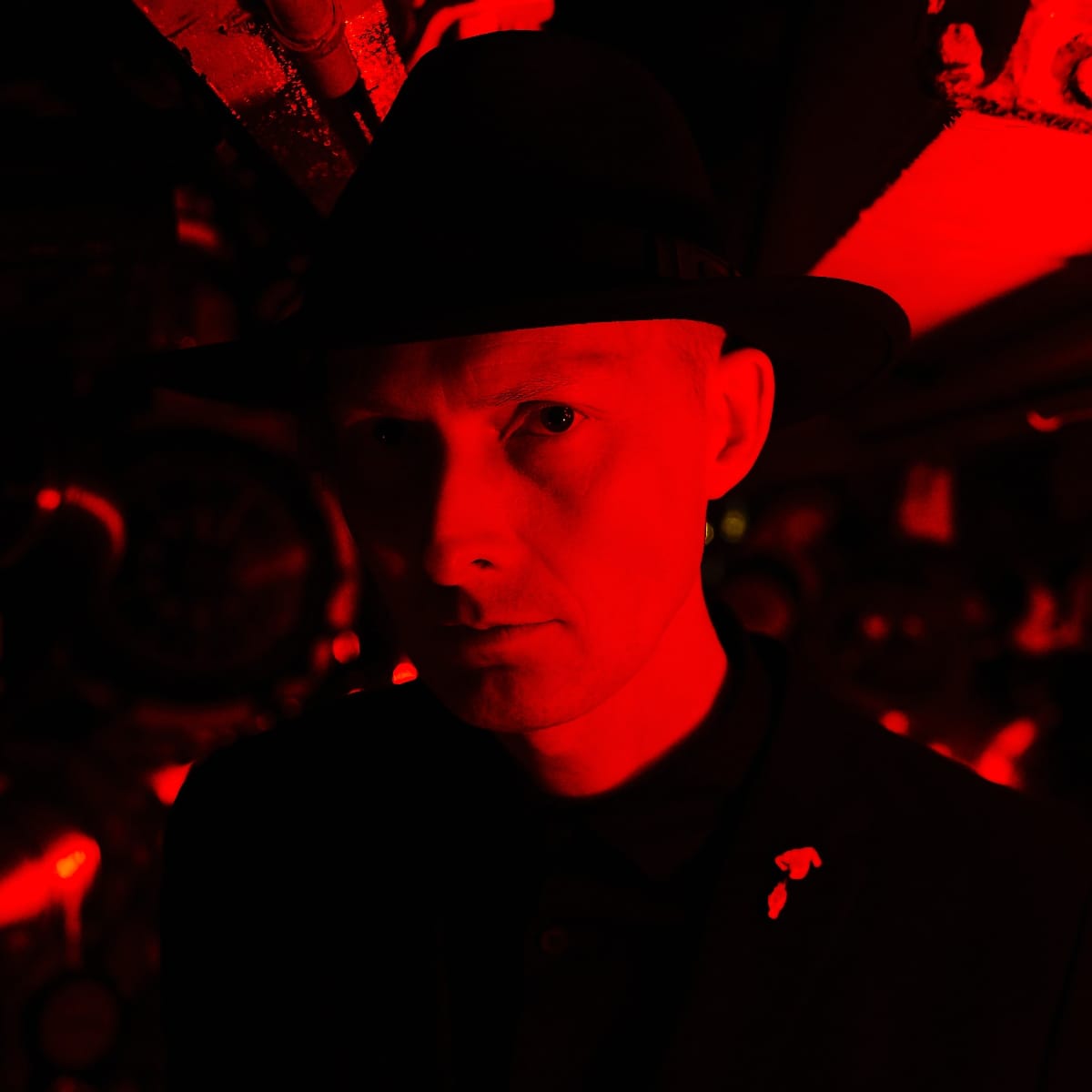
Excerpting Lawrence English's hour-long podcast conversation with Lawrence Peryer for the online article version was not an easy task. Thoughtful and illuminating nuggets abounded, and there was much great stuff left on the cutting room floor. (You can hear all of it on the podcast, though.) One of those conversational tangents that didn't make the article is English's reflection on how the arrival of AI art challenges us to confront what our definition of 'art' consists of. It's a fascinating thread and one I'm happy to share with you here:
We sometimes conflate entertainment and art. And that's not to say art can't be entertaining, but I think its primary role doesn't have to be that. It's about engagement. And I think music as an art form has been heavily weighed upon by the industry. Some of that inherent promise of engagement has been overshadowed by the goal of entertainment.
That's a shame because I think temporal-based arts are so powerful, and music is so powerful. It speaks to us in a way that is kind of unbelievable when you think about what's actually happening when you listen to something. I think the opportunity for the profundity of the nature of being, being captured in an experience, is right there. And yet this was what we did with it: let's turn it into an industry where we can just churn people through this machine that generates income for a number of corporations. I mean, that's really so sad.
I think we're trying to work against that. There have been moments when ideas have bubbled up, pushing back against that. I think right now we're in one of those moments again because of the capacity of AI to generate material. That's interesting because it tests us for the first time in a long time.
What is our connection to this work? What's the value in the making that we as listeners have with that work? Is it enough that it's just a bunch of sounds that have been generated? Is that enough for some people? Probably, yes. Are those people critical deep listeners? Probably not. Is that important? I'm not sure, but it's a question. And I think for everyone who is engaged in that process, we have to begin to recognize and think about our relationship with those sounds, and also with the contextual framework around the sounds, the societal place from which the music comes. We don't really do that because we haven't had to.
There's a huge opportunity to have a serious conversation about what we think about art and what role it plays for us as a society going forward. And now we're faced with what some would call a crisis. I think you could also see it as an opportunity to dive deeply into the question of where we draw value from a particular work.
It's important to recognize that sometimes it's actually the making that matters most to people. And I think there's a role for community arts and community music-making. But at the same time, for us as consumers of that work, what does it bring to us? What does it allow us to feel and to be? And how does it push us forward? How does it make us more than what we are right now?
I think it can do that. I can say my life is a testament to that, that the engagements that I've had with people's work, with people's ideas, have completely transformed the way that I think about not just my own practice, but how I think about the opportunities that need to be made for other people to do the things that they do so well.
Be sure to visit Lawrence English at lawrenceenglish.com and follow him on Bluesky, Instagram, Facebook, and Bandcamp.
Run-Out Groove:
Getting this edition of the newsletter out post-haste, so let me close out with a reminder of two experiments you are invited to participate in:
- The Tonearm is building a Slack community! Join the writers and rapscallions of our website by clicking here.
- We've started a separate newsletter called The Total Tonearm. By signing up, you'll receive every new article direct to your inbox in a snazzy, easy-to-read email version. Just go to your account, manage your email preferences, and flick the lever to receive The Total Tonerm. Collect 'em all!
Thank you for reading! We'll see you again next week. 🚀


Comments